
The Importance of Sustainability: How to Choose Beauty Products with Responsible Natural Ingredients
A New Era in the Beauty Industry
In recent years, the beauty industry has witnessed a remarkable shift toward sustainability, largely driven by consumer demand for transparency and ethical practices. As environmental concerns loom larger on the global agenda, beauty consumers are increasingly scrutinizing the products they use daily. This entails not only questioning the efficacy of beauty products but also delving into the ingredients and practices behind them. Choosing beauty products with responsible natural ingredients plays an integral role in fostering a sustainable beauty ecosystem.
Why It Matters
- Environmental Impact: Conventional beauty products often involve the use of synthetic chemicals and non-biodegradable materials, contributing significantly to pollution and waste. For example, microbeads in exfoliating scrubs can end up in oceans and waterways, harming marine life. By opting for sustainable alternatives, consumers can help reduce their environmental footprint.
- Health Risks: Many conventional beauty items are laden with harmful ingredients such as parabens or sulfates, which can not only pose health risks to users—potentially affecting hormonal balance—but can also disrupt local ecosystems when washed away. In contrast, natural ingredients like aloe vera or shea butter provide nurturing benefits without compromising health.
- Consumer Power: The rise of social media and online platforms has amplified consumer voices, enabling individuals to advocate for sustainable practices. Supporting brands committed to eco-friendly practices not only promotes ethical behavior within the industry but also encourages larger corporations to adopt similar commitments.
The collective impact of informed consumer choices can be profound. By embracing sustainable beauty, individuals align their daily routines with their personal values, actively participating in a movement that champions both health and the environment.
Elements to Consider
- Ingredient Sourcing: Look for brands that prioritize ethical sourcing practices. Fair Trade and sustainably harvested ingredients protect biodiversity while ensuring fair wages for communities involved in production. Brands that clearly communicate their sourcing practices foster consumer trust and loyalty.
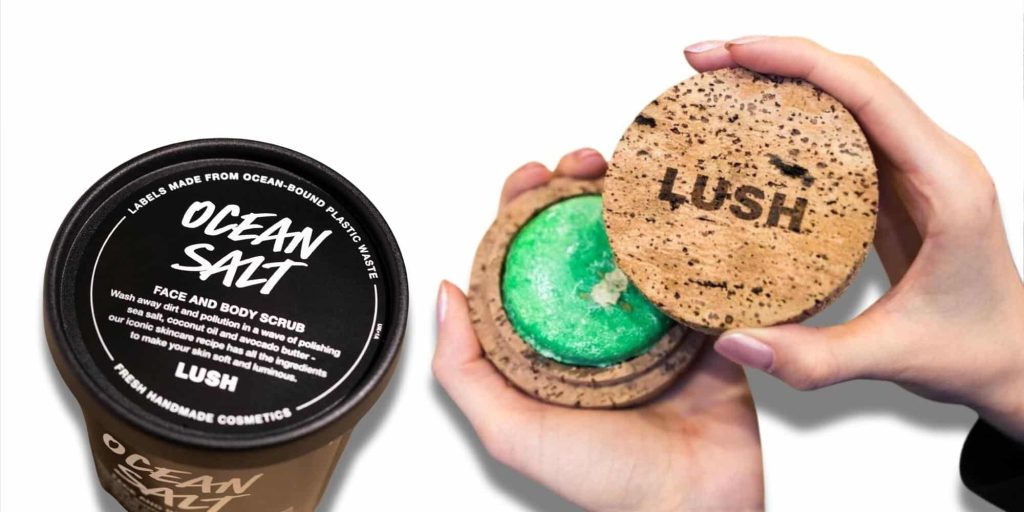
- Packaging: Consider products packaged in recyclable or compostable materials. Brands such as Lush have paved the way with their “naked” products—items that arrive without packaging—significantly cutting down on waste. The use of refill stations is also gaining traction, encouraging consumers to reuse containers.
- Certifications: Seek out products that carry recognized organic or sustainability certifications. Labels such as USDA Organic or Leaping Bunny (which signifies cruelty-free practices) help guide consumers toward selecting legitimately sustainable options.
As you explore your beauty routine, consider each product’s lifecycle—from sourcing to packaging. The movement towards sustainable beauty offers an exciting opportunity to make thoughtful decisions that contribute to a healthier planet. As the demand for environmentally conscious products rises, your choices today can create a ripple effect, promoting accountability and innovation in the beauty sector. Embrace the power of your purchasing decisions and contribute to a collective effort for a sustainable future, one product at a time.
DISCOVER MORE: Click here to learn about social media’s impact on skin treatment expectations.
Understanding Responsible Natural Ingredients
As consumers become more knowledgeable about the implications of their purchases, understanding what constitutes responsible natural ingredients is crucial. These ingredients should not only come from renewable sources but also be cultivated using methods that support ecological balance and biodiversity. A closer look at the ingredients list of popular beauty products often reveals a mixture of natural and synthetic components. However, deciphering these labels can lead to a better appreciation of which products align with sustainable practices.
Key Characteristics of Responsible Ingredients
- Plant-Based Origins: Ingredients derived from plants, such as oils, butters, and extracts, are often favored for their effectiveness and lower environmental impact. Options like jojoba oil, coconut oil, and organic shea butter nourish the skin while being biodegradable. This simplicity allows them to break down naturally without causing harm to ecosystems.
- Non-Toxic Formulation: Many consumers are increasingly avoiding synthetic chemicals that can be found in conventional beauty products. Compounds like parabens, phthalates, and sulfates may be effective in their intended roles but often carry risks that concern health-conscious buyers. Natural formulations free from these toxins are generally safer for both the individual and the environment.
- Biodegradability: Products that utilize ingredients capable of breaking down easily in the environment help minimize pollution. Unlike plastic and some synthetic chemicals, when responsibly sourced natural ingredients are washed away or disposed of, they decompose without leaving harmful residues.
Additionally, ethical manufacturing processes play a significant role in the sustainability of beauty products. When companies adhere to practices that protect both the environment and the communities involved in the production, it signifies a commitment to responsible beauty. Sustainable brands often engage in fair trade practices, ensuring that laborers are compensated fairly and treated with respect. Observing these practices not only enhances consumer trust but also fosters positive contributions to local economies.
How to Identify Sustainable Brands
When navigating the increasingly crowded market of natural beauty products, identifying genuinely sustainable brands can be challenging. Here are a few tips to assist consumers in making informed choices:
- Research Brand Transparency: Look for companies that are open about their ingredient sourcing, manufacturing processes, and environmental impact. Brands that share this information instill confidence and demonstrate integrity.
- Look for Certifications: Certifications such as “USDA Organic,” “Cruelty-Free,” or “Non-GMO” can help guide consumers toward brands that prioritize sustainability. These seals offer a level of assurance regarding the company’s practices and product quality.
- Evaluate Company Values: Assessing a brand’s mission statement can provide insight into its commitment to sustainability. Brands that prioritize environmental responsibility and community support often align better with the values of conscious consumers.
In today’s climate, making conscious decisions about beauty products extends beyond personal preference; it reflects a larger commitment to environmental stewardship. By thoughtfully selecting products laden with responsible natural ingredients, consumers can play a pivotal role in advocating for a more sustainable beauty industry that prioritizes wellness for both individuals and the planet.
| Sustainable Ingredients | Health Benefits |
|---|---|
| Natural Oils | Enhanced skin hydration and nourishment |
| Plant-Based Extracts | Rich in antioxidants, promoting skin repair |
The quest for beauty products that align with sustainable practices is crucial for anyone looking to be more environmentally conscious. Understanding responsible natural ingredients empowers consumers to make informed choices. When selecting beauty products, look for options containing natural oils, which are celebrated for their deep hydration properties. These oils not only sumptuously hydrate your skin but also help maintain its lipid barrier, contributing to a nourished and youthful appearance.Plant-based extracts are another key component of sustainable beauty. Often loaded with antioxidants, they combat free radicals, promoting skin repair and reducing signs of aging. By choosing products with these components, you support brands that prioritize both your health and the planet’s well-being.This alignment between personal health and environmental responsibility not only benefits you but encourages the beauty industry to adopt more sustainable practices. Thus, your choices profoundly impact the larger narrative of sustainability.
DISCOVER MORE: Click here to learn about the best ingredients
Embracing Sustainable Beauty Practices
Making beautiful choices is one thing, but ensuring they are sustainable is an entirely different endeavor. As the demand for responsible natural ingredients climbs, brands are innovating and reformulating their products to be both effective and eco-conscious. However, consumer awareness is critical to influence industry trends for a greener future. Understanding how personal habits impact environmental resources can pave the way for adopting sustainable beauty practices.
Leveraging Local Ingredients
Supporting local producers not only bolsters the economy but also reduces the carbon footprint associated with transporting ingredients over long distances. By opting for beauty products made with locally sourced natural ingredients, consumers can indulge in high-quality items while minimizing the environmental burden. For instance, artisan brands in regions like California may utilize ingredients such as avocado or almond oil, capitalizing on their proximity to these valuable resources. Furthermore, this choice can help foster a sense of community and connection with the land.
The Role of Packaging in Sustainability
While the focus on responsible ingredients is essential, the environmental impact of packaging should not be overlooked. Many beauty brands are moving towards minimalist and recyclable packaging that reduces waste. Some even go a step further by employing innovative solutions such as refillable containers or biodegradable materials. For example, brands like Lush are famous for their ‘naked’ products, which eliminate packaging altogether while still offering effective, luxurious items. Shifting to sustainable packaging options can significantly lessen the impact on landfills and oceans, where conventional plastic often lingers for generations.
Reducing Water Consumption in Production
Water is a precious resource, and its use in beauty product production can be staggering. Brands that focus on sustainability often invest in techniques that minimize water consumption. This might include formulating products with concentrated ingredients, allowing users to apply smaller amounts and still experience results. Companies that commit to reducing their water footprint actively contribute to sustainability efforts and educate consumers on the importance of conservation.
Create Your Own Beauty Products
For those looking to exert further control over their beauty routines, DIY beauty products offer an exciting alternative. With just a handful of natural ingredients commonly found in kitchens or easily sourced from health stores, individuals can craft their own skincare and beauty remedies. For example, simple blends of honey, coconut oil, and essential oils can create masks or moisturizers that are pure and tailored to specific skin types. This not only empowers consumers but also promotes a clear understanding of what goes into the products they use on their bodies.
Recommendations to Shape Your Beauty Routine
To further align your beauty routine with sustainability, integrate the following recommendations:
- Prioritize Multi-Use Products: Products that serve multiple purposes, such as a tinted moisturizer that hydrates and provides coverage, reduce the need for excessive packaging and ingredients.
- Participate in Recycling Programs: Many beauty brands encourage recycling by offering programs that reward customers for returning empty containers. Participating in such initiatives fosters a culture of sustainability.
- Stay Informed: Keeping abreast of beauty industry trends, new sustainable practices, and research on ingredients can empower consumers to make informed decisions. Knowledge is a powerful tool in advocating for sustainability.
By embracing these sustainable beauty practices and aligning personal choices with responsible consumption, individuals can significantly impact the beauty industry’s future. As the movement towards eco-friendly products gains momentum, consumers wield the power to drive change, promoting beauty that respects both individual welfare and the planet’s resources.
DISCOVER MORE: Click here to find out what your skin needs at every age
Conclusion
In a world increasingly aware of environmental challenges, the importance of sustainability in beauty cannot be overstated. As consumers, our choices have the power to shape industry practices and demand change. Opting for beauty products that utilize responsible natural ingredients demonstrates not only a commitment to personal health but also an investment in the planet’s well-being. By embracing local sourcing, prioritizing sustainable packaging, and reducing water consumption, we can actively participate in a movement that fosters a healthier ecosystem.
Furthermore, the growing trend of creating DIY beauty products empowers individuals to ensure that only safe and natural components touch their skin. This personal engagement creates not just informed consumers but passionate advocates for sustainability. As we make these mindful decisions, it’s crucial to remember that every small change contributes to a larger impact. Participating in recycling programs and opting for multipurpose items further enhances our eco-friendly approach, creating a ripple effect that can inspire others to follow suit.
Ultimately, the evolution of beauty towards sustainability opens doors to innovation and creativity within the industry. With increased awareness and active participation from consumers, the future of beauty can be not just beautiful in its aesthetic but also in its harmony with nature. As we navigate this journey, let us commit to prioritizing sustainability in our beauty routines, paving the way for a brighter, greener future that celebrates the delicate balance between self-care and ecological responsibility.
Related posts:
Comparison between Natural and Synthetic Ingredients in Beauty Products
How to Create Your Own Skincare Line Using Natural Ingredients
Trends in Natural Cosmetics: How Biotechnology Is Integrating Natural Ingredients into New Formulati...
Natural vs. Synthetic Ingredients: What Really Works for Your Skin?
The Impact of Tropical Fruits on the Beauty Industry: Natural Ingredients that Revitalize and Nouris...
The Importance of Seasonality in the Choice of Natural Ingredients for Skin Care

Linda Carter is a writer and beauty expert specializing in skincare routines, cosmetic ingredients, and holistic self-care practices. With extensive experience helping individuals achieve healthy, radiant skin and make informed beauty choices, Linda shares her knowledge on our platform. Her goal is to empower readers with practical advice and science-backed strategies for lasting beauty and skin health.