
The Influence of Natural Ingredients in the Formulation of Organic Makeup
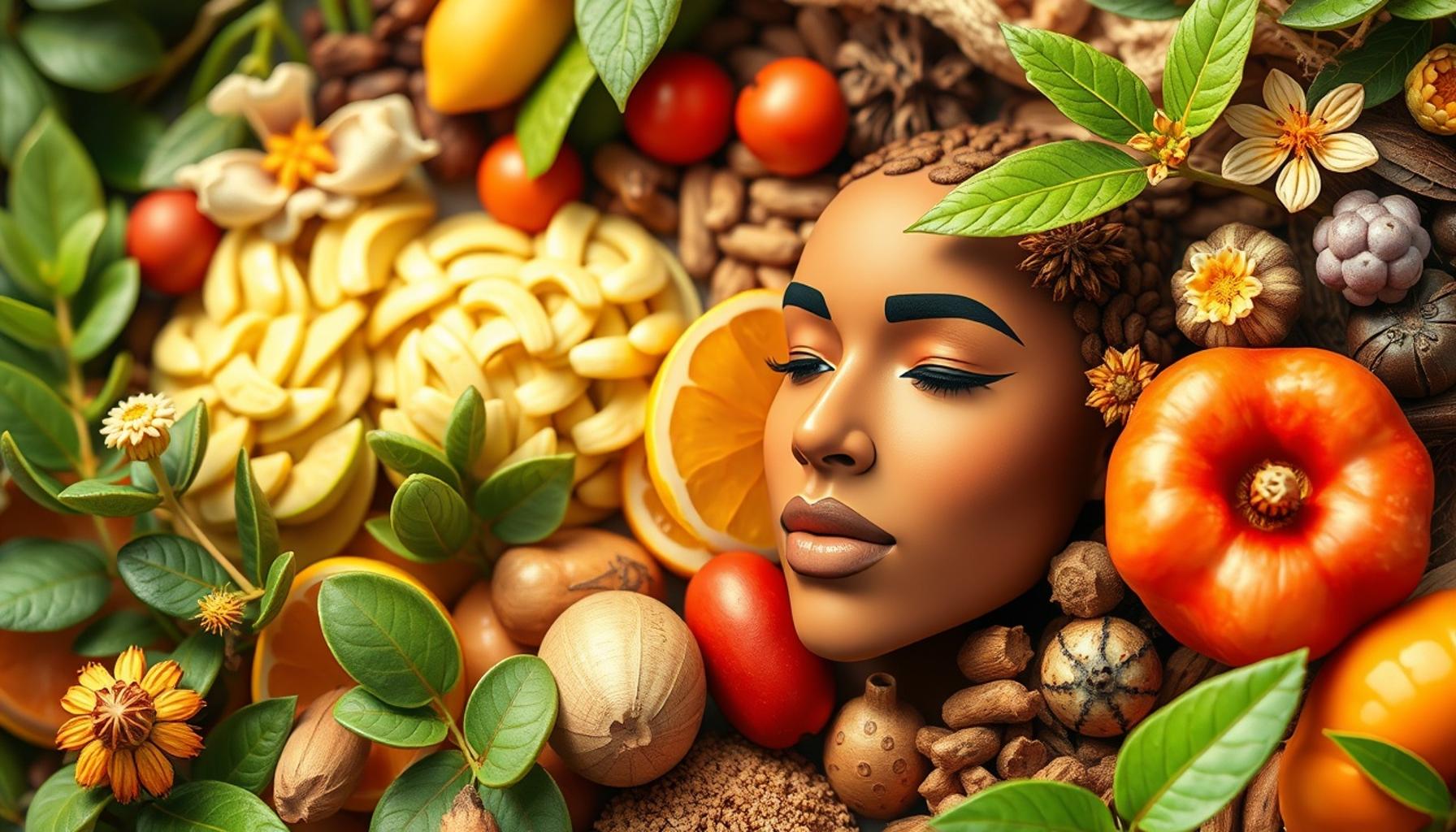
The Shift Towards Organic Makeup: Unveiling Nature’s Influence
In recent years, consumer preferences have dramatically shifted towards the use of natural ingredients in makeup products. Many beauty enthusiasts are not only focused on aesthetics but are also becoming increasingly discerning about the ingredients they apply to their skin. The rising awareness regarding the potential harmful effects of synthetic components has led to an increased demand for organic makeup, which harnesses the inherent benefits of nature.
The incorporation of natural ingredients in cosmetic products offers a multitude of advantages that resonate with a broad spectrum of consumers. Here are a few compelling features:
- Skin Compatibility: Many natural ingredients are less likely to cause irritation or allergic reactions compared to their synthetic counterparts. For instance, products that contain shea butter or aloe vera are known for their soothing properties, making them ideal for sensitive skin.
- Eco-Friendly: Organic formulations are often created with sustainable practices in mind. This means they are typically free from harmful chemicals and are made using environmentally friendly processes. Brands like 100% Pure and RMS Beauty have made headlines for their commitment to clean beauty, using only sustainably sourced ingredients.
- Nutritional Value: Natural ingredients can be rich in vitamins and antioxidants that not only provide color but also promote healthier skin. Ingredients like argan oil and coconut oil are not just popular for their cosmetic effects; they also offer hydration and nourishment, enhancing the skin’s overall appearance and texture.
The organic movement’s momentum is redefining beauty standards by prioritizing skin health and environmental consciousness. Consumers today are more informed than ever, opting for products that reflect their values. Studies indicate that a significant percentage of consumers are willing to pay a premium for products that are environmentally friendly, signaling a shift in purchasing behavior. This growing trend has resulted in innovative formulations that blend beauty with ethics, moving beyond mere aesthetics to include holistic well-being.
In this landscape, natural ingredients have become a cornerstone of trust and efficacy in the beauty community. Brands are increasingly transparent about their ingredient sourcing and formulation processes, encouraging consumers to be educated and engaged. By understanding the significant impact of these ingredients, both brands and consumers are participating in a larger conversation about sustainability, personal health, and conscious consumerism. This article will delve deeper into specific examples of how natural components are influencing the makeup industry, shaping beauty standards, and altering consumer habits for the better.
DISCOVER MORE: Click here to learn about hydration’s impact on skin health

Nurturing Beauty: The Role of Natural Ingredients in Organic Makeup
The shift towards organic makeup represents more than just a trend; it is a significant cultural movement that is reshaping the beauty landscape. At the heart of this evolution lies the influence of natural ingredients, which are increasingly being recognized for their vast benefits in cosmetic formulations. From enhancing skin health to aligning with eco-conscious values, these ingredients serve as vital components that attract a growing clientele.
One prominent aspect of featuring natural ingredients in organic makeup is their ability to provide restorative benefits for the skin. For instance, the use of botanical extracts like chamomile or calendula is on the rise due to their anti-inflammatory properties. These ingredients can soothe irritation and promote healing, which is essential for consumers who struggle with sensitive skin conditions. Additionally, many brands are now introducing exotic oils, such as marula oil or jojoba oil, known for their deep moisturizing and skin-repairing attributes. The infusion of these natural elements not only enhances the user experience but also adds layers of functionality to makeup products.
Moreover, the rising importance of transparency in the beauty industry further emphasizes the shift towards organic ingredients. In a market flooded with products filled with chemical additives, consumers are gravitating towards brands that openly disclose their ingredient lists and the sources of their materials. This newfound focus fosters a sense of accountability and trust. According to a survey conducted by Statista, around 55% of American consumers expressed a desire to know what they are putting on their skin. This statistic underscores the public’s demand for safe and effective formulations, further propelling the organic movement.
Another important factor contributing to the popularity of natural ingredients is their alignment with sustainability and environmental mindfulness. As the conversation around climate change and environmental degradation grows, many beauty brands are prioritizing the use of sustainably sourced ingredients and eco-friendly packaging. This trend resonates well with consumers who are eager to make conscientious choices, opting for products that reflect their commitment to the planet. Here are a few key characteristics that define this movement:
- Responsibly Sourced Ingredients: Many brands are ensuring their natural ingredients are ethically harvested, supporting local communities and preserving biodiversity.
- Biodegradable Packaging: Companies are increasingly adopting eco-friendly packaging materials to minimize waste and environmental impact.
- Non-Toxic Formulations: The push for cleaner beauty has led to the elimination of harmful chemicals, aligning product offerings with consumer demand for safety.
This confluence of factors points to a promising future for organic makeup, driven by a commitment to natural ingredients. As brands continue to innovate and cater to the demands of socially responsible consumers, the dialogue surrounding makeup will likely evolve to encapsulate deeper meanings around beauty, health, and sustainability. The incorporation of natural ingredients not only enhances the quality of the products but also plays a pivotal role in shaping the foundation of the organic beauty movement, making it a topic worth exploring further.
The Influence of Natural Ingredients in the Formulation of Organic Makeup
The trend towards organic makeup has surged primarily because consumers are increasingly aware of the ingredients in the products they use. Natural ingredients play a pivotal role in not only enhancing beauty but also in supporting the skin’s health. Below, a detailed exploration of the advantages of incorporating natural ingredients in organic makeup formulations is provided through an informative table format.
| Advantage | Details |
|---|---|
| Skin Compatibility | Natural ingredients are often less irritating and more compatible with various skin types, reducing the likelihood of allergic reactions. |
| Environmental Sustainability | Many natural ingredients are sourced sustainably, contributing to a healthier planet while providing eco-friendly beauty solutions. |
The benefits of using organic makeup extend beyond personal care, as they also promote ecological balance. By opting for products enriched with natural components, consumers not only enhance their beauty but also embrace a more sustainable lifestyle. The robust features of organic makeup encourage further exploration into how these formulations can transform beauty regimens. Whether it’s the soothing properties of plant extracts or the nourishing aspects of essential oils, the influence of natural ingredients is undeniably making a notable impact in both the beauty and wellness industries.
DIVE DEEPER: Click here to learn more about personalized skin treatments
The Science Behind Natural Ingredients: Efficacy and Safety in Organic Makeup
As organic makeup continues to gain traction among consumers, a deeper understanding of the science behind natural ingredients plays a pivotal role in enhancing its credibility. A growing body of research is shedding light on the efficacy and safety of these components, leading to a revolution in product formulation. For instance, studies have demonstrated that ingredients such as aloe vera and green tea extract not only provide hydration and antioxidants, but also possess properties that can fight skin aging and rejuvenate the complexion. This understanding is crucial as consumers increasingly seek products that offer more than just superficial benefits.
Moreover, the benefits of natural ingredients extend beyond skincare to include their role in improving overall skin health. Evidence shows that formulations incorporating ingredients like vitamin E and niacinamide can enhance skin barrier function, providing not just cosmetic benefits but also long-term skin care advantages. With the heightened awareness of skin health, manufacturers are prioritizing these ingredients to appeal to a more informed audience. According to market research conducted by Grand View Research, the demand for organic cosmetics is expected to grow at a CAGR of 9.5% from 2021 to 2028, driven largely by the wellness and skincare trend.
The use of essential oils in organic makeup formulations also highlights the trend towards multi-functionality. Oils such as lavender and tea tree not only impart pleasant fragrances, but also serve therapeutic purposes, such as reducing stress and alleviating acne, respectively. These wellness benefits resonate with consumers, especially in the post-pandemic era, where mental and emotional well-being is a priority. Brands capitalizing on this trend are likely to attract health-focused consumers looking for more holistic beauty solutions.
Additionally, the increasing sophistication of consumers has given rise to a demand for personalized beauty solutions that consider individual skin types and needs. As a result, many organic makeup brands are leveraging natural ingredients to create customizable products. For example, brands are developing color-changing foundations that adapt to the wearer’s skin tone, utilizing natural pigments and extracts for a look that is both unique and vibrant. This innovative approach presents an exciting intersection of technology and natural beauty, further heightening interest in the organic makeup sector.
One cannot overlook the role of regulatory bodies and certifications in shaping the perception of organic makeup. In the United States, the USDA Organic certification and EcoCert provide consumers with assurances regarding the authenticity and quality of products. This validation is crucial in building consumer trust, as people increasingly rely on approved labels to confirm the integrity of natural ingredients used in their makeup. Such trusted endorsements elevate the conversation around natural ingredients and their role in organic formulations, reinforcing the notion that consumers can make safe and responsible choices.
Ultimately, the influence of natural ingredients in organic makeup is creating a ripple effect that extends beyond mere aesthetic appeal. As evidence mounts regarding their benefits, consumers are empowered to make informed decisions. This shift in consumer education underscores the fundamental transformation of the beauty industry, marking a departure from synthetic compositions towards formulations that honor both personal beauty and the planet.
DISCOVER MORE: Click here to learn about the benefits of natural oils
Conclusion: Embracing the Future of Beauty through Natural Ingredients
In summary, the profound influence of natural ingredients in the formulation of organic makeup marks a significant paradigm shift within the beauty industry. As evidenced by mounting research and consumer demand, it is clear that the pivot from synthetic components to nature-derived alternatives not only enhances the effectiveness of products but fundamentally redefines the relationship consumers have with their beauty regimens. With ingredients such as aloe vera, green tea extract, and essential oils gaining traction for their multifaceted benefits, the organic makeup landscape is witnessing a revolution steeped in wellness and sustainability.
The increasing recognition of the benefits of these ingredients is coupled with an educated customer base that seeks quality, safety, and personalization. Companies responding to these needs are innovating with customizable makeup solutions, ensuring that individual preferences and skin types are prioritized. Moreover, the backing of regulatory certifications like USDA Organic amplifies consumer confidence, allowing individuals to navigate their choices with assurance and responsibility.
As we look to the future, the trajectory for organic makeup appears promising, with a forecasted growth echoing a movement towards holistic beauty solutions that champion both aesthetic and health aspects. This shift represents not only a change in consumer preferences but also a commitment to sustainability and mindful consumption. With nature at its core, the evolution of organic makeup is a testament to the beauty industry’s capacity to adapt, innovate, and embrace a more conscientious path forward. As such, the journey into the realm of organic makeup offers an invitation for all to explore the rich potential held within nature’s pigments and formulations.
Related posts:
The Importance of Sustainability: How to Choose Beauty Products with Responsible Natural Ingredients
The Benefits of Natural Ingredients in Skincare Routine
Comparison between Natural and Synthetic Ingredients in Beauty Products
Trends in Natural Cosmetics: How Biotechnology Is Integrating Natural Ingredients into New Formulati...
The Power of Natural Antioxidants: How Ingredients like Green Tea and Citrus Fruits Can Revitalize t...
The Role of Botanical Extracts in Preventing Skin Aging

Linda Carter is a writer and beauty expert specializing in skincare routines, cosmetic ingredients, and holistic self-care practices. With extensive experience helping individuals achieve healthy, radiant skin and make informed beauty choices, Linda shares her knowledge on our platform. Her goal is to empower readers with practical advice and science-backed strategies for lasting beauty and skin health.