
Natural Remedies for Common Skin Issues: What Works and What Doesn’t
The Growing Interest in Natural Skin Remedies
Skin issues plague countless individuals, prompting a quest for effective relief. With an increasing shift towards holistic health, many are turning to natural remedies as alternatives to conventional treatments. But what truly works, and what might be more myth than miracle? The search for solutions has led to an endless array of products and suggestions, often leaving consumers in a haze of uncertainty.
Common skin conditions can significantly impact quality of life. For example:
- Acne: This chronic issue affects millions of teens and adults alike. Stress, hormonal changes, and diet all play a role in its severity, pushing many to look for non-pharmaceutical interventions.
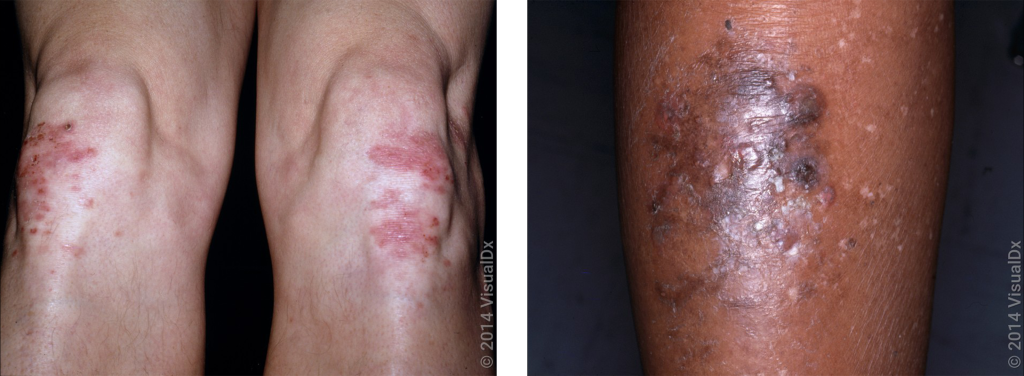
- Eczema: An inflammatory skin condition leading to irritation and discomfort for many. It often manifests as itchy, red patches that can worsen with environmental triggers like soaps or stress.
- Psoriasis: Characterized by red, scaly patches, this autoimmune condition can be quite bothersome and often leads to social stigmas that affect self-esteem.
These issues frequently lead people to seek out remedies perceived to be safer and more gentle. Several natural options have gained popularity, including:
- Aloe Vera: Renowned for its soothing properties, aloe vera gel can be applied topically to hydrate and calm irritated skin. Numerous studies indicate that it may promote healing, particularly for wounds and sunburns.
- Tea Tree Oil: Known for its antibacterial and anti-inflammatory qualities, tea tree oil is often recommended for acne treatment. Research supports its efficacy against acne-causing bacteria, making it a favored natural alternative.
- Oatmeal Baths: Praised for their calming effects on inflamed skin, colloidal oatmeal baths can relieve itching associated with eczema and psoriasis. Doctors frequently recommend this simple yet effective remedy as part of a skincare routine for sensitive skin.
However, it’s essential to approach these remedies with caution. The effectiveness of these solutions can vary greatly between individuals. For instance, while aloe vera may work wonders for one person, another might experience allergic reactions. Moreover, scientific evidence supporting some of these natural approaches is often limited, making it crucial to determine which remedies are genuinely effective and safe to use.
As we explore the science behind these natural remedies, whether through clinical trials or anecdotal evidence, we can uncover which options are worth the hype and which are better left on the shelf. The journey to healthy skin might just involve a few surprising discoveries, highlighting the importance of personalized care in skin health. Additionally, consulting with a dermatologist can provide valuable insights into which natural remedies could complement existing treatments, creating a customized approach to skincare.
DISCOVER MORE: Click here for homemade beauty recipes
Exploring Popular Natural Remedies
As the pursuit of natural skincare solutions grows, enthusiasts often find themselves inundated with choices. Among the most touted natural remedies for common skin issues are essential oils, herbal extracts, and various plant-based treatments. While anecdotal success stories abound, a deeper examination reveals a spectrum of effectiveness. Understanding the science behind these remedies can be enlightening and guide consumers in making informed choices.
Essential Oils have garnered significant attention for their purported therapeutic benefits. However, it is critical to use them with caution. For instance, lavender oil has been praised for its calming scent and anti-inflammatory properties. Research indicates that it may help soothe minor burns and rashes. On the other hand, some individuals may experience adverse reactions ranging from skin irritation to allergic responses. Therefore, a patch test is advisable before fully integrating essential oils into a skincare regimen.
Similarly, the use of coconut oil has surged in popularity. Advocates claim it serves multiple purposes, such as a moisturizer, makeup remover, and acne treatment. While studies show that coconut oil possesses antimicrobial properties, its thick consistency can potentially clog pores for those with oily or acne-prone skin. As such, individual skin types must be considered when evaluating its viability as a remedy.
Herbal Extracts and Their Benefits
Herbal extracts, too, play a significant role in natural skincare. Calendula extract, derived from marigold flowers, is often celebrated for its anti-inflammatory and wound-healing properties. It can be found in various creams and ointments aimed at soothing conditions like eczema and dermatitis. Clinical evidence supports its effectiveness in promoting skin healing, yet outcomes can vary. One individual’s success with calendula may not translate to another, highlighting the need for personalized skincare approaches.
Another commonly used herb is witch hazel, known for its astringent properties. Many use it as a toner or treatment for acne, as it can help reduce inflammation and excess oil. However, while witch hazel may assist in controlling breakouts, overuse can lead to dryness or irritation, particularly for sensitive skin types. Careful application and moderation are essential to reap its benefits without compromising skin health.
Natural Moisturizers
In pursuit of hydration, many individuals reach for natural moisturizers like honey and aloe vera. Honey is not only humectant—drawing moisture into the skin—but also exhibits antimicrobial properties that can be beneficial in healing minor wounds and preventing acne. Its application can be as simple as a face mask for a sweet, soothing treat. Aloe vera, meanwhile, is often used for burn relief and boasts anti-inflammatory effects. As stated previously, however, the effectiveness of natural ingredients can greatly differ from person to person, making it vital to seek those that harmonize with individual skin types.
Ultimately, the realm of natural remedies for skin issues is vast and varied. While some solutions appear promising, others may lack the scientific backing to validate their use. Understanding what works and what doesn’t can empower individuals to navigate their skincare journeys and embrace products that align with their unique needs.
Natural Remedies for Common Skin Issues: What Works and What Doesn’t
When it comes to addressing common skin issues, many individuals turn to natural remedies as a more holistic approach. Understanding what truly works versus what is merely anecdotal can be vital in achieving healthy skin. Here, we delve into a variety of popular natural remedies and their effectiveness for common conditions such as acne, eczema, and dry skin.
1. Tea Tree Oil for Acne
Tea tree oil has gained popularity for its antimicrobial properties. Research suggests that applying a diluted concentration of tea tree oil can help reduce acne breakouts due to its ability to fight bacteria. However, it’s crucial for users to perform a patch test prior to application, as some may experience irritation.
2. Aloe Vera for Sunburn and Eczema
Aloe vera is acclaimed for its soothing capabilities. Its gel can not only provide relief from sunburn but may also help to alleviate symptoms associated with eczema. The natural anti-inflammatory properties of aloe vera assist in reducing redness and swelling. However, those with sensitive skin should check for any allergic reactions first.
3. Coconut Oil for Dry Skin
Coconut oil is widely recognized for its moisturizing benefits. It is an excellent option for those with dry skin, as it locks in moisture effectively. Furthermore, its natural fatty acids can help improve the skin barrier, leading to softer skin over time. Caution is advised, however, as it may clog pores for some individuals.
4. Oatmeal Baths for Itchy Skin
Colloidal oatmeal is often recommended for itchy and irritated skin conditions. Soaking in an oatmeal bath can provide immediate relief and help to soothe inflammation. Many dermatologists recommend this remedy, highlighting its historical and effective use against skin irritation.
5. Witch Hazel for Inflammation
Witch hazel is known for its astringent properties, often helping to reduce inflammation and the appearance of pores. Ideal for those with oily skin, it serves as an excellent toner. Nonetheless, users should be mindful of the sensation it provides, as it may cause dryness in some cases.
6. Honey as a Natural Moisturizer
Honey is not only a delicious natural sweetener but also a potent humectant. Its ability to draw moisture into the skin makes it a superb natural moisturizer. Due to its antimicrobial properties, it may also play a role in healing acne scars and wounds.
In summary, natural remedies can offer a plethora of solutions to common skin issues. However, effectiveness can vary among individuals. Consulting with a dermatologist can provide personalized insights and recommendations before starting any new treatment approach.
| Category | Details |
|---|---|
| Tea Tree Oil | Antimicrobial properties help reduce acne. |
| Aloe Vera | Soothes sunburn and eczema with anti-inflammatory effects. |
| Coconut Oil | Effective moisturizer; potential pore clogging. |
| Colloidal Oatmeal | Provides relief for itchy and irritated skin. |
| Witch Hazel | Astringent for inflammation and oily skin. |
| Honey | Natural humectant, helps with moisturizing and healing. |
DISCOVER MORE: Click here for tailored skincare advice
Understanding the Science Behind Natural Remedies
As the quest for natural remedies continues, it’s essential to delve deeper into the science that underpins their efficacy. While cultural traditions around the world tout the benefits of natural skincare, understanding the actual mechanisms through which these remedies may operate can illuminate their potential. Not every remedy works for everyone, and recognizing the underlying reasons for variations in effectiveness can lead to more informed skincare decisions.
Probiotics and Skin Health
One area gaining traction is the use of probiotics for skincare. While typically associated with gut health, emerging research suggests that probiotics may also positively impact skin conditions like acne and eczema. By altering the skin’s microbiome—the collection of bacteria residing on the skin—probiotics may help restore balance and reduce inflammation. Products incorporating probiotics are increasingly being marketed as effective solutions, but clashing scientific findings warrant a cautious approach. Consulting with a dermatologist can offer guidance in navigating these options.
Tea Tree Oil: A Double-Edged Sword
Tea tree oil is another popular natural remedy heralded for its antimicrobial properties, often touted as an effective treatment for acne. A considerable body of research backs this claim, demonstrating that tea tree oil can reduce both acne lesions and inflammation, particularly when diluted properly. However, overuse or direct application of undiluted oil can lead to dermatitis, making it imperative to understand the right concentrations and formulations to use to avoid adverse effects.
The Role of Antioxidants
Antioxidants play a pivotal role in skincare, helping to combat oxidative stress and cellular damage caused by free radicals. Green tea extract, rich in epigallocatechin gallate (EGCG), has been shown to have significant anti-inflammatory and anti-carcinogenic properties. Applying green tea topically can assist in combating acne and also provide a soothing effect on irritated skin. Most notably, incorporating products rich in antioxidants into one’s daily skincare regimen can be a proactive approach to maintaining skin health, and may yield long-term benefits rather than merely addressing immediate concerns.
Botanical Oils: A Diverse Arsenal
When discussing natural remedies, it’s vital to highlight a variety of botanical oils such as jojoba oil, argan oil, and rosehip oil. Each of these oils boasts unique properties that cater to different skin types and conditions. Jojoba oil closely resembles the skin’s natural sebum, making it an excellent moisturizer for those with oily skin who fear breakouts. Argan oil, rich in essential fatty acids, can nourish dry and aging skin, restoring its elasticity. Meanwhile, rosehip oil is celebrated for its high concentration of vitamins A and C, promoting cell regeneration and helping fade scars. Understanding the specific benefits can help individuals select the appropriate oil tailored to their unique skin needs.
Skeptical Considerations
Despite the growing fascination with natural remedies, skepticism remains. Many products on the market may not only lack rigorous scientific validation but also face inadequate regulation. The terms used to describe these products can be misleading; for instance, the label “natural” does not necessarily imply safety or efficacy. Consumers should look for peer-reviewed studies or clinical trials that support the claims made by manufacturers. Engaging in open discussion with skincare professionals can arm individuals with valuable insights necessary to make more educated choices when choosing among natural remedies.
In summary, while the allure of natural solutions for skin issues is strong, a comprehensive understanding of the available options and their corresponding scientific validation can empower individuals to achieve the best results for their skin health. Keeping informed ensures a roadmap toward clearer, radiant skin that reflects one’s unique needs and circumstances.
DIVE DEEPER: Click here to learn how to identify your skin type
Final Thoughts on Natural Remedies for Skin Care
In a world increasingly turning to natural remedies for skin care, it’s crucial to sift through the plethora of information to identify what truly works. From probiotics enhancing skin health to the well-researched benefits of tea tree oil and the rich properties of botanical oils, there is a promising array of options. However, it is important to recognize that the effectiveness of these remedies often varies based on individual skin types and conditions.
The key takeaway is not just to embrace natural products blindly but to engage with them critically. Science is beginning to unveil the complexities of how these remedies operate, yet many still require further exploration and confirmation through rigorous studies. Skepticism is warranted; consumers should remain vigilant about marketing claims and be informed about potential side effects.
This journey towards healthy skin should be personalized. Each person’s skin responds differently, and the path to finding the right remedy may involve a mix of trial and error, guided by professional advice. Engaging with dermatologists or skincare experts can provide valuable insights, helping individuals to navigate the vast landscape of natural options effectively.
In conclusion, while natural remedies can offer remarkable benefits for common skin issues, ensuring a well-rounded approach that blends research, expert guidance, and careful consideration of individual needs will ultimately lead to healthier skin. The pursuit of knowledge, combined with a dash of patience, will empower consumers to make informed decisions on their skincare journey.
Related posts:
The Impacts of Skin Treatments on Self-Esteem and Well-Being
The Science Behind Chemical Peels: How They Transform Your Skin
Emerging Trends in Skin Treatments: Innovations and Natural Ingredients on the Rise
The Evolution of Skin Treatments: From Natural to Technological
Skin Treatments and Sustainability: How to Choose Eco-Friendly Products
The Role of Mental Health in Skin Treatments: Unexpected Connections

Linda Carter is a writer and beauty expert specializing in skincare routines, cosmetic ingredients, and holistic self-care practices. With extensive experience helping individuals achieve healthy, radiant skin and make informed beauty choices, Linda shares her knowledge on our platform. Her goal is to empower readers with practical advice and science-backed strategies for lasting beauty and skin health.