How Lifestyle and Stress Affect Skin Hydration Needs
Understanding the Connection Between Lifestyle, Stress, and Skin Hydration
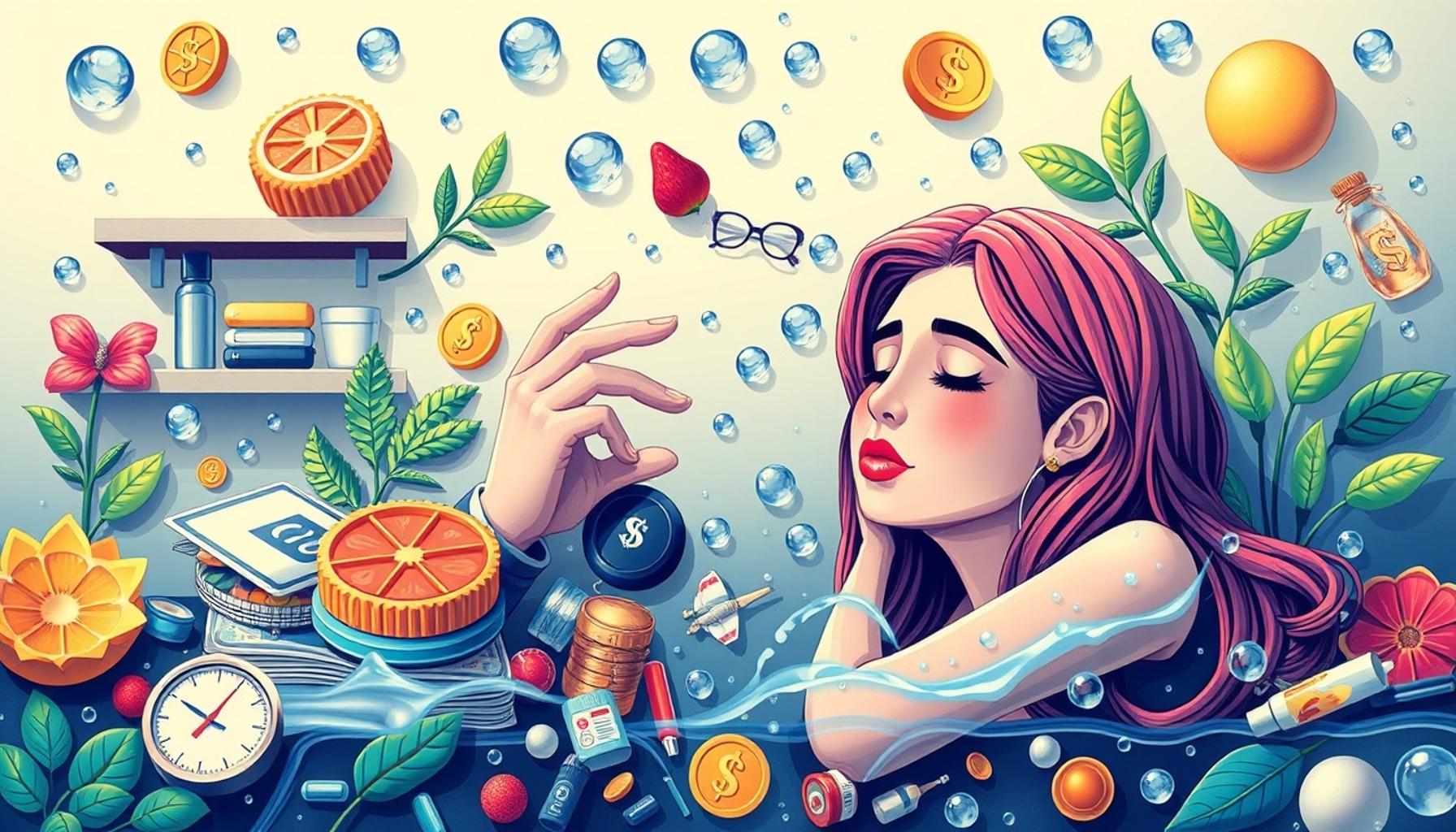
The health of your skin is influenced by a multitude of factors that extend beyond surface-level care. For instance, your daily lifestyle choices and stress levels play a pivotal role in determining how hydrated and vibrant your skin appears. Recognizing the dynamic relationship between these elements not only helps in addressing skincare concerns but also promotes overall well-being.
Several factors can significantly affect skin hydration, including:
- Diet: The foods you consume lay the foundation for your skin health. Diets rich in antioxidants, vitamins, and healthy fats—such as avocados, fish, nuts, and colorful fruits and vegetables—can enhance skin hydration. Conversely, processed foods laden with sugar and unhealthy fats may lead to inflammation and dehydration.
- Hydration: Adequate water intake is essential for maintaining skin moisture levels. Typically, experts recommend drinking at least eight 8-ounce glasses of water daily, but individual needs can vary based on activity levels and environmental conditions. Hydrating beverages like herbal teas and fruits with high water content, such as cucumbers and watermelons, can also support skin hydration.
- Sleep Patterns: Quality sleep is crucial for skin repair. During sleep, skin undergoes a reparative process, rejuvenating its look and feel. Lack of adequate rest can lead to increased levels of cortisol, a hormone that contributes to skin aging and dehydration. Prioritizing a regular sleep schedule and a calming bedtime ritual can make a considerable difference.
- Physical Activity: Regular exercise boosts circulation, delivering vital nutrients to the skin. However, increased physical activity can also result in fluid loss through sweat, which may necessitate higher water intake. Incorporating cool-down periods and replenishing lost fluids post-exercise can help maintain skin hydration.
- Stress Levels: Chronic stress triggers an overproduction of hormones like cortisol, which can dehydrate the skin and contribute to conditions like acne, eczema, and psoriasis. Exploring stress-reducing practices such as meditation, yoga, or even simple breathing exercises can aid in maintaining skin health.
Additionally, it is crucial to examine how various lifestyles might amplify stress responses. For example:
- Individuals in fast-paced job environments often encounter escalated levels of stress hormones, leading to skin concerns. Burnout can manifest physically through issues like dullness or breakouts.
- High consumption of caffeine or alcohol can exacerbate dehydration. While a morning coffee may help kickstart your day, overindulgence can lead to increased urination and moisture loss, adversely affecting skin hydration.
- Neglecting skincare routines amid a hectic lifestyle can leave your skin vulnerable to environmental aggressors. Simple steps like cleansing, moisturizing, and applying sunscreen can bolster your skin’s defenses and hydration levels.
Understanding how lifestyle and stress affect skin hydration provides crucial insights into improving your skincare routine. The choices you make daily can either nourish your skin or contribute to its decline. By exploring these connections and adopting healthier habits, you may uncover effective strategies to enhance not only your skin’s health but also your overall well-being.
DISCOVER MORE: Click here to learn about deep hydration benefits
The Influence of Diet and Hydration on Skin Health
In the pursuit of radiant, hydrated skin, the adage “you are what you eat” holds significant weight. Diet plays a crucial role in skin hydration and overall health, with research suggesting that the right nutrients can boost skin moisture levels substantially. Foods rich in omega-3 fatty acids, such as salmon and walnuts, help maintain the lipid barrier, which is key for preventing moisture loss. Antioxidant-rich foods, including berries, spinach, and dark chocolate, combat oxidative stress and support skin resilience against environmental aggressors that can cause dryness and premature aging.
On the flip side, diets high in refined sugars and trans fats can lead to inflammation and exacerbate skin conditions. Emerging studies indicate that glycemic foods can trigger acne flare-ups, one of the more telling signs of a dehydrated, stressed skin barrier. Indeed, swapping processed snacks for healthier alternatives not only nourishes the body but can also lead to visibly improved skin.
Moreover, keeping hydration levels optimal cannot be overstated. The human body is comprised of approximately 60% water, and maintaining adequate fluid intake is vital for ensuring that skin remains plump and hydrated. Experts often advise drinking at least eight 8-ounce glasses of water a day, but this can vary widely based on factors like climate and activity level. In drier climates or during heightened physical exertion, hydration needs naturally increase.
In addition to water, the consumption of high-water-content foods, such as cucumbers, oranges, and zucchini, bolsters skin hydration significantly. Furthermore, beverages like herbal teas can contribute to daily hydration goals while providing various skin-enhancing benefits through their antioxidant properties.
Sleep Patterns and Skin Repair
Aside from dietary factors, sleep patterns markedly influence skin hydration and overall health. During sleep, the body enters a phase of repair and rejuvenation, which is essential for restoring skin elasticity and moisture content. A study published in the journal Clinical and Experimental Dermatology revealed that subjects with healthy sleep patterns exhibited better skin hydration and a reduced appearance of fine lines compared to those who suffered from poor sleep quality.
Insufficient sleep doesn’t just affect your mood; it elevates cortisol levels, which can have dire consequences on skin health. Elevated cortisol is known to contribute to acne flare-ups and can impair the skin’s ability to retain moisture, resulting in a lackluster complexion. Promoting better sleep hygiene, including a consistent sleep schedule and a calming nighttime routine, can be transformative for skin health.
The interplay between lifestyle factors and skin hydration needs is intricate and profound. By understanding how we fuel our bodies and prioritize rest, we can make informed choices that promote not just skin health but a holistic sense of well-being. The journey towards achieving healthy, hydrated skin is, after all, a reflection of the lifestyle we lead.
| Impact of Lifestyle | Effects on Skin Hydration |
|---|---|
| Diet | Nutrient-rich foods enhance skin hydration; deficiencies can lead to dry, flaky skin. |
| Exercise | Regular physical activity improves blood circulation, delivering oxygen and nutrients to the skin, promoting hydration. |
| Sleep | Adequate sleep supports skin repair and hydration regulation, reducing signs of dryness. |
| Hydration | Proper fluid intake is crucial for maintaining skin moisture levels; dehydration leads to a dull complexion. |
| Stress Management | High stress levels increase cortisol, leading to increased water loss in the skin; managing stress helps maintain hydration. |
The correlation between lifestyle choices and skin hydration needs is significant. A well-balanced diet rich in vitamins and minerals is fundamental to promoting skin health. For instance, inadequate levels of essential fatty acids can lead to compromised skin barriers, resulting in moisture loss.Physical activity not only uplifts your mood but also enhances blood circulation, facilitating greater nutrient delivery to the skin. This rhythmic flow serves to keep the skin hydrated and ensures that it receives the oxygen it needs to flourish. Furthermore, enough sleep supports the body’s regenerative processes. Skimping on sleep can disrupt bodily rhythms, which is critical for maintaining skin’s moisture levels.Hydration, perhaps the most obvious but often overlooked factor, must be prioritized. Consuming sufficient water daily maintains skin elasticity and plumpness, preventing premature aging. Additionally, as stress levels rise, they can wreak havoc on the body through hormonal fluctuations, particularly cortisol, which may dry out the skin.Understanding these elements highlights the importance of a holistic approach to skincare that transcends topical solutions. By adopting healthier lifestyle choices, you pave the way for improved skin hydration and overall health.
DISCOVER MORE: Click here to uncover the latest trends
The Role of Stress and Its Impact on Skin Hydration
In today’s fast-paced world, stress is an undeniable part of life, and its repercussions extend far beyond mental health. One of the more surprising areas affected by stress is skin hydration. When you’re under pressure, the body produces higher levels of cortisol, the primary stress hormone, which can lead to a cascade of adverse effects on skin health. Numerous studies show that increased cortisol levels can disrupt the skin’s natural moisture barrier, resulting in dryness, irritation, and heightened sensitivity.
When stress levels rise, skin conditions like eczema, psoriasis, and acne may also worsen. This phenomenon is often referred to as “stress acne,” as stress-induced inflammation can trigger outbreaks and exacerbate existing skin issues. In fact, according to a study published in the Journal of Clinical Dermatology, individuals experiencing chronic stress reported a 30% increase in skin reactions compared to those with lower stress levels. This data underscores the critical connection between mental well-being and skin hydration needs.
Environmental Factors and Lifestyle Choices
Beyond emotional stressors, environmental factors also play a pivotal role in skin hydration. Pollution, for example, can compromise the skin’s barrier function, making it more susceptible to dehydration. Studies show that fine particulate matter and other pollutants can penetrate the skin and induce inflammation, further exacerbating moisture loss. Incorporating protective measures, such as wearing sunscreen and utilizing skincare products rich in antioxidants, can help mitigate these effects while supporting the skin’s hydration levels.
Lifestyle choices significantly influence how our skin responds to these environmental challenges. For example, regular exercise is known to boost circulation, promoting better nutrient delivery to the skin and enhancing its overall appearance. However, exercise can also lead to increased perspiration and dehydration if water intake is not monitored. Hydrating before, during, and after physical activity is essential to replenish lost fluids and maintain skin moisture levels.
Factors such as smoking and excessive alcohol consumption can further hinder skin hydration. Smoking can impair blood flow, reducing oxygen and nutrient supply to the skin, while alcohol can dehydrate the body and lead to a dull complexion. The American Academy of Dermatology highlights that these lifestyle habits can significantly contribute to premature aging and worsen skin hydration issues.
Skin Care Regimens in Response to Stress
Another aspect to consider is how stress can alter skincare routines. When faced with anxiety and time constraints, many people inadvertently neglect their skin, leading to potential hydration deficits. A study published by the International Journal of Cosmetic Science found that individuals who engaged in a consistent skincare regimen reported feeling more in control and less stressed, highlighting the psychological benefits of maintaining skin health.
To combat the effects of stress on skin hydration, individuals can look into establishing routines that incorporate moisturizing products tailored to their specific skin type. Ingredients like hyaluronic acid, glycerin, and ceramides are known for their ability to lock in moisture and enhance the skin’s protective barrier. As the skin is often a reflection of our overall health, practicing mindfulness and engaging in rituals that promote calm can contribute to both emotional and dermal wellness.
Understanding the multifaceted relationship between lifestyle, stress, and skin hydration can empower individuals to make informed choices that transcend mere appearance, fostering a deeper connection with their health and well-being.
DIVE DEEPER: Click here to discover the link between hydration and skin health
Conclusion: Navigating Lifestyle, Stress, and Skin Hydration
The intricate interplay of lifestyle choices and stress significantly shapes our skin’s hydration needs and overall health. As we have seen, elevated cortisol levels during times of stress can disrupt the skin’s moisture barrier, leading to issues such as dryness and exacerbated skin conditions like acne and eczema. Moreover, environmental factors such as pollution further complicate this balance, emphasizing the need for proactive skincare measures.
Adopting a holistic approach that combines effective skincare routines, mindful lifestyle adjustments, and stress management techniques can make a profound difference in maintaining optimal skin hydration. Incorporating regular exercise, monitored hydration, and balanced nutrition can cultivate not only a radiant complexion but also foster mental well-being. Additionally, recognizing the importance of resilience in our skincare regimens offers psychological benefits that can help combat the effects of daily stressors.
As we navigate through our busy lives, taking a moment to appreciate the connection between our mental state and skin health can lead to more informed decisions. By prioritizing self-care, embracing nourishing habits, and understanding the importance of hydration, individuals can promote a healthier, more hydrated skin appearance while enhancing their overall quality of life. Continuous exploration of new strategies in emotional and dermal wellness will undoubtedly enrich our understanding of how we can cultivate our best selves—both inside and out.
Related posts:
Natural vs. Synthetic Ingredients in Moisturizers: What Really Works?
Trends in Moisturizers: The Future of Hydration in the Beauty Industry
How to Choose the Ideal Moisturizer for Every Skin Type
Natural vs. Synthetic Ingredients: What Really Works for Skin Hydration?
Mitigating Dry Skin Problems: Moisturizing Solutions for Harsh Climates
Hydration and Skin Health: The Connection Between Nutrition and Beauty

Linda Carter is a writer and beauty expert specializing in skincare routines, cosmetic ingredients, and holistic self-care practices. With extensive experience helping individuals achieve healthy, radiant skin and make informed beauty choices, Linda shares her knowledge on our platform. Her goal is to empower readers with practical advice and science-backed strategies for lasting beauty and skin health.