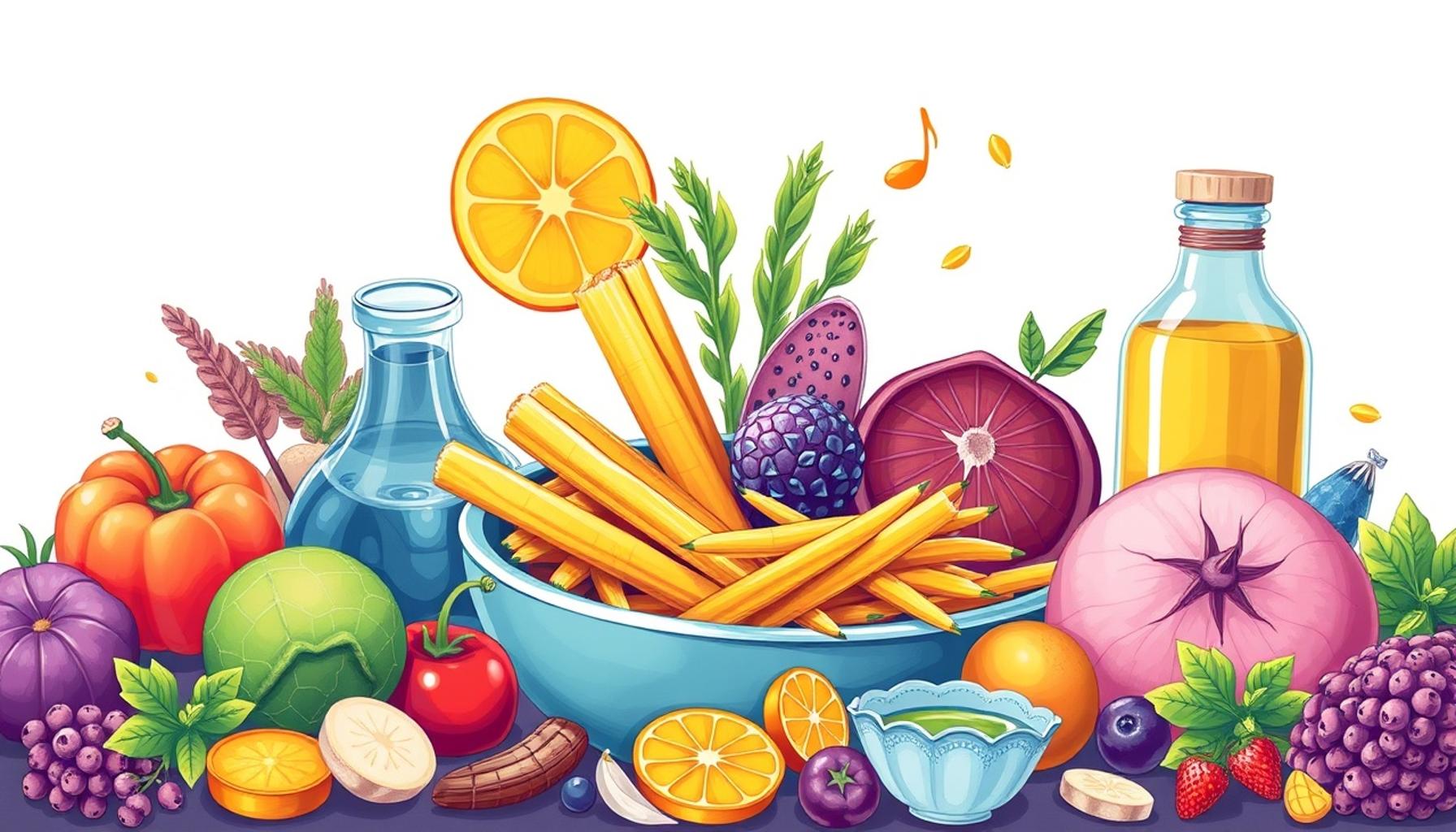
The Role of Hydration in Preventing Aging: Myths and Truths

The Science of Hydration and Aging
Hydration plays a pivotal role not just in maintaining optimal bodily functions, but also in the quest for that youthful glow. Many of us are aware that drinking plenty of water is essential, yet understanding the intricate relationship between hydration and aging requires delving deeper into the science behind it. For instance, skin’s elasticity is highly dependent on adequate moisture levels. As skin loses its natural moisture through aging, various environmental factors, and lifestyle choices, the effects become visible in the form of fine lines and wrinkles. However, how significantly does hydration contribute to reversing these signs of aging?
Factors Influencing Hydration
As we age, several physiological changes can impede our ability to maintain proper hydration. Notably:
- Decreased thirst sensation: Aging often leads to a reduced sensitivity to thirst signals. This can result in older adults inadvertently becoming dehydrated since their bodies may not prompt them to drink enough fluids.
- Increased perspiration: Hormonal changes, particularly in women during menopause, can lead to increased sweating. This means the body loses additional fluid that must be replenished regularly to maintain hydration.
- Dietary habits: Many older individuals may not consume enough fruits and vegetables, naturally high in water content. Poor dietary choices can further contribute to dehydration.
Misinformed Beliefs About Hydration
In exploring the effects of hydration, it’s crucial to separate misconceptions from reality. Common beliefs include:
- Drinking water can erase fine lines and wrinkles: While hydration plumps the skin temporarily and may lead to a more radiant appearance, it is not a magical solution. Genetics and skin care routine also play significant roles.
- All beverages hydrate the body equally: While drinks like herbal tea and sports beverages can aid hydration, caffeinated or alcoholic beverages may have a diuretic effect, leading to increased water loss.
- Once you’re thirsty, it’s already too late to hydrate: Thirst is an indicator that the body is already in a mild state of dehydration. The best approach is to drink water consistently throughout the day to prevent this.
Understanding the ramifications of hydration, both for the skin and general health, is essential, especially as we develop a deeper understanding of our bodies’ needs. Ultimately, the journey to achieving not just a youthful appearance, but vibrant health involves more than merely drinking water before feeling thirsty. By cultivating a proactive approach to hydration, one empowers themselves not only to care for their skin but also to enhance overall well-being as they age gracefully.
DON’T MISS: Click here for essential moisturizing tips
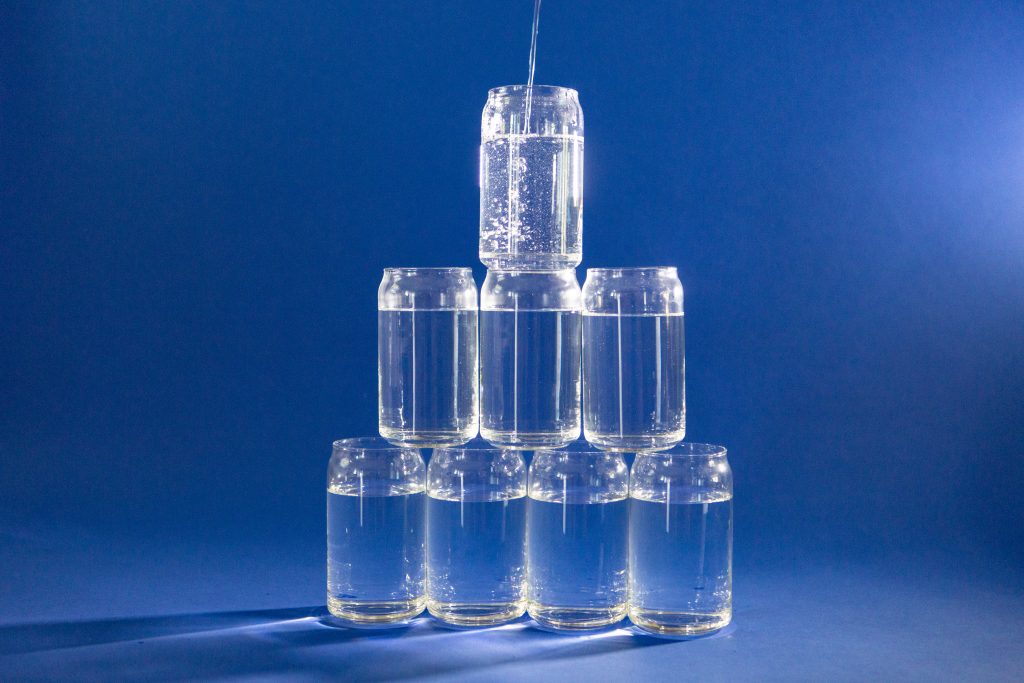
The Importance of Proper Hydration for Skin Health
The quest for skin that defies age often leads individuals to various creams, serums, and treatments, but hydration remains an unsung hero in this journey. The skin, being the body’s largest organ, acts as a barrier against environmental challenges, and keeping it well-hydrated is crucial for its optimal function and appearance. When the body is adequately hydrated, the skin reflects that health through a more supple, plump, and vibrant demeanor.
A study published in the Journal of Clinical and Aesthetic Dermatology highlighted that increased water intake can significantly improve skin hydration, leading to enhanced skin barrier function and elasticity. This research emphasizes that while hydration is not a singular solution to aging, it does play a vital role in how aging manifests on the skin. Conversely, dehydration can exacerbate issues such as dryness, irritation, and even exacerbate visible aging signs.
Hydration: Beyond Just Water
Although drinking water is the most straightforward method to maintain hydration, it’s important to recognize that hydration involves more than simply drinking fluids. Our bodies obtain water from various sources that contribute to total body hydration, including:
- Fruits and Vegetables: Foods such as cucumbers, oranges, and watermelon have high water content and can significantly boost hydration levels.
- Beverages: Herbal teas and fresh vegetable juices can also serve as excellent sources of water intake without the adverse effects of caffeine or alcohol.
- Soups and Broths: Nutrient-dense soups can hydrate while providing essential vitamins and minerals that support skin health.
Moreover, the body tends to lose hydration not just through sweat, but also through breathing and urination. This loss increases with exercise and exposure to heat, particularly during the summer months when people often overlook the need for water. Failure to replenish lost fluids can lead to diminished skin health and elasticity, making it essential to prioritize hydration as an integral part of an anti-aging strategy.
Aging and Skin Hydration: The Bottom Line
Achieving youthful skin is not solely reliant on hydration; however, a well-hydrated state can profoundly influence how our skin ages. Studies have shown that individuals who maintain hydration tend to experience fewer *visible* signs of aging compared to those who do not. A concerted effort to drink adequate amounts of water and adopt a hydrating diet can significantly affect one’s overall appearance and skin vitality.
In summary, while the myths surrounding hydration often oversimplify the relationship between water intake and aging, the truths remain compelling. Understanding the broader aspects of hydration enables us to adopt a more comprehensive approach to skin health, one that includes smart dietary choices alongside diligent hydration practices. As we dive deeper into this topic, it becomes increasingly clear that the fight against visible aging is a multi-faceted endeavor, one where hydration plays a pivotal supporting role.
The Role of Hydration in Preventing Aging: Myths and Truths
As we explore the vital role of hydration in the aging process, it’s important to distinguish fact from fiction. While there are many claims about how drinking water can stave off the visible signs of aging, scientific evidence provides a more nuanced perspective. One prevalent myth is that hydration alone can eliminate wrinkles. While adequate water intake is crucial for skin health, other factors such as genetics, sun exposure, and skin care routines are equally significant in determining skin elasticity and moisture retention.
Research indicates that dehydration can lead to a dull complexion and exacerbate fine lines, emphasizing the need for proper hydration. However, it is not just about drinking water; a well-balanced diet rich in fruits and vegetables can contribute significantly to total body hydration, bringing along essential vitamins and antioxidants that combat oxidative stress.
A common misconception is that all beverages hydrate equally. While water remains the gold standard for hydration, beverages containing caffeine or alcohol can contribute to dehydration. It is essential to be mindful of beverage choices and their effects on the body. Integrating hydrating foods such as cucumbers, oranges, and strawberries can enhance overall hydration, supporting skin vitality and potentially reducing the aging process.
| Category 1 | Category 2 |
|---|---|
| Skin Health | Proper hydration improves skin elasticity and reduces the appearance of fine lines. |
| Cell Function | Water is essential for maintaining cellular processes and delivering nutrients effectively. |
Overall, while hydration is fundamentally important, it is part of a larger puzzle encompassing nutrition, lifestyle choices, and environmental factors that contribute to aging. Being informed and understanding the multifaceted aspects of hydration will empower individuals to adopt holistic practices for better health and longevity.
DIVE DEEPER: Click here to explore the benefits of deep hydration
Hydration and Its Impact on Collagen Production
As we delve deeper into the relationship between hydration and aging, one of the critical components to consider is collagen. Collagen is a protein that provides structure and elasticity to the skin, playing an essential role in maintaining its youthful appearance. As we age, collagen production naturally decreases, but various factors can exacerbate this decline, one of which is insufficient hydration.
A study in the American Journal of Clinical Dermatology indicated that optimal hydration levels are vital for collagen synthesis. Adequate water intake promotes a conducive environment for fibroblasts, the cells responsible for collagen production. This means that by ensuring the body is well-hydrated, individuals may enhance their skin’s structural integrity, thus combating the fine lines and wrinkles that typically accompany aging.
Moreover, hyaluronic acid—often referred to as the body’s natural moisturizer—thrives in a well-hydrated environment. By holding onto water, hyaluronic acid helps maintain skin elasticity and softness. Interestingly, hydration directly influences the levels of hyaluronic acid in the skin; dehydration can lead to a decline in its concentration, further contributing to visible signs of aging. Therefore, promoting hydration can aid in preserving the skin’s plumpness and resilience.
Misconceptions Surrounding Hydration and Aging
One of the most persistent myths about hydration is that drinking excessive amounts of water will miraculously erase signs of aging. While hydration does support skin health, the idea that it can act as a fountain of youth is misleading. The body has a built-in mechanism for regulating water balance, and overconsumption can lead to conditions like hyponatremia, which occurs when sodium levels in the blood become too diluted, potentially causing very serious health issues.
Furthermore, the assumption that all skin types require the same amount of water intake is another misconception. Factors such as age, climate, diet, and overall health play significant roles in determining individual hydration needs. For instance, individuals living in arid climates may need more fluids compared to those in more humid environments. It’s essential to tailor hydration strategies based on personal needs rather than adhering to one-size-fits-all advice.
The Role of Hydration in Preventative Skincare Regimens
Incorporating hydration into a broader skincare routine can serve as a powerful strategy for mitigating the visual signs of aging. Alongside topical products that contain ingredients like glycerin, aloe vera, and natural oils that aid in retaining moisture, drinking sufficient water can amplify the effects of these treatments. The combination of internal and external hydration fosters a synergistic effect, promoting overall skin health and significantly influencing its appearance.
Additionally, an increasing number of skincare brands are now formulating their products to actively enhance skin hydration using advanced technology. Ingredients that mimic the skin’s natural moisturizing factors are gaining traction, revealing the industry’s recognition of hydration’s pivotal role. Understanding these advancements can equip consumers with the knowledge to choose products that genuinely support their hydration needs and, consequently, their quest for youthful skin.
The evidence supporting the importance of hydration in skin health is compelling, but it invites a careful examination of the many layers involved. While it may not be the singular solution to aging, adequate hydration serves as a cornerstone in any effective anti-aging strategy. Through informed choices and holistic practices, individuals can harness the true potential of hydration for maintaining vibrant, youthful skin.
DISCOVER MORE: Click here for tailored skin treatment advice
Conclusion
In summary, the intricate relationship between hydration and aging unveils both myths and truths that merit careful consideration. While adequate hydration is fundamental for maintaining the skin’s elasticity, structural integrity, and overall health, the notion that it serves as an elixir against aging is simplistic. Understanding that hydration supports collagen production and the performance of naturally occurring moisturizing factors like hyaluronic acid is crucial for informed skincare practices.
Moreover, debunking prevalent misconceptions—such as the belief that all individuals have identical hydration needs or that excessive water consumption can reverse aging—empowers consumers to make educated choices. Recognizing personal hydration requirements based on lifestyle factors, climate, and skin type enhances the efficacy of hydration strategies.
With advancements in skincare formulations that bolster moisture retention, individuals can optimize both internal and external hydration to foster a more youthful complexion. Ultimately, hydration should be viewed as a foundational element of a holistic approach to anti-aging rather than a standalone solution. As ongoing research continues to shed light on this essential topic, embracing a balanced and informed hydration regime can indeed contribute to preserving that vibrant glow of youth. Therefore, it invites everyone to explore further and adapt these insights into their own anti-aging journey.
Related posts:
Facial Massage Techniques to Stimulate Circulation and Reduce Signs of Aging
The Relationship between Quality Sleep and Skin Health: How Sleeping Well Contributes to a Youthful ...
The Impact of Diet on Skin Longevity: Anti-Aging Tips from the Inside Out
Nighttime Skincare Routine: Essential Steps for an Anti-Aging Effect
Natural Therapies and Home Remedies to Combat Signs of Aging
The Impact of Stress on Skin Health and Its Implications for Aging

Linda Carter is a writer and beauty expert specializing in skincare routines, cosmetic ingredients, and holistic self-care practices. With extensive experience helping individuals achieve healthy, radiant skin and make informed beauty choices, Linda shares her knowledge on our platform. Her goal is to empower readers with practical advice and science-backed strategies for lasting beauty and skin health.