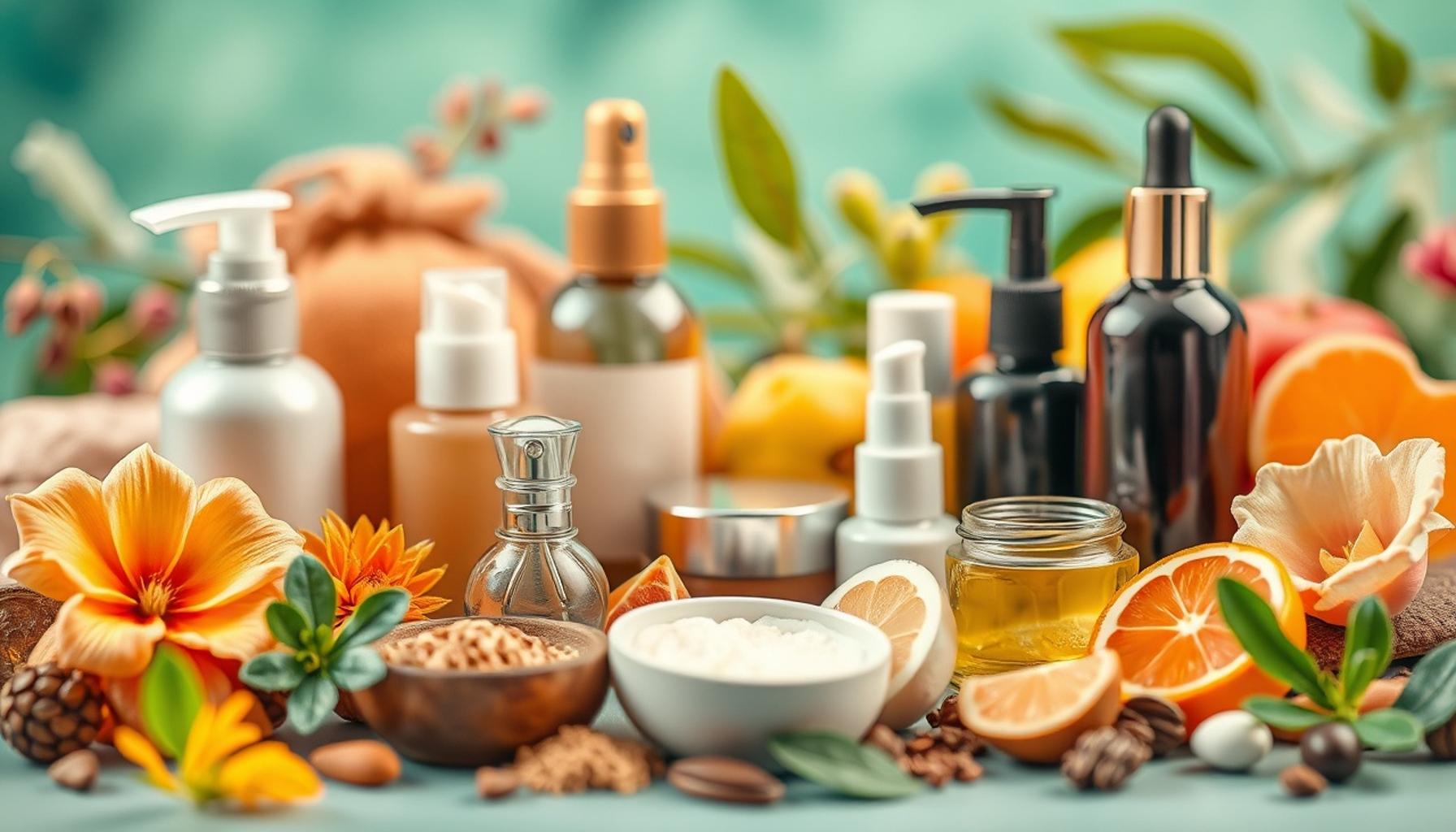
Comparison between Natural and Synthetic Ingredients in Beauty Products

Defining Natural Ingredients
Natural ingredients encompass a wide variety of substances derived from nature, largely seen as the embodiment of pure and untainted beauty formulations. Many consumers are particularly drawn to products boasting plant-based constituents. Aloe vera, known for its cooling and hydrating properties, is a staple in many skincare regimens, especially in sun-soothing gels and moisturizers. Additionally, chamomile extract brings soothing qualities, making it ideal for sensitive skin types or those prone to irritation.
Essential oils stand out not only for their fragrances but also for their therapeutic benefits. For instance, lavender oil is often utilized for its calming properties, capable of alleviating stress and improving sleep, while tea tree oil is revered for its antimicrobial qualities to combat acne. Finally, mineral powders, such as zinc oxide or titanium dioxide, are frequently found in makeup and skincare products, recognized for their ability to provide both coverage and sun protection without clogging pores.
Understanding Synthetic Ingredients
While natural ingredients have a fervent following, synthetic ingredients remain integral to contemporary beauty products. One significant advantage is their consistency. Synthetic compounds, engineered in laboratories, deliver reliable results batch after batch, ensuring that consumers can anticipate the outcome of their beauty routines.
Moreover, synthetic preservatives such as parabens and phenoxyethanol prolong shelf life, safeguarding against bacterial contamination that can threaten product safety. This is particularly critical in humid environments like those often found in the United States, where improperly preserved products may deteriorate quickly.
One cannot overlook the targeted functionalities of synthetic ingredients, which can address specific skin concerns with surgical precision. Ingredients such as hyaluronic acid, a powerful humectant, can retain moisture within the skin, helping to combat dryness and aging. Furthermore, synthetic retinoids are formulated to improve skin texture and diminish signs of aging more effectively than their natural counterparts might.
Broader Implications for Consumers
The implications for skincare enthusiasts in the United States are profound. As the landscape of beauty evolves, consumers face a plethora of choices, often dictated by personal preferences, ethical considerations, and environmental impact. Many brands now focus on transparency, allowing consumers to know exactly what goes into their products.
For instance, some companies commit to sourcing sustainably harvested natural ingredients or developing bio-synthetic alternatives that minimize environmental footprints without sacrificing efficacy. This exploration into effectiveness, safety, and environmental impact fosters an environment where informed decisions are paramount. Understanding the nuances between natural and synthetic formulations enables consumers to align their skincare routines with both their personal values and skincare needs.
DISCOVER MORE: Click here for the latest trends in skin treatments
Comparative Analysis of Natural vs. Synthetic Ingredients
The beauty industry is a battleground for efficacy versus purity, with consumers often left pondering whether to embrace natural ingredients or opt for synthetic formulations. Each category offers distinct advantages and drawbacks that can influence purchasing decisions.
Benefits of Natural Ingredients
Natural beauty products emphasize their roots, often attracting health-conscious consumers who prefer organic and holistic approaches to skincare. The allure of natural ingredients lies in their minimal processing and perceived safety, promising a connection to nature that many find appealing. Here are some benefits associated with natural ingredients:
- Skin Compatibility: Natural ingredients tend to be less irritating for many skin types, especially for sensitive skin. Ingredients like jojoba oil mimic skin’s natural oils, which helps maintain healthy hydration levels without clogging pores.
- Environmental Impact: With an increasing focus on sustainability, many consumers are drawn to products that feature responsibly sourced natural ingredients. Brands that prioritize eco-friendly practices often resonate with ethically-minded consumers.
- Holistic Wellness: The use of natural ingredients often aligns with a broader philosophy of wellness. Ingredients like rosehip oil not only provide skincare benefits but also contain vitamins and antioxidants that support overall health.
Challenges of Natural Ingredients
Despite their many benefits, natural ingredients can also present challenges. Limitations in shelf life, variability in efficacy from one product batch to another, and potential allergens are concerns that consumers should keep in mind. Additionally, the lack of regulatory oversight in labeling natural products can lead to confusion and misrepresentation.
Advantages of Synthetic Ingredients
On the flip side, synthetic ingredients also come with a wealth of advantages that appeal to many consumers.
- Consistency and Reliability: Synthetic ingredients are created through controlled processes, leading to consistency in results. For instance, skincare lines that depend on synthetic formulations can ensure that every jar or bottle delivers the same expected benefits.
- Enhanced Effectiveness: Many synthetic ingredients are designed to target specific skin concerns with scientific precision. Compounds like beta-hydroxy acids (BHAs) and synthetic peptides can deeply penetrate the skin, addressing acne, texture, and fine lines more effectively than many natural alternatives.
- Stability: Synthetic preservatives are often more effective than natural alternatives in prolonging product shelf life, ensuring that items remain potent and safe for consumers over time.
Considerations for Consumers
When navigating the beauty aisle, consumers are faced with the challenge of balancing the benefits of natural versus synthetic ingredients. Factors such as personal values, skin type, and specific skincare needs play crucial roles in determining which category a consumer may gravitate towards. Ultimately, understanding the intricacies and implications of each can pave the way for informed choices, aligning skincare routines with individual goals and ethical considerations.
Comparison between Natural and Synthetic Ingredients in Beauty Products
As consumers become increasingly aware of what goes into their beauty products, the debate about natural versus synthetic ingredients has gained significant traction. This section delves deeper into the benefits and drawbacks of both categories, providing a clearer perspective for beauty enthusiasts seeking the best options for their skincare routines.
Natural ingredients are derived from plants and minerals, often considered safe and beneficial for the skin due to their potential therapeutic properties. For instance, aloe vera, known for its soothing abilities, provides hydration, while essential oils can add fragrance and additional skin benefits without harsh chemicals. Moreover, products with natural ingredients often align with the rising trend of sustainability, as they can be more biodegradable and environmentally friendly.
On the other hand, synthetic ingredients, which are chemically engineered in labs, offer unique advantages as well. They can provide consistency in formulation, ensuring each product works similarly with every batch. Additionally, synthetic products can be engineered to enhance performance. For example, synthetic antioxidants can be more stable and effective than their natural counterparts, delivering longer-lasting results. This is particularly relevant for consumers seeking potent anti-aging solutions where efficacy is paramount.
| Natural Ingredients | Synthetic Ingredients |
|---|---|
| Derived from plant or mineral sources | Engineered in laboratories for specific effects |
| Often perceived as safer and gentler | Can provide more potent and stable formulations |
This juxtaposition highlights a key dilemma that many consumers face: the choice between feeling good about the ingredients used on their skin while also prioritizing effective results. As the beauty industry continues to evolve, staying informed about the composition of beauty products allows consumers to make educated choices that align with their values and skin health goals.
DIVE DEEPER: Click here to uncover the facts about sunscreens
Understanding the Safety and Regulatory Landscape
In the quest for the best beauty products, understanding the safety standards and regulatory frameworks surrounding natural and synthetic ingredients is crucial. The food and drug administrations in various countries, including the United States, have different approaches to governing these categories, which can significantly impact consumer trust and product effectiveness.
Regulatory Frameworks
The U.S. Food and Drug Administration (FDA) does not regulate cosmetics as stringently as pharmaceuticals, which creates a gray area for both natural and synthetic ingredients. While synthetic ingredients must be proven safe for their intended use, the term “natural” lacks a universal regulatory definition, leading to inconsistencies. For instance, a product can advertise itself as “natural” while containing synthetic components, creating confusion for consumers navigating the beauty aisle.
Europe, on the other hand, operates under stricter regulations, such as the EU Cosmetics Regulation, which mandates comprehensive safety assessments for cosmetic products. This means that products marketed in the EU must undergo rigorous testing and approval processes that reassure consumers regarding ingredient safety, regardless of whether they are natural or synthetic.
Consumer Safety and Allergies
Another important aspect of this discussion is the prevalence of allergies and sensitivities to both natural and synthetic ingredients. Reports indicate that ingredients like essential oils, frequently found in natural beauty products, can trigger allergic reactions in sensitive individuals. For example, fragrance components derived from plants may cause skin irritations, while synthetic fragrances are often formulated to be hypoallergenic. The question that arises is which option is the safer choice for those prone to reactions?
Moreover, synthetic ingredients are frequently subjected to extensive allergy testing, which could provide a sense of security for consumers concerned about potential reactions. Brands that manufacture products with synthetic components often utilize this extensive testing to offer guarantees, thereby instilling confidence in their clientele.
Trends and Innovations in Formulation
The beauty landscape is continuously evolving, influenced by ongoing research and consumer preferences. A noticeable trend is the emergence of hybrid products that blend both natural and synthetic ingredients. These formulations aim to leverage the strengths of both categories while mitigating their respective weaknesses. For instance, a moisturizer may contain natural oils for hydration alongside synthetic compounds for stability and efficacy. This blending approach allows brands to cater to both segments of the market.
Additionally, technological advancements in cosmetic formulation are creating a bridge between efficacy and safety. Innovations such as encapsulation technology allow the slow release of active ingredients, enhancing their performance over time while minimizing irritation for sensitive skin. This development opens up new possibilities, making it easier for companies to deliver products that meet diverse consumer needs.
The Role of Transparency and Education
In a market characterized by diverse choices, transparency is becoming increasingly important. Consumers are demanding more clarity about ingredient sourcing, production methods, and potential impacts on health and the environment. Companies that prioritize education about their formulations—whether natural or synthetic—are likely to resonate better with informed consumer bases. Some brands are already taking the initiative by providing detailed ingredient breakdowns, sourcing information, and promoting sustainable practices, allowing consumers to make choices aligned with their values.
In light of these developments, the conversation surrounding natural versus synthetic ingredients in beauty products is far from straightforward. By understanding the complexities behind ingredient safety, regulatory differences, and emerging formulation trends, consumers can make knowledgeable decisions that best fit their skincare needs and ethical considerations.
DISCOVER MORE: Click here to learn about the role of natural ingredients in organic makeup
Conclusion: Navigating the Beauty Ingredient Landscape
As the beauty industry continues to embrace the dynamic relationship between natural and synthetic ingredients, understanding the nuances of each category becomes increasingly vital for consumers. Both types of ingredients offer unique benefits and challenges, creating a complex web for shoppers looking to prioritize safety, efficacy, and ethics in their beauty routines.
The contrasting regulatory environments of the U.S. and Europe highlight the need for greater consumer education regarding ingredient transparency. With the FDA’s lax regulations on cosmetics compared to pharmaceuticals, the term “natural” can be misleading, inviting skepticism. Meanwhile, the rigorous safety testing seen in synthetic formulations offers reassurances that cannot be overlooked, particularly for those with sensitive skin.
The rise of hybrid products exemplifies the innovation within the beauty market—a fusion of the best attributes of both natural and synthetic ingredients provides exciting possibilities for consumers. As technology progresses, so too does the ability to enhance product formulation without compromising safety or environmental responsibility. This shift aligns with increasing consumer demand for transparency, driving brands to educate their audiences about the ingredients they use.
In this intricate landscape, informed choices are paramount. By familiarizing themselves with the benefits and drawbacks of both natural and synthetic ingredients, consumers can make empowered decisions that suit their individual skincare needs and align with their ethical values. As awareness continues to grow, the beauty industry may well evolve into a more transparent and consumer-focused space, enabling individuals to navigate the world of beauty ingredients with confidence.
Related posts:
Homemade Beauty Recipes: How to Create Your Own Skin Care Products Using Natural Ingredients
The Role of Botanical Extracts in Preventing Skin Aging
The Benefits of Natural Oils in Skincare Routine
The Benefits of Natural Ingredients in Skincare Routine
The Benefits of Aloe Vera: How This Natural Ingredient Can Transform Your Skincare Routine
How to Create Your Own Skincare Line Using Natural Ingredients

Linda Carter is a writer and beauty expert specializing in skincare routines, cosmetic ingredients, and holistic self-care practices. With extensive experience helping individuals achieve healthy, radiant skin and make informed beauty choices, Linda shares her knowledge on our platform. Her goal is to empower readers with practical advice and science-backed strategies for lasting beauty and skin health.