How Diet Can Complement Sun Protection: Foods that Help Protect the Skin

Unlocking the Power of Food for Skin Protection
When it comes to skincare, most people think about sunscreen as the primary defense against harmful UV rays. However, a lesser-known hero is waiting to step into the spotlight: your diet. The foods you consume can play a crucial role in enhancing your skin’s natural ability to protect itself. This is especially important in the United States, where environmental factors and lifestyle choices can take a toll on skin health.
Here are some key factors to consider:
- Antioxidants: Foods rich in antioxidants can combat oxidative stress caused by UV exposure. Berries, for example, such as blueberries and strawberries, are packed with antioxidants like vitamin C and polyphenols, which help to neutralize free radicals generated by sun exposure. Similarly, dark leafy greens like kale and spinach are potent sources of carotenoids that help protect the skin from damage.
- Healthy Fats: Omega-3 fatty acids help maintain skin lipid barrier integrity. Foods like salmon, walnuts, and flaxseeds are excellent sources of omega-3s. These healthy fats can help reduce inflammation, keeping skin hydrated and less prone to irritation. For individuals who consume fish less frequently, plant-based options like chia seeds and hemp seeds can serve as viable alternatives.
- Vitamins and Minerals: Nutrients like vitamins C and E boost skin resilience and healing. Citrus fruits, nuts, and bell peppers are rich in vitamin C, promoting collagen synthesis—an essential protein for skin elasticity. Vitamin E, found in almonds and sunflower seeds, aids in protecting skin cells from oxidative stress and supports the skin’s healing processes.
Integrating specific foods into your daily routine can bolster your skin’s defenses. Think about vibrant fruits and vegetables, fatty fish, and nuts. This dietary approach not only nourishes your body but also complements your topical sun protection regime. For example, a colorful salad topped with avocados, nuts, and a variety of vegetables can provide a myriad of skin-loving nutrients while also making for a delicious meal.
Let’s explore which foods can help protect the skin and how they work synergistically with your sun safety practices. With the right nutritional choices, you can enhance your skin’s defenses and enjoy a healthier, more radiant complexion. Don’t underestimate the power of a balanced diet—what you eat profoundly affects how your skin protects itself against environmental aggressors. Research indicates that adopting a diet rich in these protective foods can lead to long-term skin benefits, making it a worthwhile exploration for those looking to enhance their skincare regimen.
DISCOVER MORE: Click here to learn about the surprising effects of mental health on your skin treatments
Empowering Your Skin: Nutrient-Rich Foods for Sun Protection
As we navigate the myriad factors influencing skin health, it’s increasingly clear that what we put on our plates can have profound effects on our skin’s resilience against UV rays. This is particularly relevant for individuals living in sunny states like California and Florida, where sun exposure is a daily reality. Incorporating foods known for their protective properties not only complements your sun protection efforts but also fosters long-term skin health.
In understanding how diet complements sun protection, it’s essential to focus on a variety of nutrient-dense foods that target skin health from the inside out. Here are some notable categories to consider:
- Vitamin-Rich Fruits: Fruits like kiwis, pomegranates, and oranges are high in vitamins such as vitamin C, which plays a critical role in collagen production. Collagen is vital for maintaining skin elasticity and structure. In addition, the antioxidants in these fruits help reduce inflammation induced by sun exposure.
- Colorful Vegetables: Vegetables are not only packed with vitamins but also with phytonutrients. Carrots and sweet potatoes, loaded with beta-carotene, can convert to vitamin A in the body, promoting healthy skin regeneration and protection against UV damage.
- Herbs and Spices: Adding herbs and anti-inflammatory spices like turmeric and ginger can enhance skin health as well. Curcumin, the active compound in turmeric, has demonstrated photoprotective properties, which can help minimize sunburn and skin sensitivity.
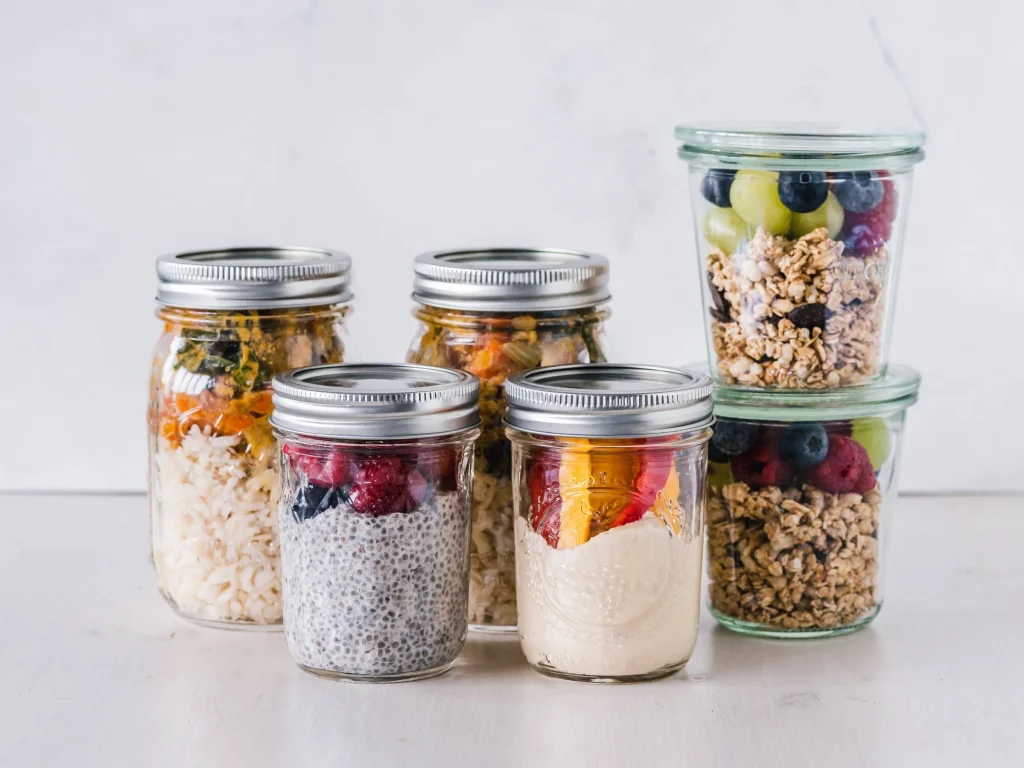
The combination of these foods creates a synergistic effect that strengthens the skin from the inside out. As such, you may want to prioritize a diet that includes a rainbow of fruits and vegetables, ensuring that you get a maximum array of nutrients aimed at protecting your skin. For an effortless way to achieve this, consider meal prepping colorful smoothies or salads filled with various ingredients that are both delicious and beneficial for skin health.
Ultimately, enhancing your diet with skin-loving foods is a proactive step in your sun protection routine. Incorporating these dietary choices not only fortifies your skin’s defenses but also enhances overall health and wellbeing. By prioritizing knowledge of the foods that work in harmony with sunscreen, you set the foundation for a radiant complexion protected against the sun’s harsh effects.
In the coming sections, we will delve deeper into specific foods and their unique benefits, as well as practical ways to incorporate them into your daily meals. Understanding the synergistic relationship between diet and sun protection will empower you to make informed choices that support both your skin and your lifestyle.
How Diet Can Complement Sun Protection: Foods that Help Protect the Skin
In recent years, the understanding of how diet influences skin health has gained traction, leading many to explore how specific foods can enhance sun protection. Antioxidant-rich foods are particularly noteworthy, as they combat the damaging effects of free radicals generated by UV exposure. These powerful compounds not only help fortify the skin’s defenses but may also mitigate the risk of certain skin cancers, making them essential additions to your daily meals.
Some key players in this category include vibrant fruits and vegetables. For instance, tomatoes, rich in lycopene, can provide a natural defense against UV radiation and have been shown to improve the skin’s natural SPF. Similarly, berries such as blueberries and strawberries are packed with vitamins and antioxidants that promote cell repair and regeneration.
Moreover, incorporating healthy fats into your diet can significantly enhance skin protection. Foods rich in omega-3 fatty acids, such as salmon, walnuts, and flaxseeds, help maintain skin integrity and hydration, creating a barrier against UV damage. Staying hydrated is essential, too; radiant skin is often a sign of adequate water intake, so don’t forget about the importance of fluids!
By understanding the vital role that nutritional choices play alongside topical sun protection, we can create a holistic approach to skincare. Enhancing your diet not only boosts your skin’s resilience but also contributes to overall health, making it a multi-faceted approach worth exploring.
| Food Category | Health Benefits |
|---|---|
| Fruits | Rich in antioxidants like vitamin C and phytonutrients that help protect the skin from UV damage. |
| Omega-3 Fatty Acids | Promote skin hydration and barrier function, essential for maintaining a resilient skin surface. |
These dietary insights offer just a glimpse into the connection between your plate and your skin health. By curating a nutrient-dense diet that supports sun protection, you can enjoy a dual benefit of not only looking good but also feeling great!
DIVE DEEPER: Click here to uncover the truths about hydration and aging
Enhancing Skin Resilience: The Role of Omega-3 Fatty Acids and Polyphenols
A well-rounded approach to sun protection involves not only adopting a diet rich in vitamins and antioxidants but also including specific fatty acids and compounds that further bolster skin resilience. Among these, omega-3 fatty acids and polyphenols stand out for their skin-protective properties.
Omega-3 Fatty Acids are essential fats that are not naturally produced by the body, making it vital to incorporate them into your diet. Found conveniently in fatty fish such as salmon, mackerel, and sardines, these nutrients have been associated with a wealth of skin benefits. They help maintain the skin’s lipid barrier, which is crucial for retaining moisture and keeping the skin supple. Studies also indicate that omega-3 fatty acids can help reduce inflammation in the skin, providing a buffer against UV radiation. For those who are not fond of fish, flaxseeds, chia seeds, and walite oil offer excellent plant-based alternatives to ensure sufficient intake.
Polyphenols are a diverse group of micronutrients found in various plant-based foods, known for their antioxidant qualities. Foods such as berries, dark chocolate, and green tea are incredibly rich in polyphenols, and their consumption has been linked to better skin protection against UV-induced damage. For example, research suggests that green tea extract, specifically its catechins, can enhance the skin’s defenses against sun exposure while promoting quicker recovery post-sun damage. Sipping on brewed green tea or incorporating it into smoothies can be an easy and delicious way to boost your intake.
Moreover, incorporating tomatoes into your diet proves beneficial as well. This humble fruit contains high levels of lycopene, a powerful antioxidant that can enhance your skin’s defense system. Research has shown that regular consumption of lycopene-rich foods can improve the skin’s natural UV protection, reducing the likelihood of sunburn. This means adding tomato-based dishes like marinara, or even enjoying fresh tomato salads during the summer months could effectively work alongside your sunscreen.
Additionally, fermented foods such as yogurt and kimchi can promote gut health, which in turn influences skin health. A balanced microbiome has been linked to improved inflammation response and overall skin clarity. The connection between gut health and skin condition is underscored by the emerging field of nutraceuticals that explores dietary components for skin care.
For optimal results, consider pairing these sun-protective foods with your daily routine. By focusing on a diverse range of nutrient-dense foods, you can not only protect your skin from the damage of UV rays but also enhance its natural beauty. The key is to maintain consistency and integrate these foods into your meals seamlessly. Experimenting with different recipes allows you to explore a wealth of flavors while fortifying your skin from within.
DISCOVER MORE: Click here to learn about the wonders of aloe vera
Conclusion: Nourishing Your Skin from Within
Incorporating the right foods into your diet can play a vital role in augmenting sun protection and nurturing your skin’s health. While traditional methods like sunscreen are essential for shielding the skin from harmful UV rays, a well-rounded diet rich in antioxidants, omega-3 fatty acids, and polyphenols can create an internal defense system against sun damage. Foods like fatty fish, berries, and green tea not only offer protective benefits but also significantly contribute to overall skin resilience.
Moreover, enhancing your diet with lycopene-rich tomatoes and fermented foods can promote better hydration and boost your skin’s ability to recover from exposure to sunlight. By embracing these nutrient-dense choices, you’re taking proactive steps toward healthier, more radiant skin. The combination of holistic skin care practices and dietary modifications can help to improve your skin’s health in the long run.
As you venture into the world of skin-nourishing foods, consider experimenting with different recipes that incorporate these beneficial ingredients. By doing so, you can transform your meals into powerful allies against the sun’s harsh effects while enjoying a plethora of flavors. Ultimately, a conscious approach to diet not only complements your sun protection strategies but also elevates your long-term skin wellness, ensuring you enjoy the beautiful summer days ahead with confidence.
Related posts:
Impact of Sun Protection on Skin Health: Benefits Beyond Beauty
Sun Protection and Skin Aging: Myths and Truths
Sunscreen for Sensitive Skin: Options and Tips to Avoid Irritations and Allergies
The Importance of Sunscreen Factor: How to Choose the Ideal Product for Your Skin Type
The Evolution of Sunscreens: Innovations and Trends in the Beauty Market
The Additional Benefits of Sunscreen: Protection Against Pollution and Environmental Damage

Linda Carter is a writer and beauty expert specializing in skincare routines, cosmetic ingredients, and holistic self-care practices. With extensive experience helping individuals achieve healthy, radiant skin and make informed beauty choices, Linda shares her knowledge on our platform. Her goal is to empower readers with practical advice and science-backed strategies for lasting beauty and skin health.