Molecular Cuisine: Exploring Innovative Techniques to Impress on the Plate
Understanding Molecular Cuisine
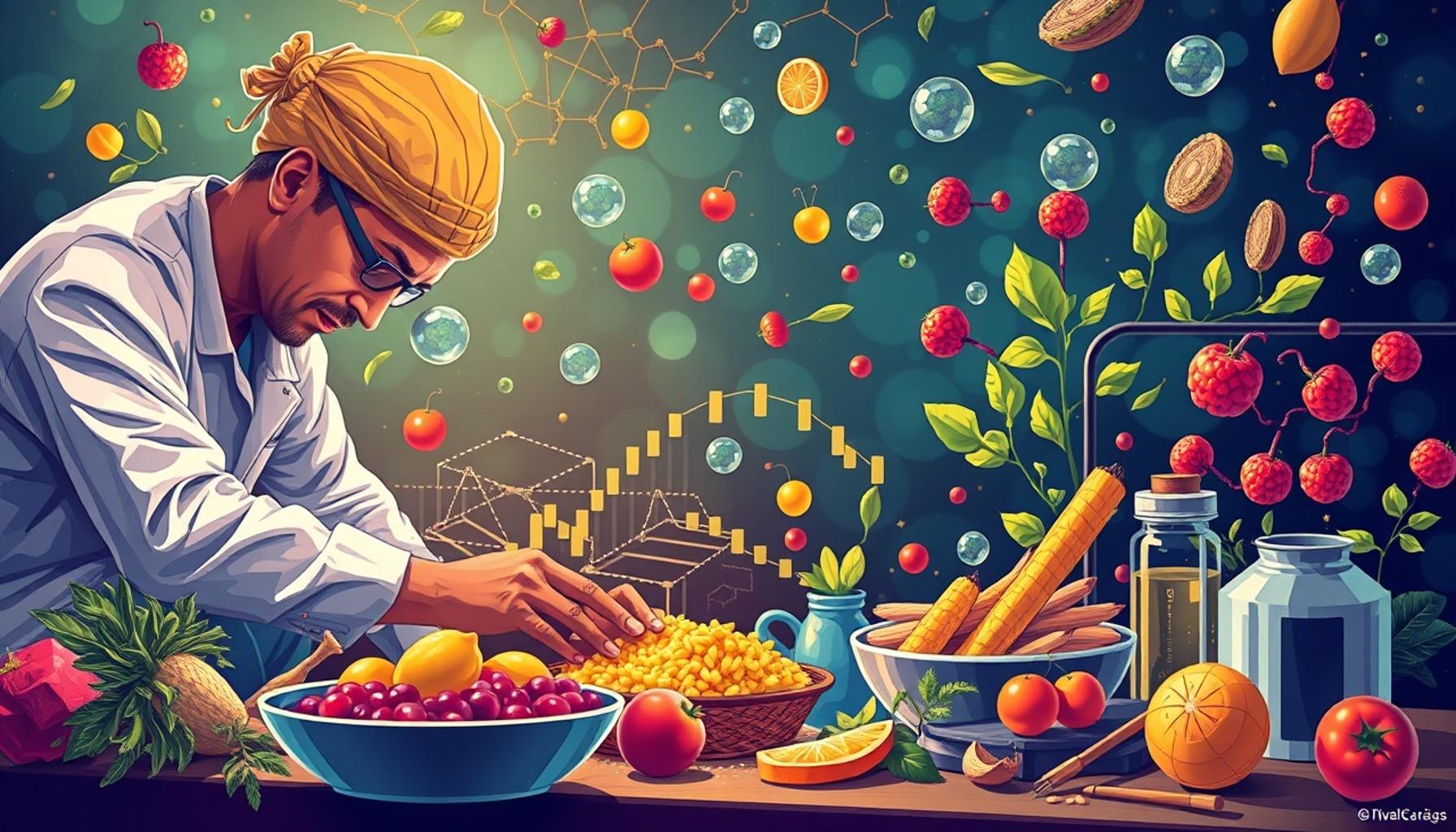
At the forefront of culinary innovation, molecular cuisine is not merely a trend but a profound shift in how chefs approach the art of cooking. By integrating principles from scientific disciplines such as chemistry and physics, this avant-garde culinary movement transforms ordinary meals into extraordinary dining experiences. The result? Dishes that not only tantalize the palate but also engage the eyes and imagination.
One of the most compelling aspects of molecular cuisine is its emphasis on spherification. This technique allows chefs to create gel-like spheres filled with flavorful liquids that burst in the mouth, delivering an explosion of taste. For instance, a popular application of spherification is in cocktails, where fruit juices or spirits are encapsulated in delicate spheres that enhance both the drink’s presentation and its flavor profile. An iconic example might be the olive oil caviar served in modernist restaurants, providing a unique culinary twist that surprises diners.
Foaming is another hallmark of this culinary style. By using specialized tools, chefs create light and airy foams that intensify the flavors of sauces or purees. Imagine a velvety seafood bisque topped with a light foam of garlic or herb essence, adding an unexpected texture and a burst of flavor without overwhelming the dish. This technique not only elevates taste but adds a visual flair that captivates the diner.
Deconstruction takes a different approach, allowing chefs to break down traditional meals into their basic components. This process invites culinary creativity, enabling chefs to present familiar flavors in unexpected ways. A classic example is deconstructed Caesar salad, where each ingredient—romaine lettuce, anchovies, croutons, and dressing—is presented separately but harmoniously on the plate, inviting the diner to combine flavors with each bite.
Another vital technique is emulsification, where disparate elements like oil and vinegar are combined into a stable mixture that enhances sauces and dressings. For example, a chef might create a vibrant herb emulsion that perfectly complements grilled vegetables, delivering a burst of flavor that ties the dish together seamlessly.
Across the United States, from bustling cities like New York and San Francisco to smaller culinary hubs, chefs are embracing these techniques to innovate and redefine classic dishes. Culinary schools are increasingly incorporating molecular gastronomy into their curricula, arming the next generation of chefs with skills that can push the boundaries of traditional cuisine.
As we continue to explore the realm of molecular cuisine, we begin to understand its potential to not only transform individual meals but also challenge our entire perception of dining as an art form. This intriguing blend of science and gastronomy opens the door to remarkable culinary adventures that promise to excite and surprise, leaving a lasting impression on all who are fortunate enough to partake in this magical experience.
DIVE DEEPER: Click here to uncover the magic of music storytelling
The Key Techniques of Molecular Cuisine
Molecular cuisine isn’t just about flashy presentations and trendy techniques; it’s a culinary revolution that reshapes the way flavors and textures marry on the plate. Chefs employing these innovative methods push the boundaries of traditional cooking, allowing flavor to take center stage while celebrating the essence of the ingredients. Here, we delve into several key techniques that define this groundbreaking art form.
Spherification: The Art of Flavorful Orbs
Spherification is undoubtedly one of the most popular techniques in molecular gastronomy. It involves using a gelling agent, typically sodium alginate and calcium chloride, to encapsulate liquids, creating spheres that burst with flavor when bitten into. A quintessential example is the use of spherification in modern cocktail culture, where everything from fruit juices to savory broths can be transformed into delightful orbs. Would you imagine your favorite mojito presented in vibrant green spheres that pop with minty freshness? Not only does this enhance the visual appeal, but it also introduces an interactive element to dining that engages the senses.
Foaming: Elevating the Simplest Ingredients
Another hallmark of molecular cuisine is foaming, a technique that allows chefs to create ethereal and flavorful foams using emulsifiers. This labor-intensive process transforms purees or juices into airy layers that elevate the dining experience. Picture a rich butternut squash soup topped with a spiced foam, introducing a lightness while amplifying the flavor of the dish. This technique can be adapted for a variety of ingredients, from savory garnishes to sweet accentuations, showcasing a playful artistry that captivates the diner’s palate.
Deconstruction: A New Perspective on Classic Dishes
Deconstructing recipes is an exciting way to reinterpret established classic dishes, breaking them down into their fundamental elements. A deconstructed dish invites guests to engage with their food uniquely by presenting each component separately. For example, a deconstructed lasagna could involve layers of pasta, cheese, and sauce arranged artfully on the plate rather than baked together, allowing diners to experience familiar flavors in a remarkable new form. This approach not only surprises and delights the guests but also encourages them to interact with their food proactively.
Emulsification: The Harmony of Contrasting Flavors
Emulsification is the process of mixing two or more ingredients that typically don’t combine, such as oil and vinegar. Through the use of tools like immersion blenders or siphons, chefs create stable emulsions that enhance the flavor and texture of sauces. For instance, a vibrant beet emulsion can serve as a striking backdrop for roasted meats, bridging flavors while adding visual contrast that demands attention. This technique exemplifies the seamless integration of taste and aesthetics in molecular cuisine.
Why Molecular Cuisine Matters
- Innovation: It represents a frontier of culinary creativity, pushing chefs to explore new possibilities that challenge conventional techniques.
- Education: Numerous culinary schools across the U.S. now offer courses in molecular gastronomy, teaching future chefs the science behind these innovative methods.
- Experience: Molecular cuisine enhances the dining experience, transforming meals into culinary adventures that engage multiple senses.
As these innovative techniques continue to gain popularity within the culinary scene, they not only impress diners but also spark curiosity and discussion about the potential of food as an art form. Each bite invites a new discovery, promising an experience that goes beyond taste alone and elevates food to a level of artistic expression. With molecular cuisine, the plate becomes a canvas, and the chef, an artist capable of turning imagination into reality.
| Technique | Advantage |
|---|---|
| Spherification | Creates edible spheres that burst with flavor, enhancing the sensory experience. |
| Foaming | Introduces innovative flavors while adding a light texture to dishes, providing visual appeal. |
| Sous-vide | Ensures precise cooking temperatures for optimal texture, resulting in succulent and flavorful meals. |
| Gelification | Transforms liquids into gels, allowing chefs to shape flavors and create visually stunning plates. |
Molecular cuisine is revolutionizing the culinary world with its innovative techniques that not only surprise the palate but also engage the senses in unprecedented ways. One particularly fascinating technique is spherification, where liquids are encapsulated into spheres that burst in your mouth, exploding with flavor. This technique enhances the experience of tasting, as each bite can deliver a concentrated essence, captivating food enthusiasts.Foaming, another exciting aspect of molecular cuisine, utilizes emulsifiers to create airy textures that simultaneously introduce rich flavor notes. This approach makes even simple dishes visually stunning while adding an element of surprise that intrigues diners. Furthermore, sous-vide allows chefs to achieve precise temperatures in cooking, maintaining the integrity of ingredients and resulting in exceptionally tender and flavorful dishes.Gelification goes hand in hand with creativity, allowing chefs to turn liquids into gels, sculpting flavors into art that pleases both the eye and the palate. As these techniques become more mainstream, the culinary landscape is rapidly evolving, offering endless possibilities for chefs and creates an unforgettable dining experience. As we dive deeper into Molecular Cuisine, further exploration of these avant-garde methods is indeed warranted. These techniques are not just trends; they signify a transformation in how we think about cooking and presentation.
DISCOVER MORE: Click here to dive into various musical genres
Textural Play: The Role of Innovative Techniques in Molecular Cuisine
Molecular cuisine is not only about flavors but also about how those flavors are presented through unique textures. By manipulating textures, chefs can create dishes that not only taste amazing but also offer an entirely new sensory experience. This aspect of molecular gastronomy leads us to explore techniques such as hydrocolloids, gelification, and even liquid nitrogen, which all contribute to an exciting culinary playground.
Hydrocolloids: The Building Blocks of Texture
Hydrocolloids, substances that form gels or thicken liquids, play a pivotal role in the realm of molecular gastronomy. These ingredients allow chefs to manipulate the texture of food with surprising results. For instance, xanthan gum can be used to thicken sauces without altering the flavor profile. On the other hand, agar-agar allows for the creation of plant-based gels, which can be used in various desserts or savory presentations. Imagine a miso soup where one can experience both the warm liquid and a cube of chilled gel infused with a burst of umami. This juxtaposition of temperatures and textures mesmerizes diners, as they navigate the complex landscapes that chefs create on the plate.
Gelification: From Liquid to Solid
Gelification is a process significantly utilized in molecular cuisine to transform liquids into uniquely shaped gels, taking inspiration from traditional jellies and aspics. By using gelling agents like agar-agar or gelatin, chefs can serve cocktails as jelly shots or create fruit-based desserts that retain their original flavors while presenting surprising new forms. Consider a dessert that features a gelified raspberry coulis placed elegantly atop a sponge cake, allowing the diner to appreciate the tart freshness with every bite. This technique elegantly merges science with culinary tradition, breathing new life into forgotten methods of food preparation.
Liquid Nitrogen: Instant Freezing for Unforgettable Textures
Perhaps one of the most visually thrilling techniques in molecular cuisine is the use of liquid nitrogen. This method allows chefs to freeze foods almost instantly, creating textures that would be otherwise impossible to achieve. Liquid nitrogen can create incredibly smooth ice creams or even freeze fruits for a crunchy, frosty topping on desserts. Picturing a banana split where sliced bananas are flash-frozen and served with a warm, decadent fudge sauce showcases the duality of temperature perfectly. Furthermore, using liquid nitrogen in the kitchen encourages an element of performance, captivating diners as they watch the temperatures transform their meal.
The Science Behind the Techniques
Underlying the aesthetic appeal of molecular cuisine is a wealth of scientific understanding and experimentation that drives each technique. Chefs are increasingly collaborating with food scientists to refine their methods, ensuring the safety and efficacy of their culinary explorations. The science behind boiling points, freezing points, and emulsification not only enhances taste but also broadens the chef’s toolkit, allowing them to innovatively express their culinary vision. The integration of science into cuisine transforms cooking into an art form grounded in experimentation and precise execution, fostering creativity in ways traditional techniques cannot.
Global Influences and Trends
- Culinary Collaborations: Chefs across the globe are sharing knowledge and techniques related to molecular gastronomy, leading to a rich exchange of ideas that inspire new trends in the kitchen.
- Health Consciousness: Molecular cuisine is making headway in health-focused culinary spaces, where techniques like spherification and gelification are being utilized to create low-calorie alternatives without sacrificing taste or presentation.
- Accessibility: As interest in this style of cooking grows, many seasoned chefs are hosting workshops and classes, making molecular gastronomy more accessible to enthusiastic home cooks.
The excitement surrounding molecular cuisine continues to burgeon, with its innovative techniques providing endless opportunities to create memorable dining experiences. Chefs venture into uncharted territory, employing science to redefine what we know about food, forging connections between taste, texture, and presentation in ways that leave diners eager for more.
DIVE DEEPER: Click here to discover the impact of community music
The Future of Culinary Innovation in Molecular Cuisine
As we conclude our exploration into the fascinating world of molecular cuisine, it’s evident that this avant-garde culinary movement is pushing the boundaries of traditional cooking. With an emphasis on innovative techniques such as hydrocolloids, gelification, and the use of liquid nitrogen, chefs are no longer limited to conventional methods of food preparation. Instead, they are creating a mesmerizing canvas that stimulates the senses in entirely new ways.
At the heart of molecular gastronomy lies a deep connection between science and art. This relationship enables chefs to craft not just meals, but memorable experiences that engage diners at multiple sensory levels through unique textures, flavors, and presentations. The continual evolution of this cuisine encourages chefs to think outside the box, drawing inspiration from global influences, emerging health trends, and cross-cultural collaborations.
As culinary enthusiasts, whether we are seasoned chefs or passionate home cooks, embracing the principles of molecular cuisine opens a world of possibilities. With growing accessibility via workshops and resources, the potential for creative exploration is practically limitless. For those adventurous enough to delve into this modern gastronomic frontier, the rewards promise to not only impress on the plate but also to ignite a deeper appreciation for the complexities of food.
In conclusion, as molecular cuisine captivates diners around the United States and beyond, it calls us all to engage with our food on a profound level, revisiting its very essence through innovative techniques and unexpected combinations. The journey into molecular gastronomy is far from over, and its evolving nature continues to inspire chefs and diners alike to explore, taste, and savor the world like never before.
Related posts:
Culinary and Culture: How History and Tradition Influence Our Favorite Recipes
Homemade Fermentation: The Process of Making Bread and Other Fermented Foods
Seasonal Kitchen: Preparing Delicious Dishes with Local and Seasonal Ingredients
International Cuisine: Exploring Flavors of the World at Home
Sweet Creativity: Pastry Techniques for Beginners
The Art of Presentation: Transforming Dishes into Works of Art

Beatriz Johnson is a seasoned skincare specialist and writer with a passion for simplifying the complexities of beauty science and skincare routines. With over a decade of experience in the aesthetics industry, she specializes in topics like ingredient efficacy, anti-aging strategies, and global beauty trends. Through her work, Beatriz empowers readers to make informed skincare choices and stay ahead in the ever-evolving world of beauty and wellness.