
Myths and Truths About Sunscreens: Demystifying What You Need to Know

Understanding Sunscreens: Debunking Common Myths
When we think of enjoying the outdoors, many of us instinctively reach for a bottle of sunscreen, believing it to be our ultimate shield against the sun’s harmful rays. However, the landscape of sunscreen safety is far more complex than one might assume. Numerous myths and misconceptions can cloud our understanding, leading to potentially hazardous outcomes. By grasping the real facts about sunscreens, we can better protect ourselves from UV damage.
Let’s delve into some of the most prevalent myths surrounding sunscreens:
- “All sunscreens are the same.” This is a common misconception, as sunscreen products can differ significantly in their formulation. For example, chemical sunscreens absorb UV radiation and convert it into heat, while physical (or mineral) sunscreens, like those containing zinc oxide or titanium dioxide, act as a barrier that reflects UV rays away from the skin. Additionally, the Sun Protection Factor (SPF) rating varies by product, indicating different levels of protection.
- “You only need sunscreen on sunny days.” Many people believe that sunscreen is unnecessary unless the sun is shining brightly. However, this is misleading. The sun’s ultraviolet rays can penetrate through clouds, and up to 80% of UV rays can still reach your skin on overcast days. This means that applying sunscreen should be a daily practice, regardless of the weather conditions.
- “Higher SPF means better protection.” While it might seem intuitive that higher SPF offers greater protection, the reality is nuanced. For instance, SPF 30 blocks about 97% of UVB rays, while SPF 50 blocks approximately 98%. The marginal increase does not always justify the added level of chemical exposure and may lead to a false sense of security, causing individuals to stay in the sun longer without reapplying.
To navigate through these mixed messages surrounding sunscreen use, consider the following recommendations:
- Look for broad-spectrum protection. This ensures that you’re protected against both UVA (which can prematurely age the skin) and UVB (which primarily causes sunburn) rays. Look for labels that specify ‘broad-spectrum’ to get comprehensive protection.
- Choose a sunscreen suitable for your skin type. With countless options available, understanding your skin type is essential. If you have oily skin, opt for a lightweight, non-comedogenic formula, while those with dry skin may benefit from a moisturizing sunscreen. For sensitive skin types, mineral sunscreens tend to be gentler, reducing the risk of irritation.
- Reapply regularly. Regardless of the sunscreen’s water resistance, it’s crucial to reapply every two hours, and even more frequently after swimming or sweating. This is a vital step to maintain consistent protection throughout your sun exposure activities.
This exploration into the truths behind sunscreen usage highlights significant considerations that can impact skin health. By educating ourselves and making informed choices about sunscreen application, we can create protective habits that allow us to enjoy the outdoors safely. Armed with accurate information, you are now better equipped to shield your skin against UV damage effectively, ensuring a safer sun experience.
DISCOVER MORE: Click here to learn how to identify your skin type
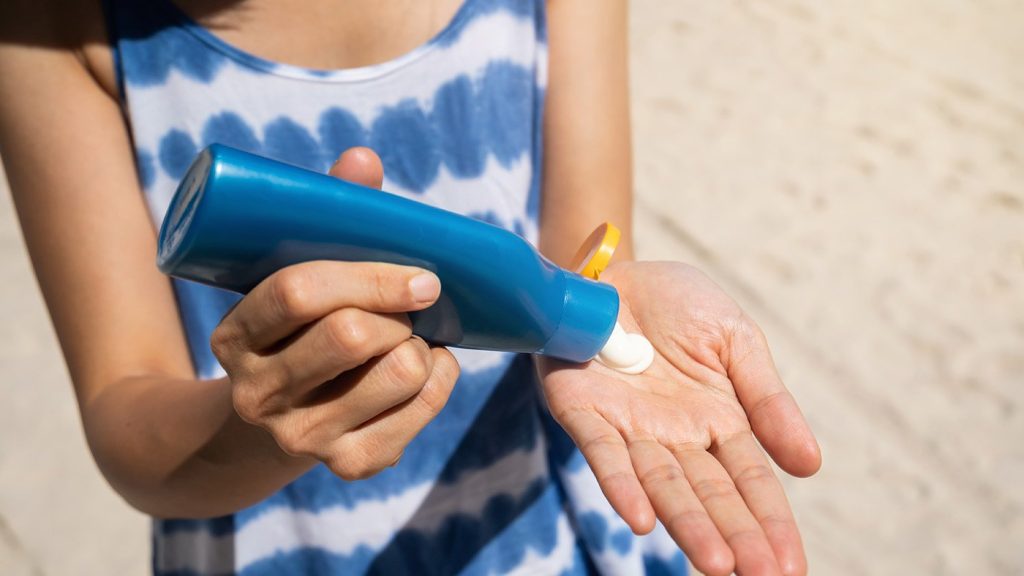
The Importance of Sunscreen: Separating Fact from Fiction
As summer approaches and outdoor activities beckon, the conversation surrounding sunscreens becomes increasingly relevant. For many, the ritual of slathering sunscreen on before a day in the sun is almost second nature. Yet, underlying this practice are various myths that can lead to confusion and inadequate protection against harmful UV exposure. Understanding the truths about sunscreen not only enhances your skin’s health but also empowers you with knowledge to make informed decisions.
To navigate this realm effectively, it’s essential to equip ourselves with key facts about sunscreens:
- “Water-resistant does not mean waterproof.” Many consumers rush to purchase ‘water-resistant’ sunscreens, thinking they will provide unyielding protection during swimming or sweating. The U.S. Food and Drug Administration (FDA) clarifies that water-resistant sunscreens only maintain their stated SPF for a limited time—typically either 40 or 80 minutes in water. This emphasizes the importance of reapplication after swimming or intense activities to maintain skin safety.
- “Sunscreens can expire.” It may surprise some to know that sunscreens have a finite shelf life. Most formulations remain effective for three years, although this can vary based on specific ingredients and storage conditions. To ensure optimal protection, check the expiration date on the bottle, and replace products that have surpassed their usable life, as expired sunscreens may not provide sufficient UV protection.
- “You need more sunscreen than you think.” A common mistake is under-applying sunscreen, with studies suggesting that the average American uses only about half the recommended amount. The general guideline recommends at least one ounce (the size of a shot glass) to cover the entire body. For the face alone, use about a nickel-sized dollop for adequate coverage, ensuring all exposed areas are generously coated.
In light of these insights, it’s clear that the nuances of sunscreen use merit attention. The following considerations can help reinforce sun safety:
- Check ingredient labels. Understanding the active ingredients in your sunscreen is crucial. Some chemical filters, like oxybenzone, have raised environmental concerns and potential health issues. Opting for mineral-based options can mitigate such worries, while balancing efficacy and safety.
- Pay attention to your lifestyle. If you engage in outdoor sports or water activities, select a sunscreen that fits these needs more specifically, such as one labeled for sport or swim. This intention behind your choice promotes better skin health during prolonged exposure.
- Combine sunscreen with additional protections. Sunscreen should be part of a comprehensive sun protection strategy that includes seeking shade, wearing protective clothing, and donning wide-brimmed hats. This multi-faceted approach not only amplifies your shield against harmful rays but also enhances overall sun safety.
By dispelling prevalent myths and understanding the truths about sunscreen usage, individuals can safeguard themselves effectively against the detrimental effects of sun exposure. The necessity for awareness in sunscreen selection and application cannot be overstated, as every small choice contributes to the long-term health of your skin. With knowledge at your fingertips, you can confidently embrace the sun—while still prioritizing your skin’s protection.
Myths and Truths About Sunscreens: Demystifying What You Need to Know
As we dive deeper into the fascinating world of sunscreens, it’s critical to understand the common misconceptions that pervade our conversations about sun protection. One prevalent myth is the belief that SPF is the only measure of a sunscreen’s effectiveness. In reality, while SPF does indicate the level of UVB protection, it doesn’t provide a complete picture. A sunscreen’s broad-spectrum protection against both UVB and UVA rays is equally important. UVA rays can penetrate the skin deeply and contribute to premature aging and skin cancer.
Another widely held belief is that sunscreens are only necessary on sunny days. However, the truth is that UV rays can not only penetrate clouds but can also reflect off surfaces like water, snow, and sand. This means that even on overcast days, your skin can still be vulnerable to damaging rays. Regular application of a broad-spectrum sunscreen is essential year-round, regardless of the weather conditions.
Adding to the confusion, many people think that a higher SPF means they can apply it less frequently. Contrary to this belief, even the highest SPF should be reapplied every two hours, especially after swimming or sweating. This regular reapplication is crucial for maintaining effective protection against harmful sun exposure.
With so many myths surrounding sunscreens, identifying truths can be overwhelming. Educating ourselves about the ingredients in sunscreens is equally as important. Some individuals may assume that all sunscreens are harmful due to their chemical compositions. However, mineral sunscreens containing zinc oxide or titanium dioxide offer a safe alternative that reflects UV rays rather than absorbing them, making them suitable for sensitive skin types.
| Myth/Truth | Explanation |
|---|---|
| SPF Is the Only Important Factor | SPF only measures UVB protection; broad-spectrum is essential for complete protection. |
| Sunscreen Isn’t Needed on Cloudy Days | UV rays can penetrate clouds and reflect off surfaces, so protection is necessary year-round. |
| Higher SPF Allows for Less Frequent Application | Regardless of SPF, sunscreen should be reapplied every two hours for effectiveness. |
| All Sunscreens Are Harmful | Mineral sunscreens are safe and effective alternatives for sensitive skin. |
Exploring the intricacies of sunscreen efficacy equips us with the knowledge needed to protect our skin effectively and debunks the numerous myths that can deter us from safeguarding against harmful UV exposure.
DISCOVER MORE: Click here to learn about the connection between skin treatments and self-esteem
Understanding SPF: What You Really Need to Know
The term SPF (Sun Protection Factor) often dominates discussions surrounding sunscreens, but many are unaware of its true implications and limitations. SPF indicates the level of protection against UVB rays, which are primarily responsible for sunburn and can contribute to skin cancer. For instance, an SPF of 30 theoretically blocks about 97% of UVB rays, while SPF 50 blocks approximately 98%. This incremental difference, however, can lead many to believe that higher SPF ratings render them invincible to sun damage.
However, it’s crucial to note that no sunscreen can offer 100% protection. Misapplication and inadequate amounts are significant contributors to this phenomenon. Studies indicate that individuals tend to rely too heavily on high SPF numbers, often leading to extended sun exposure without proper reapplication. The FDA advises reapplying sunscreen every two hours, or immediately after swimming or sweating, regardless of the SPF indicated. This practice is essential for maintaining effective sun protection throughout the day.
The Importance of Broad-Spectrum Protection
Another prevalent misconception is that sunscreens shield only against UVB rays. Broad-spectrum sunscreens are crucial, as they provide protection against both UVA and UVB rays. UVA rays can penetrate the skin more deeply, leading to premature aging and increasing the risk of skin cancer. Recognizing this, many dermatologists recommend choosing products that specify “broad-spectrum” protection on their labels to ensure comprehensive defense against harmful solar radiation.
Choosing the Right Sunscreen for Your Skin Type
Another layer to consider involves choosing the right sunscreen formulation based on individual skin types. For example, individuals with oily or acne-prone skin may benefit from gels or non-comedogenic lotions that won’t clog pores. On the other hand, those with dry skin may find nourishing creams with added moisturizers to be more beneficial. Acknowledging personal skin needs ensures that sun protection doesn’t compromise the skin’s overall appearance and health.
- Understand the difference between mineral and chemical sunscreens. Mineral sunscreens contain zinc oxide or titanium dioxide, acting as barriers by reflecting UV rays. Meanwhile, chemical sunscreens absorb UV rays and may include active ingredients like avobenzone or octisalate. Both types have their pros and cons; thus, selecting one based on personal preference, skin sensitivity, and lifestyle factors is essential.
- Consider sunscreen application methods. Not everyone realizes that sunscreen can come in various formulations, including sprays, creams, and sticks. Each type offers unique advantages and specific application experiences, so it’s important to find a method that will encourage regular use, particularly among children or those who dislike the greasy feel of traditional lotions.
Additionally, various new technologies are emerging within the sunscreen industry, including spray-on and stick sunscreens that offer convenience for on-the-go application. Despite advancements, research shows that consumer education remains paramount; without it, even the best product may fail to offer adequate protection. As science continues to evolve, so should our understanding and practices surrounding sunscreen use. Delving into these details allows for better individual choices that maximize skin health and sun protection in today’s sun-filled world.
DISCOVER MORE: Click here to uncover the benefits of aloe vera
Conclusion: Illuminating Sunscreen Realities
In a world brimming with sunlight and outdoor activities, understanding the myths and truths surrounding sunscreens is more essential than ever. The knowledge of SPF ratings, broad-spectrum protection, and the significance of personalized formulations empowers consumers to make informed decisions for their skin health. As we’ve explored, it’s crucial to remember that higher SPF does not equate to indefinite safety from sun damage; diligent application and reapplication remain the cornerstone of effective sun protection.
Furthermore, choosing a broad-spectrum sunscreen is non-negotiable for comprehensive defense against both UVA and UVB rays, each playing a distinct role in skin health. Emphasizing different formulations based on skin type ensures that protection is not only effective but also compatible with individual needs. Whether one opts for mineral versus chemical sunscreens or specific application methods, understanding these choices can lead to enhanced compliance and greater protection.
As consumers, continuous education is vital in navigating the evolving landscape of sun care products. Emerging innovations such as spray-on or stick sunscreens provide exciting options for those seeking convenience while ensuring they do not compromise on protection. Overall, when armed with the right information, we can demystify sun safety, reduce the risk of skin damage, and take proactive steps towards healthier skin. Embrace the power of knowledge and make sun protection a priority in your daily routine, because when it comes to skincare, there’s no substitute for being well-informed.
Related posts:
The Additional Benefits of Sunscreen: Protection Against Pollution and Environmental Damage
Impact of Sun Protection on Skin Health: Benefits Beyond Beauty
Innovation in Sun Protection: New Technologies and Ingredients in the Beauty Market
Sunscreen and Makeup: Tips for Incorporating Sun Protection into Your Beauty Routine
Sunscreen in Different Climates: How to Adapt Your Beauty Routine for Humid and Dry Environments
The Importance of Sunscreen Factor: How to Choose the Right Product for Your Skin

Linda Carter is a writer and beauty expert specializing in skincare routines, cosmetic ingredients, and holistic self-care practices. With extensive experience helping individuals achieve healthy, radiant skin and make informed beauty choices, Linda shares her knowledge on our platform. Her goal is to empower readers with practical advice and science-backed strategies for lasting beauty and skin health.