
Natural vs. Synthetic Ingredients: What Really Works for Skin Hydration?

Maintaining skin hydration can mean the difference between a dull, lackluster complexion and a radiant, healthy glow. With the vast array of products available, consumers often grapple with a fundamental question: should they opt for natural ingredients or synthetic formulations? Understanding the strengths and weaknesses of both categories can guide skincare enthusiasts toward the most effective choice for their skin type and concerns.
The Appeal of Natural Ingredients
Natural ingredients, which include compounds derived from plants, minerals, and other organic sources, are widely favored for several compelling attributes. For instance:
- Biocompatibility: These ingredients generally work in harmony with the skin’s natural processes. For example, ingredients like aloe vera and shea butter not only moisturize the skin but also help soothe irritation and inflammation due to their anti-inflammatory properties.
- Antioxidant Properties: Natural constituents such as green tea extract and vitamin E protect the skin from environmental damage caused by free radicals. Such protection is critical, especially in urban areas across the United States, where pollution levels can compromise skin health.
- Minimal Processing: Many consumers prefer products that contain organic ingredients, as they signal lower environmental impact. Products made from natural sources often appeal to a growing demographic that prioritizes sustainability in their purchasing decisions.
The Role of Synthetic Ingredients
On the other hand, synthetic ingredients have carved out a substantial niche within the skincare industry. They offer unique advantages that can greatly benefit consumers. Consider the following:
- Stability: Synthetic compounds often boast a longer shelf life, making them a practical choice for products that require a longer duration before use. This stability can help minimize waste for consumers who may not use products rapidly.
- Efficacy: Certain synthetic ingredients, such as hyaluronic acid, can penetrate deeply into the skin, providing rapid hydration and plumping effects. This immediate impact is appealing for those looking for quick results before an event or special occasion.
- Customization: Formulators can create highly targeted products with synthetic ingredients, tailoring them to meet specific skin needs, such as anti-aging or blemish control. This level of customization is particularly beneficial in addressing diverse skin concerns.
As hydration continues to be a top priority for many, understanding the distinctions between natural and synthetic ingredients is essential. Researching and experimenting with products can help consumers discover what genuinely enhances their skin’s appearance and health, fostering a skincare routine that aligns with their values and desired outcomes. The ongoing debate between natural and synthetic formulations invites deeper exploration into their complexities, encouraging individuals to critically assess what works best for their unique skin needs.
DISCOVER MORE: Click here to learn about the benefits of tropical fruits in beauty
The Benefits of Natural Ingredients
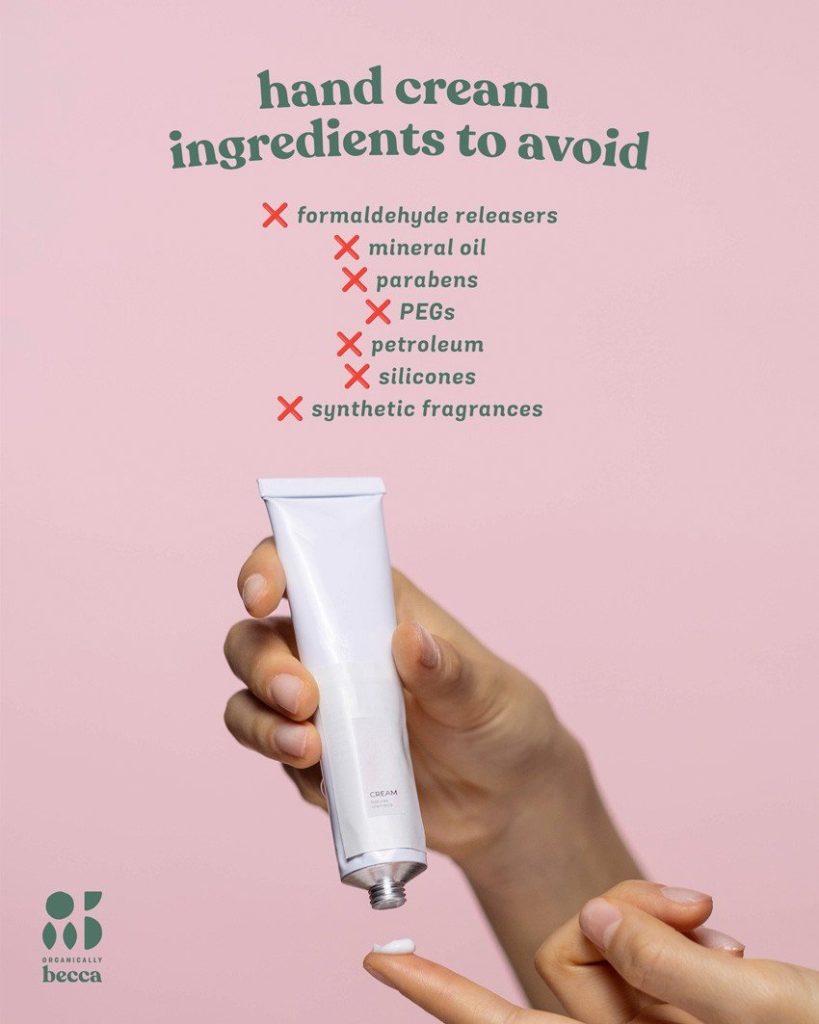
In the realm of skincare, the allure of natural ingredients is undeniable. Many consumers are drawn to these products not only for their perceived gentleness on the skin but also for the connection to earth and sustainability they embody. Natural ingredients are frequently celebrated for several key benefits:
- Biocompatibility: Ingredients such as jojoba oil and coconut oil are known to closely resemble the natural oils produced by the skin, facilitating easy absorption and enhancing hydration levels. This compatibility often leads to fewer allergic reactions, making them suitable for sensitive skin.
- Rich Nutrient Profile: Many natural ingredients are packed with vitamins and minerals. Consider aloe vera, a popular natural hydrating agent, which is highly prized for its soothing properties attributed to vitamins A, C, and E. These nutrients not only hydrate but also contribute to overall skin vitality, helping combat signs of aging.
- Minimal Processing: Products with organic ingredients tend to carry the perception of being purer and more eco-friendly. The lower processing levels often mean fewer additives and artificial compounds, appealing to consumers concerned about the environmental impact of their beauty routines.
The popularity of natural products is further fueled by growing trends in sustainability and clean beauty. According to a report by Statista, the organic skincare segment is expected to reach nearly $1.5 billion in revenue in the United States alone by 2025, reflecting widespread consumer interest in products that are both effective and environmentally conscious.
The Power of Synthetic Ingredients
On the flip side, synthetic ingredients have proven essential in pushing the boundaries of skincare innovation. Formulated in laboratories, these creations often carry a stigma of being unnatural. However, the benefits they offer should not be overlooked:
- Efficacy and Precision: Synthetic compounds can provide targeted action, such as hyaluronic acid, which is renowned for its ability to hold up to 1,000 times its weight in water. This unique property allows it to deliver intense hydration efficiently, making it a favorite among cosmetic chemists.
- Stability and Extended Shelf Life: Products containing synthetic ingredients often have a longer shelf life due to their stability, ensuring consumers can enjoy their products without the worry of spoilage. This is particularly beneficial for anyone who may not use products regularly.
- Research and Development: The ability to create bespoke formulations means that synthetic ingredients can cater to a diverse range of skin concerns, from acne to rosacea. The skincare industry is rife with innovations, allowing consumers to benefit from data-driven formulations.
In an ever-evolving market, understanding how both natural and synthetic ingredients work is crucial in making informed decisions. As hydration remains a key component of skincare, exploring the attributes of each can lead to a more personalized and effective regimen. The distinction between natural and synthetic ingredients can significantly influence not only product choice but also the overall health and appearance of the skin.
Exploring the Efficacy of Natural Ingredients
When it comes to skin hydration, natural ingredients have garnered significant interest due to their perceived gentleness and compatibility with the skin. Ingredients like aloe vera, coconut oil, and hyaluronic acid derived from plants contain essential vitamins and fatty acids. These components not only provide hydration but also offer additional benefits such as anti-inflammatory properties and rich antioxidants. For example, aloe vera is renowned for its soothing capabilities, making it ideal for sensitive skin types.Moreover, natural hydrating agents often come loaded with phytonutrients that support overall skin health. Studies suggest that using products rich in natural ingredients can promote collagen production, which is crucial for maintaining skin elasticity and youthfulness. However, navigating through these products can be tricky, as not all natural ingredients are created equal in efficacy or concentration.
Decoding Synthetic Ingredients
On the other hand, synthetic ingredients have a reputation for offering potent and effective hydration, often with faster absorption rates than their natural counterparts. Formulations containing glycerin or propylene glycol attract water molecules to the skin, providing immediate hydration. The synthetic compounds are meticulously engineered to amplify their moisture-retaining properties, ensuring that even the driest skin feels supple and revitalized.Furthermore, many synthetic ingredients undergo rigorous testing for safety and performance, giving consumers assurance about their skincare choices. This means that individuals seeking targeted solutions—such as anti-aging or intense moisturization—may find synthetic ingredients like urea or dimethicone particularly beneficial. However, it is crucial to monitor for any reactions, as synthetic formulations may contain irritants for certain skin types.
Choosing the Right Ingredients for Your Skin Type
Ultimately, the choice between natural and synthetic ingredients for skin hydration should stem from personal preferences and specific skin concerns. Those with sensitive or reactive skin might lean towards gentler, natural formulations, while individuals looking for a potent moisture boost may prefer the scientifically formulated synthetic products. Being well-informed about the ingredients used in skincare products can lead to better decisions tailored to individual skin needs.In the next section, we will delve deeper into a side-by-side comparison of the hydration effects provided by these ingredients, helping you make an educated choice for your skincare regimen.
| Category | Advantages |
|---|---|
| Natural Ingredients | Rich in vitamins and antioxidants; typically gentle on the skin. |
| Synthetic Ingredients | Engineered for potent hydration and rapid absorption. |
DISCOVER MORE: Click here to learn how botanical extracts can combat skin aging
Understanding the Interplay of Natural and Synthetic Ingredients
The debate between natural and synthetic ingredients in skincare is not just a matter of preference; it’s also about understanding their synergistic potential. More often than not, the most effective products on the market blend both natural and synthetic elements, harnessing the best of both worlds. This combined approach can lead to enhanced hydration and overall skin health.
For instance, consider the trend of moisture-binding complexes in skincare formulations. Products featuring both natural humectants like glycerin—which draws moisture from the environment—and synthetic hydrators such as panthenol can offer a multi-layered defense against dryness. The combination not only attracts and retains moisture but also reinforces the skin’s barrier function, further locking in hydration.
- Layered Benefits: When natural ingredients like sheer butter or avocado oil are combined with cutting-edge synthetic compounds, they can improve texture and absorption. For example, a cream might include natural oils to nourish and soothe, while incorporating synthetic emulsifiers for a smooth application.
- Versatility in Formulations: Custom formulations utilizing both ingredient types can address a variety of skin issues. For example, a product formulated for dehydrated skin might contain naturally derived oils for moisture, along with synthetic peptides that promote collagen production, optimizing the anti-aging effects.
It’s also noteworthy that consumer education is playing a critical role in how skincare products are formulated. As awareness of ingredient efficacy grows, brands are increasingly transparent about their ingredient sources, fostering trust and loyalty among consumers. Formulators are now emphasizing the importance of clinical studies to back their claims, regardless of whether the ingredients are natural or synthetic.
The emerging trend is reflected in the rising popularity of hybrid skincare products, which marry the sensibilities of clean beauty advocates with the advances of cosmetic science. A key example is the rise of biotechnology in skincare, which focuses on developing synthetic alternatives that mimic the properties of natural ingredients. Fermented ingredients, for instance, are gaining traction for their ability to enhance absorption and bioavailability of nutrients, bridging the gap between synthetic efficiency and natural goodness.
Moreover, the styling of products has evolved, allowing consumers to easily identify formulations that suit their individual skin needs. The rise of personalized skincare, facilitated by technology and data analytics, means that individuals can now choose products crafted with both natural and synthetic ingredients tailored to their unique hydration requirements. Some brands even offer custom blending services where consumers can create bespoke skincare regimes seamlessly integrating both ingredient types.
With the U.S. skincare market projected to soar, with an estimated value of $136 billion by 2025, understanding the advantages of both natural and synthetic ingredients will likely empower consumers to make healthier choices. The journey into the heart of hydration illustrates that while the ingredients may differ—whether derived from nature or synthesized in a lab—the ultimate goal remains the same: achieving hydrated, healthy skin.
DISCOVER MORE: Click here to learn the secrets of nighttime hydration
Conclusion: The Future of Skin Hydration Lies in Synergy
The discussion around natural versus synthetic ingredients in skincare is evolving with a dynamic understanding of how these components interact. As the beauty industry continues to innovate, it becomes increasingly clear that the most effective hydration strategies often stem from the harmonious blend of both ingredient types. Each category brings unique strengths; natural ingredients offer nourishment and a rich heritage of traditional use, while synthetic ingredients provide precision, stability, and advanced technology.
The rise of hybrid skincare products demonstrates a shifting paradigm towards synergy, where the benefits of natural and synthetic ingredients coexist and enhance each other. This trend not only fosters a deeper level of personalization but also empowers consumers to make informed choices about their skincare. As more people seek products tailored to their individual hydration needs, brands that embrace transparency and scientific validation will likely hold the competitive edge in the burgeoning market.
Given the projected growth of the U.S. skincare market, now valued at an astonishing $136 billion, the emphasis on ingredient efficacy will only intensify. Consumer awareness will continue to shape the landscape of formulation, encouraging innovative solutions that meet the demand for both effective hydration and conscious consumerism.
As we stride forward, it becomes evident that both natural and synthetic ingredients have roles to play in achieving optimal skin health. The key lies in understanding that hydration is not a one-size-fits-all solution; it’s a tailored approach that should consider individual skin types, concerns, and preferences. By embracing this duality, consumers can unlock the full potential of their skincare routines, ultimately leading to vibrant and healthy skin.
Related posts:
How Lifestyle and Stress Affect Skin Hydration Needs
The Benefits of Moisturizers with Hyaluronic Acid: How to Enhance Skin Hydration
Hydration and Skin Health: The Connection Between Nutrition and Beauty
Trends in Moisturizers: The Future of Hydration in the Beauty Industry
The Benefits of Deep Hydration: How and When to Apply
Natural vs. Synthetic Ingredients in Moisturizers: What Really Works?

Linda Carter is a writer and beauty expert specializing in skincare routines, cosmetic ingredients, and holistic self-care practices. With extensive experience helping individuals achieve healthy, radiant skin and make informed beauty choices, Linda shares her knowledge on our platform. Her goal is to empower readers with practical advice and science-backed strategies for lasting beauty and skin health.