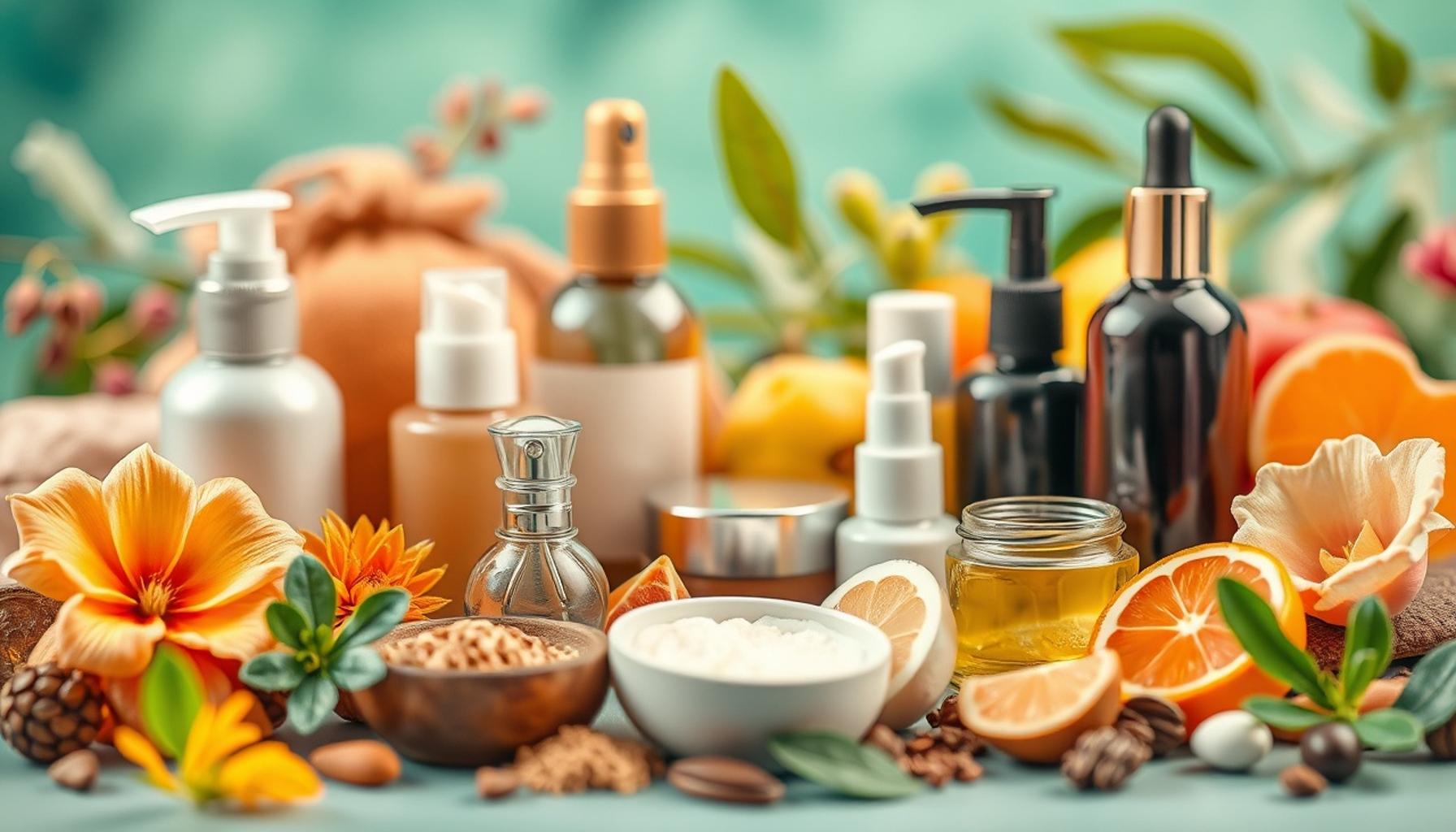
Natural vs. Synthetic Ingredients: What Really Works for Your Skin?
The Battle for Your Skin: A Closer Look at Ingredients
In a crowded beauty market filled with products that tout miraculous transformations, the choice between natural and synthetic ingredients can feel daunting. With every brand presenting its own narrative, it becomes crucial to decipher the real differences and benefits of each ingredient type. This understanding not only empowers consumers but also informs them about what their unique skin needs.
Natural Ingredients: Harnessing Nature’s Power
Natural ingredients are sourced directly from the earth, often derived from plants, minerals, and other organic sources. Common examples include jojoba oil, known for its moisturizing properties, and Aloe Vera, celebrated for its soothing and healing effects, particularly on sunburn. Ingredients like shea butter and coconut oil have become staples in various formulations due to their emollient qualities. Many consumers gravitate towards these products, believing them to be gentler and safer, especially for sensitive skin.
Synthetic Ingredients: Designed for Precision
On the flip side, synthetic ingredients are artificially created in labs to achieve specific results. For instance, hyaluronic acid, a powerful moisturizer, is often synthetically produced to ensure stability and consistency in formulations. These substances can also mimic natural ingredients, making them a fascinating aspect of modern skincare. Proponents argue that synthetic products can deliver more consistent results and are often better backed by scientific research. Ingredients like retinol and peptides fall into this category, recognized for their anti-aging properties and ability to stimulate collagen production.
Finding the Balance: Key Considerations
Despite the heated debates surrounding these ingredient categories, the question arises: which is better for your skin? Understanding individual skin types and personal concerns is pivotal. For example, someone with oily or acne-prone skin may benefit from products containing salicylic acid, a synthetic ingredient known for reducing breakouts. Conversely, those with dry or sensitive skin might find relief in a natural oil or extract that nourishes without causing irritation.
Additionally, the environmental impact plays a significant role in consumer decision-making today. Shoppers are increasingly conscious of the sourcing of natural ingredients and the sustainability practices of manufacturers. For example, products that utilize sustainably sourced argan oil may appeal to eco-minded consumers, while others might prefer the reliability of synthetic formulations which can be produced with less environmental variability.
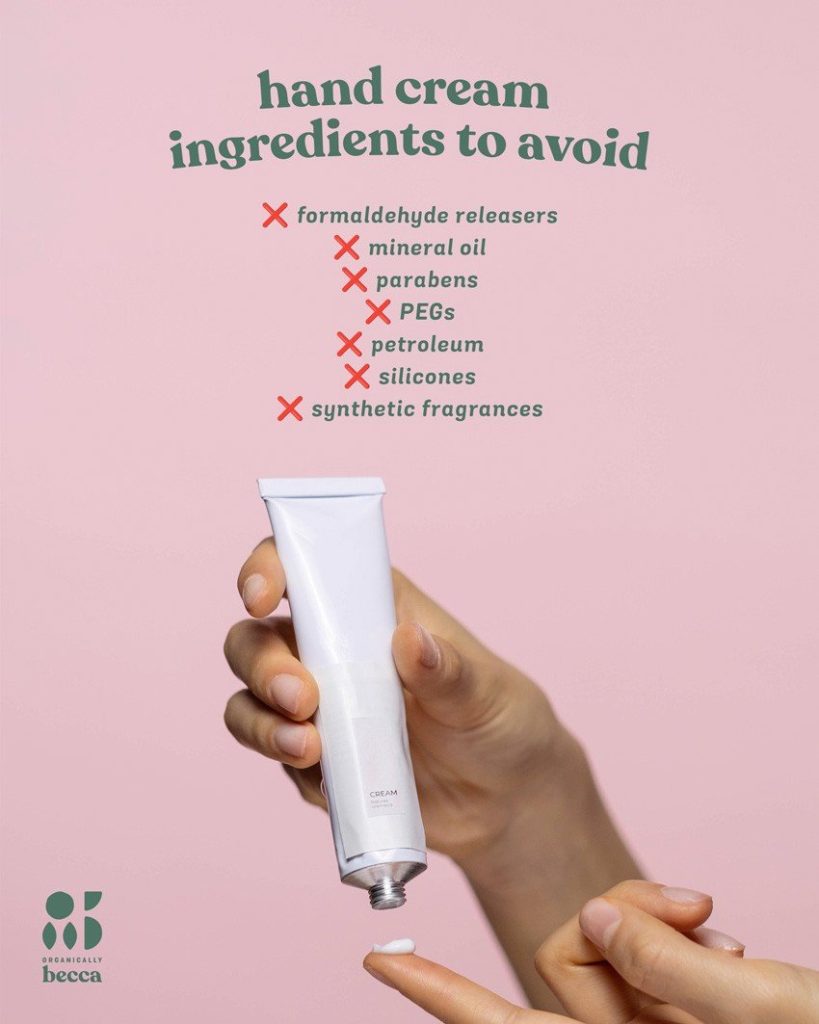
As research continues to elevate our understanding of skin health, the conversation around natural versus synthetic ingredients remains dynamic. By digging deeper into what works for your skin, you can make informed choices that not only suit your needs but also reflect your values. Empower yourself with knowledge, and unlock the secrets to truly effective skincare.
DISCOVER MORE: Click here for the secret to glowing skin
Navigating the Landscape of Ingredients
Understanding the distinction between natural and synthetic ingredients in skincare goes beyond mere labels. Each category has unique attributes, potential benefits, and even drawbacks that impact how they interact with our skin. By delving deeper into each type, consumers can make choices that align with their personal skincare goals and preferences.
The Allure of Natural Ingredients
Natural ingredients have gained immense popularity, especially in recent years, as consumers increasingly seek products that feel organic and healthy. The appeal lies in the perception that nature holds the answers to skincare woes. Many skincare aficionados champion natural ingredients for their gentle and nourishing properties. However, what exactly are the benefits of these ingredients? Here are some widely revered natural components:
- Jojoba oil: Mimics the skin’s natural sebum, making it a fantastic moisturizer without clogging pores.
- Aloe Vera: Renowned for its healing and soothing qualities, particularly beneficial for irritated or sunburned skin.
- Shea Butter: Packed with vitamins and fatty acids, it’s known for intense moisturization and is often used to treat dry skin.
- Coconut Oil: Celebrated for its antimicrobial properties and as an effective moisturizer that can help maintain a healthy skin barrier.
Despite these benefits, it’s essential to acknowledge that not all natural ingredients are suitable for everyone. Some individuals may find that certain plant extracts provoke allergic reactions or irritate the skin, highlighting the importance of patch testing before fully committing to a new product. Furthermore, natural formulations can sometimes lack stability, possibly resulting in shorter shelf lives and reduced efficacy over time.
Decoding Synthetic Ingredients
In contrast, synthetic ingredients offer a different narrative in the skincare realm. Created through scientific processes, these compounds are designed to target specific skin concerns with precision. For instance, hyaluronic acid is a synthetic powerhouse that retains moisture, plumping the skin and making it a favorite in anti-aging products. Other notable synthetic ingredients include:
- Retinol: A derivative of vitamin A known for its effective anti-aging properties and ability to enhance cell turnover.
- Peptides: Short chains of amino acids that can stimulate collagen production and improve skin elasticity.
- Salicylic Acid: A beta hydroxy acid that works wonders for oily and acne-prone skin by exfoliating and clearing pores.
Advocates of synthetic ingredients point to their consistency and reliability, often backed by rigorous scientific testing. However, concerns about long-term safety and potential for irritation are common. With this in mind, consumers are encouraged to research and scrutinize ingredient lists, seeking formulations that combine effective concentrations with stability.
Making Informed Choices
The decision between natural and synthetic skincare ingredients should ultimately depend on an individual’s unique skin type and personal values. It is advisable for consumers to familiarize themselves with how different ingredients interact with their skin. By marrying knowledge with experience, individuals can navigate the complex skincare landscape and find formulations that genuinely work for them.
| Category | Details |
|---|---|
| Natural Ingredients | Often derived from plants, these ingredients are celebrated for their minimal side effects and eco-friendliness. They are rich in vitamins and antioxidants. |
| Synthetic Ingredients | Manufactured to enhance shelf life and stability, these ingredients can provide targeted benefits and often have proven efficacy supported by scientific research. |
| Safety & Efficacy | While natural ingredients offer gentleness, synthetic alternatives often hold clinical backing that can yield faster results for specific skin concerns. |
| Consumer Preferences | The demand for natural skincare is on the rise due to growing environmental awareness, while synthetic solutions continue to appeal with their scientific advancements. |
In the ongoing debate of natural versus synthetic ingredients for skin care, it is essential to analyze the properties and sourcing of these components. Natural ingredients are often seen as safer, though some may lack the rigorous testing that synthetic options have undergone. On the other hand, synthetic components can target specific skin issues more effectively due to their tailored design. Each category bears its own benefits, making it imperative for consumers to consider their personal skin type, preferences, and any potential allergies when choosing products, as what works for one individual may not yield the same results for another. As awareness of ingredients grows, educating oneself becomes vital in making informed choices in the beauty industry.
LEARN MORE: Click here to dive deeper
The Science Behind Ingredient Efficacy
To fully appreciate the debate over natural versus synthetic ingredients, it’s essential to delve into the science that underpins their efficacy. Each type presents different mechanisms of action, which influence how they work with or against our skin’s biology.
Natural Ingredients: The Biochemical Perspective
Natural ingredients often contain a multitude of compounds, some of which may be beneficial, while others could cause adverse reactions. For example, essential oils, while popular for their fragrance and therapeutic properties, contain volatile compounds that could lead to irritation, especially for sensitive skin types. This paradox highlights the necessity of understanding the source and extraction method of natural ingredients, as potency can vary widely.
Interestingly, some studies suggest that the whole plant extract may provide more benefits compared to isolated compounds. For instance, certain flavonoids in green tea can work synergistically to enhance antioxidant effects, making them more effective than isolated catechins alone. However, without standardized extraction methods, potency can fluctuate, leading to potential efficacy concerns.
Understanding Synthetic Formulations
On the other side of the spectrum, synthetic ingredients are often lauded for their predictability and targeted performance. Because they can be engineered at a molecular level, these ingredients can be formulated for enhanced stability, ensuring they remain effective even after extensive shelf time. For instance, the creation of encapsulated retinol means that users can reap the benefits without suffering from irritation that commonly accompanies traditional retinol products.
Moreover, synthetic ingredients like peptides can be designed to communicate directly with skin cells, promoting processes such as collagen production with precision. This targeted approach not only improves results but also minimizes the risk of negative reactions associated with broader natural formulations.
Regulatory Landscape and Consumer Awareness
Another critical aspect to consider is the regulatory landscape surrounding skincare ingredients in the United States. The FDA does not require pre-market approval of cosmetic products, whether containing natural or synthetic ingredients. However, manufacturers must ensure that their products are safe for use. With the growing popularity of *clean beauty movements*, there is a heightened awareness about what goes into skincare products. Terms like “non-toxic” or “free from” convey a sense of safety but can sometimes be misleading and lack scientific backing.
Consumer awareness plays a significant role in how products are perceived. Platforms like social media frequently glamorize natural ingredients, showcasing them as the pinnacle of skincare. Yet, the lack of regulatory oversight in labeling can create confusion, as the differentiation between actually effective natural ingredients and those simply marketed for their “green” credentials becomes murky.
The Future of Skincare Ingredients
As technology advances, the line between natural and synthetic may blur even further. Biotechnology, for instance, is pushing the envelope, allowing for the creation of bio-identical ingredients that mimic those found in nature but with improved efficacy and stability. This trend signifies an exciting future where consumers may benefit from the best of both worlds—crafted contributions from nature augmented with scientific innovation.
Ultimately, the quest for the right skincare solution should be an informed journey, leaning on scientific understanding while also recognizing individual skin compatibility. A comprehensive knowledge of how both natural and synthetic ingredients function is indispensable for making well-rounded decisions tailored to one’s skin health and wellness.
DISCOVER MORE: Click here to learn how lifestyle impacts your skin
Conclusion: Navigating the Skincare Ingredient Landscape
In the ever-evolving realm of skincare, the debate between natural and synthetic ingredients presents both opportunities and challenges for consumers. The efficacy of each ingredient type ultimately lies in its science, application, and suitability for individual skin concerns. While natural ingredients often boast a rich history and a range of bioactive compounds that may offer synergistic benefits, they are not without their risks and variability in potency. On the other hand, synthetic ingredients provide a level of consistency and precision that can be crucial for targeted treatments, especially for those who may experience sensitivities to certain botanical extracts.
As consumers become increasingly informed, it’s essential to approach skincare products with a critical eye, recognizing that labeling and marketing can sometimes obscure the truth about efficacy and safety. The growing demand for clean beauty underscores this complexity, pushing brands to foster transparency while also acknowledging that not all synthetic formulations are harmful. Conversely, not all natural ingredients are inherently effective or free from irritation.
Ultimately, the future of skincare points toward a promising synthesis of both realms, where biotechnology harnesses the best qualities of nature while incorporating the advantages of scientific innovation. This dynamic interplay opens the door to formulations that enhance skin health without compromise, inviting consumers to embrace a holistic approach tailored to their unique needs.
For anyone navigating this multifaceted landscape, informed decision-making is key. By understanding the intricate mechanisms behind both natural and synthetic ingredients, consumers can empower themselves to discover products that truly complement their skincare journey.
Related posts:
How Aromatherapy and Natural Ingredients Can Improve Skin Health
Comparison between Natural and Synthetic Ingredients in Beauty Products
The Importance of Sustainability: How to Choose Beauty Products with Responsible Natural Ingredients
Trends in Natural Cosmetics: How Biotechnology Is Integrating Natural Ingredients into New Formulati...
The Revolution of Natural Ingredients: How Plants and Herbs Transform the Beauty Industry
The Importance of Seasonality in the Choice of Natural Ingredients for Skin Care

Linda Carter is a writer and beauty expert specializing in skincare routines, cosmetic ingredients, and holistic self-care practices. With extensive experience helping individuals achieve healthy, radiant skin and make informed beauty choices, Linda shares her knowledge on our platform. Her goal is to empower readers with practical advice and science-backed strategies for lasting beauty and skin health.