
Sunscreen for Sensitive Skin: Options and Tips to Avoid Irritations and Allergies

Understanding Sunscreen Selection for Sensitive Skin
Finding the right sunscreen for sensitive skin can be a daunting task. Many products contain chemicals that irritate the skin or trigger allergic reactions, leading to discomfort instead of protection. The right choice in sunscreen is essential not just for skin health but also for enjoying outdoor activities without fear of adverse reactions. With a myriad of products available, understanding the options is crucial to safeguarding your skin effectively.
Skin sensitivities are increasingly common among individuals, particularly in the United States. Charlotte, a 32-year-old marketing professional, recalls her struggles with finding a sunscreen that doesn’t leave her red and irritated. She eventually discovered mineral-based sunscreens, which not only provided essential sun protection but also contained gentle ingredients. Here are several considerations to keep in mind when looking for suitable sunscreen:
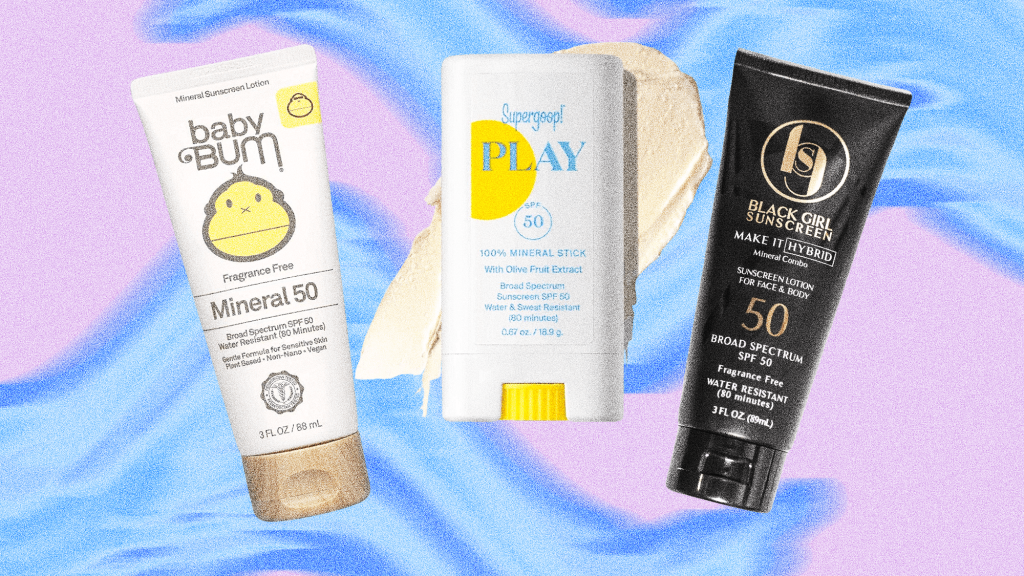
- Mineral-based sunscreens: These often contain zinc oxide or titanium dioxide as active ingredients. Unlike their chemical counterparts, mineral sunscreens work by sitting on top of the skin and reflecting UV rays, making them less likely to irritate sensitive skin. Brands like Neutrogena and Blue Lizard offer well-regarded mineral options that have received praise from dermatologists.
- Fragrance-free options: Scented products can contain irritating chemicals that exacerbate skin sensitivity. Choosing fragrance-free formulations helps to reduce the risk of allergies or reactions. Many reputable brands, including Coppertone and CeraVe, offer fragrance-free versions that are effective and gentle on the skin.
- SPF choices: It is advisable to look for broad-spectrum sunscreens with at least SPF 30. This level of protection is recommended by the American Academy of Dermatology, as it helps prevent both UVA and UVB damage. A sunscreen that is broad-spectrum not only wards off sunburn but also decreases the risk of skin cancer.
In addition to selecting the right product, applying sunscreen properly is crucial. Here are some effective tips to enhance your sunscreen routine:
- Patch testing: Before using a new sunscreen fully, conduct a patch test by applying a small amount on a discreet area of your skin, such as the inside of your wrist or behind your ear. This can help you check for any adverse reactions.
- Reapplication: It’s vital to remember that sunscreen wears off, so reapply every two hours, especially after swimming or sweating. This is particularly important during outdoor activities in the sun, such as sports events or barbecues.
- Consulting a dermatologist: If you have persistent skin issues, consider seeking professional advice. A dermatologist can evaluate your skin type and recommend personalized sunscreen products and routines that cater to your individual needs.
By making informed choices about sunscreen for sensitive skin, you can effectively protect your skin from harmful UV rays without the anxiety of irritations or allergies. In the upcoming sections, we will explore specific product recommendations, delve into ingredient transparency, and share strategies to keep your skin healthy, safe, and beautifully protected against UV exposure. The journey to finding the perfect sunscreen may require some investigation, but the benefits of a healthy, sun-protected complexion make it worthwhile.
DIVE DEEPER: Click here to learn more
Key Ingredients to Look for in Sunscreens
When it comes to selecting the right sunscreen for sensitive skin, understanding the ingredients is paramount. Not all sunscreens are created equal; their effectiveness and gentleness largely stem from their formulation. This is particularly crucial for those who have experienced adverse reactions in the past. Here are some key ingredients to consider when searching for the perfect sunscreen:
- Zinc oxide: This mineral is a superstar for sensitive skin. It provides broad-spectrum protection against both UVA and UVB rays while being non-irritating. Plus, zinc oxide has anti-inflammatory properties, making it an excellent choice for people with conditions like rosacea or eczema.
- Titanium dioxide: Similar to zinc oxide, titanium dioxide offers physical sun protection. It works by reflecting harmful rays, thus reducing direct exposure on the skin. Many formulations include both titanium dioxide and zinc oxide for enhanced effectiveness.
- Aloe vera: Known for its soothing properties, aloe vera can be a game changer for sensitive skin. It helps to calm irritation while keeping the skin hydrated. Numerous natural and mineral-based sunscreens include aloe to provide that extra layer of comfort.
- Antioxidants: Ingredients like vitamin C, vitamin E, and green tea extract not only protect the skin from sun damage but also combat free radicals. These antioxidants help nourish and repair sensitive skin, making sunscreen applications beneficial beyond just sun protection.
Conversely, it’s equally important to avoid certain ingredients that may trigger irritations or allergies. Many chemical sunscreen agents can cause reactions in sensitive individuals. Here are some components to steer clear of:
- Oxybenzone: Frequently criticized for causing skin allergies, this chemical filtering agent can penetrate the skin, leading to potential hormonal disruptions and long-term concerns.
- Parabens: These preservatives can result in skin irritation and allergic reactions, especially in individuals with sensitive skin. Always opt for paraben-free products.
- Fragrances and dyes: Added scents and colors, while appealing, can cause significant irritation to sensitive skin. Opting for products labeled as “fragrance-free” is recommended.
Understanding these essential ingredients allows for informed selection, greatly reducing the risk of adverse reactions. As you navigate the aisles filled with sunscreen options, look for products formulated specifically for sensitive skin, keeping a watchful eye on both the beneficial and harmful components. The ideal sunscreen should offer enhanced protection while also ensuring that you feel comfortable and safe in your skin.
In the following sections, we will dive deeper into specific products that fit these criteria and share practical application tips designed to help you make the most of your sunscreen regimen, thus providing peace of mind as you enjoy the great outdoors.
Understanding Sunscreen Ingredients for Sensitive Skin
When selecting a sunscreen for sensitive skin, understanding the ingredients is crucial to avoiding potential irritations and allergic reactions. Physical sunscreens (also known as mineral sunscreens) typically contain zinc oxide or titanium dioxide, which work by sitting on the skin’s surface and reflecting UV rays. These formulations are generally better tolerated by those with sensitive skin and are less likely to cause breakouts or irritation. On the other end, chemical sunscreens absorb UV radiation through their chemical ingredients, such as avobenzone and octocrylene. While these sunscreens can be lightweight and cosmetically elegant, they may contain preservatives and fragrances that contribute to adverse skin reactions. Those with a history of allergies should opt for products that are specifically labeled as fragrance-free and hypoallergenic.
Identifying Non-Irritating Formulations
When browsing for options, look for broad-spectrum sunscreens that provide protection against both UVA and UVB rays. Water-resistant formulas are also beneficial if you plan on sweating or swimming. Many brands now offer formulations with soothing agents like aloe vera, chamomile, or green tea extract that can help calm and hydrate sensitive skin while shielding it from sun exposure. Additionally, consider opting for a cream-based sunscreen as they typically provide more moisture compared to sprays or gels.Now, you might be wondering about the effectiveness of these sunscreens. Research demonstrates that using a broad-spectrum sunscreen daily can significantly reduce the risk of skin cancers and prevent premature aging, making it an essential step in your skincare routine, especially for sensitive skin types.
| Sunscreen Type | Advantages |
|---|---|
| Physical Sunscreen | Suits sensitive skin; provides immediate protection; less likely to irritate; |
| Chemical Sunscreen | Lightweight and easily absorbed; may suit non-sensitive skin; can offer broad protection. |
Understanding these options empowers you to make informed choices when it comes to protecting your sensitive skin from the harsh effects of the sun. Keep reading to discover more tips on using sunscreen effectively and maintaining healthy skin.
DISCOVER MORE: Click here to learn how skin treatments can boost your confidence
Application Tips for Optimal Protection
Selecting the right sunscreen is just the first step; how you apply it is equally crucial, especially for sensitive skin. Many individuals underestimate the importance of both the quantity and the technique of application, factors that can significantly impact overall effectiveness and minimize irritation. Here are some essential tips to consider:
- Use ample product: Dermatologists recommend applying about one ounce (approximately a shot glass full) of sunscreen to cover your body adequately. For your face, using a nickel-sized amount is typically sufficient. Ensuring full coverage will enhance your skin’s defense against harmful UV rays.
- Choose the right time: For the best results, apply sunscreen at least 15 to 30 minutes before sun exposure. This allows the product to soak into your skin, maximizing its protective capabilities. Reapplying every two hours—or more frequently if swimming or sweating—is essential for maintaining effective coverage.
- Layer it up: If you’re accustomed to using other skincare products, consider applying your sunscreen last. For instance, if you use a moisturizer or serum, allow those products to absorb before applying your sunscreen. This will help to create a smooth barrier against the sun without interfering with the efficacy of the active ingredients.
- Spot test new products: Always perform a patch test before using a new sunscreen extensively. Apply a small amount to an inconspicuous area of your skin and wait 24 hours to ensure no adverse reaction occurs. This precaution is especially critical for individuals with a history of skin sensitivities.
Recognizing Reactions and When to Seek Help
Even with the most careful selection and application, some individuals may experience reactions to certain sunscreens. Understanding how to recognize these responses is vital for maintaining skin health. Common symptoms of irritation or allergy include:
- Redness and inflammation: Skin that is inflamed or discolored after sunscreen application may signal an allergic reaction or irritation.
- Itching or burning: Persistent itching, stinging, or burning sensations can indicate that your skin is reacting to certain ingredients in the formula.
- Breakouts or rashes: The appearance of bumps, rashes, or hives can be signs of a negative response. It’s essential to cease use immediately and consult a dermatologist if these symptoms persist.
Being attuned to your skin’s signals is critical, especially for those prone to allergies or irritations. Should any of these reactions occur, promptly wash the affected area with mild soap and water to remove the product and prevent further irritation. Consulting a healthcare professional for persistent issues or any severe allergic reactions is advisable, as they can offer tailored advice and alternative product recommendations.
Revisiting Product Choices: Mineral vs. Chemical Sunscreens
It’s essential to address the ongoing debate surrounding mineral versus chemical sunscreens in the context of sensitive skin. Mineral sunscreens, which often contain zinc oxide or titanium dioxide, form a physical barrier on the surface of the skin to protect against UV rays, making them generally safer for sensitive skin types. Their gentle nature means they are less likely to provoke allergic reactions.
On the other hand, chemical sunscreens absorb UV radiation but often incorporate synthetic compounds that can lead to irritation in some individuals. For example, ingredients such as octinoxate and avobenzone are commonly found in chemical formulations but may not be suitable for everyone. Individuals with sensitive skin should always opt for mineral-based formulations or seek chemical alternatives that are free from common irritants.
As you explore different products, make sure to consider hybrid options as well, which combine the strengths of both mineral and chemical sunscreens without compromising on protection and soothing properties. This tailored approach can help those with sensitive skin enjoy outdoor activities while minimizing risks of adverse reactions.
DIVE DEEPER: Click here to discover the future of hydration
Conclusion
In summary, navigating the world of sunscreens for sensitive skin requires a thoughtful approach that prioritizes both protection and skin health. With a myriad of options available, mineral sunscreens often emerge as the preferred choice for those prone to irritations and allergies due to their gentle formulations. Coupled with mindful application techniques—such as allowing time for absorption and adhering to recommended application amounts—you can enhance the efficacy of your sunscreen while minimizing the risk of adverse reactions.
Recognizing symptoms of irritation early on is paramount. If you do experience any unusual reactions, it is vital to take immediate action by discontinuing use and consulting a dermatologist if necessary. Additionally, hybrid sunscreens offer a balanced alternative that combines both mineral and chemical ingredients to meet the needs of various skin types—making it an enticing option for exploration.
Before heading out into the sun, ensure you arm yourself with the knowledge and tools needed to protect your sensitive skin effectively. By taking these insights into consideration, you can confidently enjoy your time outdoors, safeguarding your skin from harmful UV rays without the fear of irritation or allergic reactions. Stay informed, choose wisely, and embrace the sunshine with the peace of mind that comes from making informed decisions about your skincare.
Related posts:
Myths and Truths About Sunscreens: Demystifying What You Need to Know
The Importance of Sunscreen Factor: How to Choose the Ideal Product for Your Skin Type
Innovation in Sun Protection: New Technologies and Ingredients in the Beauty Market
The Importance of Sunscreen Factor: How to Choose the Right Product for Your Skin
The Relationship Between Sunscreen and Skin Aging: How Sun Protection Can Prevent Wrinkles and Spots
The Importance of Reapplying Sunscreen: Practical Tips to Ensure Protection Throughout the Day

Linda Carter is a writer and beauty expert specializing in skincare routines, cosmetic ingredients, and holistic self-care practices. With extensive experience helping individuals achieve healthy, radiant skin and make informed beauty choices, Linda shares her knowledge on our platform. Her goal is to empower readers with practical advice and science-backed strategies for lasting beauty and skin health.