The Art of Recycling: How to Transform Used Materials into Craft Projects
Unleashing Creativity Through Upcycling
In an age where sustainability is at the forefront of public consciousness, the act of upcycling has emerged as a vibrant form of artistic expression. This creative practice goes beyond traditional recycling by transforming discarded materials into art and functional pieces, highlighting both innovation and environmental responsibility. Not only does this trend allow individuals to engage in hands-on projects, but it also encourages a mindset focused on re-evaluating what is considered waste.
Why Consider Upcycling? The reasons for embracing upcycling extend far beyond mere aesthetics. Here are several compelling factors that make this art form appealing:
- Environmental Impact: Upcycling significantly reduces waste by diverting materials from landfills while also conserving precious natural resources. For example, the EPA estimates that recycling and composting prevented the release of 186 million metric tons of carbon dioxide equivalent into the air in 2018 alone. By contributing to this effort, you become part of a larger movement towards environmental sustainability.
- Cost-Effective: Utilizing materials you already have at home not only saves money but also sparks innovative thinking. Instead of purchasing new décor, consider transforming an old wooden pallet into a rustic coffee table or using scrap fabric to sew unique throw pillows. The savings can be substantial, as well as the satisfaction derived from creating something with your own hands.
- Unique Creations: Each upcycled project can become a one-of-a-kind masterpiece, reflecting your individual style and creativity. Whether it’s a chandelier made from plastic bottles or an eye-catching wall art piece fashioned from vintage magazines, the originality of your work adds personal value that mass-produced items simply cannot provide.
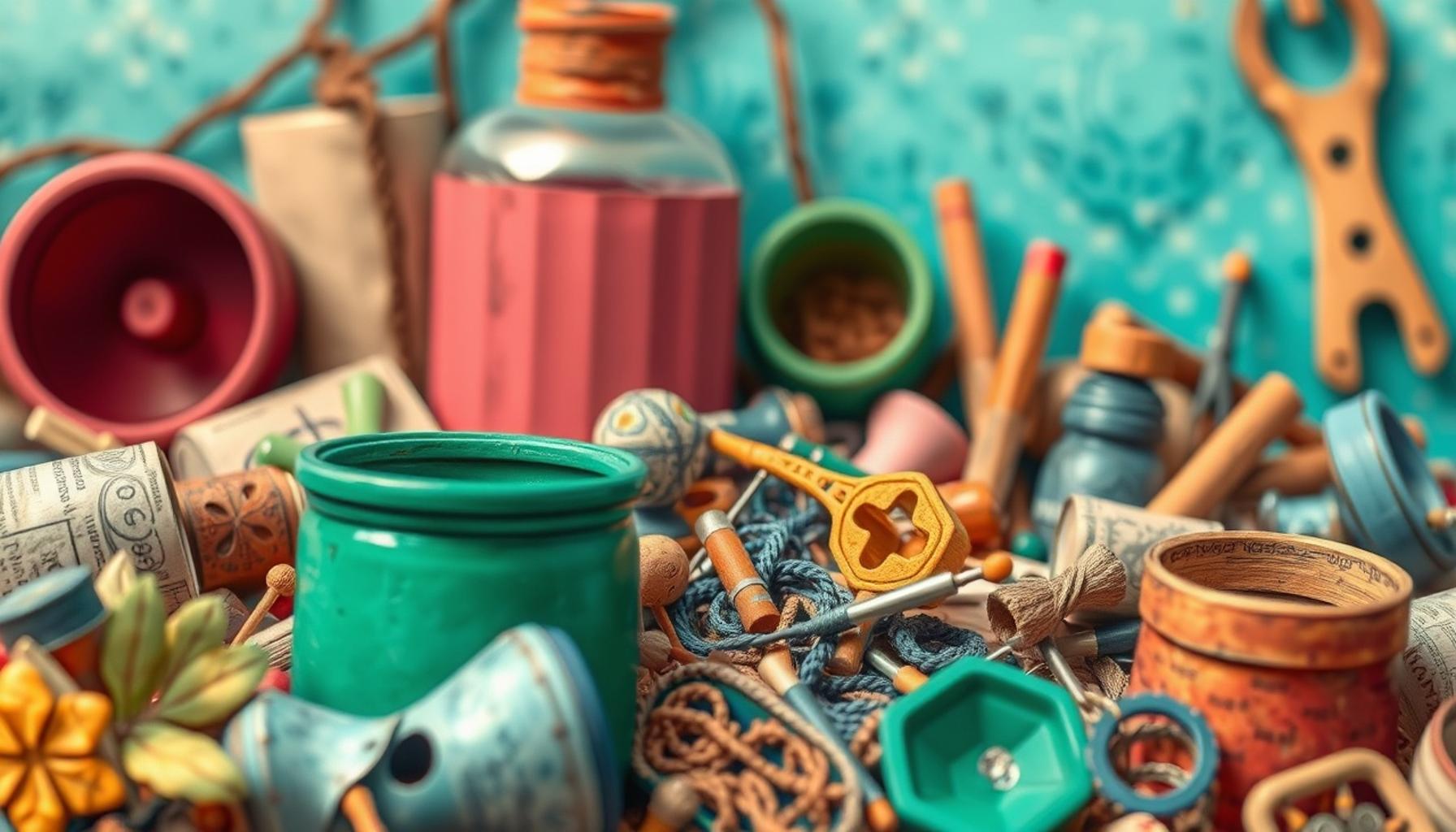
The realm of upcycling is vast and varied, with everyday items such as:
- Glass jars turned into decorative candle holders
- Cardboard boxes repurposed as stylish organizers
- Old textiles transformed into tote bags or quilts
- Plastic bottles crafted into planters for small succulents
These examples only scratch the surface of what’s possible. The creative potential of upcycling knows no bounds, allowing anyone to explore their artistic side while promoting sustainability within their communities.
As we embark on this exciting journey into the world of upcycling, consider the forgotten items in your own home that could be reimagined. The experience not only nurtures your creativity but also empowers you to partake in a sustainable future. Unlock the potential hidden within those unused materials and witness how they can become practical and aesthetically pleasing additions to your life.
DISCOVER MORE: Click here for seasonal cooking tips
Finding Inspiration in Everyday Items
As you dive deeper into the practice of upcycling, the first step is to unlock your imagination. Common household items often bear the markings of forgotten potential, just waiting for your creative touch. Start by assessing the materials you already have at home. Look past their original purpose and envision them as raw ingredients for something new. For instance, a stack of old t-shirts can be transformed into fashionable reusable bags, while an unused ladder can be repurposed as a unique bookshelf, redefining how you perceive both space and functionality.
Embracing the Artistic Process: The journey of upcycling allows for experimentation and personal expression, making it essential to embrace the creative process rather than striving for perfection. Each project can lead to unexpected discoveries and delightful surprises. Don’t be afraid to make mistakes along the way; they often result in the most innovative solutions. Let go of the fear of failure, and remember that the goal is to enjoy the craft while contributing to a sustainable future.
Common Materials to Upcycle
When it comes to upcycling, the possibilities are nearly endless. Below are some common items frequently found in American households that can be repurposed into stunning craft projects:
- Glass Containers: Jars and bottles can be transformed into stylish vases, creative storage solutions, or charming luminaries. Layers of color and texture can elevate your home décor.
- Old Furniture: Rather than discarding outdated pieces, consider breathing new life into them. Sanding, painting, or reupholstering can turn an ordinary chair into a modern focal point.
- Cardboard: With a touch of creativity, cardboard tubes can be fashioned into wall art or practical desk organizers. With varying widths and lengths, cardboard allows for infinite design possibilities.
- Electronics: Outdated technology offers unique materials. Old circuit boards can be turned into unique coasters or picture frames, showcasing ingenuity and a knack for tech art.
The beauty of upcycling lies in its adaptability. Whether you’re an experienced crafter or a curious beginner, there’s a project that suits your skill level and interests. The essential factor lies in your willingness to look at items from a different perspective and envision a new life for them.
As you embark on your upcycling journey, remember that every project not only serves to beautify your space but also promotes a culture of sustainability. By taking the initiative to transform used materials into craft projects, you can contribute to a larger movement that prioritizes environmental stewardship. Much like an artist with a blank canvas, the world of upcycling invites you to express your unique thoughts and ideas. Embrace this opportunity to create, recover, and inspire others to join in the pursuit of a greener planet.
The Art of Recycling: How to Transform Used Materials into Craft Projects
As the world becomes increasingly aware of the environmental impact of waste, the practice of recycling has transcended beyond mere disposal solutions; it has transformed into a vibrant expression of creativity and practicality. By transforming used materials into craft projects, not only are we reducing our carbon footprint, but we are also embracing the potential of materials that might otherwise be considered trash. This innovative approach allows individuals to explore their artistic side while making substantial contributions to sustainability.
To illustrate the numerous benefits of recycling in craft projects, we present this insightful table:
| Category 1 | Category 2 |
|---|---|
| Environmental Impact | Reduces landfill waste, conserving natural resources. |
| Cost Efficiency | Saves money by utilizing free or low-cost materials. |
These advantages not only boost individual creativity but also foster a sense of community and responsibility. Engaging with recycled materials can inspire new social movements centered around sustainability and artistic expression. Projects can range from simple home decor to intricate works of art, sparking conversation and interest in eco-friendly practices. The act of recycling serves as a bridge connecting craft enthusiasts with the global effort to protect our planet.
By uncovering the hidden potential within used materials, you can participate in a growing trend that promotes both creativity and conscious living. As you dive into your next crafting adventure, remember that every item has the potential to become something extraordinary, contributing to a more sustainable future.
DISCOVER MORE: Click here for an in-depth exploration
Tools and Techniques for Successful Upcycling
Mastering the art of upcycling requires not only creativity but also an understanding of various tools and techniques that can help you transform ordinary materials into extraordinary craft projects. Familiarizing yourself with basic crafting tools can enhance your productivity, improve your skills, and allow for a more polished finish. Consider the following essentials:
- Cutting Tools: A good pair of scissors, a craft knife, or a rotary cutter will become your best friends as you manipulate materials like fabric and cardboard. For more robust items, a saw or multi-tool can help you cut through wood or other tough materials with ease.
- Adhesives: The right glue can make or break your project. From hot glue guns for quick fixes to strong epoxies for a long-lasting bond, having an array of adhesives will ensure that your crafts hold up over time. Additionally, be mindful of eco-friendly glue options that reduce waste.
- Painting Supplies: Paint can elevate your upcycling projects from basic to visually stunning. Stock up on acrylic paints, brushes, and spray paints to help give old items a new flair. Remember to use non-toxic, water-based paints to minimize environmental impact.
- Textile Tools: If you’re working with fabric, basic sewing supplies, including needles, thread, and fabric scissors are crucial. For more complex fabric projects, a sewing machine can save you time and help achieve more professional results.
Arming yourself with the right tools will set the foundation for a successful upcycling experience, enabling you to tackle various projects, from simple to complex. Once equipped, explore different techniques to bring your ideas to life.
Creative Techniques to Explore
Each material you upcycle offers unique possibilities. Here are some innovative techniques you can apply to enhance your craft projects:
- Decoupage: A classic technique that involves gluing paper cutouts onto a surface and coating them with a finish. Consider using pages from old magazines or maps to create stunning décor items, such as upcycled picture frames or furniture.
- Distressing: For those working with wood, distressing can create a rustic look. Techniques may include sanding down surfaces, using wax or painting to create an aged effect, adding a layer of glaze, or even using vinegar to bleach the wood for different textures.
- Collaging: This technique can be particularly effective with paper products. Take old postcards, ticket stubs, or wrapping paper to create mixed-media art pieces. The beauty lies in layering and contrasting various textures and colors, expressing your personality.
- Rustic Weaving: Twine, ribbon, or strips of fabric can be woven into baskets or wall hangings, showcasing your upcycling capabilities while adding functional or artistic elements to your home.
Diving into upcycling is not merely about crafting but also involves continual learning. Participating in workshops, engaging with online communities, or following DIY blogs can provide you with fresh ideas and encouragement. You may even find local events or maker spaces dedicated to upcycling, allowing you to collaborate with like-minded individuals and push the boundaries of your creativity.
In every upcycled piece, there lies a story— a narrative woven from past lives and new beginnings. This artistic venture not only satisfies your creativity but also makes a compelling statement about sustainability, encouraging others to reflect on their consumption habits while exploring the limitless possibilities of reimagining discarded materials.
DIVE DEEPER: Click here to discover the magic of fresh herbs
Conclusion: Embracing Creativity Through Upcycling
As we have explored the multifaceted realm of upcycling, it becomes clear that the art of recycling extends well beyond mere craft; it encompasses a movement toward sustainability and innovation. By transforming discarded materials into beautiful, functional pieces, we can reduce waste while simultaneously unleashing our creativity. The journey of upcycling begins with recognizing the potential in everyday items that may seem destined for the landfill—from glass jars and wooden pallets to fabric scraps and cardboard boxes.
Incorporating the right tools and mastering various techniques can elevate your projects, enabling you to create with both skill and inspiration. Whether you opt for techniques like decoupage or rustic weaving, each crafted piece tells a unique story—reflecting both its past and its newly envisioned purpose. This creative endeavor not only brings personal satisfaction but also encourages a broader conversation around responsible consumerism and environmental consciousness.
As you navigate your own upcycling journey, consider joining local workshops, engaging with online communities, and sharing your creations to inspire others. By bringing attention to the possibilities inherent in second-hand materials, we actively advocate for a more sustainable future. With every item turned into something new and beautiful through the art of recycling, you contribute to a movement that honors creativity, limits waste, and ultimately fosters a more eco-friendly world.
Let your imagination soar and discover the endless possibilities of turning used materials into treasured craft projects, becoming not just a creator, but a champion of sustainability.
Related posts:
Creating Memories: How to Make Personalized Crafts for Gifts and Special Occasions
Crafting with Natural Materials: How to Incorporate Elements of Nature into Your Creative Projects
DIY for the Home: Craft Projects that Transform Spaces and Create Cozy Environments
Exploring Digital Craft: Tools and Techniques for Creating Craft Projects with Technology
Therapeutic Crafting: Benefits of Handmaking for Mental Health
Crafts for Kids: Creative Activities that Stimulate Development and Imagination

Beatriz Johnson is a seasoned skincare specialist and writer with a passion for simplifying the complexities of beauty science and skincare routines. With over a decade of experience in the aesthetics industry, she specializes in topics like ingredient efficacy, anti-aging strategies, and global beauty trends. Through her work, Beatriz empowers readers to make informed skincare choices and stay ahead in the ever-evolving world of beauty and wellness.