
The Benefits of Natural Ingredients in Skincare Routine

The Shift Towards Natural Ingredients in Skincare
In today’s fast-paced world, many consumers are prioritizing holistic approaches to health and beauty. This shift is partially driven by an increasing awareness of the harmful effects that synthetic compounds can have on the skin and overall health. As a result, natural ingredients have emerged as a compelling alternative, offering a host of benefits that appeal to the conscious shopper.
One of the most significant advantages of natural ingredients is their gentleness on the skin. Unlike synthetic formulations, which may contain harsh chemicals, natural components are often derived from plants and botanicals that soothe and nourish. For instance, many who struggle with sensitive skin report positive results when using products with natural formulas containing ingredients like calendula or chamomile. These ingredients are renowned for their anti-inflammatory properties, helping to calm redness and irritation.
Furthermore, natural ingredients are biodegradable and thus presented as eco-friendly options. As sustainability becomes a critical concern for consumers, the importance of utilizing products without synthetic preservatives or harmful petrochemicals becomes increasingly apparent. For example, a brand that uses plant-based emulsifiers instead of petroleum-derived counterparts can significantly reduce its environmental footprint. Such practices not only protect the planet but also resonate with a consumer base eager to make responsible choices.
Moreover, natural ingredients are rich in nutrients essential for skin health. Ingredients like aloe vera, jojoba oil, and tea tree oil have gained prominence in the skincare industry due to their remarkable properties. Aloe vera, for example, is widely celebrated for its healing and hydrating qualities, making it an excellent choice for after-sun care or soothing minor burns. Jojoba oil, on the other hand, mimics the skin’s natural oils, enhancing moisture retention while preventing clogging of pores, suitable for both dry and oily skin types. Additionally, tea tree oil has become synonymous with acne treatment, credited for its potent antibacterial properties that help reduce breakouts effectively.
As you explore the vast world of natural ingredients, you uncover not just the scientific backing behind these components but also the captivating stories of their traditional uses across various cultures. Each ingredient has its unique tale, giving consumers a broader context for their choices.
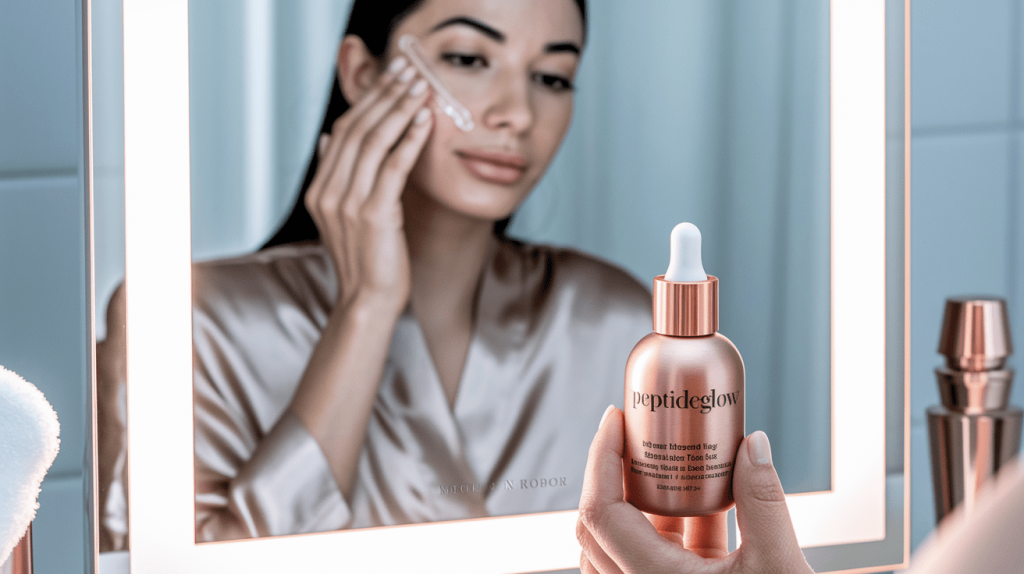
Incorporating natural ingredients into your skincare routine is not just about personal health; it’s also a commitment to a sustainable lifestyle. Join us on this enlightening journey as we delve into the transformative power of nature’s treasures, empowering you to make informed decisions that significantly impact your skin and the environment.
DISCOVER MORE: Click here to learn about personalized skin treatments
Understanding the Power of Natural Ingredients
As the skincare industry evolves, the spotlight has firmly focused on natural ingredients and their remarkable benefits. In an era where consumers are becoming more discerning about their product choices, understanding the science behind these ingredients is paramount. Unlike their synthetic counterparts, natural ingredients boast a diverse spectrum of compounds that provide multifaceted advantages for skin health.
One of the compelling reasons to prioritize natural skincare products is their role in enhancing the skin’s barrier function. Ingredients like hyaluronic acid, often derived from plant sources, can hold up to 1,000 times their weight in water. This exceptional hydrating ability makes them ideal for retaining moisture and preventing dry, flaky skin. When used consistently, products containing natural hyaluronic acid can bolster skin hydration without the irritation that typically accompanies synthetic alternatives.
In addition to hydration, many natural ingredients are potent antioxidants. For instance, vitamin C, when sourced from natural extracts like camu camu or kakadu plum, not only brightens the skin but also neutralizes free radicals, which are notorious for accelerating the aging process. Regular application of such natural products can help to enhance radiance and even out skin tone.
Beyond hydration and antioxidant properties, natural ingredients often carry anti-aging benefits. Key ingredients include:
- Retinol from carrot seed oil, which can improve skin texture and reduce fine lines.
- Green tea extract, renowned for its anti-inflammatory properties, helps to combat skin irritation and redness.
- Acai berry oil, loaded with essential fatty acids and vitamins, provides deep nourishment and helps maintain skin elasticity.
Moreover, many natural compositions are less likely to provoke allergic reactions compared to synthetic formulations. Consumers with allergies or sensitive skin often find relief and improved conditions by switching to products derived from nature. For example, products infused with witch hazel or rose water can soothe and balance the skin, making them staples in sensitive skincare routines.
The understanding of the vast array of natural ingredients not only supports consumers in making informed choices but also encourages brands to innovate responsibly. As the demand for clean beauty rises, companies are pressured to adopt formulations that honor both the integrity of nature and consumer safety. Consequently, the use of natural ingredients is paving the way for a skincare renaissance, one that champions effective solutions without compromise.
By incorporating natural elements into skincare routines, consumers not only assure optimal skin health but also contribute to a larger movement advocating for environmental sustainability.
| Advantage | Description |
|---|---|
| Gentle on the Skin | Natural ingredients are often less irritating, making them ideal for sensitive skin. Options like aloe vera or coconut oil soothe and hydrate without harsh chemicals. |
| Nourishing Properties | Ingredients like jojoba oil and shea butter provide essential vitamins and antioxidants, promoting skin health and aiding in cell regeneration. |
| Eco-Friendly | Many natural skincare ingredients are sustainable and biodegradable, reducing environmental impact compared to synthetic alternatives. |
| Multi-purpose Use | Natural ingredients often serve multiple functions, such as hydration, acne treatment, and anti-aging, simplifying skincare routines. |
Exploring these advantages, it’s clear that incorporating natural ingredients into your skincare routine not only aligns with personal health goals but also promotes sustainable beauty practices. From their gentle nature to their nutrient-rich profiles, natural ingredients offer a holistic approach to skincare. As you delve deeper, you’ll find numerous options tailored to both individual needs and environmental considerations. Embracing such ingredients opens up a world of rejuvenation, health, and vitality in skincare.
DISCOVER MORE: Click here to elevate your nighttime skincare routine
The Holistic Benefits of Natural Ingredients
Beyond their immediate effects on skin health, natural ingredients often possess holistic benefits that extend into overall well-being. Many of these ingredients are derived from plants, which have been utilized for centuries in traditional medicine and beauty rituals. The incorporation of these botanical wonders into modern skincare not only enhances beauty but also promotes a sense of connection to nature, which can be calming and grounding.
One of the standout aspects of natural ingredients is their innate ability to nourish skin at a cellular level. For instance, jojoba oil, which mimics the skin’s natural sebum, is adept at balancing oil production. This characteristic makes it an exceptional choice for individuals with oily skin, combating the challenge of excess shine while preventing dryness. Moreover, its anti-inflammatory properties can soothe conditions such as eczema and rosacea, making it a versatile player in skincare routines.
Another compelling example is aloe vera. Renowned for its healing properties, aloe vera’s gel-like consistency is not only refreshing but also rich in vitamins, minerals, and enzymes that support skin repair. It is particularly effective on sunburns, showcasing how natural ingredients can deliver healing properties alongside aesthetic benefits. Furthermore, research has shown that aloe can enhance skin hydration and elasticity, making it a vital component in moisturizing products.
Another category worth mentioning is the powerful essential oils. Extracted through steam distillation or cold pressing, essential oils like lavender, tea tree, and peppermint are celebrated not just for their scents, but for their therapeutic properties. Lavender oil, for example, possesses calming effects that can help reduce stress and anxiety—an unexpected but delightful benefit of a skincare routine driven by natural ingredients. Alternatively, tea tree oil’s antibacterial properties make it an effective treatment for acne-prone skin, allowing users to fight breakouts while promoting a peaceful spirit.
More recent studies have also indicated that using products with botanical extracts can positively influence mood and emotional well-being. Whether it’s the zestiness of citrus-based oils or the earthy tones of patchouli, the olfactory journey can uplift spirits and enhance the self-care experience. This facet of skincare transcends the physical, revealing a deeper appreciation for the role that sensory engagement plays in our beauty rituals.
It’s important to recognize that while individual natural ingredients offer remarkable benefits, the combination of these elements can yield synergistic effects. For example, a serum that incorporates both vitamins C and E from natural sources can deliver amplified antioxidant protection, working to neutralize damage from environmental aggressors. Furthermore, the blending of different plant extracts can create harmonious formulations that target multiple skin concerns simultaneously.
As consumers become increasingly aware of the ingredients in their skincare, the push for transparency and sustainability in sourcing practices is more crucial than ever. Brands that prioritize natural ingredients not only showcase their commitment to ethical practices and environmental responsibility but also appeal to a growing demographic that values wellness alongside beauty.
DISCOVER MORE: Click here to learn about eco-friendly skincare options
Conclusion: Embracing Nature for Radiant Skin
In a world inundated with synthetic options, the resurgence of natural ingredients in skincare offers a refreshing and holistic approach to beauty. As we’ve explored, the benefits of these ingredients extend far beyond mere aesthetics, impacting our health, well-being, and even emotional state. Utilizing components like jojoba oil, aloe vera, and essential oils not only nourishes the skin but also provides an enriching experience that connects users to nature, fostering a sense of calm and balance in their daily routines.
Furthermore, the synergy created through the combination of various natural extracts enhances the overall effectiveness of skincare products. For instance, the collaboration of vitamins C and E exemplifies how blending natural components can yield greater antioxidant protection, effectively combating environmental stressors while promoting skin health. This intricate interplay not only addresses specific skin concerns but also celebrates the art of skincare as a multifaceted ritual.
As consumers continue to prioritize knowledge about skincare ingredients, there is an undeniable shift towards brands that advocate for ethical sourcing and sustainability. Embracing natural ingredients not only supports our own skin health but also contributes to the larger movement toward environmental responsibility. By making informed choices, we align our skincare routines with our values, ultimately nourishing both our skin and our planet.
In conclusion, the incorporation of natural ingredients into our skincare regimen offers a path to radiant skin along with the promise of holistic health benefits. As awareness grows around these powerful botanical wonders, it invites individuals to rediscover the beauty of nature in their personal care practices. So, why not embark on this delightful journey and experience the transformative power of natural skincare? Your skin—and spirit—will thank you.
Related posts:
Trends in Natural Cosmetics: How Biotechnology Is Integrating Natural Ingredients into New Formulati...
The Importance of Sustainability: How to Choose Beauty Products with Responsible Natural Ingredients
Natural vs. Synthetic Ingredients: What Really Works for Your Skin?
The Role of Botanical Extracts in Preventing Skin Aging
Homemade Beauty Recipes: How to Create Your Own Skin Care Products Using Natural Ingredients
The Power of Natural Antioxidants: How Ingredients like Green Tea and Citrus Fruits Can Revitalize t...

Linda Carter is a writer and beauty expert specializing in skincare routines, cosmetic ingredients, and holistic self-care practices. With extensive experience helping individuals achieve healthy, radiant skin and make informed beauty choices, Linda shares her knowledge on our platform. Her goal is to empower readers with practical advice and science-backed strategies for lasting beauty and skin health.