
The Different Types of Sunscreens: Chemical vs. Physical and How to Choose the Best One for You
Understanding Sunscreens: A Vital Choice for Skin Protection
With the increasing awareness of skin health, selecting the right sunscreen has never been more crucial. Sunscreens are not just summer accessories; they are essential for protecting your skin from harmful UV radiation. Understanding the different types can help you make an informed decision.
The sun emits two primary types of harmful ultraviolet (UV) radiation: UVA and UVB. UVA rays penetrate deeply and are mainly responsible for skin aging and wrinkles, while UVB rays primarily cause sunburn. Both types contribute to skin cancer. Therefore, using a broad-spectrum sunscreen that protects against both UVA and UVB rays is vital.
There are two main categories of sunscreens:
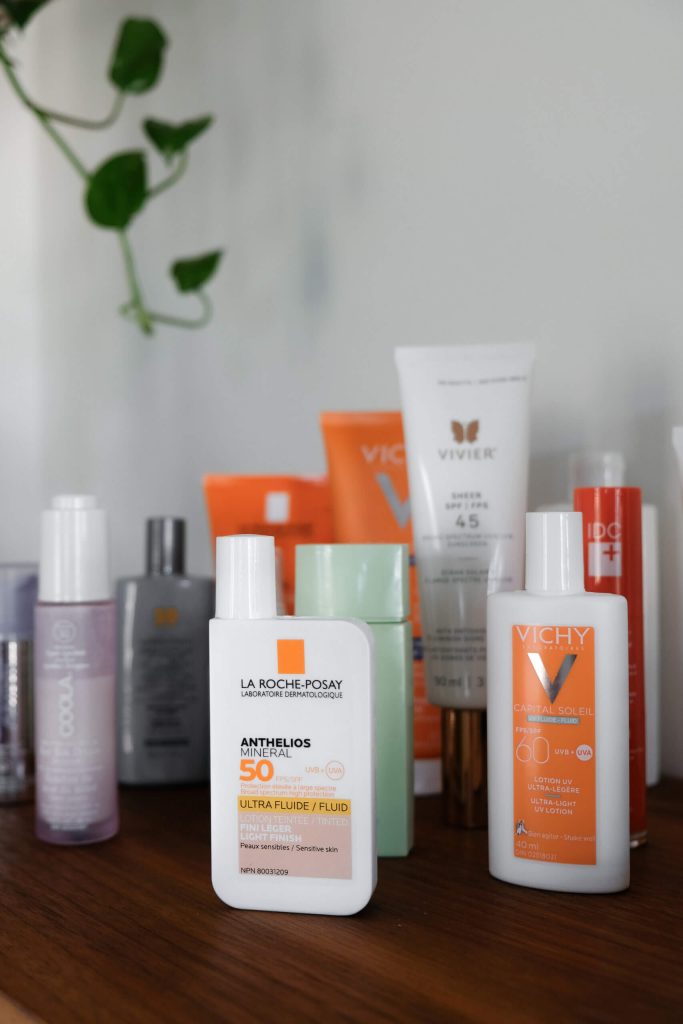
- Chemical Sunscreens: These contain organic compounds such as avobenzone or octisalate, which absorb UV rays and transform them into heat, effectively releasing them from the skin. They often have a lighter texture and apply easily, making them a favorite for daily wear. However, some users may experience skin irritation or allergies.
- Physical (or Mineral) Sunscreens: These contain active mineral ingredients like zinc oxide or titanium dioxide, which sit on top of the skin and act as a physical barrier, deflecting UV rays away. They are often recommended for sensitive skin and provide instant protection. Yet, they may leave a white residue on the skin, which can be an aesthetic downside for some.
Factors to Consider When Choosing Sunscreen
Choosing the best sunscreen for your needs depends on several factors, including:
- Your skin type and sensitivities: If you have sensitive or acne-prone skin, a physical sunscreen might be more suitable as it is less likely to clog pores or irritate the skin.
- The activities you engage in: For those who enjoy swimming or sweating, water-resistant options are essential, as they maintain efficacy under these conditions. Look for products labeled as “water-resistant” that can last up to 80 minutes.
- Environmental considerations: Many consumers now seek reef-safe options, looking for formulations free from oxybenzone and octinoxate, which are harmful to marine life. Eco-friendliness is becoming a significant factor in choosing cosmetics, including sunscreen.
The Importance of Consistent Use
In the United States, where sun exposure can occur year-round, understanding the nuances between these sunscreen types is essential. According to the American Academy of Dermatology, sunscreen should be applied generously 15 minutes before sun exposure and re-applied every two hours, or immediately after swimming or sweating.
Moreover, it’s vital to combine sunscreen with other protective measures, such as wearing protective clothing, seeking shade, and using sunglasses, especially during peak sun hours from 10 AM to 4 PM.
This article explores the fine details of chemical vs. physical sunscreens, helping you make an educated choice for your skin’s safety. By delving into the specifics, we empower readers to engage with their skin health proactively and sensibly, ensuring that they embrace the beauty of the outdoors safely.
DON’T MISS OUT: Click here to discover the benefits of Aloe Vera
Deciphering Chemical Sunscreens
Chemical sunscreens have become increasingly popular due to their lightweight feel and ease of application. Typically, these formulations are comprised of organic compounds such as avobenzone, octisalate, and octocrylene. These ingredients work by absorbing UV radiation and converting it into heat, which is then released from the skin. This transformation makes them particularly appealing for those who desire a seamless application that doesn’t leave a heavy residue.
However, for some individuals, wearing chemical sunscreens can lead to skin issues such as redness, irritation, or allergic reactions. This is especially relevant for those with sensitive skin or pre-existing conditions like eczema. Some chemical ingredients, particularly when exposed to sunlight, can also cause further skin irritation, making it essential to patch-test new products before broad application.
Key Considerations for Chemical Sunscreens
When contemplating chemical sunscreens, consider the following:
- Skin Sensitivity: Individuals prone to allergies or with sensitive skin should be cautious, as specific chemical filters may exacerbate irritation.
- Cosmetic Appeal: Many users prefer chemical sunscreens for their lighter textures and matte finishes, making them suitable for daily wear, especially under makeup.
- Broad-Spectrum Protection: It’s crucial to ensure your chosen chemical sunscreen offers broad-spectrum protection; look for formulations that specify UVA and UVB protection to safeguard against both forms of UV damage.
The Appeal of Physical Sunscreens
Physical (or mineral) sunscreens are formulated using natural minerals like zinc oxide and titanium dioxide. Unlike their chemical counterparts, these mineral ingredients work by sitting on top of the skin, physically blocking and deflecting UV rays. This direct barrier provides an immediate line of defense against sun damage, making them particularly advantageous for those with sensitive skin.
The main benefit of physical sunscreens is their broad-spectrum efficacy and lower risk of skin irritation. Additionally, they are often recommended for children and those with conditions like acne or rosacea since they are less likely to clog pores or provoke an adverse reaction. However, a significant drawback is the visible white cast that some formulations can leave behind, which is generally a minor concern for many consumers but could pose a cosmetic issue for others.
Factors to Weigh in Physical Sunscreen Choices
When considering a physical sunscreen, take into account:
- Appearance: Look for tinted options to mitigate the white cast if aesthetics are a concern.
- Environmental Safety: Many prefer physical sunscreens for being reef-safe and less harmful to marine ecosystems, making this an important factor for eco-conscious consumers.
- Ease of Use: Some physical sunscreens may require more effort to apply evenly; choosing a formula that spreads effortlessly can enhance the user experience.
Understanding the distinct characteristics of chemical versus physical sunscreens is essential in your pursuit of effective sun protection. Whether you prefer the light feel of a chemical sunscreen or the reliable barrier of a physical formulation, examining your skin’s needs and lifestyle can significantly influence your choice and help maximize protection against harmful UV rays.
The Different Types of Sunscreens: An In-Depth Comparison
When it comes to protecting your skin from harmful UV rays, the choice between chemical and physical sunscreens can have a significant impact on your skin health. Understanding the differences can help you make an informed decision that best suits your skin type and lifestyle.
Chemical Sunscreens Explained
Chemical sunscreens contain organic compounds that absorb UV radiation. They work by converting UV rays into heat, allowing the skin to release them. Common ingredients include oxybenzone, avobenzone, and octisalate. These formulas are typically lighter and more sheer compared to their physical counterparts, making them appealing for daily wear, especially under makeup. However, some individuals may experience irritation or allergic reactions to the chemical ingredients.
Physical Sunscreens: The Natural Barrier
On the other hand, physical (or mineral) sunscreens use natural mineral ingredients like zinc oxide or titanium dioxide to create a physical barrier against UV rays. These sunscreens sit on top of the skin and reflect or scatter UV radiation. They are often recommended for sensitive skin types since they are less likely to cause irritation. However, physical formulations tend to be thicker and may leave a white cast, especially on darker skin tones.
How to Determine the Best Sunscreen for You
Selecting the appropriate sunscreen involves several considerations. If you have sensitive skin or conditions like rosacea or eczema, you may want to opt for a physical sunscreen due to its gentle properties. Alternatively, for those with oily skin, a chemical sunscreen might be preferable owing to its lightweight feel. Additionally, consider factors such as water resistance, SPF rating, and whether you require daily use or protection during high-activity situations like swimming or sports.
A Quick Overview with Our Informative Table
| Type of Sunscreen | Advantages |
|---|---|
| Chemical Sunscreens | Lightweight and clear application |
| Physical Sunscreens | Broad-spectrum protection and less irritation |
| Water Resistance | Long-lasting protection during activities |
Understanding these differences and advantages can enhance your sun protection strategy, allowing you to confidently choose the right sunscreen for your needs. Whether opting for chemical or physical sunscreen, remember that diligent application and frequent re-application are key to ensuring effective protection from sun damage.
DISCOVER MORE: Click here to learn why sunscreen is essential
Making the Right Choice: Factors to Consider
Choosing between chemical and physical sunscreens can be a personal decision influenced by various factors such as skin type, lifestyle, and environmental concerns. Understanding these considerations can help ensure you select a sunscreen that works best for you while effectively protecting against harmful UV rays.
Skin Type and Ingredients
Your skin type plays a critical role in the decision-making process. For those with oily or acne-prone skin, chemical sunscreens may be more appealing due to their lightweight, non-greasy formulations. These sunscreens often blend seamlessly into the skin and are less likely to clog pores. On the other hand, individuals with dry or sensitive skin may benefit more from physical sunscreens. The gentle nature of zinc oxide and titanium dioxide can provide soothing properties, and their inherent moisture-locking capabilities might significantly enhance comfort during sun exposure.
Lifestyle and Activity Level
Your daily activities and exposure to the sun are also vital in determining the best sunscreen for you. If you’re regularly engaging in outdoor sports or activities where you may sweat—or even swim—choose a sunscreen labeled as “water-resistant.” Most chemical sunscreens offer this feature, making them more suitable for active lifestyles. However, advancements in physical sunscreen technology have led to the development of water-resistant formulations that still deliver on the protective front without compromising comfort.
Environmental and Health Considerations
As society becomes more eco-conscious, the environmental impact of your sunscreen choice is an increasingly relevant factor. Many chemical sunscreens contain ingredients like oxybenzone and octinoxate, which have been shown to harm coral reefs and marine life. If you’re concerned about your ecological footprint, opt for physical sunscreens that are specifically labeled as reef-safe. These products typically prioritize environmentally-friendly minerals without synthetic additives. Additionally, some brands focus on sustainable packaging, a detail worth considering if you care about reducing plastic waste.
SPF and Broad-Spectrum Protection
When choosing sunscreen, it is crucial to pay attention to the Sun Protection Factor (SPF) and whether the product offers broad-spectrum protection. Experts recommend a minimum SPF of 30 for everyday use, which blocks approximately 97% of UVB rays, while higher SPFs provide slightly more protection. Broad-spectrum indicates that the sunscreen protects against both UVA and UVB rays, crucial for comprehensive sun defense. Always check product labels to ensure these features are included, regardless of whether you choose chemical or physical formulations.
Consultation and Recommendations
Finally, if you’re uncertain which type of sunscreen aligns with your skin needs or lifestyle, consulting a dermatologist can offer personalized guidance. They can provide recommendations tailored to your skin type, specific concerns such as past sunburns or skin conditions, and even help identify any potential allergic reactions to specific ingredients. With professional advice, you can make educated choices that prioritize both the health of your skin and effective protection against UV exposure.
The variety of sunscreen options available today offers consumers a unique chance to customize their sun care regimen. Staying informed and choosing wisely can help you enjoy the benefits of the sun while minimizing risks. By weighing your skin type, lifestyle, and environmental impact, you can confidently navigate the world of chemical vs. physical sunscreens, ensuring optimal protection based on your preferences and needs.
DISCOVER MORE: Click here to learn how to identify your skin type and choose the perfect treatment
Conclusion: Making Informed Sunscreen Choices
As you navigate the extensive landscape of sun protection, understanding the differences between chemical and physical sunscreens can empower you to make informed choices that align with your unique skin needs and lifestyle preferences. Both types of sunscreens play vital roles in shielding your skin from harmful UV rays, but they do so in different ways. By considering factors such as your skin type, activity level, environmental impact, and the importance of broad-spectrum protection, you can select a product tailored specifically for you.
While chemical sunscreens are favored for their lightweight finish and compatibility with active lifestyles, physical sunscreens shine for their gentle, soothing properties that cater to sensitive skin. Moreover, being mindful of ingredients that may affect marine life, especially as our eco-conscious behaviors grow, allows us to contribute positively to our environment while still prioritizing skin health.
In the end, don’t hesitate to consult with dermatologists who can provide personalized recommendations based on your individual concerns and skin history. As the sun’s rays can be both a source of warmth and potential harm, arming yourself with the right sunscreen—whether it’s chemical or physical—can make all the difference in enjoying outdoor moments safely.
Ultimately, the quest for the perfect sunscreen is not just about sun protection; it is a reflection of your commitment to your skin, health, and the planet. So step outside with confidence, knowing you’ve made the right choice to embrace the sun responsibly.
Related posts:
The Additional Benefits of Sunscreen: Protection Against Pollution and Environmental Damage
Sun Protection and Skin Aging: Myths and Truths
Sunscreen for Sensitive Skin: Options and Tips to Avoid Irritations and Allergies
How Diet Can Complement Sun Protection: Foods that Help Protect the Skin
The Relationship Between Sunscreen and Skin Aging: How Sun Protection Can Prevent Wrinkles and Spots
The Importance of Sunscreen Factor: How to Choose the Right Product for Your Skin

Linda Carter is a writer and beauty expert specializing in skincare routines, cosmetic ingredients, and holistic self-care practices. With extensive experience helping individuals achieve healthy, radiant skin and make informed beauty choices, Linda shares her knowledge on our platform. Her goal is to empower readers with practical advice and science-backed strategies for lasting beauty and skin health.