
The Impact of Diet on Skin Health: Foods That Promote Radiance and Repair
Understanding the Connection Between Diet and Skin Health
Your skin serves as not just a protective barrier for your body but also as a dynamic reflection of your internal health. As the human body’s largest organ, skin plays a crucial role in regulating temperature and protecting against harmful pathogens. The foods you consume can profoundly affect your skin’s vitality and appearance, influencing everything from texture to overall glow. Numerous studies have indicated that dietary choices directly impact skin health, emphasizing the need for a nutrient-rich diet.
Specific dietary components have been identified as essential for maintaining skin radiance and facilitating repair:
- Antioxidants: These powerful compounds help protect the skin from oxidative stress and damage caused by free radicals. Foods rich in antioxidants can ward off signs of aging, such as wrinkles and dull skin.
- Healthy Fats: These are critical for keeping the skin moisturized and supple. Fatty acids serve as building blocks for skin health, as they maintain the skin’s barrier function and reduce inflammation.
- Vitamins: Essential for functions like collagen production and overall skin healing, vitamins play a vital role in maintaining skin elasticity and a youthful appearance.
Incorporating these elements into your diet can be transformative. The relationship between skin health and nutrition suggests that what you eat significantly impacts your skin’s ability to repair itself and maintain vitality.
Key Foods to Consider
When striving for improved skin health, consider adding these powerhouse foods to your diet:
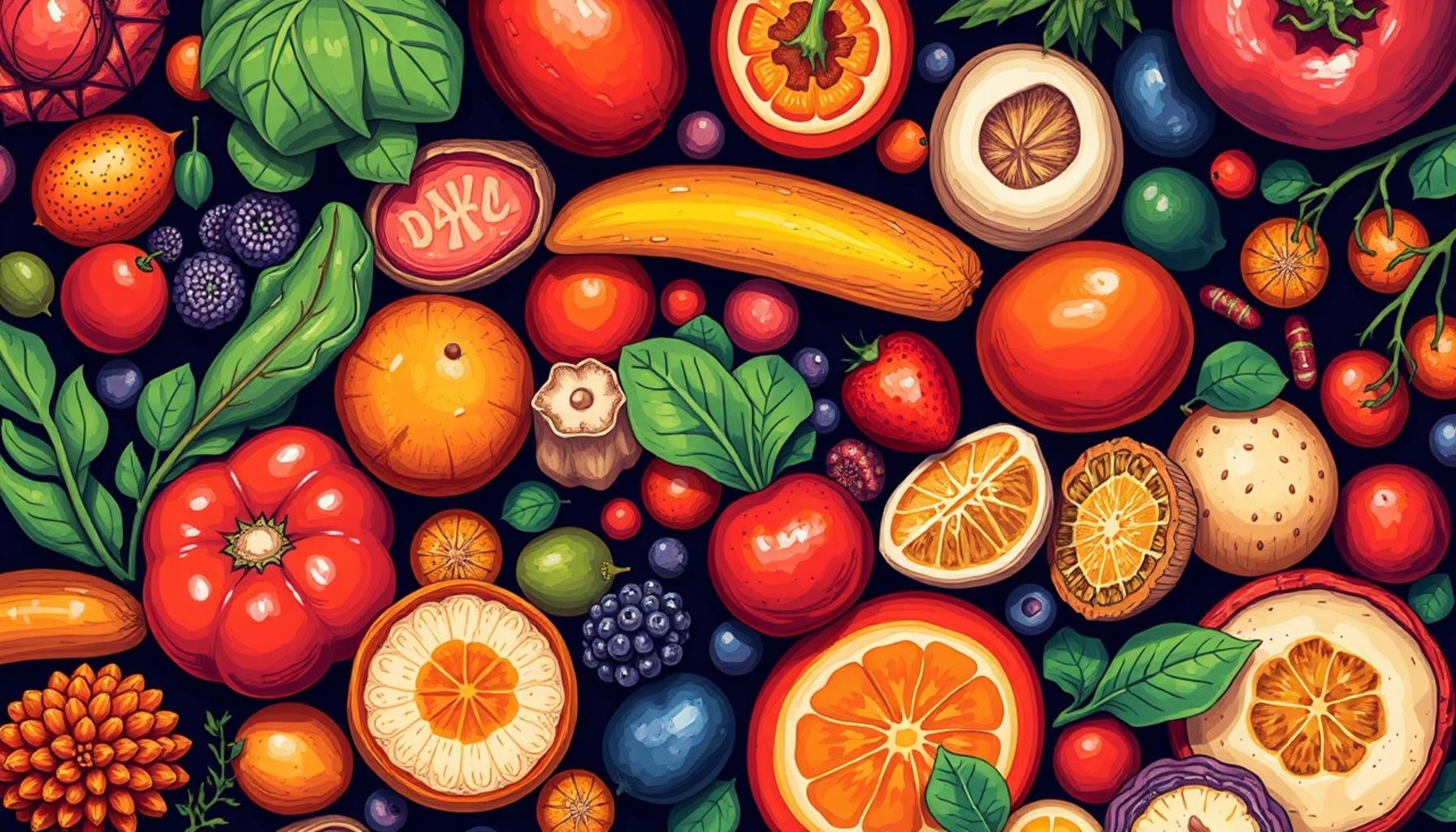
- Berries: Rich in antioxidants like vitamin C and flavonoids, berries such as blueberries, strawberries, and blackberries help combat the aging process. Their vibrant colors indicate their high antioxidant content, which can help prevent skin damage and promote a youthful glow.
- Fatty Fish: Varieties such as salmon, mackerel, and sardines are not just delicious but are excellent sources of omega-3 fatty acids. Omega-3s are known for their anti-inflammatory properties and contribute to maintaining skin hydration, reducing issues like acne and dryness.
- Nuts and Seeds: Almonds, walnuts, and flaxseeds are packed with vitamins E, selenium, and healthy oils. These nutrients are vital for skin cell regeneration and can help achieve a naturally radiant complexion.
Exploring the intricate link between diet and skin health opens up exciting possibilities for achieving a luminous complexion. The path to healthier skin truly begins on your plate. By paying attention to nutrient-dense foods, you can make informed choices that promote not only better skin but greater overall health. So why not take a closer look at your meals today? Your skin will thank you tomorrow.
DISCOVER MORE: Click here to learn how to adapt your beauty routine
Essential Nutrients for Radiant Skin
To truly understand how diet affects skin health, it’s imperative to recognize the significant role that various nutrients play in promoting radiance and facilitating repair. Incorporating a range of vitamins, minerals, and other essential nutrients can enhance skin texture, improve hydration, and even minimize the appearance of blemishes and wrinkles. Let’s delve deeper into the key nutrients your skin craves.
Antioxidants: Nature’s Skin Protectors
Antioxidants are more than just a health buzzword; they serve as formidable defenders against skin damage. These compounds combat oxidative stress caused by environmental factors such as UV radiation and pollution. The inclusion of antioxidant-rich foods in your diet can effectively neutralize free radicals that contribute to premature aging. Key sources of antioxidants include:
- Vitamin C: Found in citrus fruits, strawberries, and bell peppers, vitamin C is crucial for collagen synthesis and helps skin recover from damage.
- Vitamin E: Present in nuts, seeds, and green leafy vegetables, this vitamin aids in maintaining skin elasticity and protects against sun-induced damage.
- Polyphenols: These compounds, abundant in green tea, dark chocolate, and red wine, have been shown to improve skin hydration and elasticity.
Healthy Fats: Nourishment from Within
A common misconception is that all fats should be avoided in a healthy diet. However, the truth is that healthy fats are essential for maintaining skin moisture and overall cellular integrity. Omega-3 and omega-6 fatty acids help regulate the skin’s lipid barrier, keeping it hydrated and less prone to irritation. Foods high in healthy fats include:
- Avocados: Rich in monounsaturated fats, avocados promote flexibility in the skin and provide essential vitamins.
- Olive Oil: A staple of the Mediterranean diet, olive oil is packed with antioxidants and fatty acids that support skin health.
- Fatty Fish: All of those delicious varieties like salmon and sardines are great sources of omega-3s, known for their anti-inflammatory properties.
Vitamins and Minerals: The Building Blocks of Skin Repair
Vitamins and minerals are not mere supplements—they are fundamental constituents that can transform your skin. Nutrients like zinc support skin healing, while vitamin A is vital for skin cell turnover. Leafy greens and whole grains are rich in B vitamins, which help minimize dryness and improve skin texture. The inclusion of these vital nutrients can lead to a more radiant and healthier complexion.
In conclusion, understanding the essential nutrients that affect skin health opens the door to making informed dietary choices. A focus on wholesome, nutrient-dense foods can pave the way for glowing skin, reinforcing the notion that beauty indeed comes from within. By prioritizing your nutrition, you may discover that your skin not only looks rejuvenated but feels revitalized as well.
The Impact of Diet on Skin Health: Foods That Promote Radiance and Repair
The skin is the body’s largest organ, and its health can be significantly influenced by the dietary choices we make. In recent years, research has increasingly pointed to the synergy between nutrition and skin health, emphasizing that certain foods can enhance radiance and foster repair processes within the skin. Understanding which specific nutrients are beneficial allows individuals to make informed dietary decisions that can lead to visibly improved skin quality.
Incorporating a variety of foods rich in antioxidants, vitamins, and healthy fats can have transformative effects. For instance, foods high in vitamin C, such as citrus fruits and broccoli, are crucial for collagen production, which maintains skin’s elasticity and firmness. Meanwhile, omega-3 fatty acids found in fatty fish like salmon and seeds like flaxseed can help reduce inflammation, thereby calming red or irritated skin.
Another essential group of foods is those rich in polyphenols, like berries and green tea, which provide powerful antioxidant properties. These compounds help protect the skin from oxidative stress caused by environmental factors such as UV rays and pollution. Meanwhile, incorporating whole grains can promote a healthy gut microbiome, which is linked to improved skin conditions such as acne or eczema.
Furthermore, staying hydrated with plenty of water and consuming foods with high water content, like cucumbers and watermelon, can enhance skin hydration from the inside out. Nutritionists often stress the importance of a balanced diet in achieving a healthy glow, advocating for whole, unprocessed foods over sugar and trans fats, which can exacerbate skin issues.
Through a careful selection of foods, it is possible to harness the power of nutrition to promote skin health effectively. Exploring these dietary options not only fosters physical well-being but also inspires a greater appreciation for the profound link between our plates and our skin.
| Food Category | Benefits for Skin Health |
|---|---|
| Fruits and Vegetables | Rich in vitamins and antioxidants that help fight skin aging and enhance radiance. |
| Healthy Fats | Omega-3 fatty acids reduce inflammation and repair skin, improving overall texture and vitality. |
| Hydrating Foods | Help maintain moisture balance and promote soft, supple skin. |
DISCOVER MORE: Click here for natural solutions
The Role of Hydration in Skin Health
While nutrients undoubtedly play a vital role in skin health, the importance of hydration is paramount and often overlooked. Water is essential for maintaining skin moisture levels and elasticity, making it a critical component of any skin health regimen. The skin acts as a barrier, and adequate hydration helps this barrier function effectively, ensuring that moisture is retained and harmful substances are kept at bay. Studies have shown that dehydrated skin can lead to increased lines, rough texture, and a lackluster appearance.
To foster hydration, consider integrating various hydrating foods into your diet. These foods not only contain high water content but also provide essential vitamins and minerals that support skin function:
- Cucumbers: Composed of about 95% water, cucumbers are the ultimate hydrating snack and can be easily added to salads or enjoyed as a crunchy snack.
- Watermelon: This delicious fruit not only hydrates but contains vitamin C, adding additional benefits for skin health.
- Celery: With its high water content and rich supply of vitamins A, C, and K, celery serves as a hydrating and nutritious addition to juicing or salads.
Fermented Foods: Balancing Skin Microbiome
The gut-skin connection is a growing area of interest in dermatology and nutrition. Emerging research has shown that incorporating fermented foods can improve skin health through maintaining a balanced gut microbiome – a crucial factor in overall skin condition. A healthy gut can reduce inflammation and enhance the skin’s natural barrier, resulting in a clearer, more radiant complexion. Foods rich in probiotics include:
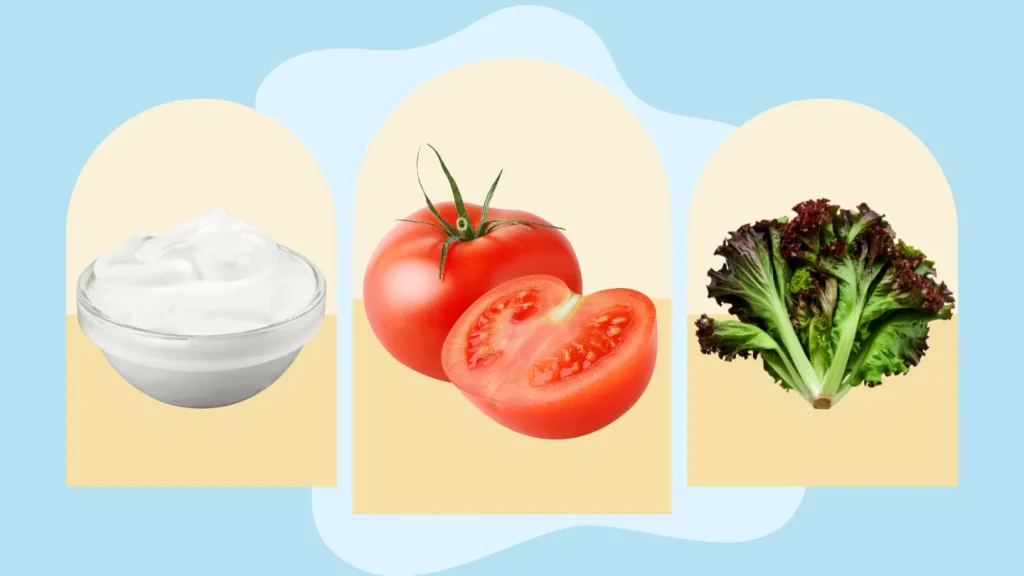
- Yogurt: This tasty breakfast staple is not only rich in calcium but also teems with live cultures that can promote gut health.
- Kefir: A fermented dairy product similar to yogurt, kefir is packed with probiotics that can positively affect both gut flora and skin health.
- Kimchi and Sauerkraut: These fermented vegetables are not only flavorful but also offer a wealth of probiotics that can help rebalance the body’s internal ecosystem.
Whole Grains: Skin Health Champions
Another critical element often missing from modern diets is the consumption of whole grains. Whole grains are rich in B vitamins, fiber, and other nutrients that support skin health by regulating sugar levels and mitigating inflammation levels in the body. Foods like brown rice, quinoa, and oats not only stabilize blood sugar but also provide essential fatty acids and antioxidants that contribute to skin luminosity and repair.
Particularly, the fiber found in whole grains aids digestion, which is linked to clearer skin through the excretion of toxins. Low-fiber diets can lead to issues such as constipation and bloating, which are often reflected in the skin.
As we explore the various ways diet influences skin health, it’s clear that making informed food choices can yield significant benefits. Incorporating a diverse array of nutrient-rich foods that promote hydration, balance, and nourishment can transform your skin’s appearance and health for the better.
DISCOVER MORE: Click here for essential nighttime skincare steps
Final Thoughts on Diet and Skin Health
As we have uncovered, the intricate relationship between diet and skin health cannot be overstated. By consciously selecting foods that nourish, hydrate, and repair, individuals can effectively enhance their skin’s natural radiance and resilience. Incorporating a variety of hydrating options such as cucumbers, watermelon, and celery not only boosts moisture levels but also infuses the skin with vital nutrients. Meanwhile, the inclusion of fermented foods like yogurt and kimchi promotes a balanced gut microbiome, connecting our internal health directly to our outward appearance.
In addition to the benefits of fruits and vegetables, whole grains play a fundamental role by helping to regulate blood sugar and inflammation, which are often at the core of various skin issues. This holistic approach to skincare—through mindful eating—offers a strategic pathway for those seeking not only to improve their skin appearance but also to bolster overall health.
As the fascination with the gut-skin axis continues to grow, it’s important to stay informed about how our dietary choices can promote skin vitality. By embracing these dietary principles and exploring new, wholesome options, anyone can take significant strides toward achieving the radiant, healthy skin they desire. Is it time for you to rethink your plate? The journey to luminous skin may just begin with what’s on it.
Related posts:
The Role of Nutrition in Skin Health: Essential Nutrients for Effective Treatments
Skin Treatments for Different Age Groups: What Each Age Needs
The Benefits of Personalized Skin Treatments: How Genetics Influences the Choice
The Evolution of Skin Treatments: From Natural to Technological
Advanced Therapies in Skin Treatments: Microneedling and Laser
The Importance of Sunscreens in Skincare Routines

Linda Carter is a writer and beauty expert specializing in skincare routines, cosmetic ingredients, and holistic self-care practices. With extensive experience helping individuals achieve healthy, radiant skin and make informed beauty choices, Linda shares her knowledge on our platform. Her goal is to empower readers with practical advice and science-backed strategies for lasting beauty and skin health.