
The Impact of Diet on Skin Longevity: Anti-Aging Tips from the Inside Out
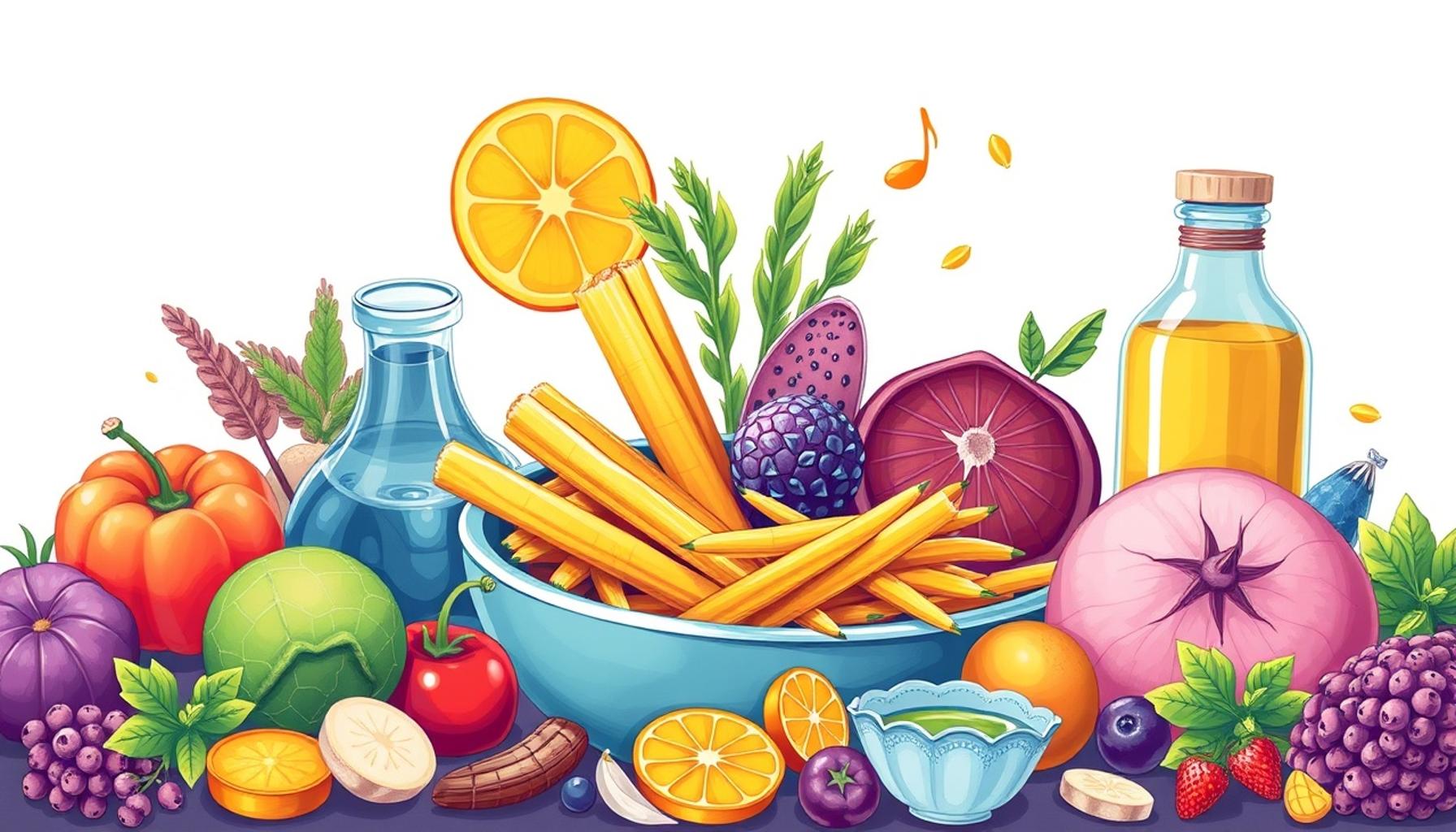
The Intricate Link Between Diet and Skin Health
Our skin, being the largest organ of the body, is often the first to reveal the effects of aging. Factors such as sun exposure, genetics, and pollution play significant roles, but one of the most impactful influences can be found on our plates—diet. The foods we consume do not merely fuel our bodies; they can actively enhance or deteriorate our skin’s health and appearance. Understanding this relationship offers a pathway to preserving a youthful glow.
Key Dietary Components for Skin Longevity
To grasp how we can nurture our skin through diet, let’s delve into some essential components that can significantly impact its longevity:
- Antioxidants: Consuming a variety of foods high in antioxidants—such as blueberries, strawberries, and dark leafy greens—can effectively combat oxidative stress caused by free radicals. These unstable molecules can lead to cellular damage and premature aging. A study published in the “Journal of Clinical Aesthetic Dermatology” noted that individuals who consumed diets rich in antioxidants displayed fewer age-related skin issues.
- Healthy Fats: Omega-3 fatty acids are crucial for maintaining skin elasticity and hydration. They can be found in fatty fish like salmon, walnuts, and flaxseeds. Research shows that diets containing sufficient amounts of these healthy fats can lead to an increase in skin hydration, reducing the appearance of fine lines and dryness, particularly important in dry climates or during winter months.
- Hydration: Water intake plays a vital role in skin health. Staying hydrated helps flush out toxins from the body and improves skin texture. A well-hydrated skin barrier is essential for defending against environmental aggressors. The American Academy of Dermatology recommends drinking at least eight 8-ounce glasses of water a day for optimal hydration.
The Consequences of Poor Dietary Choices
Poor dietary choices can adversely affect skin health. Research indicates that diets high in sugar and refined carbohydrates can accelerate the aging process. For example, a diet rich in sugary snacks and beverages can lead to glycation, a process where sugar molecules bind to proteins, damaging collagen and elastin—two critical components of skin structure. This results in the formation of wrinkles and sagging over time.
On the contrary, healthy eating patterns are associated with benefits such as reduced wrinkles and better overall skin integrity. Incorporating whole foods, lean proteins, and plenty of fruits and vegetables into your daily meals not only promotes better skin but also enhances overall health.
Empowering Your Skin Through Diet
By making mindful dietary choices, you can profoundly influence the health and appearance of your skin. Asking yourself how your next meal can contribute to maintaining youthful skin can lead to discoveries about the transformative power of nutrition. Consider embracing colorful plates filled with nutrient-dense foods, and don’t hesitate to explore current studies or consult professionals for tailored dietary advice.
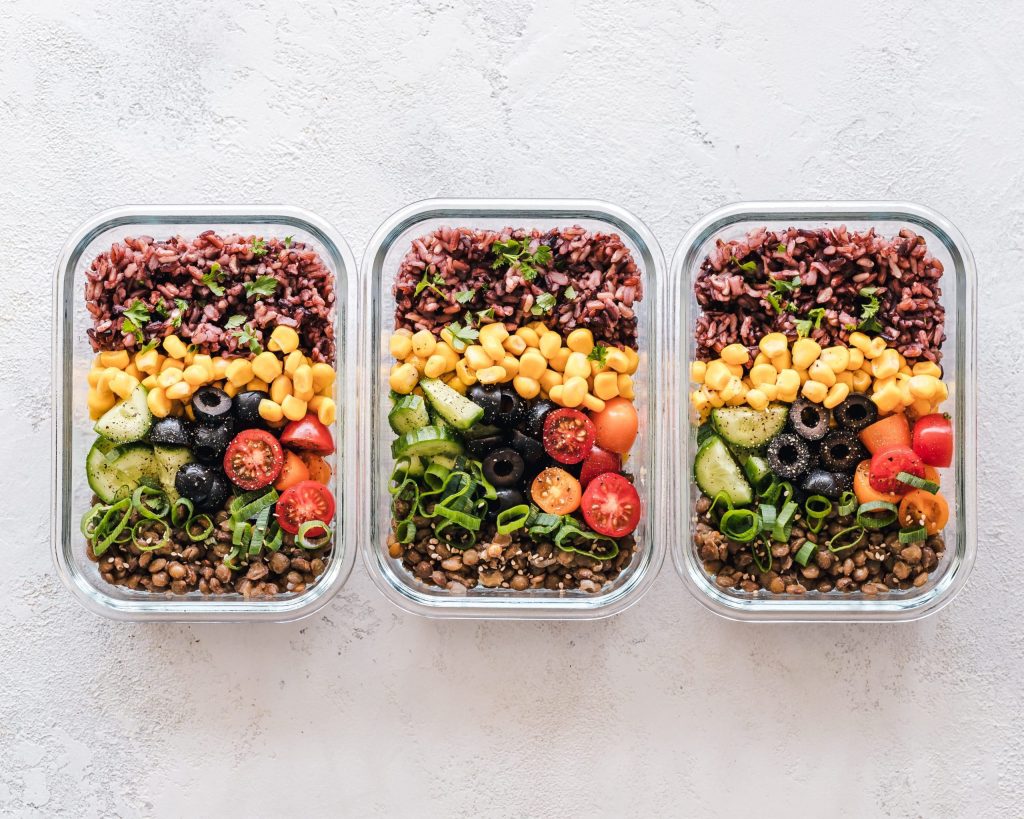
In conclusion, the journey to healthier skin begins with a single bite. Implementing small, consistent changes in your diet can unveil the myriad benefits that better nutrition offers, not just for your skin but for your overall wellbeing.
DISCOVER MORE: Click here for deep hydration insights
Essential Nutrients for Radiant Skin
To unlock the mystery of how diet can influence skin longevity, it is crucial to identify specific nutrients that play a significant role in maintaining youthful skin. Incorporating a variety of these nutrients into your diet can lead to improved skin health and a reduction in signs of aging. Here are some key players to consider:
- Vitamin C: This powerhouse vitamin is essential for collagen synthesis, which helps maintain skin firmness and suppleness. Found abundantly in citrus fruits, bell peppers, and kale, Vitamin C’s antioxidant properties also protect against sun damage and environmental stressors. Research shows that higher vitamin C intake is linked to a more youthful appearance, with smoother skin texture and fewer wrinkles.
- Vitamin E: Another antioxidant, Vitamin E, is known for its skin-protective abilities. Foods rich in Vitamin E, like nuts, seeds, and avocados, help combat oxidative stress and promote skin healing. Studies indicate that individuals who consume adequate levels of vitamin E have better skin hydration and a reduced risk of sunburn.
- Biotin: Often referred to as the ‘beauty vitamin,’ Biotin plays a vital role in skin health. Found in foods such as eggs, fish, and almonds, biotin supports fat metabolism, which is crucial for maintaining healthy skin barrier function. A biotin deficiency may result in skin dryness and rashes, emphasizing its importance in your diet.
- Zinc: Zinc is essential for skin repair and regeneration. This mineral can be found in foods like oysters, beef, and pumpkin seeds. Research has shown that sufficient zinc intake is linked to a lower incidence of acne and other inflammatory skin conditions, making it a critical nutrient for youthful skin.
The Role of Gut Health in Skin Appearance
Interestingly, emerging research highlights the connection between gut health and skin longevity. A diet rich in probiotics and prebiotics can improve gastrointestinal health, which directly affects skin conditions. Foods like yogurt, sauerkraut, and fiber-rich fruits and vegetables support a balanced gut microbiome, leading to reduced inflammation and improved skin clarity. For instance, an imbalance in gut bacteria can contribute to conditions like acne or eczema, underscoring the importance of dietary choices.
Moreover, studies suggest that individuals consuming a low-quality diet filled with processed foods are more susceptible to skin issues. The Western diet, often characterized by high sugar and unhealthy fat content, has been associated with an increased risk of skin disorders. In contrast, those adhering to a more Mediterranean-style diet rich in whole foods, lean proteins, and healthy fats report better skin health and fewer aging markers.
As you reflect on your dietary habits, consider how these essential nutrients can be integrated into your meals. Simple changes, like swapping out a sugary snack for a piece of fruit or adding leafy greens to your plate, can significantly impact your skin’s potential for longevity. Ultimately, understanding the vital nutrients necessary for radiant skin sets the foundation for a holistic approach to skincare that begins from within.
The Role of Nutrients in Skin Health
A balanced diet goes beyond just maintaining a healthy weight; it plays a pivotal role in promoting skin longevity. Essential nutrients found in fruits, vegetables, whole grains, and lean proteins contribute significantly to maintaining the skin’s elasticity and vibrancy. For instance, vitamins A, C, and E are renowned for their antioxidant properties, which help combat oxidative stress—a significant factor that accelerates aging. Foods rich in these nutrients, such as carrots, oranges, and almonds, can enhance your skin’s natural glow while simultaneously reducing the appearance of fine lines.Moreover, incorporating healthy fats into your diet, such as those from avocados, nuts, and olive oil, can help maintain the skin’s moisture barrier. This barrier is crucial for keeping the skin hydrated and plump, ultimately leading to a youthful appearance. Omega-3 fatty acids, found in fatty fish like salmon, are particularly noteworthy for their anti-inflammatory properties, which can reduce redness and irritation often linked with skin aging.
Hydration: The Elixir of Youth
Another critical component of skin health is proper hydration. Staying adequately hydrated helps to keep the skin supple and minimizes the appearance of wrinkles. Drinking enough water throughout the day is essential, but it’s also important to consume water-rich foods. Cucumbers, tomatoes, and watermelon not only hydrate but also provide the necessary vitamins and minerals that aid skin repair and rejuvenation.Research has shown that dehydration can lead to increased skin dryness and the visibility of fine lines. This emphasizes the need to prioritize hydration, especially as we age. By maintaining optimal fluid intake, you can support the skin’s metabolic processes, enabling it to function effectively and appear younger for a longer time.
The Impact of Sugar and Processed Foods
While some foods can be beneficial for skin longevity, others may pose a detriment. High sugar consumption and processed foods can accelerate the aging process through a process known as glycation, wherein sugar molecules bind to proteins like collagen, making them stiff and less effective at providing skin structure and elasticity. This reinforces the importance of avoiding sugary snacks and drinks, opting instead for complex carbohydrates and natural sugars found in whole fruits.Ultimately, the impact of diet on skin longevity cannot be overstated. By consciously selecting nutrient-rich foods while avoiding detrimental options, you pave the way for healthier, more resilient skin. Emphasizing a holistic approach to nutrition will not only enhance your skin’s appearance but also boost your overall well-being, proving that the key to youthful, vibrant skin starts from the inside out.
| Dietary Component | Advantages for Skin |
|---|---|
| Antioxidants (Vitamins A, C, E) | Fights oxidative stress and enhances glow |
| Healthy Fats (Omega-3) | Maintains moisture and reduces inflammation |
| Hydration | Keeps skin supple and reduces wrinkles |
| Avoiding Sugar | Prevents glycation, maintaining skin elasticity |
By adopting some of these dietary practices, you can significantly influence the appearance and longevity of your skin, proving that what you consume plays a vital role in keeping your skin youthful and radiant.
DIVE DEEPER: Click here to discover eco-friendly options
The Importance of Hydration for Skin Vitality
While the nutrients discussed earlier are vital for skin health, another crucial element often overlooked is hydration. Maintaining adequate hydration is necessary for preserving skin elasticity and complexion. The skin is composed of about 64% water, and dehydration can lead to dryness, flakiness, and an overall dull appearance. Drinking sufficient water daily is a foundational aspect of a healthy diet that supports skin longevity.
Incorporating water-rich foods into your diet can further enhance hydration levels. Fruits such as watermelon, cucumbers, and oranges are not only refreshing but also offer significant hydration benefits. Additionally, these foods are packed with vitamins, minerals, and antioxidants that contribute to skin health. For example, watermelon is rich in lycopene, a compound that may help protect skin from UV damage.
Omega-3 Fatty Acids and Their Skin-Soothing Properties
Omega-3 fatty acids are another dietary component worth highlighting. These essential fats are not just beneficial for heart health; they also play a pivotal role in skin elasticity and hydration. Foods rich in Omega-3s, such as fatty fish (salmon, mackerel), walnuts, and flaxseeds, can help maintain the skin’s lipid barrier, crucial for preventing moisture loss.
Studies have shown that adequate Omega-3 intake can improve skin conditions such as dermatitis and psoriasis, providing relief by reducing inflammation. Incorporating these healthy fats not only supports internal health but can also directly reflect on your skin’s appearance, making it appear more youthful and vibrant.
The Impact of Glycemic Index on Skin Health
The glycemic index (GI) of foods can also influence skin longevity. High-GI foods, often laden with sugars and refined carbohydrates, can lead to spikes in insulin levels and inflammation, factors that contribute to premature aging. Research suggests that diets low in glycemic load (GL) may decrease the risk of acne and improve overall skin clarity.
In contrast, a diet rich in low-GI foods, such as whole grains, legumes, and non-starchy vegetables, can stabilize blood sugar levels and promote a healthier complexion. Consider making simple swaps, like choosing quinoa over white rice or opting for whole grain bread instead of processed white bread, to align your dietary habits with your skin health goals.
Antioxidant-Rich Foods and Skin Repair
Integration of antioxidant-rich foods into your daily meals is another powerful strategy to combat aging. Antioxidants help neutralize free radicals produced by environmental factors such as pollution, UV rays, and stress, which can contribute to skin damage. Foods high in antioxidants include berries, dark chocolate, and green tea. Consuming a variety of colorful fruits and vegetables can ensure you receive a broad spectrum of these beneficial compounds.
For example, blueberries are particularly rich in anthocyanins, which can help promote collagen production while reducing inflammation levels. Similarly, green tea contains polyphenols that can prevent deterioration of skin quality, offering yet another layer of protection against the rigors of aging.
By choosing foods that are not only nourishing but also protective and restorative, you can create a robust dietary framework that supports skin longevity. Through conscious and informed food choices, you can significantly enhance the vitality and resilience of your skin, leading to a more youthful appearance and improved overall well-being.
DIVE DEEPER: Click here to discover eco-friendly skincare options
Conclusion: Nourishing Your Skin from Within
In summary, the connection between diet and skin longevity is profound and undeniable. The foods we consume play a crucial role in how our skin ages. Emphasizing a diet rich in hydration, Omega-3 fatty acids, low glycemic index options, and antioxidants creates a holistic approach to skincare that transcends topical treatments. By prioritizing wholesome, nutrient-dense foods, individuals can pave the way for healthier, more radiant skin that withstands the test of time.
It’s essential to remain mindful of how our daily choices affect our skin’s vitality. Incorporating a variety of colorful fruits and vegetables can bolster the skin’s defenses against environmental stressors such as UV radiation and pollution. Additionally, adequate hydration not only improves skin texture but also enhances overall well-being. When we choose foods that are inherently rich in beneficial compounds, we are not merely treating our skin but nurturing it from the inside out.
As we continue to uncover the intricate relationship between nutrition and skin health, let this knowledge empower us to implement informed dietary choices. Whether it’s indulging in a serving of wild salmon or snacking on antioxidant-packed blueberries, each bite is an opportunity to enrich our skin’s resilience and youthful glow. Embrace the journey of healthy eating, and watch as your skin reflects the vibrant life you cultivate.
Related posts:
The Role of Genetics in Skin Aging: Heredity and Personalized Care
Natural vs. Synthetic Ingredients: Which is the Better Option for Anti-Aging Products?
Scientific Advances in Anti-Aging Treatments: What's New?
Natural Therapies and Home Remedies to Combat Signs of Aging
The Importance of Nutrition in Preventing Skin Aging
The Evolution of Aesthetic Technologies: How Non-Invasive Procedures Are Transforming Anti-Aging

Linda Carter is a writer and beauty expert specializing in skincare routines, cosmetic ingredients, and holistic self-care practices. With extensive experience helping individuals achieve healthy, radiant skin and make informed beauty choices, Linda shares her knowledge on our platform. Her goal is to empower readers with practical advice and science-backed strategies for lasting beauty and skin health.