
The Importance of Hydration in Skincare Routine: How to Choose the Right Moisturizer for Each Skin Type
The Essential Role of Moisture in Healthy Skin
In the quest for radiant skin, maintaining adequate hydration often takes the backseat to other skincare practices such as cleansing and exfoliating. However, hydration is a fundamental aspect of skincare that can profoundly influence the appearance and health of your skin. It’s crucial not only for aesthetics but also for the skin’s barrier function, which protects against environmental stressors like pollution and UV rays.
When the skin is well-hydrated, it appears plump and vibrant, enhancing its natural glow. Conversely, dehydration can lead to a host of issues, including dryness, flakiness, and even premature aging. Fine lines and wrinkles may become more pronounced on dry skin, making it essential to understand how to choose the right moisturizer based on individual needs.
Critical Factors in Choosing the Right Moisturizer
Finding the ideal moisturizer can seem overwhelming given the plethora of products available. Here are key aspects to consider when selecting a moisturizer:
- Skin Type: Understanding whether your skin is oily, dry, or a combination can guide your choice. For instance, those with oily skin might prefer lightweight, gel-based formulas, while individuals with dry skin often benefit from richer creams that lock in moisture.
- Ingredients: Ingredients matter immensely. Look for promising hydrating agents like hyaluronic acid, which attracts and retains water, glycerin, a powerful humectant, and ceramides, which help strengthen the skin barrier. Products boasting these components are widely regarded as effective.
- Climate Consideration: Your local climate can also impact your skin’s moisture levels. For example, a humid environment may require lighter products, while colder, dryer climates often necessitate thicker creams to combat moisture loss.
Moreover, it’s essential to adapt your skincare routine with the changing seasons. For instance, individuals in regions with harsh winters, like those in the Midwest, may need to switch to a heavier moisturizer in the cold months, whereas light, gel-based formulas are often sufficient during the summer months.
Demystifying Product Selection
With the skincare market saturated with options, it’s vital to educate oneself about the ingredients and formulations that cater to your unique skin type and address specific concerns. Consider consulting with a dermatologist or skincare professional for personalized advice tailored to your individual needs.
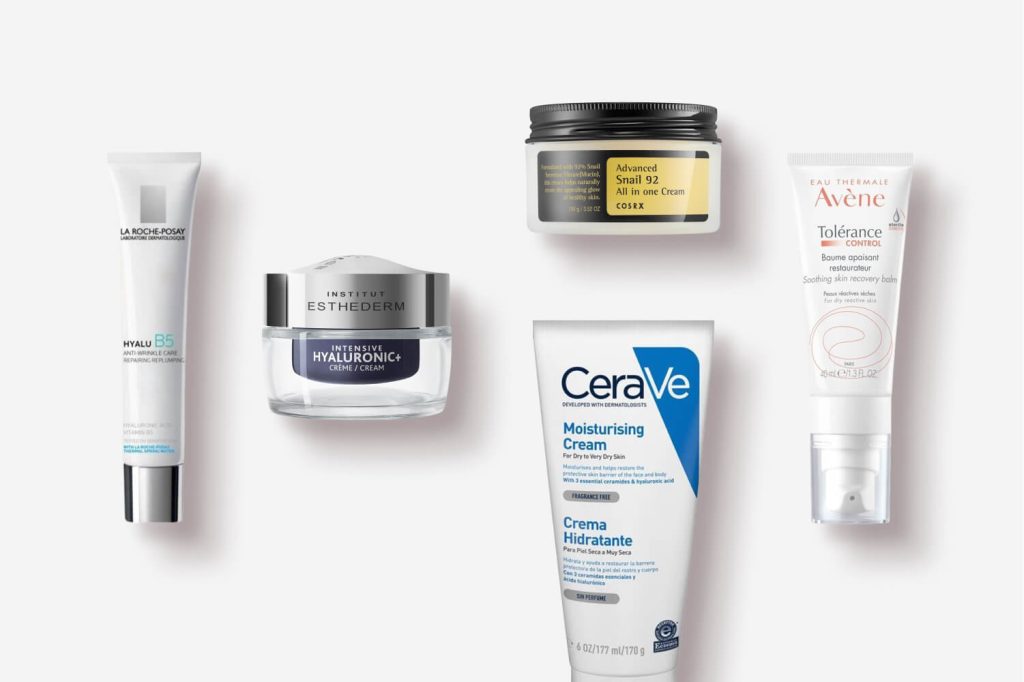
This exploration of hydration underscores its paramount importance in achieving and maintaining healthy skin. By understanding your skin type and properly hydrating, one can combat signs of aging and environmental damage effectively. Get ready to unlock the secrets of optimal skincare by prioritizing hydration, and discover the perfect moisturizer that will keep your skin not just looking good, but feeling good too!
DISCOVER MORE: Click here to learn about hydration and skin health
Understanding Your Skin Type: The Foundation of Effective Hydration
One of the most crucial steps in crafting a personalized skincare routine is understanding your unique skin type. Skin largely falls into four categories: oily, dry, combination, and sensitive. Each type requires distinct hydration strategies, making it imperative to choose a moisturizer that aligns with your skin’s specific needs.
Identifying Your Skin Type
Knowing your skin type not only helps in selecting the right products but also enables you to tailor your hydration approach. Here’s a brief overview to assist you in identifying your skin type:
- Oily Skin: Characterized by excess sebum production, oily skin often has a shiny appearance, particularly in the T-zone. While it may seem counterintuitive, individuals with oily skin benefit from lightweight, oil-free moisturizers that provide hydration without clogging pores.
- Dry Skin: This skin type may feel tight, rough, or flaky, and is often more susceptible to irritation. A richer, cream-based moisturizer that contains emollients and occlusives is recommended to help lock in moisture and replenish compromised skin barriers.
- Combination Skin: As the name suggests, combination skin features both oily and dry areas, typically with an oily T-zone and drier cheeks. A balanced moisturizer that hydrates without overwhelming oily areas while still providing ample moisture to dry patches is ideal.
- Sensitive Skin: Prone to redness, itching, and irritation, sensitive skin needs extra gentle care. Products free from potential irritants like fragrances and parabens, combined with soothing ingredients such as aloe vera or chamomile, can help maintain hydration while minimizing adverse reactions.
Once you’ve pinpointed your skin type, the next step is to delve deeper into the world of ingredients. Moisturizers vary not only by consistency but also by formulation. Ingredients play a pivotal role in how well a moisturizer performs its hydration duties. For instance, using hyaluronic acid in a lightweight gel can provide instant hydration, while a cream infused with ceramides promises long-lasting moisture retention.
The Role of Testing and Adaptation
Even after selecting suitable moisturizers based on your skin type, it’s essential to remain observant. The climate, hormonal changes, dietary habits, and even stress levels can impact your skin’s hydration needs. During the cooler months, for example, individuals with combination skin may find it beneficial to switch to a richer formula, whereas during warmer months, the same moisturizer may feel heavy and uncomfortable. Keeping track of how your skin responds after trying new products will guide your future choices.
The conversation surrounding hydration in skincare extends beyond mere product selection; it is about understanding individual skin needs and dynamically adapting to them. By investing time in recognizing your skin type and the seasonality of moisture demands, you empower yourself to make informed choices that lead to healthy, hydrated skin year-round.
The Benefits of Hydration in Your Skincare Routine
One of the most pivotal aspects of maintaining healthy skin is adequate hydration. Water is essential not just for your internal organs but also for your skin, as it plays a critical role in the skin’s overall appearance and functionality. When the skin is dehydrated, it can lead to a variety of issues, including increased wrinkles, a dull complexion, and heightened sensitivity. Therefore, incorporating a hydrating moisturizer tailored to your specific skin type is paramount to achieving and maintaining a radiant glow.Furthermore, choosing the right moisturizer can optimize the benefits of hydration in your skincare routine. For example, those with oily skin may benefit from a lightweight, oil-free gel formula, which provides hydration without clogging pores. On the other hand, individuals with dry skin often find that cream-based moisturizers, rich in emollients and humectants, help seal in moisture and restore the protective barrier of the skin. The inclusion of ingredients like hyaluronic acid and glycerin can enhance moisture retention, making a significant difference in the overall texture and elasticity of your skin.It’s worth noting that hydration is not solely about external application. Drinking enough water daily also contributes to skin health, promoting a plump and youthful appearance from within. This dual approach of hydrating both externally through tailored moisturizers and internally through adequate water intake can create a well-rounded skincare regimen.
Choosing the Right Moisturizer for Each Skin Type
Understanding your skin type is crucial for selecting an effective moisturizer that meets your specific needs. Here’s a concise overview to help you navigate your options.
| Skin Type | Recommended Moisturizer |
|---|---|
| Oily Skin | Lightweight, water-based gel |
| Dry Skin | Rich, cream-based moisturizer |
| Combination Skin | Balancing moisturizer with both gel and cream |
| Sensitive Skin | Fragrance-free, hypoallergenic options |
By understanding your skin’s unique requirements, you can make informed decisions that enhance hydration and improve overall skin health. As you delve deeper into the world of skincare, remember that hydration is a journey, and finding the right moisturizer is an essential step toward achieving that coveted healthy glow.
DIVE DEEPER: Click here to discover more
Key Ingredients to Look for in Moisturizers
Once you have identified your skin type, the next crucial step is selecting a moisturizer with the right ingredients. Understanding the function these components serve can dramatically enhance your hydration strategy and overall skin health.
Essential Hydrating Ingredients
A myriad of ingredients promise hydration, but some shine brighter than others. Here are a few standout components worth considering:
- Hyaluronic Acid: Known as a powerhouse hydrator, hyaluronic acid can hold up to 1,000 times its weight in water. This makes it especially beneficial for all skin types, as it helps to plump the skin and restore moisture without feeling greasy.
- Glycerin: Another fantastic humectant, glycerin attracts moisture from the air into the skin. It’s effective in various formulations, from serums to thicker creams, making it a versatile option for anyone seeking hydration.
- Ceramides: Particularly suited for those with dry or weakened skin barriers, ceramides help to lock moisture in while preventing water loss. They create a protective barrier that enhances skin elasticity and maintains hydration levels.
- Natural Oils: Ingredients like jojoba oil, squalane, and shea butter offer occlusive benefits by sealing in moisture. These oils are crucial for individuals with very dry skin, as they provide both hydration and nourishment.
- Antioxidants: Ingredients like vitamin C and E not only protect the skin from environmental stressors but also support collagen production and help to maintain moisture. They can bolster the effectiveness of your hydration routine.
Understanding Product Consistency
In tandem with ingredient selection, the consistency of your moisturizer can significantly impact its efficacy. Formulations available in the market typically range from lightweight gels to rich creams. Choosing the appropriate consistency for your skin type is a pivotal aspect of your hydration strategy:
- Gels: Ideal for oily or acne-prone skin, gel moisturizers provide a refreshing burst of hydration without overwhelming the skin. They often feel weightless and are quick to absorb, leaving a matte finish.
- Lotions: Suitable for combination or normal skin, lotions strike a balance between hydration and oiliness. Their lighter texture allows for easy layering with other products in your routine.
- Crèmes: Perfect for dry or aging skin, cream-based moisturizers are more emollient and provide a protective barrier against dryness. They often contain rich oils and soothing ingredients.
Moreover, engaging with product samples or trial sizes can be invaluable for finding your ideal match. Many brands offer the opportunity to test different types of moisturizers to best cater to your skin’s dynamic needs.
Keeping an Eye on Environmental Factors
An often-overlooked aspect of effective hydration is understanding how external factors influence your skin. The environment—such as humidity levels, seasonal changes, and sun exposure—can either exacerbate dryness or cause excess oil production. For instance, heated indoor air during winter months might necessitate a thicker moisturizer to combat dryness, while the heat and humidity of summer may warrant a lighter formula. Tracking how your skin reacts in varying conditions provides a roadmap for optimal hydration.
By focusing on how ingredients interact with your skin type, while also being aware of product consistency and environmental conditions, you position yourself to navigate the intricate landscape of skincare. Ultimately, informed choices lead to a well-hydrated complexion that glows with health.
DIVE DEEPER: Click here to discover homemade beauty recipes
Conclusion: The Key to Radiant Skin
In summary, hydration is a critical pillar of any effective skincare routine, playing a fundamental role in maintaining skin health and vitality. As we’ve explored, understanding your unique skin type—whether it’s oily, dry, combination, or sensitive—enables you to select a moisturizer tailored to your specific needs. With the vast array of products available on the market, choosing the right moisturizer is not just about slathering on a cream; it’s about making informed decisions based on ingredients, consistency, and even environmental factors.
The right moisturizer works synergistically with your skin’s biology, employing key ingredients like hyaluronic acid, glycerin, and natural oils to deliver essential hydration. Moreover, recognizing the impact of climate and daily conditions can further enhance your hydration strategy, allowing you to adapt your routine throughout the year. This adaptability is vital for combatting the fluctuating demands our skin faces, from scorching summers to frigid winters.
Ultimately, prioritizing hydration leads to a complexion that not only appears healthier and more youthful but also feels more resilient against environmental stressors. Therefore, embark on this journey of discovery, experiment with different formulations, and remember—your skin’s hydration needs may evolve over time. A well-hydrated face is the canvas for any beauty routine, so invest the time to find the right moisturizer and unlock your skin’s true potential.
Related posts:
Natural vs. Synthetic Ingredients in Moisturizers: What Really Works?
Hydration in Different Seasons: Necessary Adaptations to Keep the Skin Healthy
The Benefits of Moisturizers with Hyaluronic Acid: How to Enhance Skin Hydration
Hydration and Skin Health: The Connection Between Nutrition and Beauty
Natural vs. Synthetic Ingredients: What Really Works for Skin Hydration?
The Benefits of Deep Hydration: How and When to Apply

Linda Carter is a writer and beauty expert specializing in skincare routines, cosmetic ingredients, and holistic self-care practices. With extensive experience helping individuals achieve healthy, radiant skin and make informed beauty choices, Linda shares her knowledge on our platform. Her goal is to empower readers with practical advice and science-backed strategies for lasting beauty and skin health.