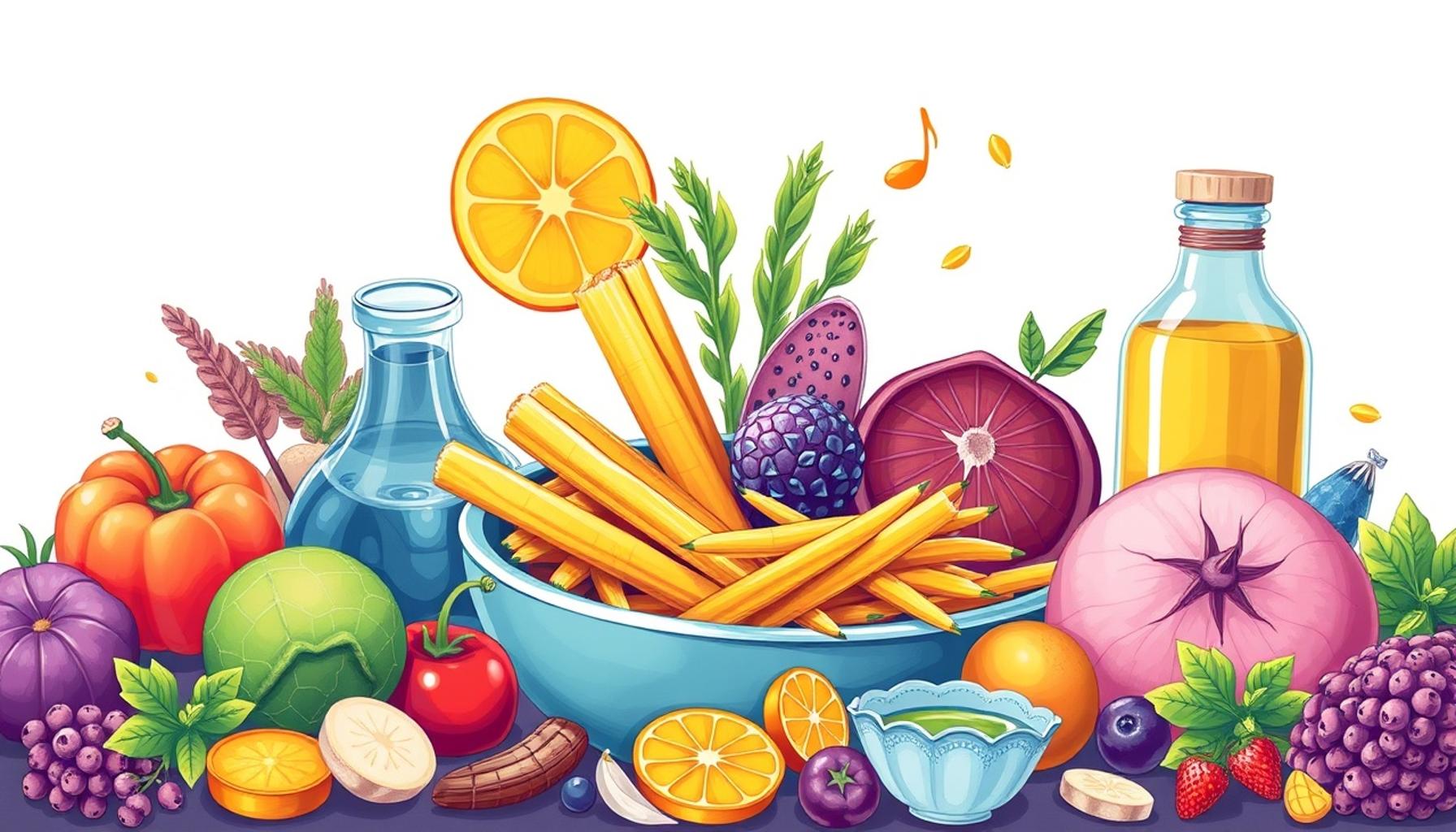
The Importance of Nutrition in Preventing Skin Aging
Understanding the Link Between Nutrition and Skin Aging
As we age, our skin undergoes a natural process of change that can often lead to visible signs of aging. However, the role of nutrition in this process is gaining increasing attention. By focusing on what we consume, we have the power to influence the health and appearance of our skin.
Key nutrients can significantly impact skin vitality and resilience. Here are some essential elements to consider:
- Antioxidants: Vitamins C and E play a crucial role in protecting the skin from oxidative stress caused by free radicals. Free radicals are unstable molecules generated by UV exposure, pollution, and other environmental factors. For instance, oranges and peppers are rich in Vitamin C, which aids in collagen production, essential for maintaining skin structure and preventing sagging. Similarly, almonds are a fantastic source of Vitamin E, which helps in neutralizing these harmful free radicals.
- Healthy Fats: Omega-3 fatty acids, found in foods like salmon and walnuts, are vital for maintaining skin hydration. These healthy fats help strengthen the skin’s barrier, preventing moisture loss. A diet rich in omega-3s can lead to a plumper, more youthful complexion. For individuals struggling with conditions like eczema or psoriasis, incorporating these fats has shown to result in noticeable improvements.
- Hydration: It may seem simple, but drinking enough water is essential for keeping skin looking fresh. Hydrated skin appears more plump and radiant, while dehydration can lead to dryness and increased wrinkles. In the United States, it’s often recommended to drink at least eight 8-ounce glasses of water a day, though individual needs may vary based on activity level and climate.
A balanced diet rich in these nutrients can help prevent premature aging. Research indicates that certain foods can enhance skin elasticity and reduce the appearance of fine lines. Foods such as:
- Berries: Specifically blueberries and strawberries, are packed with antioxidants that combat cellular damage.
- Nuts: Particularly Brazil nuts, which provide selenium that supports skin health.
- Leafy greens: Spinach and kale offer an abundance of vitamins and minerals necessary for skin repair.
- Fatty fish: Salmon and mackerel are excellent protein sources and packed with omega-3s.
Incorporating these foods into your daily meals may offer significant benefits. This emphasis on nutrition opens a broader conversation about how lifestyle choices impact not just overall health, but also the longevity and quality of our skin. Research consistently points to the importance of whole foods over processed options, as the latter often contain additives that may accelerate skin aging.
In this article, we will explore the essential nutritional elements that contribute to skin health and suggest practical dietary changes to promote a youthful complexion. Making simple adjustments in your diet can not only uplift your skin’s appearance but also enrich your overall wellbeing, leading to a more vibrant and confident you.

DISCOVER MORE: Click here to learn about hydration’s impact on aging
The Role of Vitamins in Skin Health
Vitamins serve as fundamental components in our diet that directly influence skin health and its ability to resist the signs of aging. A deficiency in key vitamins can lead to various skin issues, while an adequate intake can enhance skin resilience, texture, and overall appearance. Among the most vital vitamins for skin health are Vitamins A, C, D, and K.
- Vitamin A: This vitamin is renowned for its role in skin cell production and repair. As a powerful antioxidant, Vitamin A helps to reduce fine lines by promoting healthy cellular turnover. Foods rich in beta-carotene, such as carrots and sweet potatoes, convert into Vitamin A in the body, aiding in maintaining the skin’s integrity.
- Vitamin C: Essential for collagen synthesis, Vitamin C plays a pivotal role in supporting the skin’s structure. This vitamin also protects against photodamage and enhances skin brightness. Incorporating citrus fruits, kiwi, and strawberries into your diet can effectively boost your Vitamin C levels.
- Vitamin D: Often referred to as the “sunshine vitamin,” Vitamin D can be synthesized through sunlight exposure. However, many people still fall short of optimal levels, particularly in regions with long winters. Vitamin D is crucial for skin cell growth and repair, and a deficiency can lead to conditions like psoriasis.
- Vitamin K: While less recognized, Vitamin K plays a significant role in skin healing. It aids in reducing dark circles and improving skin elasticity, thereby contributing to a more youthful appearance. Leafy greens such as kale and spinach are excellent sources of Vitamin K, making them an important addition to an anti-aging diet.
Beyond vitamins, minerals also play a critical role in skin health. For example, zinc is essential for skin repair and can help reduce inflammation, making it vital for those with acne-prone skin. Foods such as oysters, pumpkin seeds, and lentils are filled with this beneficial mineral.
The intricate relationship between nutrition and skin aging is further highlighted when considering phytonutrients—bioactive compounds found in plants that support skin function and combat aging. Flavonoids found in berries, for instance, possess anti-inflammatory properties that can protect the skin from environmental stressors, reinforcing the benefits of a diet rich in colorful fruits and vegetables.
In order to harness the full potential of these vitamins and minerals for skin health, it is important to adopt a holistic approach to nutrition. This involves not only consuming a variety of nutrient-rich foods but also paying attention to maintaining a healthy lifestyle overall, which includes adequate sleep and routine exercise.
By understanding the pivotal role of these essential nutrients in skin aging, individuals can make informed dietary choices that promote not only a more youthful complexion but also an enhanced sense of well-being. As we explore further, we will delve into how specific dietary patterns and lifestyle choices can complement our efforts to combat skin aging and foster healthier, radiantly youthful skin.
The Role of Essential Nutrients in Skin Health
Nutrition plays a pivotal role in maintaining skin vitality and preventing signs of aging. A diet rich in antioxidants, vitamins, and healthy fats contributes significantly to skin health. Antioxidants, such as Vitamin C and E, protect the skin from oxidative stress caused by free radicals. Foods like berries, leafy greens, and nuts are abundant in these essential nutrients, providing a robust defense against premature aging.Moreover, healthy fats, particularly omega-3 fatty acids found in fatty fish, flaxseeds, and walnuts, help maintain the skin’s lipid barrier, ensuring it stays hydrated and supple. This is crucial as dehydrated skin tends to show signs of aging more prominently, including fine lines and wrinkles. The incorporation of these nutrients supports overall skin structure and resilience, allowing it to withstand the environmental stressors that lead to accelerated aging.
The Impact of Hydration
Another critical aspect of nutrition in preventing skin aging is hydration. Adequate water intake helps maintain skin elasticity and plumpness. When the skin is well-hydrated, it reduces the appearance of fine lines and improves overall complexion. Therefore, complementing your diet with sufficient water and hydrating foods—such as cucumbers, oranges, and watery fruits—can enhance skin health considerably.In addition to water, herbal teas and broths can be excellent choices for hydration, offering additional antioxidants. These beverages not only quench your thirst but also nourish your skin from within, promoting a youthful appearance.
Combatting Inflammation Through Diet
Chronic inflammation is a major contributor to skin aging. Foods high in refined sugars and unhealthy fats can induce inflammatory responses in the body. Instead, a diet rich in anti-inflammatory foods such as turmeric, ginger, and green tea can help combat this process. These foods not only support skin health but also improve overall well-being, making them essential components of any anti-aging strategy.Incorporating a variety of colorful fruits and vegetables into your meals ensures a broad spectrum of vitamins and minerals, providing the body with the tools it needs to repair and regenerate skin cells effectively. Furthermore, protein-rich foods such as legumes, lean meats, and dairy are crucial for collagen production, which maintains skin elasticity and strength.Ultimately, understanding the link between diet and skin aging highlights the importance of making informed nutritional choices. Transforming your eating habits can yield visible results in your skin’s appearance, making nutrition one of the best investments in your holistic beauty regime.
DISCOVER MORE: Click here for homemade beauty tips
The Impact of Antioxidants on Skin Aging
Another layer in the complex relationship between nutrition and skin aging is the role of antioxidants. Antioxidants are substances that help protect the skin from oxidative stress caused by free radicals, which are unstable molecules that can damage cellular structures, leading to premature aging. A diet rich in antioxidants can significantly slow down the aging process and promote overall skin health.
Commonly found in a variety of fruits and vegetables, antioxidants like vitamin E, selenium, and polyphenols play vital roles in maintaining skin vitality. Vitamin E, for instance, is a fat-soluble antioxidant that helps combat oxidative damage and can strengthen the skin’s barrier function, keeping it hydrated and supple. Nuts, seeds, and green leafy vegetables are excellent sources of vitamin E.
- Selenium: This trace mineral is crucial for the proper functioning of antioxidant enzymes within the body. It can help reduce inflammation and combat oxidative stress, which is often exacerbated by sun exposure and environmental pollutants. Brazil nuts, fish, and whole grains are rich in selenium. Its contribution to skin health cannot be overstressed, as it plays a significant part in the body’s ability to detoxify and repair damaged skin.
- Polyphenols: Found abundantly in foods such as green tea, dark chocolate, and a variety of berries, polyphenols offer powerful protective effects against skin aging. They possess anti-inflammatory properties and can improve skin texture, hydration, and elasticity. Studies have shown that green tea consumption can lead to a significant reduction in skin damage from UV rays, illustrating the protective potential of these compounds.
The consumption of colorful fruits and vegetables, which are high in antioxidant content, is a practical and delicious way to combat skin aging. The more diverse your diet, the more likely you are to ensure a broad spectrum of these protective nutrients. For example, bell peppers, blueberries, and broccoli not only add vibrancy to your plate but also deliver a powerful punch of antioxidants that can safeguard your skin.
Moreover, omega-3 fatty acids, commonly found in fatty fish like salmon, flaxseeds, and walnuts, contribute to skin health by reducing inflammation and maintaining skin moisture. Omega-3s help to strengthen the skin’s barrier function, which is crucial for keeping harmful substances at bay and locking in hydration. Increased intake of these healthy fats can promote a smoother complexion and diminish the appearance of fine lines.
While improving dietary choices is essential in mitigating the signs of aging, hydration must not be overlooked. Water plays a critical role in maintaining skin elasticity and can help flush out toxins that may contribute to aging. Drinking sufficient amounts of water daily ensures that the skin remains plump and radiant.
In conjunction with a nutrient-rich diet, adopting a holistic approach that encompasses adequate hydration, regular physical activity, and effective skincare regimens can amplify the benefits of nutritional choices. By focusing on the integrative approach of nutrition, it becomes increasingly clear how lifestyle factors contribute to the maintenance of youthful skin and the prevention of premature aging.
DISCOVER MORE: Click here to learn about hydration and your skin
Conclusion: Embracing Nutrition for Youthful Skin
In conclusion, the relationship between nutrition and skin aging is pivotal and multifaceted. A well-rounded diet enriched with essential nutrients—including antioxidants, omega-3 fatty acids, and hydration—can serve as an armor against the visible signs of aging. By incorporating a variety of colorful fruits and vegetables, high-quality proteins, and healthy fats, individuals can provide their skin with the tools it needs to combat oxidative stress and inflammation.
Moreover, the role of antioxidants such as vitamin E, selenium, and polyphenols in preserving skin vitality cannot be overstated. These compounds not only protect against cellular damage but also enhance skin hydration and elasticity, ultimately leading to a more youthful appearance. As such, boosting your intake of antioxidant-rich foods can be a delicious and enjoyable way to support skin health.
It is also essential to consider hydration as a crucial component in this game of skin longevity. Regular water intake is vital for maintaining skin elasticity and promoting a radiant complexion. Ultimately, the path toward optimal skin health is a comprehensive one, involving not only proper nutrition but also an active lifestyle and thoughtful skincare practices.
As you venture forth in your quest for youthful skin, remember that the choices you make at the dinner table can have lasting impacts on your skin’s condition. Cultivating a nutrient-rich diet will not only enrich your overall health but will also empower your skin to defy the hands of time.
Related posts:
Natural Therapies and Home Remedies to Combat Signs of Aging
Nighttime Skincare Routine: Essential Steps for an Anti-Aging Effect
The Importance of Sunscreen in Preventing Premature Aging
The Impact of Diet on Skin Longevity: Anti-Aging Tips from the Inside Out
The Impact of Stress on Skin Health and Its Implications for Aging
The Role of Hydration in Preventing Aging: Myths and Truths

Linda Carter is a writer and beauty expert specializing in skincare routines, cosmetic ingredients, and holistic self-care practices. With extensive experience helping individuals achieve healthy, radiant skin and make informed beauty choices, Linda shares her knowledge on our platform. Her goal is to empower readers with practical advice and science-backed strategies for lasting beauty and skin health.