
The Importance of Sunscreen Factor: How to Choose the Right Product for Your Skin

Understanding Sunscreen Factors
With the sun shining brighter than ever, protecting your skin has never been more crucial. Sunscreen is not just a summer accessory; it’s a year-round necessity that shields against harmful UV rays. Sun exposure can lead to numerous skin problems, including premature aging, sunburn, and an increased risk of skin cancer. Recent studies have highlighted that the incidence of skin cancer is rising, making effective sun protection more important than ever.
Choosing the right sunscreen involves understanding key elements that ensure maximum protection:
- SPF (Sun Protection Factor): This rating indicates the level of protection a sunscreen provides against UVB rays, which are the primary cause of sunburn and contribute to skin cancer. For adequate protection, dermatologists recommend using a sunscreen with at least SPF 30, which blocks approximately 97% of UVB radiation.
- Broad-spectrum coverage: While SPF measures UVB protection, broad-spectrum ensures you’re also shielded from UVA rays, which penetrate deeply into the skin and can lead to skin aging and certain types of skin cancer. Look for products that specify ‘broad-spectrum’ on the label.
- Water-resistant options: For those with active lifestyles or those who enjoy swimming or sports, water-resistant sunscreens are essential. These products stay effective for a certain period (usually 40 to 80 minutes) while you’re sweating or in the water, allowing you to stay protected even during rigorous activities.
But how do you determine which product is best for your unique skin type? Understanding your skin’s specific needs can lead to better choices:
- For oily skin, consider lightweight, non-comedogenic formulations. These products are designed to absorb excess oil and won’t clog pores, making them perfect for those prone to breakouts.
- If you have sensitive skin, choose sunscreens with physical blockers such as zinc oxide or titanium dioxide. These ingredients reflect UV rays and are less likely to irritate sensitive skin types.
- For dry skin, opt for moisturizing creams that contain hydrating ingredients like glycerin or hyaluronic acid in addition to sun protection. These formulations will help maintain moisture balance while protecting against sun damage.
Each skin type has distinct needs, and selecting the right sunscreen can prevent long-term damage, skin aging, and even skin cancer. Moreover, incorporating sunscreen into your daily skincare routine—even on cloudy days—reaffirms the importance of sun safety.
As you dive deeper into the world of sunscreens, you’ll uncover tips and recommendations that empower you to make informed choices. In the upcoming sections, we’ll explore how to select the perfect sunscreen for your skin’s needs and lifestyle, ensuring you can enjoy the sun safely and effectively.
DISCOVER MORE: Click here to learn about the surprising links between mental health and skin treatments
Knowing Your Skin Type
Understanding your skin type is crucial when it comes to selecting the right sunscreen. Each skin type reacts differently to sun exposure and requires tailored solutions for optimal protection. By identifying whether your skin is oily, dry, combination, sensitive, or normal, you can navigate the myriad of sunscreen options more effectively. Here’s a closer look at common skin types and the best sunscreen strategies for each.
Oily Skin
If you struggle with oily skin, it’s vital to choose a sunscreen that offers a matte finish. Look for products labeled as oil-free or non-comedogenic, which means they are formulated not to clog pores. A lightweight gel or spray sunscreen can be particularly beneficial, as they absorb excess oil without leaving a greasy residue. Furthermore, consider sunscreens that contain added salicylic acid or niacinamide, which can help control oil production and prevent breakouts.
Sensitive Skin
For those with sensitive skin, picking the right sunscreen is paramount to avoid irritation. Products containing physical blockers like zinc oxide or titanium dioxide provide excellent protection without chemicals that might trigger allergic reactions. Additionally, it’s wise to avoid fragrances and parabens, opting instead for mineral sunscreens that are often more gentle on delicate skin.
Dry Skin
If your skin tends to be on the dry side, the focus should be on hydration as well as protection. Choose sunscreens that include moisturizers, such as glycerin, hyaluronic acid, or botanical oils. These ingredients not only shield your skin from sun damage but also replenish moisture, ensuring your skin remains hydrated throughout the day. Cream-based formulas tend to work best for dry skin, providing a layer of richness while offering protection against harmful UV rays.
Combination and Normal Skin
For combination or normal skin, the sunscreen selection can be slightly more flexible. A lightweight lotion or cream with broad-spectrum SPF 30 or higher is generally suitable. Look for products that balance hydration and oil control, enabling your skin to maintain its natural structure without becoming overly oily or dry. Dual-function sunscreens that offer both hydration and sun protection will seamlessly fit into your skincare routine without added complications.
Ultimately, identifying your skin type and its unique requirements is crucial in choosing the best sunscreen. This knowledge not only enhances your daily skin regimen but also plays a significant role in long-term skin health. By selecting a sunscreen tailored to your skin’s needs, you are taking proactive measures to protect against premature aging, sunburn, and the serious risks of skin cancer.
In the next section, we will delve deeper into sunscreen formulations, discussing the various types available and how to choose the most effective one for your lifestyle and sun exposure habits.
The Importance of Sunscreen Factor: How to Choose the Right Product for Your Skin
Sunscreen is not merely a summer essential; it’s a year-round necessity for protecting your skin from harmful UV radiation. When selecting a sunscreen, understanding the sunscreen factor is crucial. The Sun Protection Factor (SPF) indicates the level of protection against UVB rays, which are primarily responsible for sunburn and can contribute to skin cancer. Choosing the right SPF is pivotal; dermatologists often recommend using a broad-spectrum sunscreen with at least SPF 30 for daily wear. This provides adequate protection while allowing a safe level of sun exposure for Vitamin D synthesis.
However, SPF is just one aspect of the sunscreen equation. The formulation plays a significant role in ensuring safety and effectiveness. For those with sensitive skin, selecting a physical sunscreen containing zinc oxide or titanium dioxide is advantageous as these ingredients create a barrier on the skin and are less likely to cause irritation. Additionally, for oily or acne-prone skin, lightweight, non-comedogenic formulas help prevent breakouts while providing necessary sun protection.
It’s also important to consider the sunscreen’s texture and water resistance. If you plan on swimming or sweating, look for a product labeled as water-resistant, as this will maintain its protective qualities longer. Remember that improper application can lead to diminished effectiveness, so be sure to apply generously and reapply every two hours, especially after swimming or excessive sweating.
| Type of Sunscreen | Key Benefits |
|---|---|
| Physical Sunscreens | Effective for sensitive skin, immediate protection upon application. |
| Chemical Sunscreens | Lightweight and easy to apply, better for daily wear without a white cast. |
Understanding these factors can empower you to make informed decisions about sun protection. As you explore various products, remember that utilizing sunscreen is an essential preventive measure against photoaging and skin cancer. Always consult a dermatologist if you have specific concerns regarding your skin type or sunscreen application techniques.
DIVE DEEPER: Click here to uncover the myths and truths about sunscreens</p
Understanding Sunscreen Formulations
Once you’ve established your skin type, the next step in selecting the perfect sunscreen is understanding the formulations available on the market. Sunscreens primarily fall into two broad categories: physical and chemical, each offering unique benefits and considerations based on your skin’s needs.
Physical (Mineral) Sunscreens
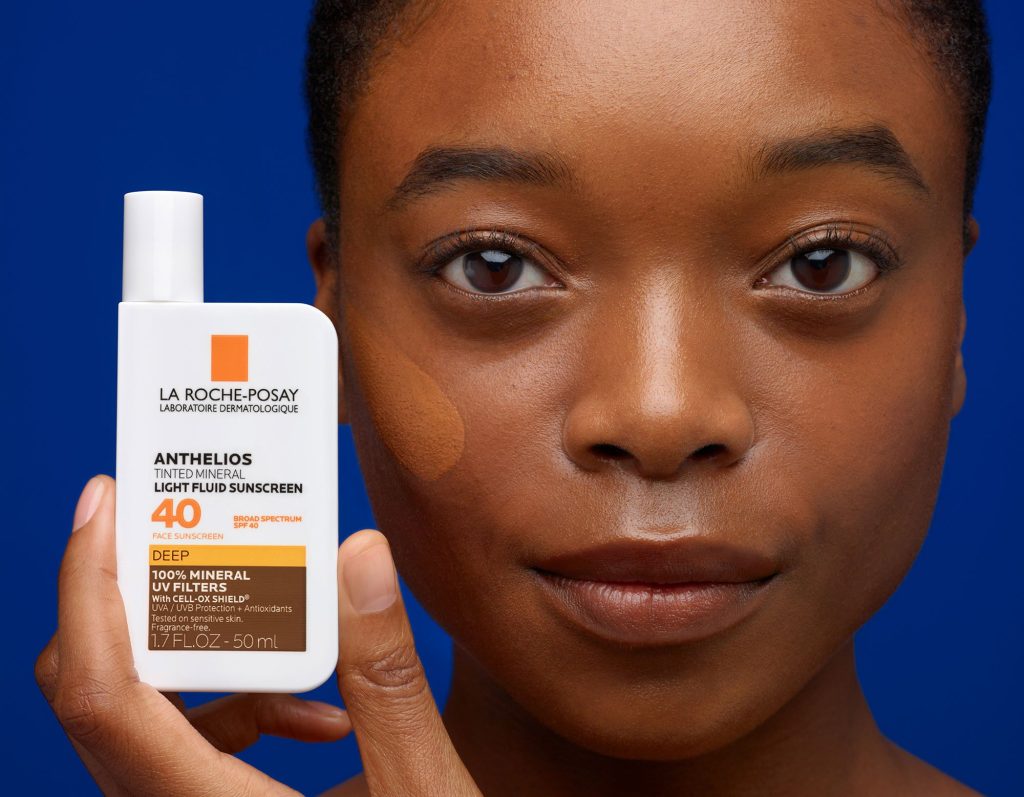
Physical sunscreens contain active mineral ingredients like zinc oxide and titanium dioxide. These ingredients work by sitting on top of the skin and reflecting harmful UV rays, effectively preventing them from penetrating. Physical sunscreens are often recommended for individuals with sensitive skin, as they are less likely to cause irritation compared to their chemical counterparts. Moreover, they start working immediately upon application, making them a great choice for spontaneous outdoor activities. However, it’s important to note that physical sunscreens can sometimes leave a white cast on the skin, especially for darker skin tones, although many formulations now offer tinted options to mitigate this effect.
Chemical Sunscreens
Chemical sunscreens, on the other hand, contain organic compounds such as avobenzone, octisalate, octocrylene, and oxybenzone. These substances absorb UV rays and convert them into heat, which is then released from the skin. While these formulations are often more lightweight and may feel more comfortable on the skin, they can take up to 20 minutes to become effective after application, requiring you to plan ahead if you’re heading out into the sun. Additionally, some individuals report sensitivities to certain chemicals, which can lead to irritation or allergic reactions. For those adopting an active lifestyle, choosing a broad-spectrum chemical sunscreen with added sweat and water resistance could enhance protection during high-performance activities.
SPF Rating and Broad-Spectrum Protection
Another crucial aspect when selecting a sunscreen is the Sun Protection Factor (SPF) rating. The SPF number indicates the level of protection against UVB rays, which are primarily responsible for sunburn. A higher SPF signifies increased protection; for example, SPF 30 blocks approximately 97% of UVB rays, while SPF 50 provides around 98% protection. For everyday use, dermatologists typically recommend a broad-spectrum sunscreen (which protects against both UVA and UVB rays) with at least SPF 30.
However, it’s vital to remember that no sunscreen can offer 100% protection. For this reason, reapplication every two hours, or more frequently if swimming or sweating, is essential for maintaining effective protection. Moreover, pairing sunscreen with other protective measures like wearing hats, sunglasses, and protective clothing can provide comprehensive defense against harmful UV rays.
Choosing Sunscreens for Specific Activities
Your sunscreen choice might also vary based on your lifestyle and activities. For instance, if you’re spending a day at the beach, you would benefit from a water-resistant formula, while those who enjoy an active lifestyle might prefer a lightweight gel or spray that is less likely to feel heavy during intense workouts. Sensitive skin individuals should prioritize mineral-based sunscreens, while those seeking something more fashion-forward might lean towards tinted or matte formulations that can double as makeup.
Selecting the right sunscreen involves a blend of understanding both your skin type and the various formulations available. Being equipped with this knowledge empowers you to make informed choices that protect your skin while fitting seamlessly into your daily life.
LEARN MORE: Click here to discover how quality sleep enhances
Conclusion: Embrace Sun Safety for Healthier Skin
In an era where skin health is paramount, understanding the importance of sunscreen cannot be overstated. As we explored throughout this article, selecting the right sunscreen is more than a mere cosmetic choice; it is a vital aspect of skin protection that combats both immediate concerns, such as sunburn, and long-term issues like skin aging and cancer. With various options available, from physical (mineral) to chemical formulations, consumers must navigate these selections based on their unique skin types and lifestyles.
As you choose your sunscreen, remember to consider factors like SPF ratings and broad-spectrum protection. Prioritize products that suit your activities, whether you’re swimming at the beach or enjoying a day in the park. Using sunscreen consistently and correctly—applying generously and reapplying regularly—is essential for optimal protection against harmful UV rays. Additionally, combining sunscreen with other protective measures, such as wearing protective clothing and hats, enhances your overall defense.
Ultimately, embracing sun safety is a commitment to your skin’s health and well-being. By taking the time to understand your options and making informed choices, you’re not just protecting your skin today; you’re investing in its future. So, as you plan your outdoor activities, ensure you’re equipped with the right sunscreen and enjoy the sun confidently and safely!
Related posts:
Sunscreen for Sensitive Skin: Options and Tips to Avoid Irritations and Allergies
The Importance of Reapplying Sunscreen: Practical Tips to Ensure Protection Throughout the Day
The Importance of Sunscreen Factor: How to Choose the Ideal Product for Your Skin Type
The Relationship Between Sunscreen and Skin Aging: How Sun Protection Can Prevent Wrinkles and Spots
Sun Protection and Skin Aging: Myths and Truths
The Additional Benefits of Sunscreen: Protection Against Pollution and Environmental Damage

Linda Carter is a writer and beauty expert specializing in skincare routines, cosmetic ingredients, and holistic self-care practices. With extensive experience helping individuals achieve healthy, radiant skin and make informed beauty choices, Linda shares her knowledge on our platform. Her goal is to empower readers with practical advice and science-backed strategies for lasting beauty and skin health.