The Role of Botanical Extracts in Preventing Skin Aging

The Power of Botanical Extracts in Skincare
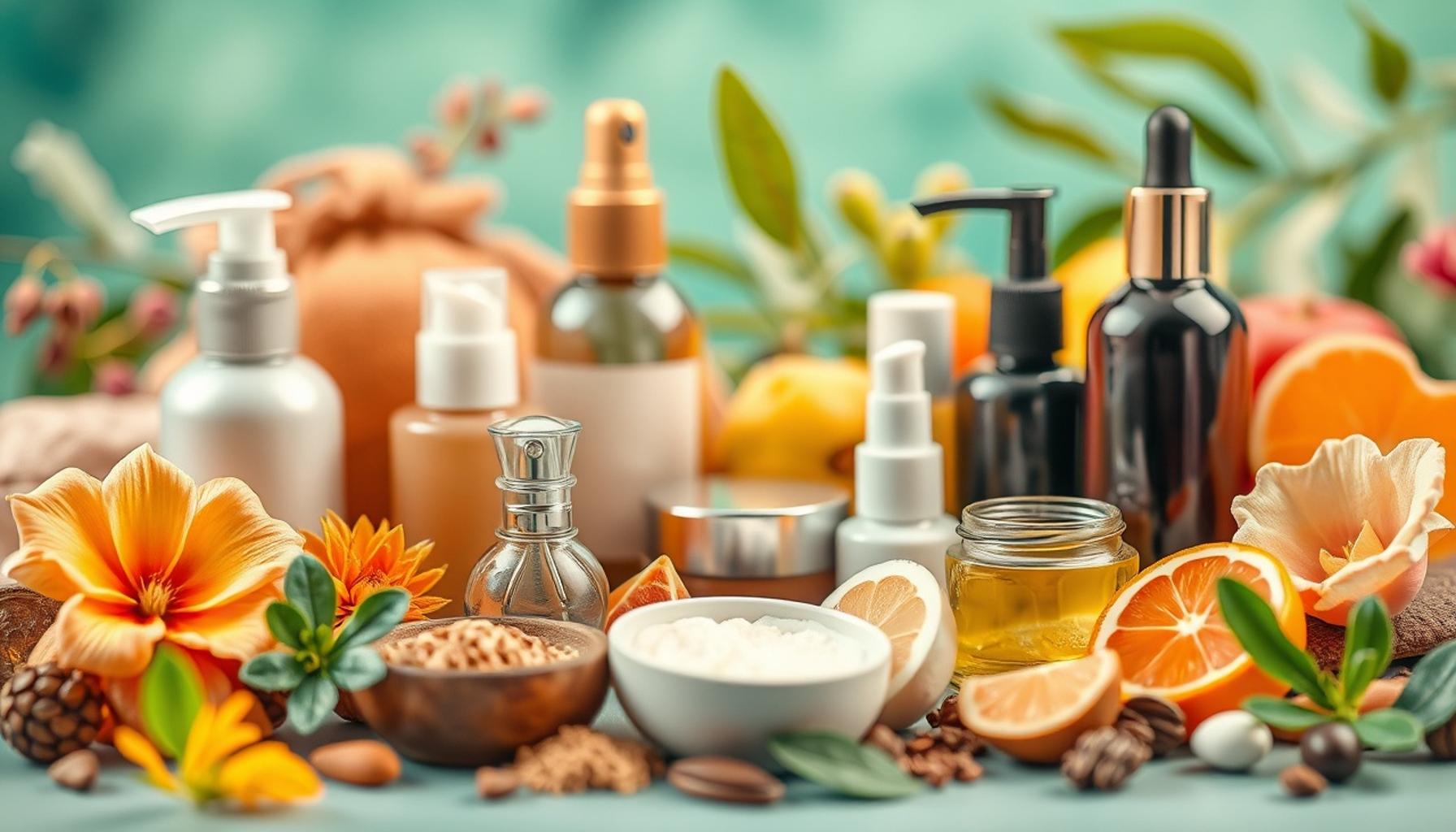
The quest for youthful skin often leads consumers towards the latest synthetic ingredients or chemicals. However, an increasing number of skincare enthusiasts are turning to botanical extracts, which are not only rooted in tradition but also validated by modern science. These extracts, derived from plants, are a treasure trove of nutrients and antioxidants that have been celebrated for centuries in various cultures for their skin-enhancing properties.
Understanding the Benefits
One of the primary reasons botanical extracts are considered essential in anti-aging treatments is their rich content of antioxidants. Antioxidants neutralize free radicals—unstable molecules that can cause oxidative stress, leading to premature aging and skin damage. For instance, research has shown that antioxidants like flavonoids in green tea can significantly improve skin barrier functions while protecting against UV damage.
Moreover, these extracts often possess anti-inflammatory properties. Natural compounds from sources such as chamomile and calendula can reduce redness and irritation, both of which contribute to an older appearance. By calming inflammation, these extracts can promote a more even skin tone and texture, paving the way for a smoother complexion.
Additionally, moisturizing effects are fundamental to maintaining the skin’s elasticity and plumpness. Many botanical extracts, such as jojoba oil and shea butter, not only hydrate but also enhance the skin’s natural moisture barrier, preventing water loss. This hydration is crucial as it provides the skin with a youthful glow, countering the dryness that often accompanies aging.
Spotlight on Popular Botanical Extracts
Among the myriad of botanical extracts available, a few stand out due to their impressive benefits:
- Aloe Vera: This succulent is famed for its soothing and hydrating properties. Often used in sunburn relief, aloe vera also promotes wound healing and skin regeneration, making it a valuable asset in any anti-aging skincare routine.
- Green Tea: Rich in polyphenols, especially epigallocatechin gallate (EGCG), green tea is revered for its ability to protect skin cells from damage and reduce the formation of fine lines. Studies suggest that applying green tea extracts can lead to improved elasticity and hydration.
- Rosehip Oil: Packed with vitamins A and C, rosehip oil is known for its skin rejuvenating benefits. It encourages cell turnover and regeneration, which can lead to a brighter and more youthful appearance. Its high fatty acid content also helps in retaining moisture.
Incorporating these powerful extracts into your daily skincare regimen can significantly enhance your skin’s health, offering a more holistic approach to maintaining vitality. As consumers become increasingly aware of the effects of pollution and stress on their skin, the use of botanical extracts provides a safe, effective, and often sustainable means to combat visible signs of aging. Exploring these natural alternatives not only enriches your skincare routine but can also lead to a deeper appreciation for nature’s bounty in the world of skincare.
DISCOVER MORE: Click here to learn about the wonders of Aloe Vera
The Science Behind Botanical Extracts and Skin Aging
As the beauty industry evolves, the importance of botanical extracts in preventing skin aging becomes ever more apparent. These natural solutions not only reflect a shift towards cleaner and more transparent skincare but also bring scientifically-backed benefits to the table. The components found within various plants serve a multitude of functions that go beyond mere hydration, targeting the underlying mechanisms of aging skin.
Harnessing Nature’s Arsenal of Nutrients
Botanical extracts serve as a rich source of phytochemicals, including vitamins, minerals, and essential fatty acids that contribute to healthier skin. For example, vitamin C, commonly derived from citrus fruits and certain berries, plays a vital role in collagen synthesis. Collagen is crucial for maintaining skin structure and elasticity. As we age, collagen production naturally declines, leading to sagging skin and wrinkles. By incorporating vitamin C-rich extracts like kakadu plum or acerola cherry into your skincare routine, you can help stimulate collagen production and reduce visible signs of aging.
Furthermore, many botanical extracts contain polyphenols, compounds known for their potent antioxidant effects. They combat oxidative stress caused by environmental factors such as pollution and UV radiation. A study showcased in the Journal of Clinical and Aesthetic Dermatology revealed that topical application of polyphenols helps to significantly reduce the adverse effects of sun exposure on the skin, thereby supporting its youthful appearance.
Exploring Anti-Aging Properties of Key Extracts
Let’s delve deeper into some of the most sought-after botanical extracts known for their impressive anti-aging benefits:
- Ginseng: Often referred to as an elixir for vitality, ginseng extract is packed with saponins that improve skin hydration and minimize fine lines. Its ability to promote blood circulation also enhances the delivery of nutrients to skin cells, thereby promoting a healthy glow.
- Peppermint Oil: Beyond its refreshing aroma, peppermint oil contains menthol, which has been shown to have cooling effects on the skin. This can help soothe irritation and enhance the skin’s natural barrier, leading to a more youthful appearance.
- Lavender Oil: Not just a calming scent, lavender essential oil has powerful antiseptic and anti-inflammatory properties that can instigate skin healing. Its use in various skincare products allows for better management of skin conditions that can accelerate the aging process.
As more consumers turn to botanical extracts for their anti-aging benefits, understanding the profound effects these natural ingredients can have is essential. The synergy between modern science and traditional plant wisdom not only enriches the effectiveness of skincare products but also aligns with a broader movement towards sustainability and holistic health. This growing knowledge empowers consumers to make informed decisions about their skincare, ultimately aiding in the pursuit of a youthful, vibrant complexion.
As the quest for youthful skin continues, the role of botanical extracts has gained significant attention. These natural compounds are rich in antioxidants, vitamins, and other beneficial properties that contribute to skin health and rejuvenation. One of the most compelling advantages of using botanical extracts is their ability to combat oxidative stress, a major contributor to skin aging. For instance, extracts from green tea and goji berries are known to neutralize free radicals effectively, thus preserving collagen and elastin fibers which are essential for skin elasticity and firmness.Moreover, many botanical extracts possess anti-inflammatory properties that can help soothe and calm irritated skin. Licorice extract, for example, has been shown to reduce redness and improve skin tone, giving it a more youthful appearance. Additionally, the hydrating properties of botanical ingredients such as aloe vera and hyaluronic acid are also paramount, as they help maintain moisture levels, making skin look plump and vibrant.Another noteworthy aspect is the ability of these extracts to promote cell turnover. Ingredients like rosehip oil and chamomile stimulate skin renewal processes, helping to diminish the appearance of fine lines and wrinkles. Regular use of products formulated with these extracts can lead to visibly smoother, more radiant skin.In a market increasingly inundated with chemical-laden products, botanical extracts offer a refreshing alternative that not only aligns with the growing trend toward natural and organic skincare but also delivers reliable anti-aging benefits. With ongoing research highlighting the powerful effects of these natural wonders, the future of skincare is undoubtedly green. Continued exploration of botanical extracts may reveal even more innovative applications for preventing skin aging, making them a staple in modern skincare routines.
DISCOVER MORE: Click here to enhance your skincare routine
Innovative Applications of Botanical Extracts in Skincare
As botanical extracts gain prominence in the anti-aging skincare realm, innovative applications are emerging, transforming how these ingredients are incorporated into products. Companies are increasingly developing formulations that maximize the efficacy of these botanical powerhouses, thus offering consumers more potent solutions for aging skin.
Combining Technology with Tradition
The intersection of ancient plant knowledge with modern technology is paving the way for more effective anti-aging skincare solutions. Advanced extraction methods such as supercritical CO2 extraction allow for the capture of the most beneficial compounds from plants without the use of harsh chemicals. This method retains the integrity of active ingredients, providing potent formulations that focus on dermal repair and revitalization.
A study published in the Journal of Cosmetic Dermatology noted that using extracts derived from green tea through supercritical extraction produces a product rich in catechins and antioxidants. This not only mitigates oxidative stress but also helps in delaying signs of aging by promoting skin cell regeneration. Formulators are using these extracts in moisturizers, serums, and even sunscreens, demonstrating their versatility and efficacy.
Botanical Extracts and Skin Microbiome
In recent years, the focus has expanded from merely combating the signs of aging to understanding the skin’s ecosystem, particularly the skin microbiome. This complex community of microorganisms plays a crucial role in skin health, and botanicals are proving to be not just beneficial but essential in promoting a balanced microbiome. Ingredients like probiotics derived from plants, such as fermented rice and soy extracts, support the skin barrier, enhance hydration, and stave off inflammation.
Furthermore, adaptations of traditional herbs, such as turmeric, are being integrated into cosmetic formulations due to their ability to modulate the immune responses of skin cells. Turmeric extract is known for its active compound, curcumin, which not only offers anti-inflammatory properties but also helps in maintaining an ideal balance within the skin microbiome—ultimately supporting a more youthful complexion.
Targeting Specific Age-Related Concerns
Botanical extracts can also be customized to target the specific needs of aging skin, such as dryness, loss of elasticity, or pigmentation changes. For instance, extracts from aloe vera provide hydration and promote skin healing, effectively improving the appearance of fine lines while combating dryness that becomes more pronounced with age. Similarly, extracts from horse chestnut are increasingly popular for their ability to improve circulation, which can diminish the appearance of dark circles and puffiness around the eyes, a common concern among older individuals.
The inclusivity of targeted botanical extracts in skincare not only addresses visible signs of aging but also builds a holistic approach to skincare that acknowledges individual varying needs. With consumers becoming more educated about their choices, brands that highlight the use of specific botanical extracts may have a competitive edge in the market.
This proactive approach towards skincare, enhanced by botanical extracts, illustrates a significant evolution in the quest for youthful skin, combining age-old wisdom with contemporary scientific strides. As research continues to unfold, the understanding and applications of these powerful plant-based ingredients will likely expand, ensuring they remain central players in the anti-aging narrative.
DISCOVER MORE: Click here to learn about the surprising link between mental health and skin treatments
Conclusion
In the dynamic world of skincare, the use of botanical extracts has emerged as a game-changer in the fight against skin aging. By marrying ancient knowledge of natural remedies with cutting-edge scientific techniques, the beauty industry is transforming how these plant-based ingredients are utilized to maintain youthful skin. The ongoing research into the beneficial properties of botanical extracts, such as green tea, turmeric, and aloe vera, reveals their profound impact on skin health, from promoting cell regeneration to enhancing hydration and balancing the skin microbiome.
Moreover, the rise of advanced extraction methods ensures that the potency of these extracts is preserved, offering consumers high-quality formulations that address various age-related concerns. As consumers become increasingly discerning and educated about their skincare options, brands that leverage targeted botanical extracts can better meet individual needs while standing out in a crowded market.
The holistic approach offered by incorporating botanical extracts not only tackles visible signs of aging but also supports overall skin vitality. In light of these developments, the future of anti-aging skincare looks promising, with botanical ingredients expected to play an even more significant role. As research progresses, embracing the synergy of nature and science could hold the key to unlocking the future of youthful skin, encouraging consumers to explore the vast possibilities that botanical extracts have to offer in their quest for timeless beauty.
Related posts:
Trends in Natural Cosmetics: How Biotechnology Is Integrating Natural Ingredients into New Formulati...
The Importance of Sustainability: How to Choose Beauty Products with Responsible Natural Ingredients
Comparison between Natural and Synthetic Ingredients in Beauty Products
Homemade Beauty Recipes: How to Create Your Own Skin Care Products Using Natural Ingredients
The Revolution of Natural Ingredients: How Plants and Herbs Transform the Beauty Industry
The Benefits of Aloe Vera: How This Natural Ingredient Can Transform Your Skincare Routine

Linda Carter is a writer and beauty expert specializing in skincare routines, cosmetic ingredients, and holistic self-care practices. With extensive experience helping individuals achieve healthy, radiant skin and make informed beauty choices, Linda shares her knowledge on our platform. Her goal is to empower readers with practical advice and science-backed strategies for lasting beauty and skin health.