
The Role of Sunscreen in Preventing Skin Aging: Myths vs. Facts

The Essential Role of Sunscreen in Skin Health
In today’s society, where looking youthful is often celebrated, the conversation around sunscreen has become increasingly significant. Many people believe that applying sunscreen is merely an option for sunny days, but the truth is far more compelling. Easily accessible information has given rise to numerous myths that can cloud our understanding of how sunscreen genuinely protects our skin.
Consider these common misconceptions:
- Sunscreen is only necessary in summer. Contrary to this belief, harmful UV rays penetrate clouds and can even reflect off surfaces like water and sand, making sunscreen essential year-round.
- Higher SPF means better protection. While it is true that higher SPF provides more coverage, the difference is marginal beyond SPF 30. It’s also necessary to apply a sufficient amount to achieve the advertised SPF level.
- Dark skin doesn’t need sunscreen. This is a dangerous misconception. While darker skin has more melanin, which offers some natural protection, it is still susceptible to sun damage, hyperpigmentation, and skin cancer, making sunscreen vital for everyone.
With advancements in dermatological research, we now know that the role sunscreen plays extends beyond merely preventing sunburn. It is crucial in safeguarding against the long-term effects of sun exposure, including premature aging and skin cancer. The sun emits two types of harmful rays: UVA and UVB. UVA rays penetrate deep into the skin, accelerating the aging process, leading to wrinkles and loss of elasticity. UVB rays, on the other hand, are responsible for sunburn and can directly damage the skin’s DNA, increasing skin cancer risk.
Understanding the facts about sunscreen is essential for maintaining healthy skin and combating aging effectively. Regular use of sunscreen can reduce the risk of developing skin cancer by 40%, according to the Skin Cancer Foundation. Moreover, consistent application of SPF can slow down the skin’s aging process, remarkably preserving its youthful appearance. Research indicates that people who use sunscreen daily show 24% less skin aging, highlighting its protective benefits.
This article delves into the role of sunscreen in preventing skin aging, separating fact from fiction. Prepare to uncover the realities of sun protection, learn how to choose the right products suited to your skin type, and grasp the profound long-term impact of daily sunscreen use on your skin’s future. Whether you’re dining outdoors in a sunny California café or taking a stroll through Central Park, making sunscreen a daily ritual is crucial for achieving lasting skin health.
DISCOVER MORE: Click here to learn about the vital role of nutrition in skin health
Debunking Common Sunscreen Myths
As the conversation around skincare continues to evolve, it is imperative to dispel longstanding myths that discourage individuals from utilizing sunscreen effectively. One prevalent myth is that SPF ratings are the sole factor to consider when choosing a sunscreen. However, one must also consider UVA protection, as it is crucial for preventing skin aging. Consumers often overlook the importance of broad-spectrum products that guard against both UVA and UVB rays—those labeled with labels like “broad spectrum” should be non-negotiable in your choice.
Another misconception is that sunscreen is only necessary during outdoor activities. Many believe that driving in a car or sitting by a window blocks UV rays. In reality, UV rays can penetrate glass, meaning skin exposure occurs even in transit or during indoor periods. Thus, even on overcast days or while working from home, sunscreen should become a staple in one’s daily routine.
Here are some more common myths associated with sunscreen usage that can hinder your skin’s health:
- Sunscreen stops working after a few hours. This is misleading. Sunscreen needs to be reapplied every two hours, especially after swimming or sweating, to maintain its protective benefits.
- Daily use of sunscreen isn’t necessary if you’re not sunbathing. Everyday sun exposure, whether from running errands or walking the dog, adds up and can contribute to skin damage over time.
- Natural and homemade sunscreens are equally effective. While the desire for natural products is understandable, not all homemade solutions provide adequate SPF protection or prevent absorption of harmful rays.
The Science Behind Sunscreen and Skin Aging
To comprehend the relationship between sunscreen and skin aging, one must delve into the science. Studies have shown that UVA rays are responsible for penetrating deep into the skin, leading to photoaging characterized by wrinkles, loss of elasticity, and pigmentation changes. In fact, researchers suggest that 90% of visible skin changes associated with aging can be attributed to sun exposure. Therefore, using sunscreen with adequate SPF is not just a precaution; it is an essential component of any anti-aging strategy.
Moreover, there is intriguing evidence that consistent sunscreen application can reverse some signs of aging. A landmark study published in the Journal of the American Academy of Dermatology found that daily sunscreen use resulted in a significant reduction of skin’s roughness and signs of photoaging over time. These revelations highlight the profound impact a simple daily practice can have on one’s skin health and appearance.
In summary, dispelling these myths is vital for empowering individuals to protect themselves adequately. Sunscreen is not just a summer companion; it is a year-round necessity that can combat skin aging effectively. As we explore further, understanding the mechanics of sunscreen will illuminate why this seemingly simple product holds the key to preserving youthful skin for years to come.
The Role of Sunscreen in Preventing Skin Aging: Myths vs. Facts
Sunscreen is often cited as an essential tool in the battle against skin aging. However, misconceptions abound regarding when and how sunscreen should be utilized. This section aims to dissect those myths while providing facts that elucidate the real benefits of consistent sunscreen use.
Myth 1: Sunscreen is Only Necessary on Sunny Days
One of the most prevalent myths is that sunscreen is only needed on sunny days. In reality, up to 80% of the sun’s UV rays can penetrate clouds, making it crucial to apply sunscreen regardless of the weather conditions. Even on overcast days, UVA rays, which contribute to skin aging, are still present and can lead to skin damage.
Myth 2: Higher SPF Means Better Protection
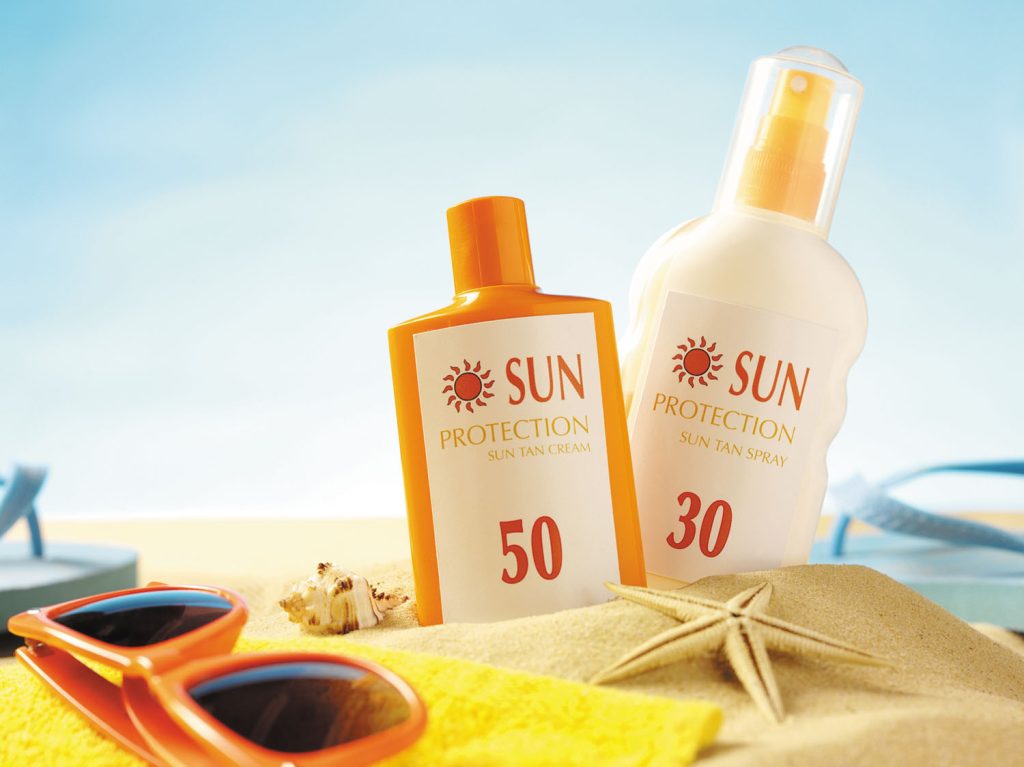
While many believe that a higher SPF rating offers significantly better protection, studies have shown that the difference in protection between SPF 30 and SPF 50 is marginal. SPF 30 blocks about 97% of UVB rays, while SPF 50 blocks about 98%. The more critical aspect is the even application of sunscreen and reapplication every two hours, especially when spending extended periods outdoors.
Myth 3: People with Darker Skin Don’t Need Sunscreen
This myth suggests that those with darker skin tones are immune to skin aging effects caused by the sun. However, all skin types can suffer from sun damage and premature aging. The melanin in darker skin provides some natural protection, but it does not eliminate the need for sunscreen; without it, problems such as hyperpigmentation and textural changes can still occur.
Fact: Daily Sunscreen Use Can Slow Down Aging
Research indicates that regular use of sunscreen can visibly reduce the signs of skin aging, including wrinkles and fine lines. In a long-term study, participants who consistently used sunscreen showed an approximate 24% reduction in skin aging signs compared to those who did not. This highlights the importance of incorporating sunscreen into your daily skincare routine, as it is indeed a pivotal player in skin longevity and health.
| Category | Description |
|---|---|
| Protection from UV Rays | Sunscreen protects against harmful UV rays that lead to skin damage. |
| Prevention of Premature Aging | Regular use helps in reducing the appearance of wrinkles and fine lines. |
By debunking these myths and embracing the facts, users can make informed choices regarding sunscreen application, thus fostering healthier and more youthful skin over time. As the options for sunscreens continue to evolve, it’s imperative to consider products that fit seamlessly into your daily regimen, ensuring that protecting your skin becomes second nature.
DISCOVER MORE: Click here for essential tips
The Importance of Consistent Sunscreen Application
When it comes to preventing skin aging, consistency is key. The effectiveness of sunscreen is not solely reliant on SPF or broad-spectrum labels; rather, it hinges on regular application as part of a daily routine. Dermatologists recommend applying sunscreen every morning, even on cloudy days, to combat the UV rays that remain pervasive throughout the year. According to the American Academy of Dermatology, daily application can significantly minimize the cumulative damage that contributes to skin aging.
In practice, this means incorporating sunscreen into your skincare regimen just as you would with moisturizing or cleansing. Many individuals are surprised to learn that makeup products with sunscreen may not provide sufficient protection unless applied generously. The average person tends to apply only about half the amount of sunscreen needed for optimal effectiveness. For example, a person should aim for approximately one ounce (about the size of a shot glass) to cover their body adequately, and approximately a quarter-sized amount is suggested for the face alone.
Choosing the Right Sunscreen for Your Skin Type
Not all sunscreens are created equal, and understanding your specific skin type can enhance both comfort and efficacy. For those with oily skin, gel-based or matte-finish sunscreens can help prevent clogged pores. Conversely, individuals with dry skin might benefit from cream formulations that provide additional hydration. Importantly, options containing antioxidants, such as vitamin C or niacinamide, can offer enhanced protection against oxidative stress and may even support skin repair. Utilizing the right formulation can transform your experience with sunscreen from a chore into a pleasant, beneficial part of your daily regimen.
Moreover, sunscreen formulations are becoming more versatile, with innovations expressing a focus on skincare benefits. Many brands now combine SPF with anti-aging ingredients, including peptides and hyaluronic acid, allowing users to tackle multiple skin concerns simultaneously. This is particularly significant for those aiming to streamline their beauty routines while still addressing aging. The market’s growing emphasis on hybrid products reflects an increased awareness of the role that sunscreen plays beyond merely preventing sunburn; it is integral to maintaining youthful skin.
Understanding SPF and UV Radiation
Broadly, understanding the differences between UVA and UVB rays is essential in developing a comprehensive sun protection strategy. UVA rays, which penetrate deeper into the skin and are primarily responsible for photoaging, are prevalent even during periods of low UV exposure. Conversely, UVB rays cause the more immediate effects of sunburn. Therefore, while SPF primarily measures UVB protection, a broad-spectrum formula will shield against both types of radiation, preventing not just sunburn but also long-term skin damage.
Interestingly, research reveals that even sun-derived vitamin D does not necessitate excessive sun exposure. Safe practices involving sufficient sunscreen levels can mitigate skin risks while still supporting adequate vitamin D synthesis. Supplements or dietary sources remain advantageous for those cautious about sun exposure while maintaining skin integrity.
In a world flooded with diverse options and conflicting information, approaching sunscreen application with educated assurance is crucial. Understanding formulations, applying consistently, and debunking myths can transform sunscreen from an afterthought into a proactive measure in preserving youthful skin.
DISCOVER MORE: Click here to learn about the evolution of moisturizers
Conclusion: The Essential Role of Sunscreen in Skin Aging Prevention
In conclusion, the potential of sunscreen as a barrier against skin aging cannot be overstated. Armed with the facts surrounding its benefits, individuals can confidently incorporate sunscreen into their daily skincare regimen. Debunking myths about SPF and understanding the need for broad-spectrum protection against both UVA and UVB rays fosters a more profound appreciation for this everyday essential. The truth remains that daily application of sunscreen acts as a shield, significantly reducing the risk of sun-induced skin damage.
Moreover, the choices available today have evolved to cater to a diverse range of skin types and preferences. From lightweight gels to rich creams infused with nourishing antioxidants, there is a formulation suited for everyone. The incorporation of anti-aging ingredients further emphasizes that sunscreen is not just a protective measure but a valuable ally in the quest for youthful, healthy skin.
Research continually underscores the need for consistent application — with dermatologists recommending one ounce for the body and a quarter-size for the face as the norm. The message is clear: whether basking in the summer sun or embracing a winter chill, vigilance is key. As awareness grows around the harmful consequences of UV exposure, understanding and utilizing sunscreen effectively can lead to longer-lasting skin health.
Ultimately, in the intricate dance between sun exposure and skin health, sunscreen stands as a formidable partner. Embracing its use can make all the difference against the inevitable signs of aging, empowering individuals in their journey to preserve skin vitality and beauty. The quest for age-defying skin starts today—prioritize your sunscreen, and let your skin thank you tomorrow.
Related posts:
The Impact of Diet on Skin Health: Foods That Promote Radiance and Repair
The Evolution of Skin Treatments: From Natural to Technological
Skin Treatments and Sustainability: How to Choose Eco-Friendly Products
The Influence of Social Media on Skin Treatment Expectations
The Importance of Sunscreens in Skincare Routines
The Role of Nutrition in Skin Health: Essential Nutrients for Effective Treatments

Linda Carter is a writer and beauty expert specializing in skincare routines, cosmetic ingredients, and holistic self-care practices. With extensive experience helping individuals achieve healthy, radiant skin and make informed beauty choices, Linda shares her knowledge on our platform. Her goal is to empower readers with practical advice and science-backed strategies for lasting beauty and skin health.