
The Science Behind Chemical Peels: How They Transform Your Skin

Understanding the Efficacy of Chemical Peels
In recent years, the popularity of chemical peels has skyrocketed in the U.S., as individuals seek effective solutions for achieving a radiant and youthful complexion. This cosmetic treatment, which involves the application of a chemical solution to exfoliate the skin, has proven to be a versatile option for addressing a variety of skin issues. The effectiveness of chemical peels lies not only in their simplicity but also in the science behind the ingredients used in the formulations.
Targeted Skin Concerns
Chemical peels are particularly well-regarded for their effectiveness in treating specific skin concerns. Each type of peel caters to different conditions, making them adaptable to individual needs. Some of the most common issues targeted by chemical peels include:
- Aging signs: Chemical peels can significantly reduce the appearance of fine lines and wrinkles, offering a more youthful appearance by promoting collagen production and skin elasticity.
- Hyperpigmentation: For those struggling with dark spots or uneven skin tone, chemical peels can effectively lighten these areas, resulting in a brighter and more uniform complexion.
- Acne scars: Many individuals affected by previous breakouts find solace in chemical peels, which help in minimizing the appearance of scars left behind by acne.
- Rough texture: The exfoliating nature of these treatments leads to a smoother skin surface, effectively reducing rough patches and fine imperfections.
The Chemistry Behind the Peel
At the heart of the chemical peel process lies a variety of acids, each chosen for their unique properties. Common ingredients include glycolic acid, known for its ability to penetrate deeply and exfoliate effectively, as well as salicylic acid, which is particularly beneficial for oily and acne-prone skin. Trichloroacetic acid is often used for deeper peels aimed at more severe hyperpigmentation and fine lines.
The application of these acids initiates a controlled exfoliation process that results in several key benefits:
- Stimulated cell turnover: This accelerated renewal process fosters the growth of healthier, more resilient skin.
- Collagen production: As the outer layers of the skin are removed, the body responds by boosting collagen and elastin production, which are essential for maintaining skin’s firmness and elasticity.
- Improved absorption: With layers of dead skin cells removed, subsequent skincare products can penetrate deeper and work more effectively.
Exploring the Future of Skincare
Diving deeper into the science of chemical peels reveals a fascinating interplay between research and real-world application. Innovations in peel formulations continue to emerge, and ongoing studies are evaluating how different concentrations and combinations of acids can optimize results. As awareness of the capabilities of chemical peels grows among consumers, more individuals are likely to explore these transformative treatments as part of their skincare regimens.
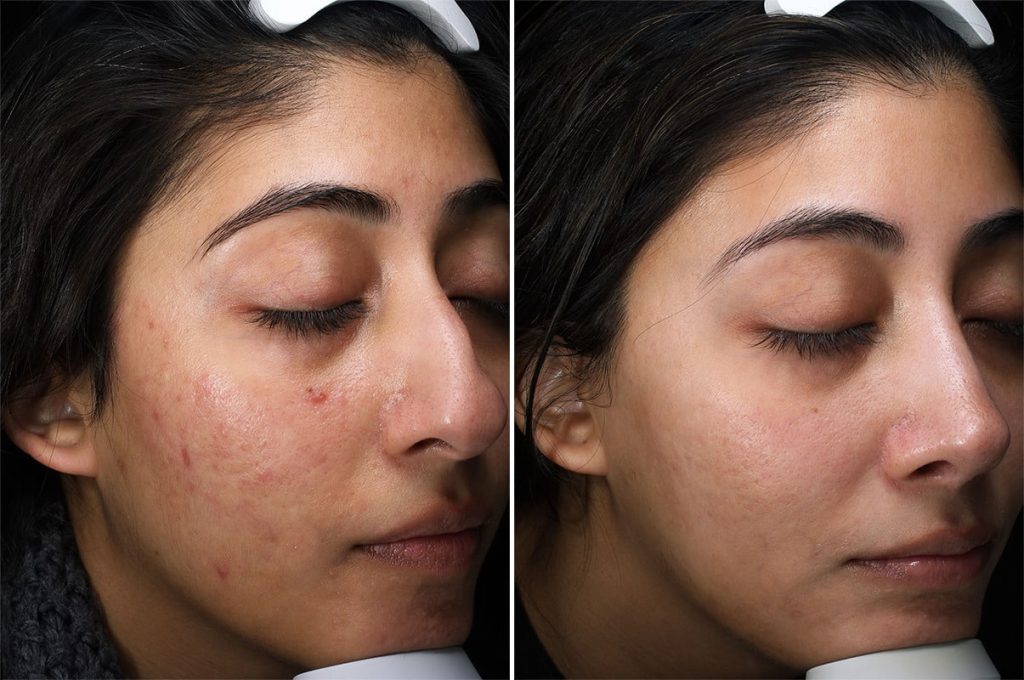
Whether you are concerned about aging, pigmentation, or texture, chemical peels offer a customizable solution. Are you ready to unlock the secrets of smoother, more vibrant skin through this advanced skincare technique?
DISCOVER MORE: Click here to learn about additional benefits
The Benefits of Chemical Peels Explained
While the concept of applying acids to the skin may sound daunting, chemical peels are actually a powerful tool in modern skincare. By understanding the benefits and mechanics of chemical peels, individuals can make more informed decisions about incorporating them into their beauty routines. This section will delve into some of the scientific advantages that chemical peels offer, illuminating how they can lead to healthier and more radiant skin.
Transformative Skin Rejuvenation
Chemical peels are designed to remove dead skin cells from the surface, thereby unveiling a fresher layer beneath. This process is not just superficial; it can significantly enhance the appearance of various skin types and conditions. Here are some of the ways chemical peels are known to promote skin rejuvenation:
- Enhanced brightness: As the old, dull skin is exfoliated away, a natural radiance is revealed, giving your complexion a brightened appearance.
- Reduction of fine lines: By promoting cell turnover, chemical peels help in minimizing the visibility of fine lines, creating a smoother surface that reflects light better.
- Minimized pores: Consistent treatments can lead to a reduction in pore size, as the peel helps to prevent the buildup of excess sebum, making skin appear more refined and even.
- Smoother texture: With the removal of rough patches and imperfections, skin feels significantly smoother, allowing for easier makeup application and reduced chances of flaking.
Understanding Aftercare for Optimal Results
The success of a chemical peel does not solely depend on the procedure itself; proper aftercare is critical to achieving the desired outcomes. Post-peel skin can be sensitive and more reactive to environmental factors, thus necessitating a strategic skincare regimen. Following a chemical peel, consider these essential aftercare tips:
- Hydration is key: Keep the skin moisturized with lightweight, hydrating products to support the healing process.
- Sun protection: The newly revealed skin layer is more susceptible to sun damage. Using broad-spectrum sunscreen with an SPF of 30 or higher is essential for protecting the skin.
- Avoid irritants: For a few days following the peel, steer clear of exfoliants, retinoids, and other harsh treatments to give the skin time to recover.
- Stay consistent: Depending on the peel type, regular treatments every few weeks or months can maintain results and prolong the benefits of smoother skin.
As with any cosmetic treatment, understanding the science behind the product can drastically enhance one’s experience. Chemical peels stand out not only for their effectiveness but also for their ability to be tailored to meet individual skin needs. With a wealth of information available, now is the perfect time to explore the potential of chemical peels for achieving luminous and revitalized skin.
Chemical peels utilize a range of acidic solutions to exfoliate the skin, making them particularly effective for addressing various skin concerns. During the procedure, these acids penetrate the outer layers of the skin, stimulating cell turnover and revealing fresher, healthier skin beneath. This process can significantly reduce the appearance of fine lines, sun damage, and blemishes, creating a more uniform complexion. The primary types of chemical peels include superficial, medium, and deep peels, each categorized by the depth of skin they treat and the concentration of acids used. Superficial peels, often based on glycolic or salicylic acid, are simple procedures that exfoliate lightly, making them suitable for those seeking minor adjustments. Medium peels use trichloroacetic acid (TCA) to address deeper issues, while deep peels, utilizing phenol, penetrate the skin more aggressively, providing dramatic results but requiring longer recovery times.Patients often experience initial redness and peeling after a chemical peel, which is a normal part of the healing process. The duration of these effects can vary depending on the type and depth of the peel administered. It’s critical to consult with a qualified dermatologist to determine the appropriate peel for your specific skin type and goals. In recent years, there’s been a growing interest in combining chemical peels with other skin rejuvenation techniques, such as microdermabrasion or laser treatments, to enhance results. These complementary procedures can maximize skin renewal and improve overall texture and tone. Many skincare enthusiasts are increasingly turning to chemical peels as a way to achieve glowing skin without invasive surgeries.If you’re intrigued by how chemical peels can transform your skin, the next step is understanding the specific ingredients in the peels and how they work on a biological level. This knowledge can empower you to make informed choices for your skincare regime.
DON’T MISS: Click here for essential tips on moisturizer use
Exploring the Different Types of Chemical Peels
Chemical peels are not one-size-fits-all treatments; they come in a variety of depths and formulations, each tailored to address specific skin concerns. Recognizing the different types of chemical peels is essential for effective skincare. This section will elucidate the distinctions between superficial, medium, and deep peels, helping readers understand which option might be best for their individual skin needs.
Superficial Peels
Superficial chemical peels are the gentlest of the three categories, typically utilizing mild acids such as glycolic or salicylic acid. These peels work primarily on the outermost layer of skin, providing a subtle exfoliation that rejuvenates the skin without significant downtime. Ideal candidates for superficial peels include those looking to enhance their skin’s overall texture or address minor issues such as uneven skin tone or rough patches. Benefits of superficial peels include:
- Quick recovery: Minimal peeling or redness occurs, often allowing individuals to return to their daily routine shortly after treatment.
- Increased hydration: Many materials in superficial peels contain hydrating properties, which can lead to enhanced moisture retention in the skin.
- Frequent treatments: These peels can be safely repeated every few weeks, allowing for continuous improvement over time.
Medium Peels
Employing stronger acids like trichloroacetic acid (TCA), medium chemical peels penetrate deeper compared to superficial peels. They are designed to address moderate skin concerns such as fine lines, age spots, and acne scars. Because the effects are more pronounced, medium peels typically involve some downtime, leading to peeling and redness for several days. Key advantages include:
- Enhanced radiance: Users often notice significant brightness and clarity in their complexion shortly after the skin has healed.
- Collagen stimulation: By reaching the dermal layer, medium peels encourage collagen production, which can lead to a firmer and plumper appearance.
- Improved skin tone: These peels can also target pigmentation issues, providing a more uniform and youthful skin tone.
Deep Peels
Deep chemical peels, utilizing agents like phenol, penetrate the skin at a more profound level, capable of producing long-lasting results for severe sun damage and deep wrinkles. Typically reserved for experienced practitioners, deep peels involve a significant recovery period—often requiring a week or more of downtime. Despite the extensive healing time, the results can be transformative, leading to:
- Long-term rejuvenation: Deep peels can result in years’ worth of improvement in skin texture and firmness.
- Comprehensive skin remodeling: These peels reshape the skin’s structure, providing scaffolding for fresh new skin cells.
- Reduced need for future treatments: The transformative effects may eliminate the need for subsequent treatments for years, benefiting those seeking long-lasting solutions.
Understanding the different types of chemical peels opens the door to informed decision-making in skincare. Whether seeking a subtle refresh or a more dramatic transformation, there is a chemical peel option to meet each individual’s unique needs and skin concerns. The vast array of formulations and depths ensures that patients can effectively target their specific issues while achieving radiant, rejuvenated skin.
DISCOVER MORE: Click here to learn how relaxation techniques can benefit your skin
Conclusion: Embracing the Transformative Power of Chemical Peels
In the world of skincare, chemical peels have emerged as a powerful tool for those seeking to revitalize and rejuvenate their skin. With a comprehensive understanding of the different types, from superficial to deep peels, individuals can tailor their treatments to effectively address specific skin concerns. Each peel type offers unique benefits, ranging from subtle texture enhancements to profound transformations that combat deep wrinkles and sun damage.
It is crucial to consult with a qualified professional to determine the most suitable option for your unique skin type and goals. Not only do these treatments promote collagen production and improve overall skin tone, but they also empower individuals by restoring confidence and enhancing self-image. As the science continues to advance, chemical peels are likely to become even more innovative, introducing new formulations that complement ever-evolving skincare needs.
Furthermore, the aesthetic benefits of chemical peels are complemented by their accessibility—offering both at-home products and in-clinic treatments that can fit a variety of schedules and budgets. To achieve optimal results, consistency and proper aftercare are essential. As more individuals embrace the transformative power of chemical peels, they not only unveil brighter, youthful skin but also foster an ongoing journey towards wellness and self-care.
As you contemplate your skincare routine, consider how chemical peels might act as a catalyst for change—a decision that can lead to healthier, more radiant skin and a renewed sense of confidence. Dive deeper into the science, explore your options, and embark on your path to transformation today.
Related posts:
How to Identify Skin Type and Choose the Ideal Treatment
Emerging Trends in Skin Treatments: Innovations and Natural Ingredients on the Rise
The Evolution of Skin Treatments: From Natural to Technological
Advanced Therapies in Skin Treatments: Microneedling and Laser
The Benefits of Personalized Skin Treatments: How Genetics Influences the Choice
Natural Remedies for Common Skin Issues: What Works and What Doesn't

Linda Carter is a writer and beauty expert specializing in skincare routines, cosmetic ingredients, and holistic self-care practices. With extensive experience helping individuals achieve healthy, radiant skin and make informed beauty choices, Linda shares her knowledge on our platform. Her goal is to empower readers with practical advice and science-backed strategies for lasting beauty and skin health.