The Craft Therapy: How to Create and Connect with Your Creativity to Reduce Stress
Unlock Your Creativity
In today’s fast-paced world, stress can quickly become overwhelming. Many individuals are seeking imaginative outlets to combat anxiety and reconnect with their inner selves. Craft therapy has emerged as a vibrant solution, merging creativity with mental well-being.
What is Craft Therapy?
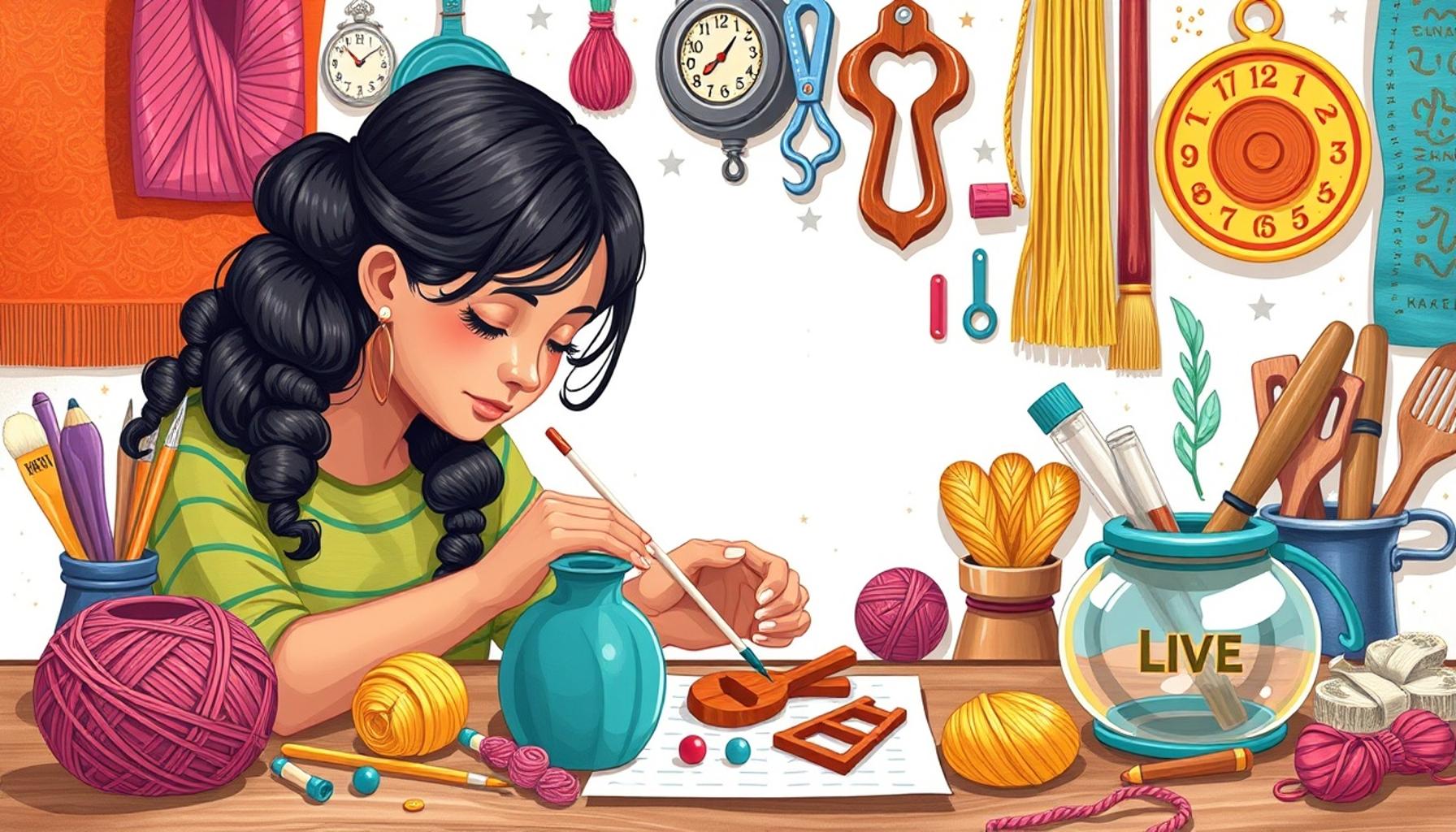
Craft therapy involves using artistic activities to promote relaxation and emotional stability. By engaging in hands-on projects, participants can experience numerous benefits, such as:
- Stress Relief: Focusing on creative tasks can divert attention from stressors. For instance, a person might find solace in creating a scrapbook that encapsulates cherished memories, allowing them to immerse themselves in the nostalgia of happier times.
- Enhanced Mood: Engaging in creative expression releases dopamine, which elevates feelings of joy. Activities like painting or crafting jewelry can lift one’s spirits, transforming negative emotions into vibrant creations. Research has shown that even a short session of artistic activity can lead to a notable mood boost.
- Mindfulness: Crafting encourages being present, fostering a sense of calm. Practices like knitting or pottery require focus and attention, effectively pulling individuals away from their racing thoughts and anchoring them in the moment.
Why is it Effective?
Craft therapy not only nurtures creativity but also supports mental health by:
- Creating a tangible sense of accomplishment. Completing a project, whether it’s a hand-painted vase or a knitted scarf, brings a sense of pride that can significantly improve self-esteem.
- Encouraging social connections through group projects. Crafting classes or clubs, often hosted in local community centers, provide opportunities for individuals to meet others, share experiences, and build friendships. These connections can serve as vital support networks.
- Providing a structured way to express emotions. Crafting can act as a visual diary, allowing individuals to communicate feelings they might struggle to articulate verbally. For example, creating an expressive paper collage can help process complex emotions.
With a wide array of crafting options available, from knitting and painting to woodworking and pottery, exploring this therapy can lead to valuable discoveries about oneself. Moreover, contemporary trends like DIY home projects and sustainable crafting not only enhance creativity but also align with eco-friendly practices, allowing individuals to engage with their environment positively.
As we embark on this creative journey together, it is essential to recognize that crafting is not just a pastime; it is a meaningful way to connect with oneself and others. Through craft therapy, individuals can unveil their creative potential and may even find a new passion that enriches their lives, proving to be an effective antidote to stress.
DISCOVER MORE: Click here to elevate your cake decorating skills
The Healing Power of Crafting
Craft therapy is not just a trend; it is a profound method to harness creativity as a tool for reducing stress and enhancing mental clarity. As we dive deeper into this therapeutic approach, it becomes evident that engaging in crafting can be a rich and rewarding experience that contributes significantly to one’s overall well-being. The act of creating something tangible allows individuals to express emotions, explore new ideas, and connect with their innermost thoughts.
How Crafting Speaks to the Soul
Participants in craft therapy often report a transformative sense of engagement as they immerse themselves in creative activities. The following key elements illustrate how crafting resonates on a personal level:
- Emotional Expression: Crafting provides an avenue for individuals to express feelings that may be challenging to verbalize. Through artistic mediums like painting, drawing, or sculpting, people can communicate complex emotions, leading to a visible representation of their inner turmoil or joy.
- Cognitive Benefits: The mental stimulation involved in crafting enhances cognitive functions, such as problem-solving and critical thinking. Tasks that involve designing patterns or figuring out how to assemble a project can keep the mind engaged and fend off negative thoughts.
- Personal Growth: Craft therapy invites individuals to step outside their comfort zones and explore new skills. Whether learning to sew or taking up woodworking, the journey fosters resilience and adaptability, qualities that are invaluable in managing the challenges of daily life.
One of the remarkable aspects of craft therapy is its adaptability. Regardless of age or expertise, there is something for everyone. From children learning to weave friendship bracelets to adults participating in pottery classes, crafting provides an inclusive environment where all can discover their creative voices. Such a diverse range of activities means that individuals can choose what resonates with them the most, enhancing their engagement and overall therapeutic experience.
Crafting Communities: Connection and Support
In addition to the personal benefits of craft therapy, it fosters community and connection. Many find that joining crafting groups or workshops creates a supportive environment where members share not only their artistic endeavors but also their experiences and challenges. These social connections can alleviate feelings of isolation, offering companionship and encouragement. In fact, studies show that individuals who engage in group crafting activities report feeling a sense of belonging that is crucial for mental well-being.
Moreover, local community centers and online platforms across the United States actively promote craft groups that cater to various interests. Such programs encourage teamwork and collaboration, with participants often forming lasting friendships through their shared passion for creation. This shared journey can be a vital anchor during stressful times, reminding individuals that they are not alone in their struggles.
In summary, craft therapy is a multifaceted approach that fosters emotional expression, cognitive engagement, and community connection. By exploring the diverse world of crafting, individuals can unlock their creativity, turning stress into a vibrant canvas of opportunity and self-discovery.
As you engage in craft therapy, one of the most significant aspects is the ability to reconnect with your inner creativity. Crafting offers a multitude of benefits that can have a profound impact on mental well-being. Firstly, crafting techniques such as knitting, painting, or woodworking not only provide a creative outlet but also serve as a form of mindfulness. When you focus on the process of creating, you immerse yourself in the present moment, which can drastically reduce feelings of stress and anxiety. This meditative state allows your mind to clear away distractions and worries, fostering a sense of calm.Furthermore, engaging in craft activities can stimulate the release of endorphins, the body’s natural mood lifters. These feel-good hormones are often released when we achieve a sense of accomplishment, such as completing a project or mastering a new skill. As your confidence in your creative abilities grows, you may find yourself experiencing a notable boost in self-esteem.Another important benefit of craft therapy is its ability to promote social connections. Participating in group crafting activities or classes can lead to new friendships and support networks. Social interaction itself is an excellent method for alleviating stress, as sharing experiences with others can enhance your sense of belonging and community.Moreover, craft therapy enables you to express your emotions in a healthy manner. Whether through vibrant colors or intricate patterns, the art you create can become a visual representation of your feelings. This artistic expression can be particularly therapeutic for those who struggle to articulate their thoughts verbally.As you continue to explore the dynamic realm of crafting, it’s essential to prioritize your creative journey. Embrace the process without the pressure of perfection; after all, the act of creating is what truly matters. Whether you’re a seasoned artist or a beginner, the therapeutic benefits of craft are boundless and transformative—making it a vital component in managing stress and fostering creativity in our daily lives. Consider implementing craft therapy into your routine, and take the first step to rediscover and connect with your creativity. Each small project is a significant step towards nurturing your mental health and enhancing your quality of life. In essence, craft therapy is not just about creating art; it’s about nurturing the soul and finding joy in the simplicity of making.
DIVE DEEPER: Click here to learn how art can uplift your spirit</p
Exploring Diverse Crafting Modalities
Craft therapy encompasses a vast range of techniques and artistic expressions, each offering unique pathways to stress relief and creativity enhancement. Participants can explore various modalities, allowing them to discover what resonates best with their personal style and emotional needs.
Artistic Mediums: Finding Your Expression
From traditional painting to innovative digital art, the possibilities within craft therapy are virtually limitless. Each medium has distinct advantages and can cater to different emotional states:
- Painting and Drawing: These classic art forms are excellent for emotional release and self-expression. With each brushstroke or pencil mark, individuals can externalize their thoughts and feelings, offering a therapeutic outlet for pent-up emotions. Recent studies indicate that even just 20 minutes of painting can significantly reduce cortisol levels, providing an instant sense of calm.
- Knitting and Crocheting: These tactile crafts engage the hands in repetitive motions that can be soothing to the mind. The focus required in knitting or crocheting can create a meditative state, allowing individuals to momentarily set aside worries and immerse themselves in the rhythm of their craft.
- Paper Crafts: Activities such as scrapbooking, card making, or origami provide creative outlets that encourage personalization and reflection. These crafts enable participants to celebrate milestones or capture memories, fostering a sense of accomplishment and pride.
- Mixed Media and Sculpture: Engaging in three-dimensional creations challenges individuals to think outside the box and utilize various materials. This form of craft therapy promotes adaptability and resourcefulness, encouraging problem-solving skills that can translate to everyday life challenges.
By experimenting with different artistic mediums, individuals can find the one that aligns with their emotional journeys, providing a tailored approach to stress reduction.
Cognitive Engagement Through Crafting
Beyond self-expression, crafting serves as an intellectual exercise that sharpens cognitive functions. Engaging in crafts demands focus and attention to detail, which can enhance mindfulness. This state of awareness allows individuals to remain present, effectively anchoring them in the moment—a crucial skill in combatting anxiety and stress.
A recent survey conducted by the American Art Therapy Association highlights that over 65% of participants experienced increased levels of focus and creativity when engaging in craft-related activities. This mental engagement, combined with the hands-on nature of crafting, provides a perfect antidote to the overwhelming swirl of daily stressors.
The Long-Term Benefits of Craft Therapy
The psychological benefits of craft therapy extend well beyond the immediate relief of stress. Long-term engagement in crafting has been associated with enhanced resilience, patience, and a heightened sense of self-esteem. These invaluable skills equip individuals to navigate life challenges more effectively, contributing to sustained mental health.
Furthermore, participating in regular craft activities encourages goal-setting and perseverance. As individuals embark on crafting projects, they learn to set achievable milestones, a practice that translates into other areas of life, fostering a proactive approach to stress management.
Some mental health professionals incorporate crafting into therapy sessions, recognizing its potential as a powerful tool for healing. By combining creative expression with clinical guidance, therapists can help individuals address deeper emotional issues while providing them with a constructive outlet.
In today’s fast-paced world, the simple act of creating—whether through knitting, painting, or crafting—can be a lifeline to mental well-being. With such varied approaches available, craft therapy remains a beacon of hope for those seeking solace from the pressures of contemporary life.
EXPLORE MORE: Click here to dive deeper into the impact of social media on DIY crafts
Conclusion: The Impact of Craft Therapy on Stress Reduction
As we navigate an increasingly hectic world, craft therapy emerges as a powerful tool for mental well-being, offering individuals a tangible way to enhance creativity while alleviating stress. By immersing themselves in various crafting techniques—from painting and knitting to mixed media and sculpture—participants can unleash their potential for self-expression and personal growth. The hands-on nature of these activities fosters a meditative state, allowing individuals to focus on the present moment and diminish the overwhelming pressures of daily life.
Moreover, the cognitive benefits associated with crafting extend far beyond mere relaxation. Studies reveal that engaging in these creative pursuits not only enhances mindfulness but also sharpens cognitive functions, providing an essential counterbalance to the anxieties that often plague us. This dual benefit positions craft therapy not only as a calming exercise but as a catalyst for improved focus and creativity.
The long-term advantages associated with consistent engagement in craft therapy, such as resilience, patience, and heightened self-esteem, indicate its profound impact on emotional health. By setting achievable goals and celebrating progress in their projects, individuals cultivate a proactive approach to managing stress, thereby equipping themselves to face the challenges of everyday life better.
In summary, whether you are a seasoned artist or someone who has never picked up a paintbrush, crafting opens the door to a world of therapeutic possibilities. So, why not embrace the transformative power of creativity? Dive into the vibrant realm of craft therapy and explore its potential to enrich your life, providing you not just with creative outlets but with essential tools for stress management and emotional resilience.