Menu

The Influence of Musical Improvisation on Personal Expression

Musical improvisation serves as a profound tool for personal expression, allowing artists to explore emotions and share their stories. This spontaneous creation fosters emotional intelligence, enhances creativity, and deepens connections between artists and audiences. It invites individuals to embrace authenticity, paving the way for rich cultural understanding and self-discovery.

How Songwriting Can Serve as Emotional Therapy

Songwriting serves as a powerful form of emotional therapy, enabling self-discovery and healing through creative expression. It promotes clarity, connection, and mindfulness, allowing individuals to articulate complex feelings and build community through shared experiences. This art form empowers personal growth and enhances overall mental well-being.

The Connection Between Music and Movement: Dance as a Form of Musical Expression

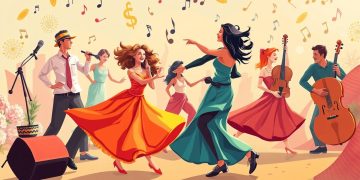
This exploration highlights the profound relationship between music and movement, emphasizing how dance serves as a powerful form of musical expression. It delves into emotional connections, cultural significance, and rhythmic interplay, showcasing dance as both a narrative tool and therapeutic medium that unites people through art and shared experiences.

Exploring Different Musical Genres as a Form of Creativity

Music serves as a powerful vehicle for creativity, showcasing diverse genres that reflect rich cultural narratives. From the improvisational spirit of jazz to the storytelling in country and the rebellious nature of rock, each genre invites exploration and innovation, fostering deeper connections among artists and listeners.

The Importance of Improvisation in Musical Expression

Improvisation is essential for musical expression, allowing artists to explore creativity and foster emotional connections with audiences. This spontaneous technique enhances musicianship and collaboration, promoting inclusivity in diverse musical settings. By incorporating improvisation into education, musicians develop unique identities and adapt to evolving artistic landscapes, enriching their craft.

How Playing a Musical Instrument Can Improve Mental Health

Playing a musical instrument greatly enhances mental health by reducing stress, boosting mood, and fostering emotional expression. Engaging with music promotes mindfulness, sharpens cognitive skills, and encourages social connections, serving as a powerful therapeutic tool for anxiety and depression. Embracing music offers a pathway to greater emotional resilience and well-being.

The Influence of Music on Personal Self-Expression

Music profoundly shapes personal self-expression, allowing individuals to articulate emotions, embrace cultural identities, and connect with others. By reflecting personal narratives and fostering community, music serves as both a therapeutic outlet and a platform for social change, enhancing the understanding of oneself and the world around us.

Exploring Different Music Genres as a Form of Self-Expression

Music genres offer profound avenues for self-expression, connecting individuals through shared emotions and experiences. From the rebellious spirit of rock to the storytelling roots of country, each style fosters identity exploration and cultural understanding, highlighting music's power to resonate universally and facilitate personal growth.

How Composing Music Can Help in Exploring Creativity

Composing music unlocks creativity by fostering emotional expression, enhancing problem-solving skills, and encouraging improvisation. Through diverse collaboration and technological integration, musicians explore innovative ideas, deepening self-reflection. This enriching practice cultivates a growth mindset, allowing individuals to harness their creative potential across various aspects of life.

The Role of Musical Performance in Communicating Emotions

Musical performance is a powerful medium for communicating emotions, transcending technical skill to create deep connections between performers and audiences. Elements like vocal dynamics, instrumentation, and cultural context enrich emotional expression, fostering shared experiences that resonate universally while inviting listeners to explore their own feelings.