Exploring Sustainability in Crafts: How to Create Unique Pieces with Recycled Materials
The Importance of Sustainable Crafting
As awareness around climate change and environmental degradation rises, more individuals and communities are embracing sustainable practices. Crafting with recycled materials not only mitigates waste but also presents fascinating avenues for creativity, allowing crafters to express their unique styles while being responsible stewards of the earth.
Consider the ubiquitous plastic bottle. In the United States alone, hundreds of millions of plastic bottles are discarded each day, contributing immensely to landfills. Creative artisans have turned this eye sore into a source of beauty by transforming plastic bottles into vibrant planters or whimsical lamps. One popular DIY project is to cut the bottoms off bottles and upend them to create hanging planters that can brighten up any space with greenery.
Old newspapers, often seen as clutter in many households, also provide endless crafting possibilities. Beyond traditional uses in papier-mâché, these rescued pages can be woven into unique art pieces or even used to create custom gift wrap that adds a personal touch to presents. Workshops around the country are showcasing techniques that blend art with sustainability, where participants learn to repurpose newspapers into functional and decorative items, such as decorative bowls and wall art.
Fabric scraps, remnants from sewing projects, typically end up in the trash, yet they are a goldmine for crafters. With a little creativity, these bits can be transformed into cozy quilts, trendy tote bags, or even stunning floral decorations that can liven up any home. Techniques like fabric weaving and patchwork quilting are gaining popularity, as they embody the spirit of upcycling and embody the idea that the sum of all parts can create something truly extraordinary.
Crafting sustainably offers more than just an outlet for creativity; it also fosters a greater appreciation for the intrinsic value of materials that often go unnoticed. It encourages a shift in mindset, inviting individuals to rethink their consumption habits and engage in practices that benefit the environment. Community groups, workshops, and social media campaigns are emerging across various states, prompting a cultural shift towards sustainable crafting.
In the following sections, we will dive deeper into practical techniques for recycling materials creatively, present an array of inspiring project ideas, and highlight interviews with artisans who are at the forefront of this green crafting movement. Whether you’re just beginning your crafting journey or are a seasoned pro, there is ample room for adventure in the sustainable crafting landscape.
DISCOVER MORE: Click here to dive deeper
Unleashing Creativity with Recycled Materials
Embracing sustainability in crafts opens up a world of opportunities for innovative expression and problem-solving. When we think about recycled materials, it encompasses an array of items that can be repurposed, rejuvenated, and transformed into stunning craft projects. Those who dive into sustainable crafting often find that the process is as fulfilling as the finished product, fostering not just creativity, but a deeper connection to the environment as well.
Let’s explore some prevalent materials that can be transformed into unique crafts, sparking not only artistic inspiration but also a conversation about environmental responsibility:
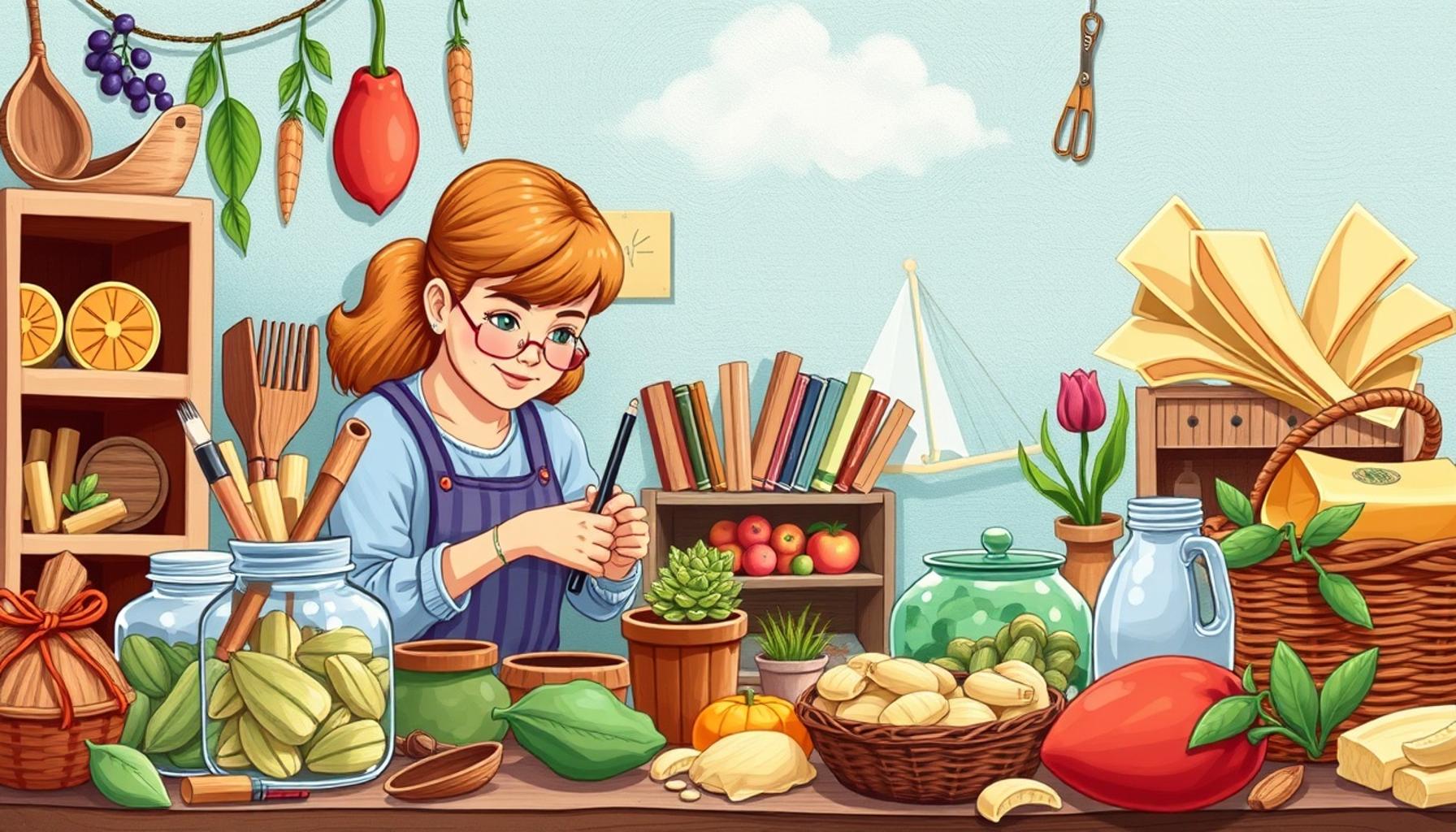
- Glass Jars: These versatile containers can be upcycled into stylish candle holders, chic storage for tiny treasures, or even incorporated into intricate mosaics. With a bit of paint and creativity, they can illuminate a space in charming, eco-friendly ways.
- Cardboard Boxes: Often viewed as mere trash, cardboard can be molded into striking sculptures or practical items like organizers. Many artists create elaborate dioramas or minimalistic art pieces, effectively turning a disposable waste product into a centerpiece.
- Wood Scraps: Leftover lumber from construction projects or old furniture can serve as the perfect canvas for a variety of projects, from rustic coasters to bespoke wall art. The trend of using reclaimed wood to craft furniture, such as coffee tables or bookshelves, showcases not only creativity but also a commitment to sustainability.
- Old Clothing: With clothing waste being a pressing issue, turning unwanted fabric into something new is a fantastic way to both declutter and reduce landfill contributions. The emergence of “slow fashion” emphasizes using old clothes to create quilts, patchwork bags, or even decorative wall hangings.
In the realm of crafting, it’s not merely about the act of creating; it’s much about the stories we tell and the materials we choose. Each recycled material offers a unique narrative, connecting its previous life to a new creation. The practice of crafting with these materials can cultivate a sense of community, as many crafters share tips, workshops, and project ideas online.
Moreover, sustainability in crafts encourages a culture of mindfulness and resourcefulness. As crafters explore how to create unique pieces with recycled materials, they contribute to reducing waste and promoting a greener planet. It’s an avenue for advocacy that resonates especially well in today’s environmentally conscious marketplace, making recycled crafts not only a fulfilling pastime but also a potential source of income.
With a multitude of online platforms showcasing tutorials and DIY guides, there has never been a better time to embark on a sustainable crafting journey. As we dive deeper into specific techniques and project examples in the following sections, you’ll discover that your next innovative masterpiece may be hidden within what others consider waste. So gather those forgotten items, and let’s celebrate the art of sustainability together!
Crafting with recycled materials is not only a creative endeavor but also a powerful form of environmental advocacy. By choosing to use items that would otherwise contribute to landfill waste, crafters promote sustainability and foster a deeper connection with their environment. The act of repurposing materials allows individuals to explore their artistic abilities while cultivating an awareness of resource conservation.As we delve deeper into this creative domain, it’s essential to recognize the diverse range of materials available for crafting. Common items such as plastic bottles, old newspapers, and fabric scraps can be transformed into stunning creations, from functional home decor to fashionable accessories. The beauty of *upcycling* lies in the challenge to think outside the box, pushing the boundaries of conventional craft materials.Moreover, engaging in crafting with recycled materials can lead to unique storytelling. Each piece can embody a narrative, reflecting the history of its components and the journey it has taken from waste to art. This not only adds value to the crafted item but also sparks conversations about sustainability.In terms of practical advice, exploring local community workshops or online resources dedicated to recycling crafts can provide inspiration and guidance. Platforms and social media channels have begun highlighting makers who excel in the art of *sustainable crafting*, thereby forming a vibrant community eager to share techniques and tips. This accessibility encourages more people to participate, fostering a greater appreciation for innovation in sustainability.With growing awareness surrounding environmental issues, individuals are increasingly drawn to activities that contribute to personal well-being and global betterment. Crafting with recycled materials offers a unique intersection between creativity and responsibility, making it an appealing pursuit in our quest for a sustainable future.To summarize the vast potential of crafting with recycled materials, here’s a table showcasing several advantages of this rewarding practice:
| Advantage | Description |
|---|---|
| Environmental Impact | Reduces waste and promotes sustainable resource use. |
| Creativity Boost | Encourages innovative thinking and unique creations. |
| Cost-Effective | Saves money while promoting a sustainable lifestyle. |
Join the movement of sustainable crafting today, and not only will you create beautiful things, but you’ll also contribute to a larger purpose of protecting our planet.
DIVE DEEPER: Click here to uncover the power of music in self-discovery
Innovative Techniques to Transform Recycled Materials
As we delve deeper into the world of sustainable crafting, several techniques emerge that allow crafters to maximize the potential of recycled materials. With a touch of creativity and a pinch of ingenuity, everyday discards can be transformed into unique, functional pieces or awe-inspiring art. Here we explore some exciting techniques to elevate recycled crafting into an engaging experience:
1. Upcycling
Upcycling involves taking materials that would otherwise be thrown away and creatively renovating them into products of greater value or utility. For example, transforming an old wooden pallet into a trendy coffee table not only gives the wood a new life but also adds rustic charm to any living space. Upcycling is a reflection of art meeting purpose, demonstrating that sustainability does not compromise aesthetics.
2. Collage and Mixed Media
Collage is a powerful technique that invites creators to mix various materials together, including paper, fabric, and even plastic. Crafters can source old magazines, packaging, or shredded paper, combining these with paint or fabric to create visually stimulating pieces. For instance, layering colorful scraps can yield striking wall art or vibrant greeting cards. This method embodies sustainability by minimizing waste while celebrating the unexpected beauty found in seemingly unrelated items.
3. Mod Podge Magic
Using Mod Podge or other decoupage mediums allows crafters to attach and seal various textures and materials onto surfaces. Whether it’s wrapping old furniture in patterned paper or enhancing home décor with fabric scraps, this technique offers endless possibilities. By leveraging this versatile craft supply, you can breathe new life into tired items while maintaining an eco-conscious approach.
4. Handmade Paper
Transforming paper waste into handmade paper is a fulfilling way to create unique stationery, art prints, or even craft journals. By blending used paper with water and then draining the pulp, you can create one-of-a-kind sheets tailored to your design preferences. Each batch captures the essence of its origin, carrying the story of its materials. This process not only showcases creative skills but also minimizes the use of new paper, furthering the impact on the environment.
5. Natural Dyeing
Another fascinating technique is the use of natural dyes to give new vibrancy to recycled fabrics. By utilizing kitchen scraps like avocado pits or onion skins, crafters can explore creative dyeing processes that are not only safe for the environment but also yield beautiful, earthy colors. This method encourages resourcefulness, as it promotes the idea that every part of a waste product can have multiple uses.
These innovative techniques highlight how recycling can be both an artistic endeavor and a meaningful commitment to sustainability. They provide opportunities for personal expression while promoting the importance of reducing waste and preserving resources. As crafters experiment with different materials and methods, they become advocates for eco-friendly practices, influencing others in their communities to join the movement. The challenge lies in transforming the ordinary into extraordinary, and the rewards of this journey often extend beyond the craft itself, touching lives in tangible ways.
DIVE DEEPER: Click here to discover more
Conclusion: The Creative Path to Sustainable Crafting
In conclusion, the journey of exploring sustainability in crafts through the use of recycled materials opens up a world of creativity and innovation. As we embrace the concept of sustainability, these techniques, such as upcycling, mixed media, and natural dyeing, empower crafters to not only repurpose waste but also discover the innate beauty that lies within discarded items. This artistic transformation doesn’t just enhance personal spaces but plays a crucial role in advocating for eco-conscious living.
Through unique pieces crafted from recycled materials, individuals can convey their values and inspire others within their communities to reduce waste. The act of creating with purpose fosters a deeper appreciation for the resources we often take for granted. Crafters are encouraged to reimagine the potential of everyday items, pushing the boundaries of conventional crafting while contributing to a significant environmental impact.
As you embark on your own sustainable crafting journey, consider integrating learning opportunities about the impact of waste and resource management into your projects. Engaging workshops, online tutorials, and local craft fairs can enhance your skills and broaden your understanding of sustainability. With each creative endeavor, you not only enrich your craftsmanship but also champion a movement that prioritizes the planet’s health. Let the challenge of turning the ordinary into extraordinary guide you on a path of artistic expression and eco-awareness, ultimately transforming both your art and the environment.