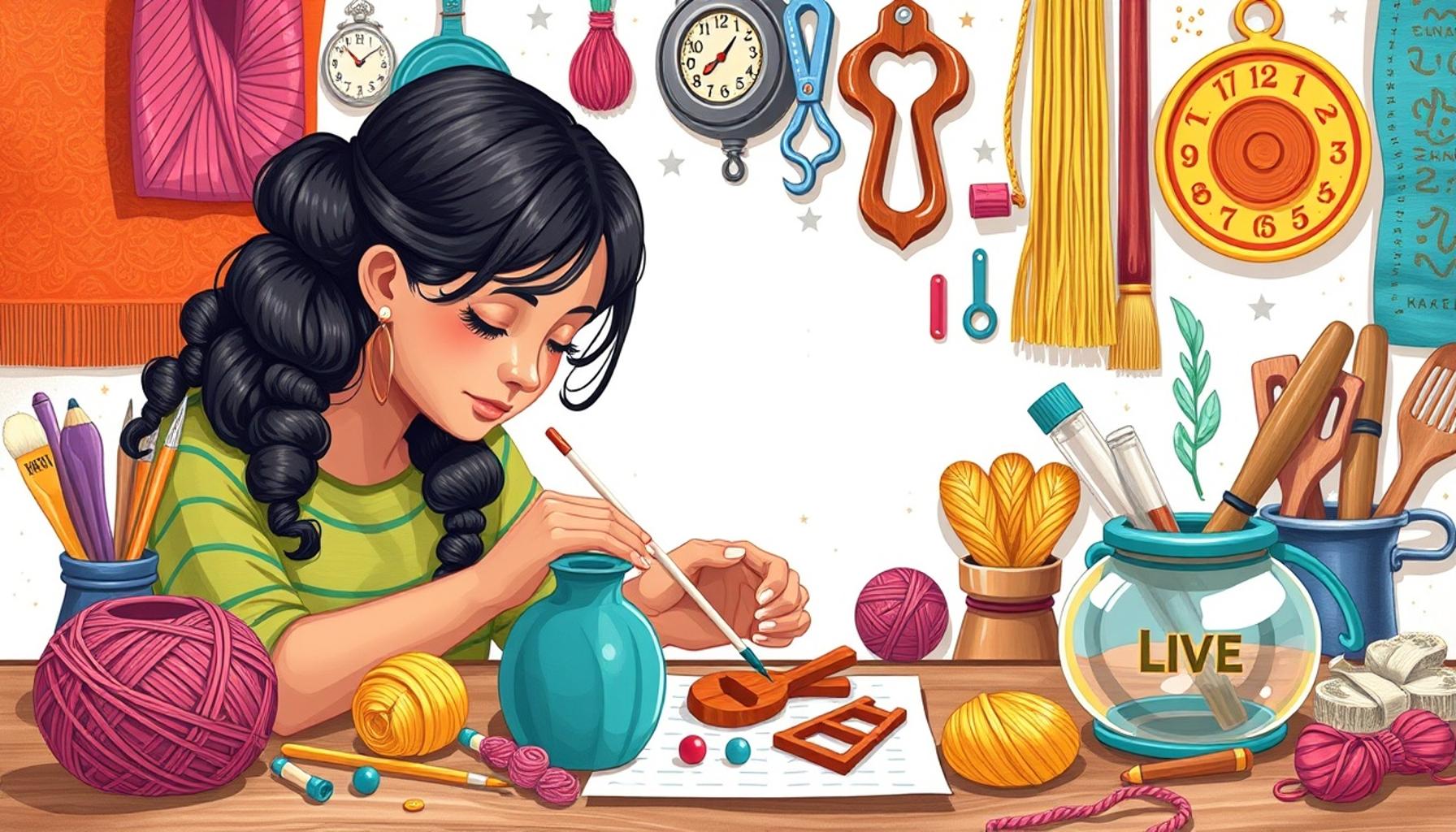
The Rise of Digital Crafting: How Technology is Changing the Way We Create
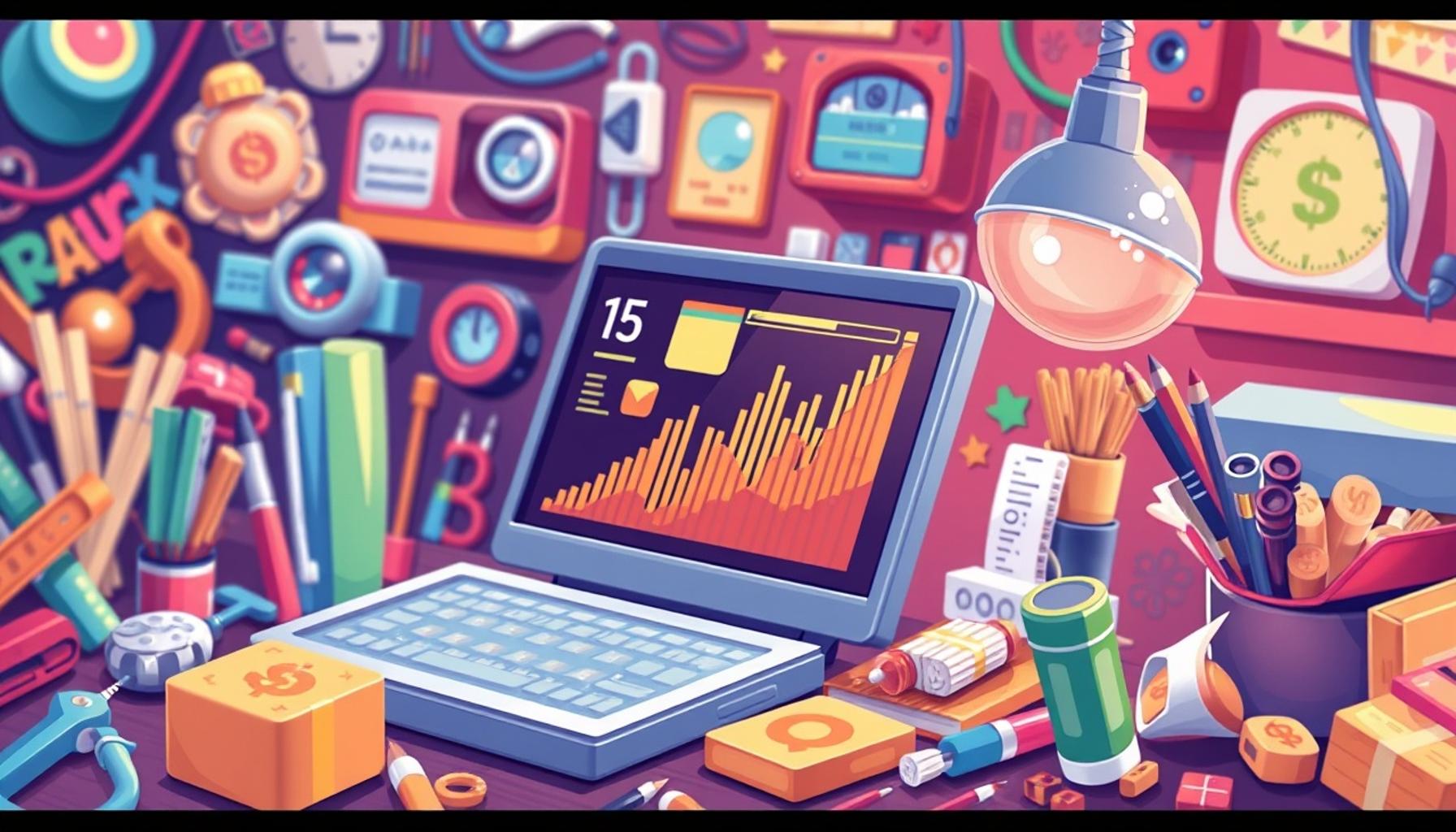
The Evolving Landscape of Digital Crafting
In the digital age, creativity is no longer confined to the physical dimensions of traditional crafting. Instead, it has embraced technology in a way that enhances the possibilities of artistic expression. This evolution has given rise to digital crafting, a movement that combines the essence of craftsmanship with innovative tech solutions. Individuals are now able to produce everything from intricate jewelry to custom furniture with relative ease and accessibility.
The proliferation of 3D printing exemplifies the dramatic shift in crafting methodologies. With desktop 3D printers becoming more affordable and user-friendly, hobbyists can create detailed prototypes or finished products at home. For instance, a budding artist can design and print unique figurines, allowing for endless customization possibilities. Applications such as Tinkercad and Fusion 360 offer intuitive interfaces for users to bring their ideas to life, further democratizing the world of design.
Accessibility in the Crafting Community
One of the most significant benefits of digital crafting is the unparalleled accessibility it provides. Online platforms like YouTube, Pinterest, and Instagram have become treasure troves of craft ideas and tutorials. Aspiring creators can learn new skills from the comfort of their homes, tapping into an expansive network of global artists and craftsmen. For example, a simple search for crochet techniques or woodworking tutorials can unveil dozens of creators eager to share their expertise. This interconnectedness has not only streamlined the learning process but has also inspired more individuals to experiment with their creativity.
Collaboration and Community Building
Moreover, the collaborative aspect of digital crafting cannot be overstated. Social media platforms and forums create opportunities for makers to connect and collaborate on projects, regardless of their geographical locations. Creative communities like Reddit’s r/crafts or craft-focused groups on Facebook allow members to exchange ideas, critique each other’s work, and provide encouragement. This sense of belonging fosters a dynamic environment where innovation thrives and where individuals can grow collectively.
Advanced Tools Empowering Creatives
In addition to online resources, the availability of advanced tools has propelled digital crafting into the mainstream. Technologies such as CNC (computer numerical control) machines and laser cutters have brought precision to crafting that was previously unattainable. Artisans can create striking designs with intricate detailing in wood, metal, and acrylic materials. For example, business owners can use laser cutters to create personalized gifts, while hobbyists might craft bespoke home decor. The newfound capabilities offered by these technologies inspire creators to push the boundaries of what’s possible in crafting.
The intersection of creativity and technology has not only led to innovative crafts but has also revitalized the handmade goods market. With a growing consumer appetite for personalized and unique items, the digital crafting tools market is projected to flourish. This shifting landscape offers both opportunities and challenges for traditional artisans and new makers alike, urging all to adapt and evolve.
As we delve deeper into the ramifications of technological integration in crafting, we invite you to explore the transformative impact of digital tools on creativity, community, and commerce. Join us on this journey as we uncover the layers of this fascinating intersection, inviting both seasoned crafters and newcomers to discover and redefine their creative paths.
The Influence of Technology on Crafting Techniques
As technology continues to permeate various aspects of our lives, its influence on crafting techniques has reshaped how creators develop and execute their projects. Digital crafting has made traditional skills more versatile, allowing artisans to blend time-honored methods with modern technological advancements. With software and hardware tools at their disposal, crafters are pushing the limits of their creativity, giving birth to entirely new art forms.
One of the foundational changes that technology has brought to crafting is the incorporation of design software. Applications like Adobe Illustrator and Canva have become essential tools for creators, enabling them to digitally sketch their ideas, manipulate designs, and produce high-quality graphics before they even begin crafting. This means that the design process is now faster and more efficient, allowing for quicker iterations and refinements. Creators can experiment with colors, shapes, and patterns without the constraints of physical materials, ultimately honing their vision in a risk-free environment.
Additionally, the rise of augmented reality (AR) and virtual reality (VR) is on the brink of revolutionizing how creators visualize their works. AR applications can overlay digital designs onto real-world environments, helping crafters envision how a piece will fit into existing spaces. For instance, homeowners considering a new piece of furniture can see a virtual model in their actual living room, allowing for more informed decisions and customizations. Meanwhile, VR platforms provide a completely immersive experience, enabling users to construct and manipulate three-dimensional objects in a digital realm.
Exploring Diverse Craft Modalities
The onset of digital crafting has also heralded the emergence of diverse craft modalities. Here are a few notable trends that are shaping the contemporary crafting landscape:
- Embroidery Digitization: Traditional embroidery can now be digitized with the help of software that converts images into stitches, enhancing precision and creativity.
- Mixed Media Art: Artists are utilizing digital illustrations combined with physical materials, resulting in hybrid creations that blur the lines between digital and traditional art.
- Interactive Installations: Technology allows for installations that respond to viewer interaction, making art a participatory experience—thanks to advancements in sensors and programming.
As machine learning and artificial intelligence (AI) technologies continue to mature, they are rapidly being integrated into the crafting environment. AI algorithms can now analyze design trends and consumer preferences, assisting artisans in creating products that are not only visually appealing but also market-ready. This is particularly relevant in the realm of e-commerce, where digital crafting meets business acumen, offering creators the ability to tailor their goods to target audiences.
The fusion of technology with craftsmanship is encouraging experiments and forging new paradigms, reshaping the landscape of what it means to be a maker in today’s society. As we navigate through these changes, the implications of digital crafting extend beyond mere artistic practices—they influence industries, economies, and the global marketplace of creative goods.
The Rise of Digital Crafting: How Technology is Changing the Way We Create
As technology continues to evolve, so does the world of crafting. Digital crafting merges traditional artistry with cutting-edge technology, allowing creators to explore new avenues for expression, innovation, and production. One of the most significant transformations in this realm is the advent of design software and digital tools, which democratize the crafting process. Individuals no longer need extensive training or specialized skills to produce professional-quality work—modern software, such as Adobe Creative Suite, Canva, or even more niche tools like Tinkercad, empowers enthusiasts and hobbyists alike.
| Category | Advantages |
|---|---|
| Access to Advanced Tools | Digital platforms offer users access to sophisticated design tools that were previously expensive and complex, turning creative ideas into tangible products. |
| Community Engagement | The rise of social media and online marketplaces facilitates connectivity among crafters, enabling sharing of ideas, collaboration, and exposure to new trends. |
This intersection of technology and creativity opens doors to those who had previously felt inaccessible to the crafting community. With the integration of technologies such as 3D printing and laser cutting, the possibilities for creators are virtually limitless. For instance, makers can prototype their designs quickly and efficiently, allowing for more innovative experiments and a greater ability to bring unique ideas to life. Moreover, online tutorials and instructional content abound, providing guidance for every level of experience, ensuring that anyone with a passion can learn and grow.
Ultimately, as technology intrinsically intertwines with craftsmanship, it paves the way for a diverse ecosystem of creators who can express themselves freely and connect globally. The surge in digital crafting signifies not just a trend, but a revolution in how we perceive, produce, and appreciate artistic endeavors.
The Democratization of Crafting Through Technology
The advent of digital crafting has effectively democratized the creative process, making it accessible to a broader audience than ever before. Gone are the days when crafting required specialized skills and expensive materials; today, aspiring makers can utilize an array of digital platforms, often at little to no cost, to bring their ideas to life. This transformation is largely due to the growing availability of affordable crafting technologies, such as 3D printers, laser cutters, and CNC machines, which have become staples for home-based crafters and small businesses alike.
For instance, 3D printing has particularly been a game-changer in the crafting community. With user-friendly software and affordable printers now accessible, hobbyists can create intricate designs and prototypes from the comfort of their homes. The ability to print custom objects—from jewelry to home décor—has opened numerous avenues for creators seeking to express their uniqueness. As reported by Statista, the 3D printing market is projected to surpass $34 billion by 2024, underscoring its burgeoning role in various creative industries.
Additionally, social media platforms such as Instagram, Pinterest, and TikTok have played a crucial role in showcasing crafting as a newfound art form. These platforms have not only allowed creators to share their work with a global audience but have also fostered communities where individuals can connect, collaborate, and inspire one another. The hashtag culture, in particular, has facilitated a mosaic of ideas, seen in movements like #Maximalism and #EtsyFinds, where crafters showcase everything from handmade items to creative DIY projects.
The Role of Online Education in Empowering Creators
The rise of digital crafting has also given birth to a wealth of online educational resources that empower creators to refine their skills. Platforms such as Skillshare, Udemy, and YouTube offer a multitude of tutorials covering everything from basic sewing techniques to complex digital fabrication methods. This shift toward online learning has made it easier for individuals to gain knowledge and acquire practical skills without the constraints of physical class schedules.
Moreover, many established artisans have embraced the opportunity to share their expertise through virtual workshops and webinars. This not only enhances their visibility but also helps nurture a new generation of crafters eager to learn and innovate. For example, popular crafts such as resin art and digital illustration have seen significant interest, thanks to accessible online courses that cater to varying skill levels.
As digital crafting continues to evolve, the integration of cloud-based technology is also shaping collaborative efforts among creators. Crowdsourced projects can now thrive, with artists collaborating across continents. Platforms like Instructables and Thingiverse allow users to share blueprints for their designs, enabling creators to remix and build upon their peers’ work, cultivating a shared ecosystem of creativity and innovation.
Another noteworthy trend is the increase in sustainable crafting practices as technology facilitates eco-friendly alternatives. Tools for upcycling and repurposing materials have become more prevalent, allowing crafters to create while considering environmental impact. Additionally, companies are emerging with products that make sustainable materials more accessible, thus encouraging responsible creativity.
This intersection of technology and crafting is not merely a passing trend but highlights a transformative shift in how we engage with creativity in our daily lives. As we embrace these changes, the crafting community continues to evolve, reflecting innovation, sustainability, and the spirit of collaboration that defines contemporary digital crafting.
Conclusion: Embracing the Future of Crafting
The rise of digital crafting marks a significant turning point in the creative landscape, where technology empowers individuals to explore their artistic potential without fear of barriers. The democratization of crafting means that anyone, regardless of skill level, can participate in this vibrant community, making creativity truly inclusive. With advancements in affordable crafting technologies and the support of social media platforms, a new generation of makers is emerging, eager to not only share their creations but also to inspire and collaborate.
As we have seen, the role of online education has further enriched this creative evolution, providing accessible resources that demystify complex crafting techniques and foster a culture of knowledge-sharing. The ability to learn through engaging tutorials and connect virtually with experts opens doors that were once tightly shut, empowering individuals to experiment and innovate. In this context, the collaborative nature of digital crafting fosters a sense of community and collective imagination that propels the industry forward.
Moreover, as environmental concerns become increasingly urgent, the rise of sustainable crafting practices highlights a critical shift toward responsible creativity. The melding of technology with eco-consciousness not only encourages thoughtful creation but also ensures that the art of crafting remains relevant in a world that is continually changing.
Ultimately, the journey of digital crafting is just beginning. As technology advances, we can expect even more exciting tools and methodologies to emerge, further expanding our creative horizons. This transformation stands as a testament to the limitless possibilities of human creativity, offering exciting opportunities for exploration in the crafts we cherish today and the innovations that lie ahead. As we step into this future, one thing remains clear: crafting, in its many forms, is here to stay, driven by technology and fueled by the unyielding human spirit of creation.