The Role of Music in Creating Inclusive and Diverse Communities
Understanding the Power of Music
Music is not just a form of entertainment; it embodies a profound capacity to connect individuals across cultural divides. This melodic form of expression transcends language, geography, and social standings, creating a profound sense of community and belonging. Within the diverse tapestry of the United States, musical genres such as jazz, hip-hop, and folk reflect the historical and cultural narratives of different societies, illustrating how deeply interconnected music is with our identities and experiences.
Highlighting Cultural Identities
Various music genres originate from specific cultural backgrounds, serving as a rich repository of traditions and stories. For instance, jazz music, which emerged in New Orleans in the late 19th and early 20th centuries, combines elements from African rhythms, blues, and European musical structures. This genre represents the African American experience and has influenced numerous musical styles worldwide. Similarly, hip-hop originated as a voice for marginalized communities in the Bronx during the 1970s, emphasizing social issues, resistance, and resilience. Such genres do not only showcase the rich cultural identities of their creators but also invite listeners to explore and appreciate those backgrounds.
Encouraging Cross-Cultural Dialogues
Music also serves as a powerful catalyst for dialogue between cultures. Events such as multicultural music festivals and community concerts create a stage where diverse cultures can share their musical legacy. For example, the annual Newport Folk Festival hosts artists from various backgrounds, merging traditional folk music with contemporary styles. This musical fusion allows for interactions that deepen understanding and appreciation among participants, fostering both dialogue and friendship. The collaborative nature of music encourages musicians to combine their unique influences, breaking down stereotypes and celebrating differences.
Empowering Marginalized Voices
Moreover, music plays a fundamental role in elevating the voices of those often overlooked by society. For instance, the “#MeToo” movement found resonance in various musical contexts, where artists used their platforms to express solidarity and raise awareness about gender-based injustices. Hip-hop has been a significant medium for protesting inequality, as seen in the works of artists like Kendrick Lamar and Janelle Monáe. Through lyrics that address societal issues and personal struggles, these musicians empower listeners to confront injustices and advocate for change.
Building Inclusive Communities
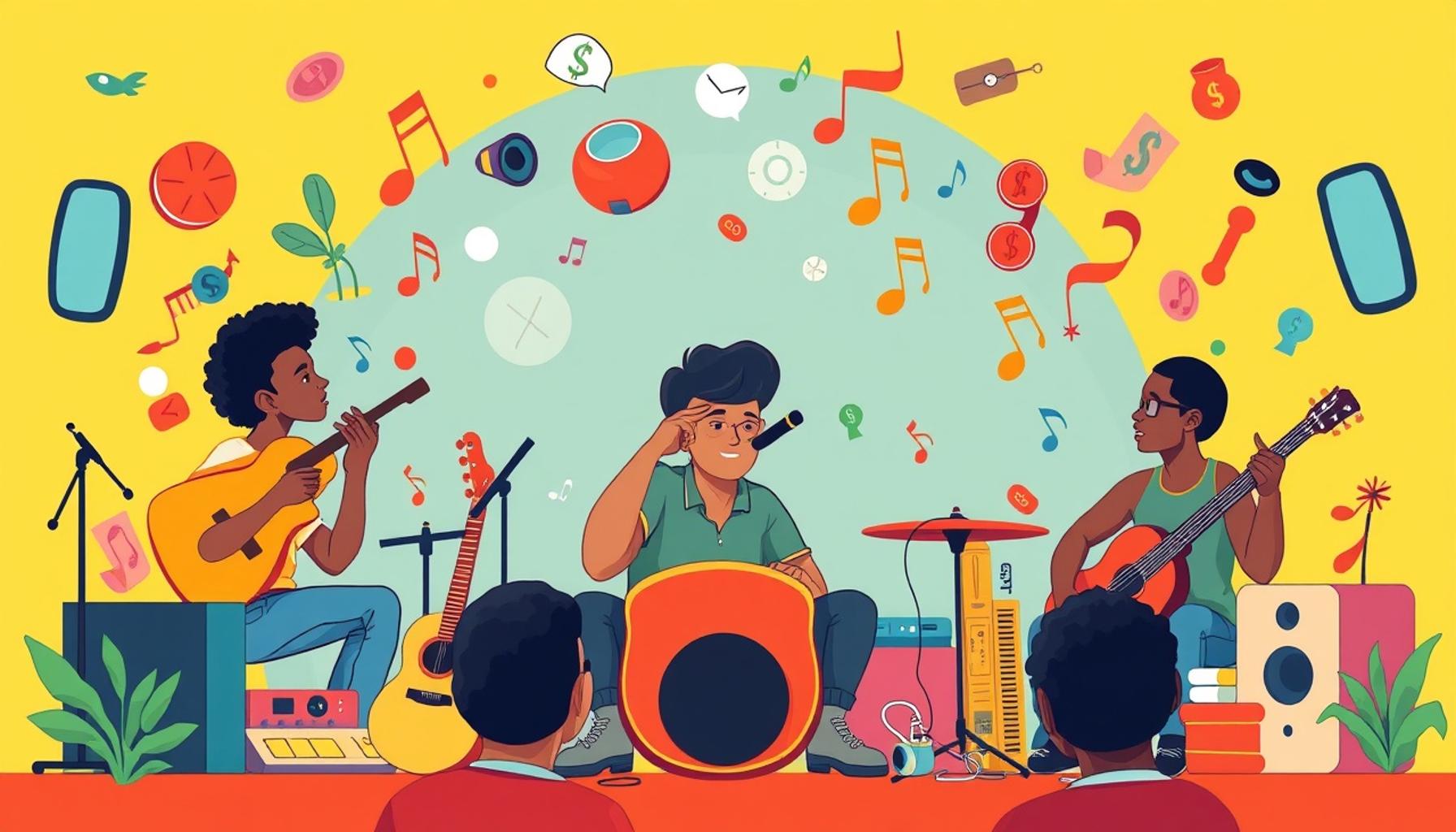
In addition to fostering cultural appreciation and empowerment, music events such as community jam sessions and local concerts play crucial roles in strengthening social ties. These gatherings often provide an open atmosphere where individuals from all walks of life can come together, share experiences, and collaborate artistically. By engaging with one another through music, communities cultivate mutual respect and unity, essential components in combating division within society.
The influence of music extends far beyond entertainment; it can ignite movements, inspire individuals, and build bridges between communities. As we explore the profound impact of music, it becomes clear that embracing this universal language is vital for fostering inclusivity in a diversifying world. By investing in and celebrating our diverse musical heritage, we can work collectively towards a harmonious society—one note at a time.
DISCOVER MORE: Click here to dive into the synergy of music and dance!
Breaking Down Barriers Through Music
The ability of music to break down barriers and foster connections among diverse groups is undeniably remarkable. Within the fabric of American society, music functions as a unifying force that not only celebrates differences but also helps to dismantle the walls of prejudice and misunderstanding. By embracing various musical genres and styles, communities can facilitate a deeper appreciation for cultural diversity, allowing individuals to engage authentically with one another.
Music as a Form of Expression
At its core, music is a form of expression that captures the essence of the human experience. From the stirring ballads of bluegrass to the vibrant beats of reggaeton, each musical style tells a unique story representative of its cultural roots. This expression serves as a medium through which artists can convey their feelings, struggles, and aspirations, opening up avenues for empathy and understanding. For example, country music often reflects the challenges and triumphs of rural American life, while R&B and soul richly chronicle the experiences of African American communities, capturing both joy and pain.
Creating Safe Spaces
Music also has the potential to create safe spaces for individuals to share and explore their identities. Music venues, such as local clubs and community centers, can become sanctuaries where people feel comfortable expressing themselves without fear of judgment. These spaces often host open mic nights, where artists from various backgrounds can share their work, fostering an environment of creativity and authenticity. Such events highlight diverse stories and provide opportunities for collaboration, ultimately leading to a shared sense of identity among participants.
Benefits of Music-Driven Initiatives
Communities that actively engage in music-driven initiatives reap numerous benefits, including:
- Enhanced Social Cohesion: Participating in music activities fosters friendships and connections among diverse individuals, nurturing community bonds.
- Greater Cultural Understanding: Exposure to different musical traditions helps individuals appreciate and respect varied cultural backgrounds.
- Increased Mental Well-being: Music has therapeutic qualities that can improve mental health and provide solace during challenging times.
- Fostering Creativity: Collaborative music projects encourage creativity and innovation, benefiting the collective and individual artists.
By investing in music activities and programs, communities can cultivate environments where everyone feels valued, ultimately leading to a richer collective identity. The role of music thus transcends mere performance; it is a fundamental building block in the pursuit of inclusivity and diversity. Recognizing this potential enables us to harness the power of melody and rhythm to create a more harmonious society, where every voice is celebrated.
| Category | Key Features |
|---|---|
| Cultural Exchange | Music fosters interaction among diverse cultural backgrounds, enriching communities. |
| Social Integration | Collaborative music activities promote inclusion, allowing individuals to connect beyond cultural barriers. |
Exploring the profound impact of music on community building reveals its ability to serve as a universal language transcending barriers. The facilitation of cultural exchange through shared musical experiences enables varied communities to come together, reinforcing a sense of understanding and respect among diverse populations. For instance, community festivals featuring a variety of music genres allow attendees to appreciate the rich tapestries woven through different cultural narratives.Moreover, while social gatherings typically offer a platform for cultural display, they also inherently promote social integration. Participating in collaborative music-making—whether in choirs, bands, or informal jams—encourages individuals to form bonds that might not emerge in conventional settings. Such interactions nurture friendships, understanding, and acceptance, ultimately leading to a unified community that celebrates diversity.In harnessing the power of music, communities can foster an environment where inclusion thrives, proving that the rhythm of togetherness can lead to profound transformation. As we delve deeper, we uncover more examples of how music acts as a catalyst for positive change, propelling communities toward a more harmonious and inclusive future.
DISCOVER MORE: Click here to learn about music’s impact on self-growth
Collaboration and Unity Through Music
The act of creating music is inherently collaborative, making it an ideal platform for individuals from different backgrounds to come together and share their perspectives. Community-based music projects, such as festivals, workshops, and educational programs, encourage participants to contribute their unique talents and ideas, cultivating unity through shared goals. For instance, the acclaimed Proyecto Calle, based in Los Angeles, utilizes hip-hop as a means for youth from various cultural backgrounds to collaborate on lyrics that reflect their community’s challenges and aspirations.
Musical Mentorship Programs
Another powerful way that music fosters inclusivity is through mentorship programs, where experienced musicians guide aspiring artists. Programs such as the Sphinx Organization focus on helping young musicians of color excel in classical music. By creating opportunities for mentorship and performance, these initiatives not only help diversify musical genres but also empower participants to assert their cultural identities within mainstream music. This results in a richer musical tapestry, as emerging artists share their narratives and challenge traditional norms.
Influence of Music in Social Movements
Music has a profound history of influencing and driving social change. From the Civil Rights Movement to contemporary protests advocating for racial justice, music has served as a catalyst for collective action. Songs like “A Change Is Gonna Come” by Sam Cooke or “Fight the Power” by Public Enemy illuminate the struggles and aspirations of marginalized communities. Today, modern artists are using platforms like social media to not only share their music but also raise awareness about social justice issues, thereby paving the way for greater inclusivity in society. Events like the annual Women’s March often integrate music as a powerful unifying element, showcasing diverse voices in the fight for equality.
Integrating Music into Education
Schools play a crucial role in fostering a culture of inclusivity through music education. By integrating diverse musical traditions into curricula, educators can help students explore and appreciate the rich tapestry of cultural influences in music. Programs that incorporate elements from world music, traditional folk songs, and contemporary genres can allow students from different backgrounds to see their heritage reflected in the classroom. This inclusion not only enhances engagement among students but also fosters a sense of pride in their cultural identities. Research has shown that such educational frameworks, which celebrate diversity, yield positive emotional and cognitive outcomes for students.
Community Music Projects
Grassroots initiatives aiming to bring communities together through music can lead to transformative experiences. Projects like Playing for Change involve musicians from different backgrounds collaborating to create unified performances that transcend borders and cultures. By recording and producing music that draws on a variety of styles, these initiatives shine a light on the role of music as a universal language. They encourage community members to participate, often leading to new friendships and an enriched understanding of each other’s cultural heritages. This type of engagement highlights the profound impact that collaborative music-making can have in strengthening community ties and building bridges across social divides.
As more communities recognize the importance of fostering inclusivity and embracing diversity through music, they pave the way for a richer collective identity that celebrates each individual’s contributions. By nurturing these musical endeavors, society moves closer to an understanding that music is not merely an art form but a vital vehicle for achieving equality and unity.
DIVE DEEPER: Click here to discover more
Conclusion: The Transformative Power of Music
In exploring the role of music in creating inclusive and diverse communities, it becomes evident that music transcends barriers and acts as a unifying force. From community collaborations that engage participants of varying cultural backgrounds to mentorship programs that uplift and empower young artists, music provides a dynamic platform for expression and connection. Its ability to inspire social movements demonstrates the profound impact of songs that resonate with the struggles and hopes of marginalized groups, emphasizing the need for inclusivity in artistic representation.
Furthermore, integrating diverse musical traditions into educational settings is pivotal for cultivating a sense of belonging among students. By celebrating various heritages through music, educational frameworks not only enrich the curriculum but also foster pride in cultural identity. The initiatives that promote community music projects illustrate how grassroots efforts can foster understanding and friendship, breaking down prejudices and building bridges across social divides.
As we move forward, it is crucial for communities to recognize the potential of music as a vital vehicle for promoting equality and unity. By actively engaging with and supporting musical endeavors, society can create an environment where every individual’s voice is celebrated, contributing to a richer, more vibrant cultural landscape. In this light, music emerges not just as an art form, but as a transformative tool that has the power to shape inclusive communities, driving us toward a future where diversity is embraced and cherished.
Related posts:
The Influence of Music on Self-Expression and Emotional Well-Being
Exploring Different Musical Genres as a Form of Creativity
The Impact of Community Music on Cultural Expression and Local Identity
Music as a Form of Therapy: Exploring Its Potential in Emotional Expression and Mental Health
Music and Narrative: Telling Stories Through Musical Composition
Exploring the Relationship between Music and Dance in Creative Expression

Beatriz Johnson is a seasoned skincare specialist and writer with a passion for simplifying the complexities of beauty science and skincare routines. With over a decade of experience in the aesthetics industry, she specializes in topics like ingredient efficacy, anti-aging strategies, and global beauty trends. Through her work, Beatriz empowers readers to make informed skincare choices and stay ahead in the ever-evolving world of beauty and wellness.