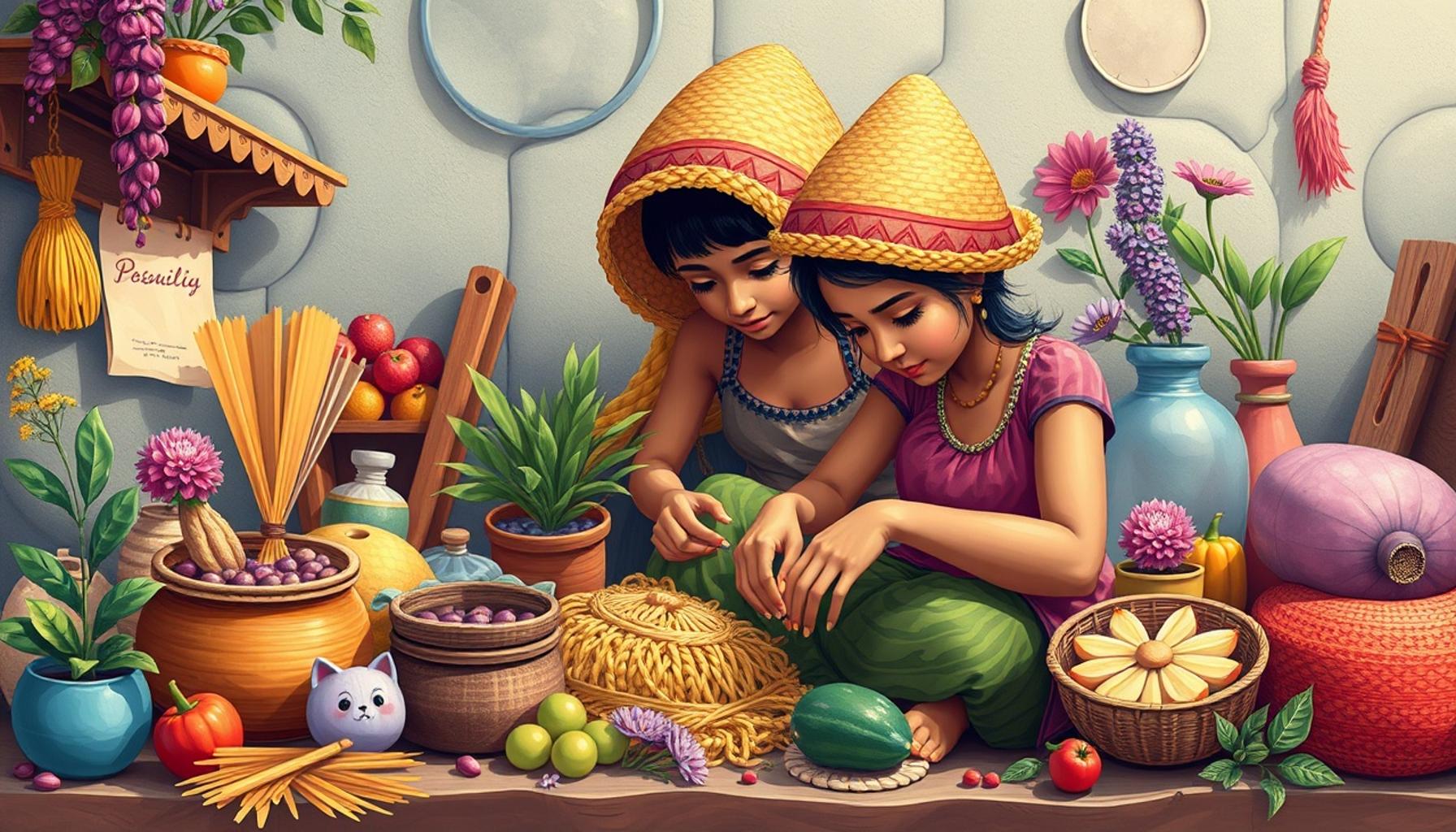
Crafting with Natural Materials: How to Incorporate Elements of Nature into Your Creative Projects
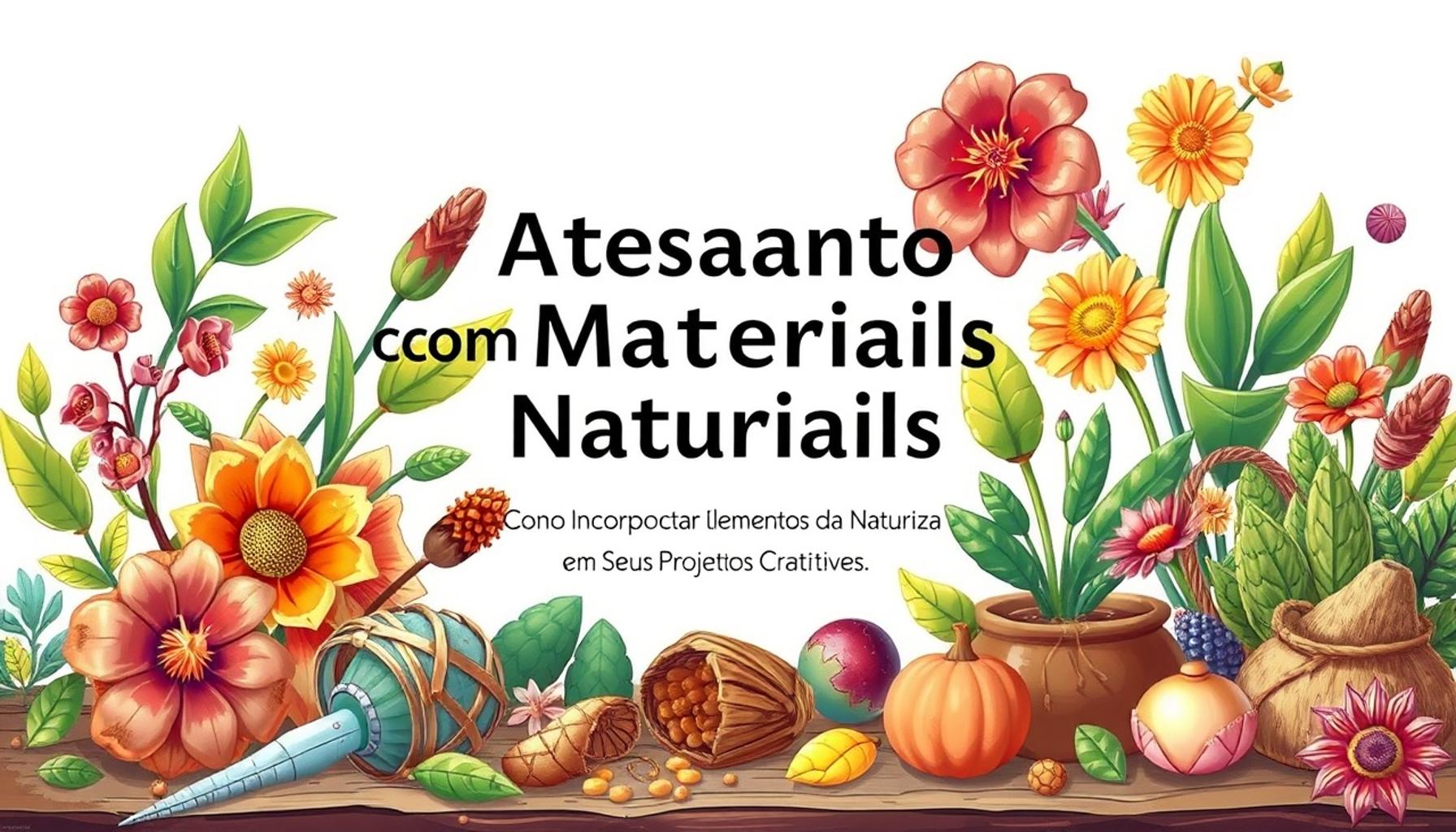
The Allure of Natural Elements in Crafting
Every creative project possesses the potential to forge a deep connection with the beauty of the natural world. Crafting with natural materials elevates the aesthetic appeal of your creations while simultaneously promoting sustainability—an increasingly vital consideration in today’s environmentally conscious society. By exploring various natural materials, artists and crafters can unlock limitless creative possibilities that allow them to express their unique visions.
When you incorporate natural elements into your craft projects, you can evoke a range of styles, from rustic charm to sophisticated elegance. Consider the diverse materials at your disposal:
- Wood: Utilizing reclaimed wood, twigs, and branches can instill your work with character and warmth. For instance, crafting picture frames from barn wood adds a historical narrative and distinct texture. Projects like coat racks made from driftwood not only serve practical purposes but also create natural focal points within a room.
- Plants: Dried flowers, leaves, and grasses contribute color and texture to your creations. Think about making wreaths or home decor using preserved eucalyptus, which not only looks appealing but also retains a fragrant quality. Another idea is to make bookmarks using pressed flowers, blending functionality with artistry.
- Stone: Incorporating pebbles and crystals introduces organic elements that provide a unique touch. For instance, using smooth river stones in garden pathways or creating decorative bowls filled with colorful gemstones can forge a harmonious connection between art and nature.
- Fibers: Natural fibers such as cotton, jute, and hemp create interesting tactile surfaces in your crafts. You might consider weaving or macramé techniques to produce wall hangings or plant hangers, allowing the textures of the fibers to play a central role in your design.
Beyond simply enhancing your artistic repertoire, engaging with natural materials nurtures a sense of mindfulness. Each material tells a story—the roughness of a weathered branch or the delicate structure of a dried flower connects the artist to the earth and encourages a deeper appreciation for the environment. By embracing these resources, you not only enhance your work but have the potential to inspire others to recognize the beauty in simplicity and sustainability.
This exploration will unveil innovative tips and techniques for integrating natural elements into your crafting endeavors. Whether you are a novice with a desire to explore or a seasoned artist seeking fresh inspiration, the world of crafting with nature offers a vast canvas filled with opportunities waiting to be discovered.
DISCOVER MORE: Click here to learn about homemade fermentation!
Embracing the Essence of Nature: A Guide to Natural Craft Materials
As the trend of sustainability continues to gain momentum, many creators are turning towards the world of natural materials for their crafting projects. Not only does this approach aid in reducing waste, but it also allows artists to foster a connection with the environment. By utilizing materials sourced from nature, crafters can create pieces that resonate with authenticity and warmth. Below are several ways to incorporate natural materials into your creative endeavors.
To embark on a journey of crafting with nature, consider the following categories of materials that can spark inspiration:
- Dried Botanicals: Utilizing dried flowers, herbs, and leaves is an excellent way to capture the beauty of nature in a preserved form. From making stunning floral arrangements to creating intricate leaf prints, dried botanicals can add color and texture to various projects. For example, crafting homemade candles infused with aromatic dried lavender can provide a sensory experience that elevates the ambiance of any space.
- Natural Stone: Incorporating various types of stones into your crafts can breathe life into your creations. Whether using river rocks for garden markers or crafting pendants from semiprecious stones, natural stones provide unique textures and colors that synthetic materials cannot replicate. The use of stones in projects often evokes an earthy vibe, which can be further complemented by pairing them with organic fibers.
- Tree Bark and Nuts: For a truly unique aesthetic, consider sourcing barks and nuts from local trees. Cinnamon bark can be used not just for its aromatic properties in potpourri but can also be fashioned into decorative embellishments for holiday crafts. Likewise, acorns and pinecones can be transformed into charming ornaments or centerpieces, adding a touch of whimsy and connection to the changing seasons.
- Recycled Materials: The concept of sustainability can also extend to recycled natural materials. By using remnants from previous projects or repurposing items like old wooden crates or glass jars, crafters can create functional and beautiful artwork. The opportunity to infuse these treasures with creativity not only minimizes waste but also allows for infinite personalization of your projects.
In addition to offering aesthetic appeal, crafting with natural materials encourages mindfulness and creativity. As you work with pieces sourced from the environment, you develop a deeper understanding of the unique qualities and stories behind each material. This process can inspire a sense of purpose in your creations, urging you to not only focus on the visual aspects but also to embrace the ecological implications of your projects.
As we delve further into various DIY techniques and innovative approaches to crafting with natural materials, readers will find themselves equipped with fresh ideas and methods to incorporate nature’s wonders into their creative toolbox. By doing so, they will embrace not only the joys of crafting but also foster a greater appreciation for the beauty and resources found in the world around them.
Incorporating Natural Textures and Colors
When thinking about crafting with natural materials, it is essential to explore the unique textures and colors that nature provides. From the smoothness of river stones to the roughness of tree bark, these elements can add depth and interest to any creative project. Natural textures not only enhance the aesthetic value of your crafts but also foster a connection to the environment, reminding us of nature’s influence in our everyday lives. One popular method is to use materials like driftwood, which brings an earthy feel to home decor items. You can incorporate driftwood in wall hangings, centerpieces, or even as unique picture frames. Additionally, fabric made from natural fibers, such as cotton, linen, and jute, can enhance the comfort and organic look of your projects. Using these materials allows for eco-friendly crafting, aligning your creations with sustainability.Color plays a significant role in crafting with natural materials. Gather leaves, flowers, and berries to create stunning dyes that can transform fabrics and papers. The myriad of colors available from plant materials can often create shades unmatched by synthetic products. Natural dyes allow for more personalized creations and a sustainable approach to color, minimizing the use of harmful chemicals. Lastly, combining these unique textures and natural hues into your projects can result in truly one-of-a-kind pieces that tell a story. Whether you are crafting for personal enjoyment, home decor, or gifts, embracing the elements of nature can inspire creativity and lead to a more fulfilling crafting experience. By incorporating natural materials, you not only beautify your projects but also create a deeper connection to the environment. Explore various techniques, materials, and inspirations to discover the endless possibilities that crafting with nature has to offer.
| Advantage | Description |
|---|---|
| Natural Textures | Adds depth and visual interest to projects, creating a tactile experience. |
| Eco-Friendly Options | Using sustainable materials reduces environmental impact and promotes conscious crafting. |
By experimenting with these aspects, your creative projects can convey the essence of the great outdoors, inviting others to appreciate both the beauty and significance of nature in their artistic endeavors.
DIVE DEEPER: Click here to discover the magic of visual narratives
Innovative Techniques for Crafting with Natural Materials
Taking steps toward innovative crafting not only enhances creativity but allows for a deeper connection to nature. By exploring various techniques and practices, crafters can unlock the potential of natural materials. Here are some compelling methods to elevate your projects using elements sourced from the great outdoors.
- Foraging for Inspiration: One intriguing way to connect with the world of natural materials is through foraging. Depending on your location, local parks and forests may abound with treasures waiting to be transformed into art. Items like wildflowers, moss, or even unique sticks can inspire countless creations. Ensure to abide by any local regulations on foraging and practice sustainability by only taking what you need.
- Eco-Dyeing Techniques: Eco-dyeing offers a sustainable method to infuse fabrics with colors derived from natural sources. Flowers, leaves, and even fruits can be used to create dyes that are not only environmentally friendly but also produce a stunning range of colors. For instance, yellow onion skins can produce a beautiful golden hue, while avocado pits can create soft pink tones. This method not only embellishes fabric but also tells a unique story through each dye batch, linking the final product back to the natural world.
- Nature-Inspired Textures: Bringing nature’s textures into your craft can significantly enhance the sensory experience of your artwork. Incorporate elements like sand, soil, or twigs into your designs. For example, a textured paint can be made by mixing sand with acrylic paint for a natural, earthy finish. Adding layers of materials such as feathers or dried leaves can create depth and visual interest, inviting observers to explore the piece up close.
- Woodworking Wonders: One of the most rewarding ways to craft with natural materials is through woodworking. Utilizing fallen branches or reclaimed lumber can yield unique and sustainable materials. Projects can range from simple wooden coasters to intricate furniture designs. Not only does this practice celebrate the beauty of wood, but it also highlights the sustainability aspect by repurposing materials that might otherwise be discarded.
- Natural Weaving and Knotting: Techniques such as weaving with grasses, reeds, or even strips of bark can allow for the creation of beautiful and functional pieces, like baskets or mats. Knotting techniques, such as macrame, can also integrate natural elements like hemp or jute twine, yielding items that showcase a rustic, organic aesthetic. These methods are versatile and can be adapted for various skill levels, making them accessible for all crafters.
Employing these innovative techniques can breathe new life into your crafting endeavors, encouraging experimentation and deeper appreciation for the materials at hand. As you explore these methods, remember that the goal is not merely to create for the sake of creating but to engage with the essence of nature, igniting a personal journey of artistic discovery.
Furthermore, don’t hesitate to share your findings and creations with the crafting community. Social media platforms like Instagram and Pinterest provide a space to showcase your work and connect with others who share your passion for crafting with natural materials. By inspiring one another, crafters can collectively contribute to sustainability efforts and celebrate the artistic potential of the natural world.
DISCOVER MORE: Click here to elevate your presentation skills
Embrace the Beauty of Nature in Your Crafting Journey
Incorporating natural materials into your creative projects opens a gateway to a world rich with texture, color, and inspiration. The techniques explored throughout this article, from foraging for unique elements to adopting eco-dyeing techniques, each reveal how nature can be a vital partner in your artistic journey. As you embrace these innovations, remember that crafting with nature isn’t merely about the final product; it’s about the process of discovery, connection, and sustainability. The act of creating becomes an exploration of your surroundings, inviting you to engage with the environment in meaningful ways.
Moreover, crafting with natural materials instills an appreciation for sustainability. By selecting items that honor the earth and repurpose what may otherwise be discarded, you contribute to the larger movement of environmental awareness in the arts. This emphasis on eco-consciousness not only benefits the planet but also resonates with a growing community of like-minded crafters eager to share ideas and inspiration.
As you venture into your next project, consider how elements of nature can transform your work. Whether it’s through the use of textures that tell stories or the incorporation of vibrant, dye-infused fabrics, let your creativity soar. Join the conversation within crafting circles online, allowing your unique discoveries to inspire others. By connecting with fellow artisans and showcasing your creations, you foster a sense of community while championing the beauty of nature in your work. Ultimately, crafting with natural materials will not only enrich your artistic practice but will also deepen your bond with the natural world around you.
Related posts:
Sustainable Crafting: Projects that Promote Environmental Awareness Through Creation
Creating Memories: How to Make Personalized Crafts for Gifts and Special Occasions
The Art of Recycling: How to Transform Used Materials into Craft Projects
Crafts for Kids: Creative Activities that Stimulate Development and Imagination
International Inspiration: Traditional Crafts from Different Cultures and How to Reproduce Them
Exploring Digital Craft: Tools and Techniques for Creating Craft Projects with Technology

Beatriz Johnson is a seasoned skincare specialist and writer with a passion for simplifying the complexities of beauty science and skincare routines. With over a decade of experience in the aesthetics industry, she specializes in topics like ingredient efficacy, anti-aging strategies, and global beauty trends. Through her work, Beatriz empowers readers to make informed skincare choices and stay ahead in the ever-evolving world of beauty and wellness.