From Pencil to Digital: The Transition from Traditional Techniques to the Virtual World in Artistic Creation
Exploring the Intersection of Art and Technology
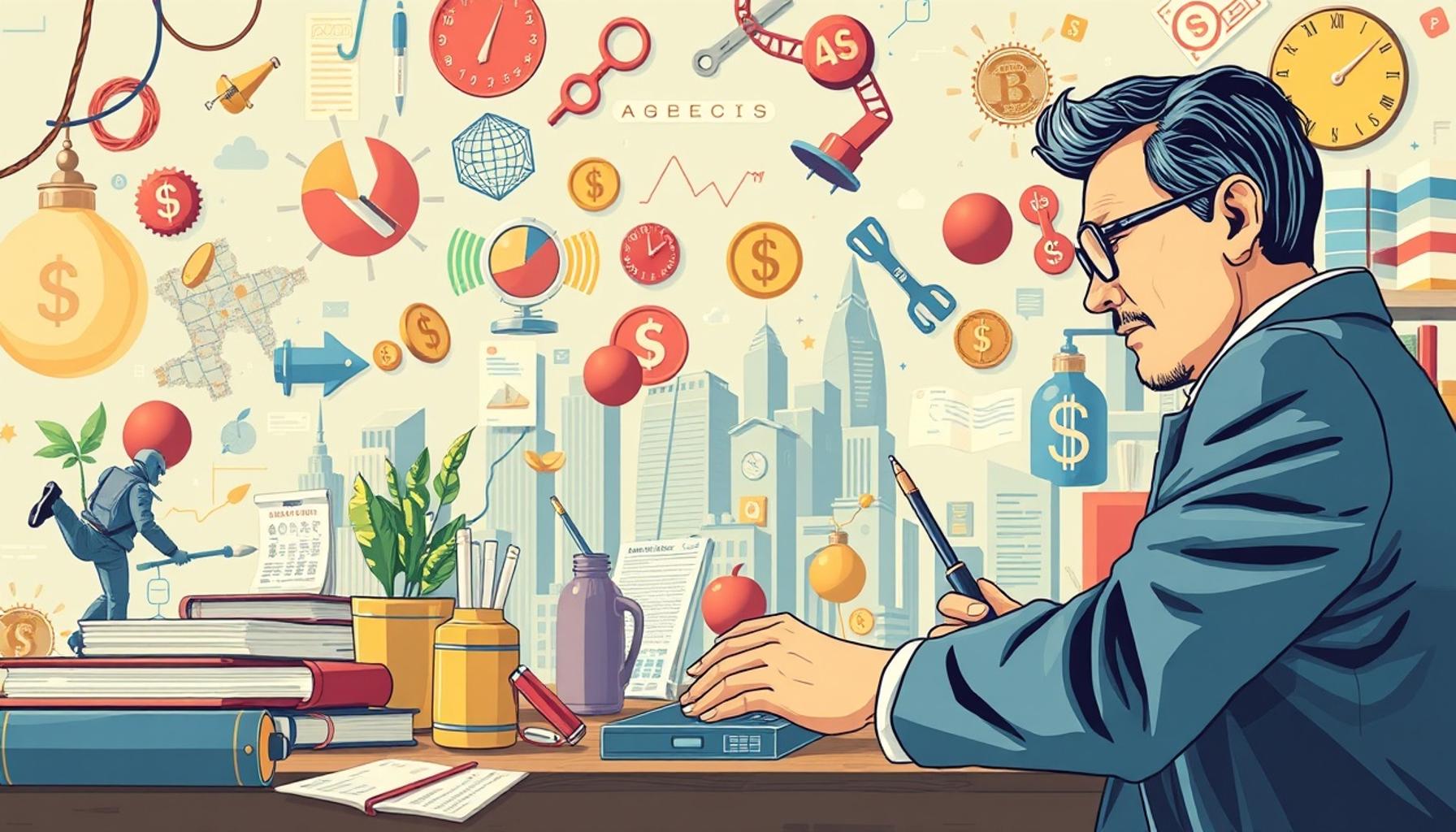
The world of artistic creation has undergone a profound transformation. As technology evolves, traditional techniques are seamlessly merging with digital innovations. Artists today find themselves navigating between the tactile feel of pencil and paper and the vast possibilities of a virtual canvas. This dynamic shift is not merely about adopting new tools; it is a fundamental rethinking of the artistic process itself.
The transition to digital art is not just a simple switch; it represents a cultural shift in how art is produced, shared, and perceived. Key factors driving this change include:
- Accessibility: Digital tools democratize artistry. With just a smartphone or tablet, anyone can unleash their creativity, thus broadening the artist community. Platforms like Instagram and TikTok allow budding artists to showcase their work to a global audience, providing exposure that was once limited to traditional galleries.
- Collaboration: Artists can now collaborate in real-time, regardless of geographical boundaries. Consider the case of online art collectives, where artists from different countries come together to create projects that reflect diverse cultural backgrounds. This has led to innovative works that blend various styles and techniques.
- Efficiency: The ability to edit and manipulate images opens up new dimensions for experimentation. Artists can quickly iterate on their designs, making adjustments with a few clicks rather than starting from scratch. This efficiency allows for creativity to flourish, as multiple ideas can be explored in a fraction of the time.
From graphic design to illustration, many avenues have emerged for exploration. Artists can choose from an array of software options, each offering unique features that cater to different artistic requirements. For instance:
- Adobe Creative Suite: This powerhouse is widely used for graphic design and digital art, providing tools that range from photo editing in Photoshop to vector graphics creation in Illustrator.
- Procreate: Loved by illustrators, this popular app features an intuitive interface that allows for a seamless drawing experience on the iPad, effectively mimicking traditional drawing methods with the added benefits of digital capabilities.
- Corel Painter: Renowned for its ability to mimic traditional painting techniques digitally, Corel Painter enables artists to explore textures and brush strokes in a versatile digital environment.
As we delve deeper into this evolution, the question lingers: How are these digital platforms reshaping the essence of creativity? Are we moving toward a future where technology enhances the human experience of art, or does it risk creating a detachment from the emotional and tactile aspects of traditional artistry? Understanding this will lead us into the heart of modern artistic expression, revealing new paradigms that may very well redefine what it means to be an artist in the digital age. The ongoing dialogue between tradition and innovation is not only relevant to artists but to society at large, as we continuously reshape our understanding of creativity through the lens of technology.
EXPLORE MORE: Click here to discover the soothing power of music
The Shift in Artistic Methods: An Overview
The evolution from traditional artistry to digital mediums is akin to witnessing a cultural renaissance. For centuries, artists relied on the fundamentals of pencil, brush, and canvas to express their creativity. However, as society embraces technological advancements, the artistic landscape is undergoing a seismic shift, where digital tools are becoming intrinsic to the creative process. This transition not only changes how art is created but also influences the relationship between artist and audience.
One of the most significant aspects of this transformation is how it impacts the creative process itself. Traditionally, artists would spend hours or even days perfecting their work, often facing challenges in experimenting without sacrificing their precious materials. In contrast, digital art platforms enable instantaneous experimentation. Here are some ways this transition enriches the creative experience:
- Layered Editing: Digital artists can utilize layers to separate different elements of their artwork, allowing them to make edits without compromising the entire piece. This flexibility is especially beneficial for artists exploring complex compositions.
- Infinite Undo: One of the frustrations of traditional drawing is the permanence of a mistake. Digital tools, however, afford artists the ability to rectify errors effortlessly, fostering a risk-taking environment where the creative process can flourish.
- Varied Media in Seconds: Digital art applications allow makers to simulate various artistic mediums—from markers to watercolor—without requiring a full suite of supplies. This convenience broadens the scope of creativity, encouraging artists to experiment with artistry styles they may have hesitated to explore with traditional methods.
The appeal of digital artistry is further magnified through a plethora of accessibility features. Artists can now tailor their workspaces according to their preferences and ergonomic needs, which was not always the case in traditional settings. Notably, software innovations have introduced features such as pressure sensitivity and tilt recognition, allowing for a highly personalized drawing experience that imitates traditional techniques while enhancing command over artistic expression.
Moreover, the rise of digital platforms has prompted a notable shift in artistic collaborations. With software solutions that support real-time communication and shared spaces, artists can collaborate from any corner of the globe. This interconnectedness breeds a global art community where cultural exchange thrives, leading to innovative artwork that reflects diverse perspectives and artistic techniques.
The expansion of various digital art disciplines, such as digital painting, 3D modeling, and animation, illustrates the versatility inherent within these new mediums. Artists are now equipped with a myriad of paths for expression, from creating visually stunning video game environments to crafting animations that captivate audiences. This level of engagement beckons a challenge: can traditional artistry find its place in an increasingly digital environment? Or will new generations redefine what it means to create and appreciate art?
As the art world continues to adapt to technological advances, it is crucial to recognize the ongoing conversation between traditional and digital methods. This dialogue impacts not only artists and their techniques but also the viewers who engage with this art, shaping societal perceptions of creativity in our technologically driven age.
Exploring the Digital Canvas
As artists continue to explore the transition from traditional techniques to the digital realm, it’s crucial to acknowledge how the digital canvas offers unique possibilities that expand creative horizons. Traditional mediums like painting and drawing require physical space, materials, and often time-consuming setups, whereas digital tools empower artists to create rapidly and efficiently. Software such as Adobe Photoshop and Procreate enables one to manipulate colors, layers, and textures with unprecedented precision.Moreover, the rise of digital platforms and social media has transformed how artists share their work and engage with communities. Artists can reach global audiences instantly, allowing them to gain feedback, showcase their portfolios, and even sell their work online. Platforms like Instagram and Behance have become indispensable for self-promotion, creating an ecosystem where exposure leads to opportunities and collaborative ventures.
Technological Advancements Fueling Creativity
The evolution of technology plays a pivotal role in this artistic transition. Tools such as graphic tablets and styluses have improved dramatically, closely simulating the experience of traditional drawing. This fusion of tactile feedback with the versatility of digital applications offers artists an intuitive experience. Artists can switch between techniques seamlessly—whether tracing over scanned sketches or creating intricate vector art from scratch.In addition, advancements in artificial intelligence (AI) are making waves in digital artistry. Programs that analyze artistic styles and offer suggestions for improvement are becoming commonplace, helping artists refine their craft. Many creators are already leveraging AI technologies to generate unique compositions or assist in their creative workflows, revealing how innovation continually shapes and challenges artistic boundaries. As this shift continues, artists are influenced to redefine their perspectives on creativity—promoting a cross-disciplinary approach that encompasses both traditional and digital methods. Through continued exploration and adaptation, the artistic community can fully embrace the hybridization of techniques that the modern age affords.
DISCOVER MORE: Click here to learn how music can enhance your self-care routine
The Integration of Technology: Expanding Artistic Horizons
The rise of digital art tools has not only transformed individual artistic processes but has also introduced an entirely new realm of opportunities for artists seeking to engage with audiences in innovative ways. One pivotal advancement is the emergence of online platforms dedicated to showcasing digital art. Websites like ArtStation and DeviantArt have become vibrant hubs that allow artists to display their work, receive feedback, and connect with potential clients and collaborators across vast distances.
Furthermore, artists now have more than just their physical galleries to flaunt their creativity; they have the option of virtual exhibitions. Using technologies such as virtual reality (VR) and augmented reality (AR), artists can create immersive experiences that allow viewers to step inside their artwork. For instance, the Museum of Modern Art (MoMA) in New York has experimented with virtual exhibits, effectively inviting a broader audience to engage with art in a way that was previously unimaginable.
In addition to exhibition opportunities, social media platforms such as Instagram and TikTok have revolutionized how artists market themselves and their creations. These platforms have democratized artistic visibility, enabling talent from diverse backgrounds and locations to gain recognition in real time. The rapid sharing of digital art not only engages audiences but also fosters a sense of community among artists, leading to collaborative projects that were difficult to manage in a traditional gallery setting.
Moreover, as artists make the leap to digital creation, they are compelled to navigate a new ecosystem of tools and technologies that continue to evolve. The rapid development of artificial intelligence (AI) in art creation is a prime example of how artists are leveraging technological advancements to push their creative boundaries. AI-driven platforms can generate artwork based on user specifications and preferences, sparking debates about authorship and originality. Notably, applications like DALL-E and Midjourney are capturing the attention of artists who wish to explore the potential of AI as both a collaborative tool and an artistic medium.
The community response to AI-generated art has been palpable, with some artists embracing the technology for its ability to enhance creativity while others argue it poses a threat to the authenticity of traditional artistry. This discourse invites artists to define their own relationship with technology and respond to what it means to create in today’s world.
Furthermore, the integration of digital art in popular culture has created new revenue streams for artists. Platforms like Patreon and Ko-fi allow creators to monetize their skills directly by offering exclusive content or commissions to their supporters. This shift empowers artists to forge sustainable careers, nurturing a space for personal expression while addressing the financial realities of a competitive art landscape.
As digital techniques continue to gain traction, institutions and education systems are also adapting. Art schools across the United States are incorporating digital literacy into their curricula, ensuring that the younger generation of artists is equipped with the skills necessary to navigate this new landscape. Traditional skills remain essential, but proficiency in digital tools and innovative techniques is increasingly seen as a core competency among aspiring artists.
This dual focus allows artists to honor their roots while embracing the potential for evolution in their craft. The junction of traditional artistry and digital advancements creates a compelling dialogue that can be traced through creative expressions, elevating the conversation around what it means to be an artist in the 21st century.
DISCOVER MORE: Click here to explore eco-friendly crafts
Embracing the Future: A New Era of Artistic Expression
In conclusion, the journey from traditional techniques to the virtual world signifies a remarkable evolution in artistic creation. The adoption of digital art tools has not only expanded the technical repertoire available to artists but has also redefined the relationship between creators and audiences. As we delve deeper into this digital age, the proliferation of online platforms, such as ArtStation and DeviantArt, alongside immersive technologies like virtual reality and augmented reality, provides artists with unprecedented opportunities for engagement and expression.
Moreover, the reciprocal relationship between technology and artistry is palpable, as artists explore innovative avenues, including artificial intelligence, to enhance their creative processes. This intersection fosters a rich dialogue about authenticity, ownership, and the very nature of artistic expression, encouraging artists to carve their own paths in a rapidly changing landscape.
As education systems evolve to incorporate digital literacy alongside traditional training, a new generation of artists is emerging, equipped to navigate and thrive in this complex yet exciting world. With platforms for monetization offering sustainable career opportunities, artists are now more empowered than ever to express their unique voices while addressing the challenges of a competitive market.
This transition from pencil to digital is far more than just a shift in medium; it represents a profound cultural transformation. As we embrace this new era of artistic expression and creativity, it invites all participants—artists, audiences, and institutions—to engage in dialogues that define what it truly means to be an artist in the 21st century. As we witness the melding of traditional and digital techniques, one thing remains clear: the future of art is limitless, and the canvas is continually expanding.