Molecular Cuisine: Transforming Everyday Ingredients into Innovative Culinary Experiences
The Evolution of Culinary Artistry
Molecular cuisine represents a transformative shift in how food is crafted and enjoyed, merging science with the world of gastronomy. This culinary movement emphasizes innovation, allowing chefs to reimagine traditional cooking methods and ingredients to create dishes that tantalize not just the taste buds but all the senses. By exploring the intricate relationship between food and its scientific principles, molecular cuisine challenges eaters to engage more deeply with their meals.
The core of molecular cuisine lies in its ability to manipulate the fundamental properties of food. Techniques such as spherification, emulsification, and gelification are at the heart of this culinary revolution. For instance, in spherification, chefs use alginate and calcium to create caviar-like spheres that burst with flavor upon consumption, providing a surprising textural experience. A classic example is the “pearls” of balsamic vinegar served atop a dish to add a burst of tangy flavor.
Tools of the Trade
Modern equipment plays a crucial role in molecular cuisine. Using sous-vide machines, chefs can precisely control cooking temperatures, ensuring ingredients reach ideal doneness while retaining moisture and nutrients. Meanwhile, liquid nitrogen allows for rapid freezing, creating unique textures and serving opportunities. Chefs often use these tools not only to enhance flavors but also to craft visually captivating presentations, such as a bouquet of frozen fruit that appears to defy gravity.
Unconventional Flavor Pairings
Molecular gastronomy encourages adventurous culinary experimentation, leading chefs to explore unique flavor pairings that push taste boundaries. For example, the combination of chocolate and chili, or the unexpected marriage of grapefruit and rosemary, delights diners with complex flavor profiles that surprise and engage the palate. This exploration can take diners on a surprising journey, transforming the mundane into the extraordinary.
Across the United States, chefs like Grant Achatz of Alinea and Ferran Adrià of elBulli have embraced these techniques to elevate American cuisine and showcase its versatility. Their innovative approaches not only redefine dining but also inspire a new generation of chefs eager to explore this creative culinary frontier.
This deep dive into molecular cuisine shines a light on how familiar ingredients can be reimagined, inviting diners to experience food as never before. As we uncover the techniques and inspirations behind these extraordinary dishes, we discover that molecular cuisine is not merely about food; it is about creating memorable experiences that engage the senses and ignite the imagination.
DISCOVER MORE: Click here to learn about the beauty of craftsmanship
Rediscovering Familiar Ingredients
Molecular cuisine is not just about showcasing high-tech gadgets or avant-garde techniques; it is fundamentally about the reimagining of everyday ingredients into remarkable culinary experiences. By breaking down the components of food and understanding their chemical properties, chefs can unveil new textures, flavors, and presentations that challenge conventional dining expectations. The artistry lies in using familiar items in surprising ways, hence transforming the mundane into the extraordinary.
One of the most fascinating aspects of molecular cuisine is how it showcases the versatility of ordinary ingredients. By utilizing scientific principles, chefs have uncovered creative possibilities that enhance not only the flavor but also the overall sensory experience of a dish. For example, through techniques like emulsification, a simple vinaigrette can be turned into a light, airy foam that adds an element of surprise and delight. This not only alters the texture but also enhances how flavors are perceived by the palate.
Key Techniques Transforming Cooking
The heart of molecular cuisine lies in its innovative techniques, each designed to manipulate the physical and chemical properties of food. Here are some key methods that have revolutionized how chefs approach everyday ingredients:
- Spherification: This technique creates small, caviar-like spheres filled with liquid. Used to encapsulate flavors like fruit juices or savory stocks, these spheres burst open when bitten, delivering an explosive taste experience.
- Foaming: Altering the texture of sauces and drinks through aeration creates frothy toppings that elevate the dish, often introducing unexpected flavor nuances.
- Gelification: Utilizes agents like agar-agar to transform liquids into jellies or gels, allowing for new presentations and pairing opportunities with various foods.
- Deconstruction: Dismantling traditional recipes to highlight all their components separately, while presenting them on the plate in creatively artistic ways, offers diners a unique tasting experience.
These techniques not only highlight the capabilities of traditional ingredients but also foster an innovative approach to cooking that encourages chefs to think outside the box. By incorporating these methods, culinary artists can create dishes that surprise and intrigue, inviting diners to engage with their meals in a way that elicits wonder and enjoyment.
Ingredient Science and Flavor Enhancement
Understanding the science behind flavors plays a vital role in molecular cuisine. Chefs often draw inspiration from the chemistry of food, exploring how certain reactions enhance or modify taste profiles. For instance, umami – the savory taste found in foods like mushrooms and tomatoes – can be heightened through specific preparation techniques that release natural flavor compounds. This deep knowledge of food science allows chefs to experiment confidently, creating dishes that not only taste great but also captivate the eater’s attention.
As the culinary landscape continues to evolve, molecular cuisine stands out as a pioneering movement that merges culinary art with scientific exploration. Chefs are redefining how meals are experienced, inviting diners to a world where creativity knows no bounds and familiar ingredients take on entirely new identities. In this extraordinary exploration of food, each bite becomes a celebration of innovation, texture, and flavor that redefines culinary excellence.
| Advantage | Description |
|---|---|
| Creativity | Molecular cuisine encourages chefs to discover new cooking techniques that transform traditional flavors and textures into innovative dishes. |
| Sustainability | Utilizing everyday ingredients allows for a sustainable approach, reducing waste while enhancing the flavor profile and nutrient value of meals. |
Molecular cuisine is not just a cooking style; it represents a gastronomic revolution that invites the adventurous eater to experience food through a new lens. The creative potential in molecular gastronomy is immense; it pushes boundaries that might have previously seemed impossible. Chefs can manipulate ingredients at a molecular level, resulting in unexpected flavors and presentations that captivate diners. Moreover, the focus on sustainability in molecular cuisine means that chefs can source local ingredients, reducing carbon footprints and promoting community health. This innovative approach showcases that cooking can be both artful and responsible, preserving the essence of each dish while contributing to a larger ecological narrative. As you explore this exciting culinary frontier, you will find a myriad of techniques and recipes that make even the simplest of ingredients shine in extraordinary ways.
DISCOVER MORE: Click here to dive into new literary adventures
Elevating Dining through Visual and Sensory Appeal
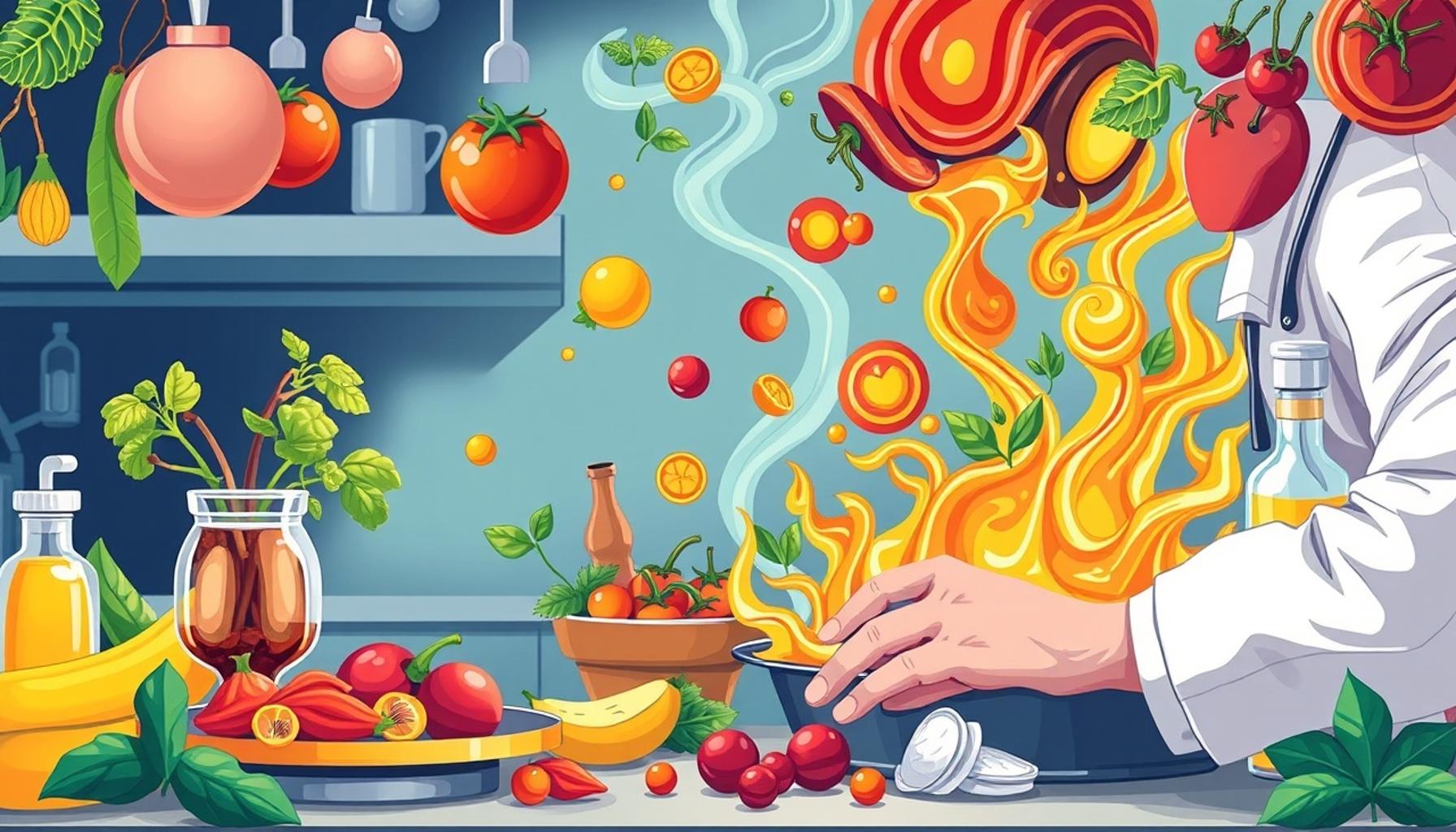
In the realm of molecular cuisine, the visual presentation of a dish plays an equally vital role as the taste itself. Chefs have tapped into the subtle nuances of plating, utilizing molecular techniques to enhance not only the flavor but also the aesthetic experience of each course. The philosophy behind this is simple: eating is a multi-sensory experience that engages sight, smell, and touch, alongside taste. For instance, dishes that incorporate edible smoke or glowing particles create a mesmerizing visual spectacle, captivating diners long before the first bite is taken.
One exemplary technique is nitrogen freezing, where ingredients are rapidly cooled to create a striking presentation that often looks like fine art. This method can transform elements like fruits or sauces into powdery textures that dissolve in the mouth, offering an unexpected crunch alongside traditional smoothness. Additionally, using visually-stunning garnishes, such as microgreens or intricately shaped edible flowers, amplifies the visual appeal, making each dish not just a meal but a work of art.
Flavor Pairing and Experimentation
Molecular cuisine also emphasizes the scientific exploration of flavor pairing, guiding chefs to combine ingredients in ways that amplify their taste connections. This methodology leans on the idea that certain flavors can complement each other based on their molecular structures. The pairing of chocolate and basil, for instance, was popularized in the molecular kitchen for its unexpected yet harmonious blend. Following similar principles, chefs experiment with unusual combinations, taking risks to create symphonies of flavor that are bold and innovative.
Moreover, the use of modern molecular tools like liquid nitrogen, vacuum sealers, and sous-vide immersion circulators allows chefs to manipulate temperature and pressure, unlocking flavors in ways traditional cooking methods cannot achieve. This encourages creativity, facilitating gastronomic journeys through texture and taste that provoke curiosity and delight.
Health and Sustainability in Molecular Cuisine
The principles of molecular cuisine inherently embrace health-conscious choices and sustainability. Chefs today are increasingly integrating locally-sourced ingredients into their molecular dishes, celebrating the season’s best while reducing their carbon footprint. Techniques such as dehydration and fermentation not only enhance flavors but also preserve nutritional content, allowing diners to indulge without guilt. The practice of using ingredients from local farms or sustainable fisheries exemplifies a culinary commitment towards ecological responsibility.
Furthermore, by highlighting the molecular structures of ingredients, chefs are equipped to reduce the use of additives and unhealthy fats while enhancing the intrinsic flavors of the natural elements. For example, foods can be reconfigured into delightful, low-fat alternatives without sacrificing taste, showing that health and indulgence can coexist.
Through continual experimentation and the blending of culinary art with scientific understanding, molecular cuisine offers a fresh perspective on traditional cooking. It compels both chefs and diners to challenge their definitions of what food can be and how it can be experienced. This transformative approach not only intrigues the palate but forges a deeper connection to nature and the science of dining.
DIVE DEEPER: Click here to discover the evolution of artistic techniques
Conclusion
Molecular cuisine is redefining the culinary landscape by seamlessly blending artistic innovation with scientific exploration. As chefs innovate with everyday ingredients, they harness advanced techniques to create extraordinary dining experiences that engage all the senses. From the stunning aesthetics of suspended spheres to the unexpected flavor harmonies that emerge from carefully constructed flavor pairings, molecular gastronomy invites both chefs and diners on a gastronomic adventure unlike any tradition could offer.
This approach not only celebrates the complexity of flavors through sophisticated methods such as sous-vide cooking and foaming but also champions sustainability and health consciousness. By prioritizing locally-sourced ingredients and minimizing unhealthy additives, chefs emphasize that indulgence and nutritional awareness can coexist harmoniously. The marriage of science with culinary art propels this innovative movement, continuously challenging the boundaries of what is possible on our plates.
As diners, embracing molecular cuisine invites us to rethink our perceptions of food, transforming the simple act of eating into an exhilarating adventure full of surprises. With each dish, we embark on a journey that transcends the ordinary, encouraging us to appreciate not just flavors, but the intricate science behind what we eat. The world of molecular cuisine is a testament to the power of creativity and curiosity, inspiring food lovers everywhere to explore and rediscover the joy of dining as an experience that is as much about the heart as it is about the palate.