The Connection between Culinary Arts: How to Create Masterpieces with Food and Stimulate Creativity
Exploring the Dimensions of Culinary Arts
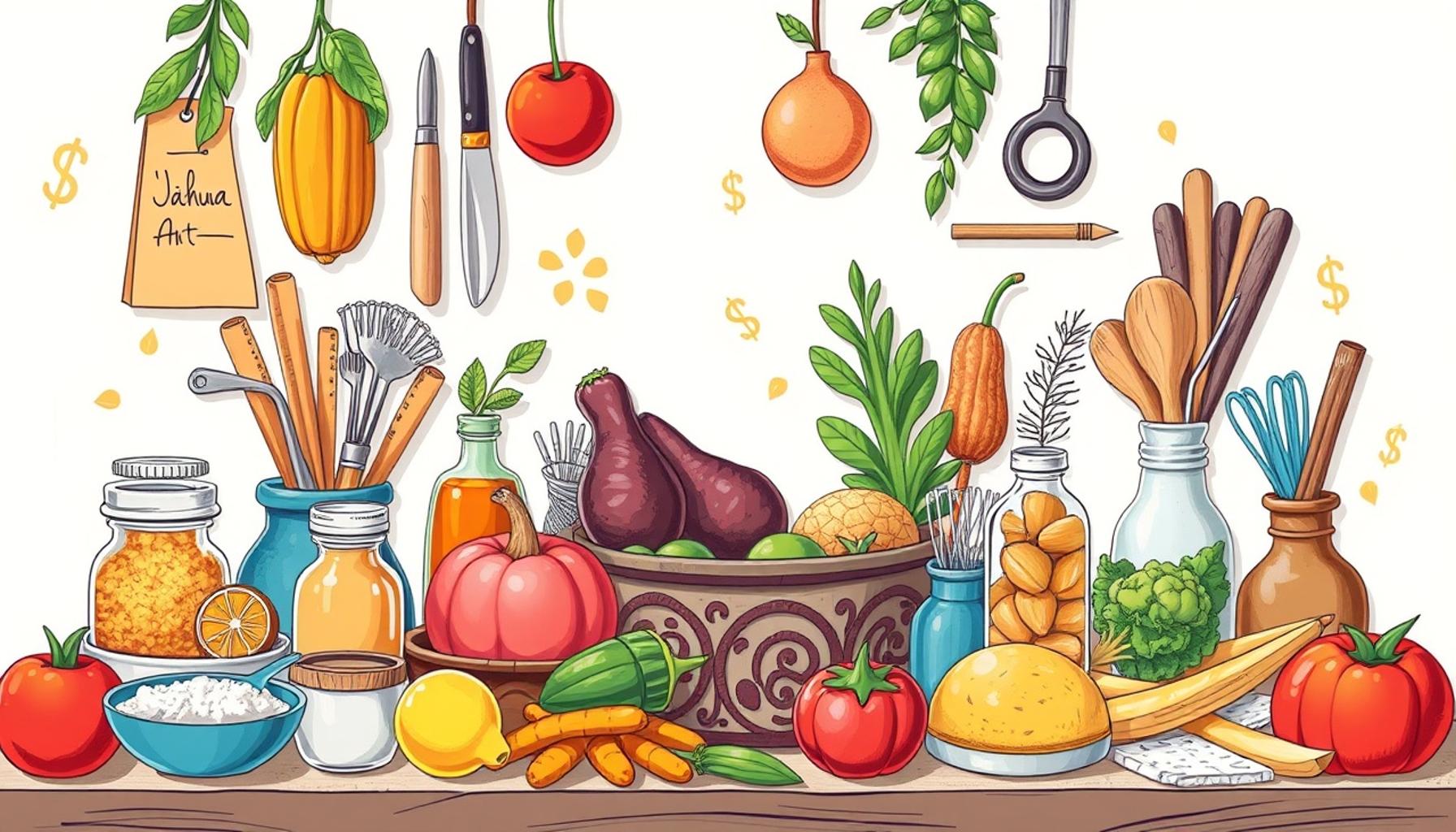
Exploring the world of culinary arts can feel like stepping into a vibrant and dynamic palette where flavors, colors, and techniques intertwine. Creating masterpieces with food is not just about nourishment; it’s an exhilarating expression of art that can ignite the imagination and inspire innovation. Whether one is a seasoned chef or a home cook, the culinary realm offers endless opportunities to blend creativity with gastronomy.
Culinary creativity stretches beyond traditional cooking methods. Here are some compelling elements that highlight this fascinating connection:
- Flavor Pairings: Combining unexpected ingredients can lead to groundbreaking taste experiences. For instance, the rising trend of pairing sweet and savory has seen chefs utilize ingredients like chocolate with chilis or bacon with maple syrup. These combinations not only surprise the palate but also create a deeper appreciation for the versatility of ingredients.
- Presentation: The visual aspect of dishes enhances the overall dining experience and can elevate everyday meals into art. Techniques such as plating, garnishing, and the use of vibrant colors can transform a simple dish into a feast for the eyes. Think of how a well-dressed salad with colorful heirloom tomatoes, a drizzle of balsamic glaze, and delicate herb sprigs can captivate diners even before the first bite.
- Techniques: Mastering various cooking techniques opens the door to endless possibilities for culinary creation. From sous-vide cooking to molecular gastronomy, each method provides unique textures and flavors. For example, sous-vide allows for precise temperature control, resulting in perfectly cooked meats that maintain their juiciness, while molecular gastronomy introduces elements like foams and gels that can redefine familiar dishes.
Understanding how these components work together can unlock a chef’s potential. Whether at home or in professional kitchens, the ability to experiment and innovate can lead to remarkable outcomes. The importance of creativity in cooking cannot be overstated; it encourages individuals to break free from convention and explore the unknown. Having a creative mindset fosters a sense of playfulness in the kitchen, exemplified by home cooks who experiment with fusion cuisine by blending traditional American dishes with international flavors, such as BBQ tacos or sushi burgers.
In our journey to uncover the depths of culinary arts, we will delve into how the process of stimulating creativity through food can shape not just our palates but also our perspectives on life. Culinary creation becomes a celebration of identities, cultural exchanges, and personal stories told through flavors. As we embrace this dynamic world, we discover that every dish has the potential to convey emotions, remember experiences, and even bring people together. Ultimately, food becomes not just sustenance but one of the most profound expressions of human creativity.
DISCOVER MORE: Click here to unlock your creative potential
Unearthing the Creative Potential in Culinary Arts
The art of cooking is an intricate dance that balances intuition, experience, and technique. Every chef’s journey is imbued with personal narrative and cultural heritage, making culinary creativity a unique expression of individual artistry. This process is akin to painting on a blank canvas, where the kitchen becomes a vibrant studio filled with ingredients waiting to be transformed into an edible masterpiece.
One might wonder how one can further enhance creativity in cooking. The answer lies in understanding the intricate relationship between ingredients, techniques, and inspiration. Here are pivotal aspects that amplify this connection:
- Understanding Seasonality: The calendar year presents a variety of fresh, seasonal ingredients, and working with them fosters both creativity and sustainability in the kitchen. Utilizing ingredients that are in season not only enhances the flavors of dishes but also supports local farmers. For instance, ripe summer tomatoes can inspire fresh salsas, while autumn pumpkins can be the centerpiece of a hearty soup, showcasing the transformative nature of seasonal cooking.
- Incorporating Textures: A dish’s appeal is not limited to its flavor; the texture also plays a significant role in creating memorable experiences. Chefs are increasingly focused on the mouthfeel of their meals, employing techniques like frying, steaming, or pickling to introduce diverse sensations. A classic example is the contrast of creamy burrata cheese against a crunchy crostini, which turns a simple starter into a textural delight.
- Storytelling through Food: Each dish can tell a story, bridging cultures and traditions through flavor. The narrative behind a dish invites diners to partake in a journey, whether it is a beloved family recipe passed down through generations or an avant-garde creation inspired by travels abroad. This storytelling element not only enriches the dining experience but also enriches the cook’s connection to their own heritage and the broader world.
As novice chefs experiment with various combinations, there is also a growing trend toward interactive dining experiences, where guests are invited to participate in the cooking process. This hands-on approach can enhance not only culinary skills but also foster a deeper appreciation for the craft of cooking. Things like cooking classes and chef’s tables create a space for shared creativity, making the kitchen a hub of collaboration and excitement.
The broader implications of stimulating creativity through culinary arts extend into our everyday lives, encouraging a mindset where innovation and exploration thrive. The act of cooking inspires individuals to draw upon their background and personal experiences, transforming the kitchen into a canvas where every meal becomes a work of art. This exploration of flavors, techniques, and presentation facets allows for personal growth, self-expression, and, quite importantly, a celebration of community through shared meals.
| Aspect of Culinary Arts | Impact on Creativity |
|---|---|
| Ingredient Selection | Choosing vibrant and diverse ingredients is crucial for creating visually stunning dishes that excite the palate. |
| Presentation Skills | Artful plating enhances the dining experience, prompting chefs to think innovatively and explore artistic expressions through food. |
The fusion of culinary arts and creativity showcases a stunning interplay that not only tantalizes the taste buds but also elevates the visual appeal of each dish. This connection opens avenues for chefs and home cooks alike to explore new realms of flavor and art. Chefs often draw inspiration from various cultural backgrounds, leading to a mélange that captivates diners and enhances cultural appreciation.Moreover, experimenting with new techniques, such as molecular gastronomy or farm-to-table practices, can stimulate innovative thought processes that extend beyond the kitchen. Chefs can craft experiences that reflect personal narratives, using food as a medium for storytelling.Through the delicate balance of flavors and the aesthetic formulation of each plate, culinary arts serve as a dynamic canvas for expression and individuality. Embracing this creative journey encourages culinary enthusiasts to continuously evolve and redefine their craft, making every meal a potential masterpiece.
DISCOVER MORE: Click here to dive deeper
Exploring Techniques that Ignite Culinary Innovation
The journey of culinary artistry is not just about the ingredients—it is equally about the techniques that bring those ingredients to life. Mastering various cooking methods can unlock new flavors and styles, paving the way for innovative creations. Chefs and home cooks alike can benefit from experimenting with the following techniques that stimulate creativity:
- Fermentation: This ancient technique has experienced a renaissance in recent years. Fermentation not only enhances flavors and nutritional profiles but also introduces a new dimension to dishes. From tangy kimchi to rich miso, exploring fermentation can transform simple ingredients into complex culinary wonders. Chefs are now experimenting with fermentation to elevate their dishes, offering a unique twist that sparks conversation at the table.
- Sous Vide Cooking: The sous vide method, where food is vacuum-sealed and slowly cooked in a water bath, is another conduit for creativity. Precision cooking allows for perfect temperature control, resulting in tender, flavorful dishes that would be difficult to achieve through traditional methods. The visual appeal of dishes cooked sous vide, often finished with a quick sear or char, adds an artistic touch that excites both the palate and the eyes.
- Plating as Art: The presentation of food is an essential aspect of the dining experience, and it plays a significant role in culinary creativity. Plating transforms a simple meal into an artistic masterpiece. Innovative chefs employ techniques such as balancing heights, utilizing negative space, and incorporating vibrant garnishes to create eye-catching presentations. This delicate artistry not only enhances the visual appeal but also affects the way diners perceive the flavors and textures on their plates.
Moreover, chefs are increasingly blending cuisines and techniques from diverse cultures, which creates an inventive, multicultural canvas for culinary expression. For instance, crossing traditional Italian pasta-making with Japanese umami-rich flavors results in dishes that challenge the palate while honoring both culinary legacies. This cross-pollination invites culinary artists to think outside conventional boundaries, allowing them to break free from the constraints of tradition and explore new possibilities.
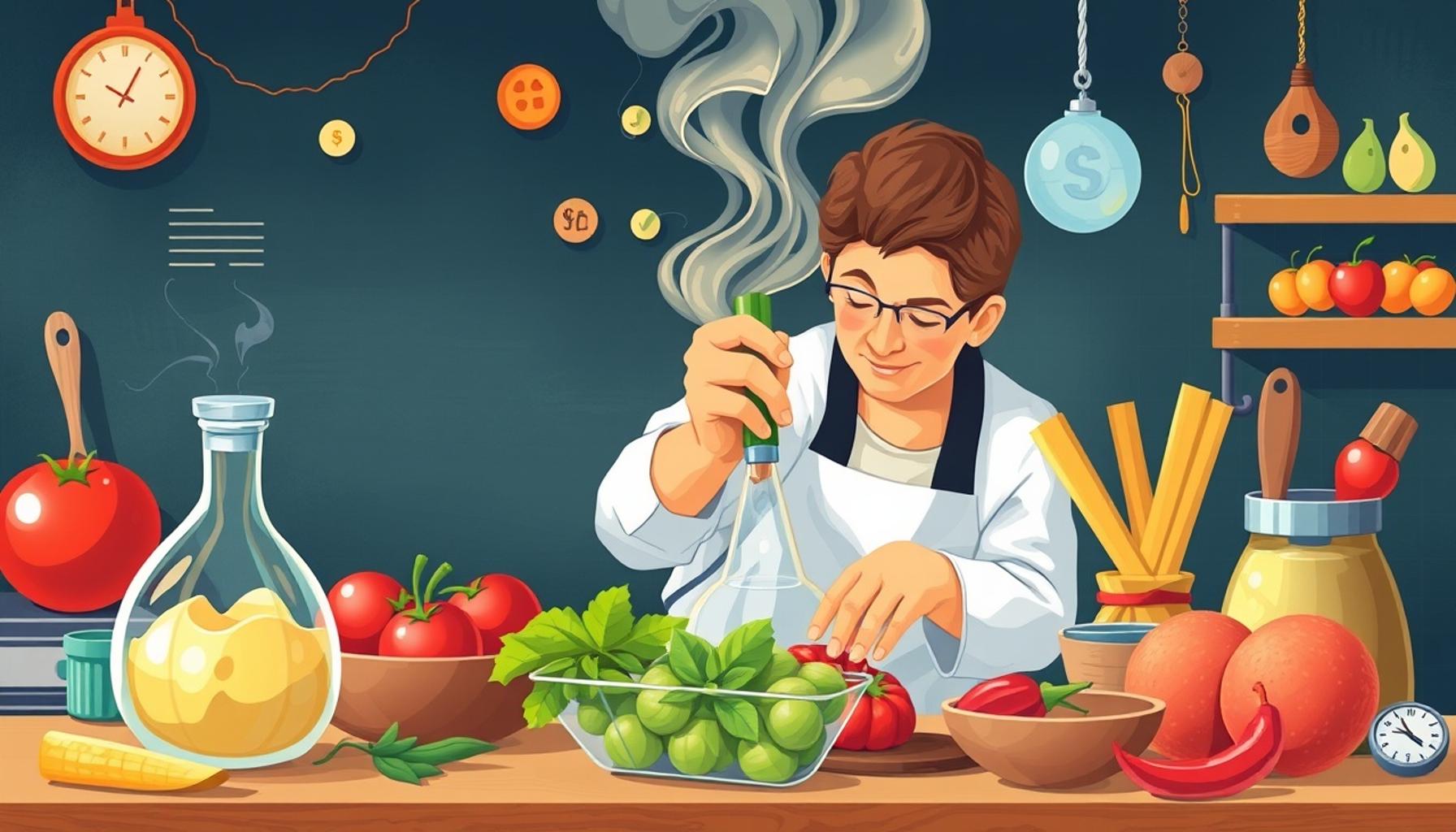
In parallel, the rise of food technology has allowed cooks to experiment with modern methods such as molecular gastronomy. Chefs utilize scientific principles to create unexpected textures and flavor experiences, in turn challenging diners’ perceptions of food. Techniques such as spherification, where liquids are encased in a gel, result in bursts of flavor that provide a unique contrast to traditional dishes, adding an element of surprise that encourages further exploration and discussion.
As culinary artists continue to explore the depths of their craft, their creations not only serve to satiate hunger but also foster connection and inspiration among others. Whether it is sharing inventive recipes through social media platforms or engaging in collaborative cooking experiences, the spirit of creativity within culinary arts encourages community bonding and personal expression. By embracing the full spectrum of techniques and inspirations available, anyone can tap into the vast potential of cooking, making nourishing, artful experiences that resonate on both individual and collective levels.
DISCOVER MORE: Click here to learn about creating art with recyclable materials
Unleashing Culinary Potential: The Path to Creative Masterpieces
In conclusion, the world of culinary arts is a vibrant tapestry woven from the threads of creativity, technique, and cultural exchange. As we have explored, mastering innovative cooking methods such as fermentation, sous vide, and artistic plating allows both amateur and professional chefs to craft extraordinary dishes that do more than please the palate—they ignite the imagination. Blending techniques from various culinary traditions opens doors to new flavor profiles and unforeseen culinary experiences, encouraging a playful approach to cooking that transcends borders and traditions.
The rise of technology and modern methods, including molecular gastronomy, further propels chefs into uncharted territories of flavor and texture, challenging diners to reconsider their perceptions of food. As culinary artists discard the confines of convention, they foster a sense of liberation that inspires both creativity and community. Through experimentation and collaboration, the culinary landscape in the United States is enriched by diverse flavors and ideas, enabling everyone to participate in this ongoing evolution.
Ultimately, the connection between culinary arts lies in its power to unite people through shared experiences, innovation, and passion. Embracing this adventure not only transforms ordinary meals into culinary masterpieces but also revitalizes our connection to the intricate relationship between food, culture, and creativity. By continuing to explore techniques and inspirations from around the globe, we can cultivate a deeper appreciation for the art of cooking that inspires both personal expression and communal satisfaction.