Crafting for Community: How DIY Projects Can Bring People Together
The Emergence of Community Crafting
Community engagement has taken on a new dimension, and DIY projects are at the forefront of this movement. From backyard gatherings to local workshops, crafting has emerged as a popular way to connect and collaborate. The benefits of these hands-on activities extend far beyond individual satisfaction and creativity, becoming a vital part of today’s social landscape.
Why DIY Projects Matter
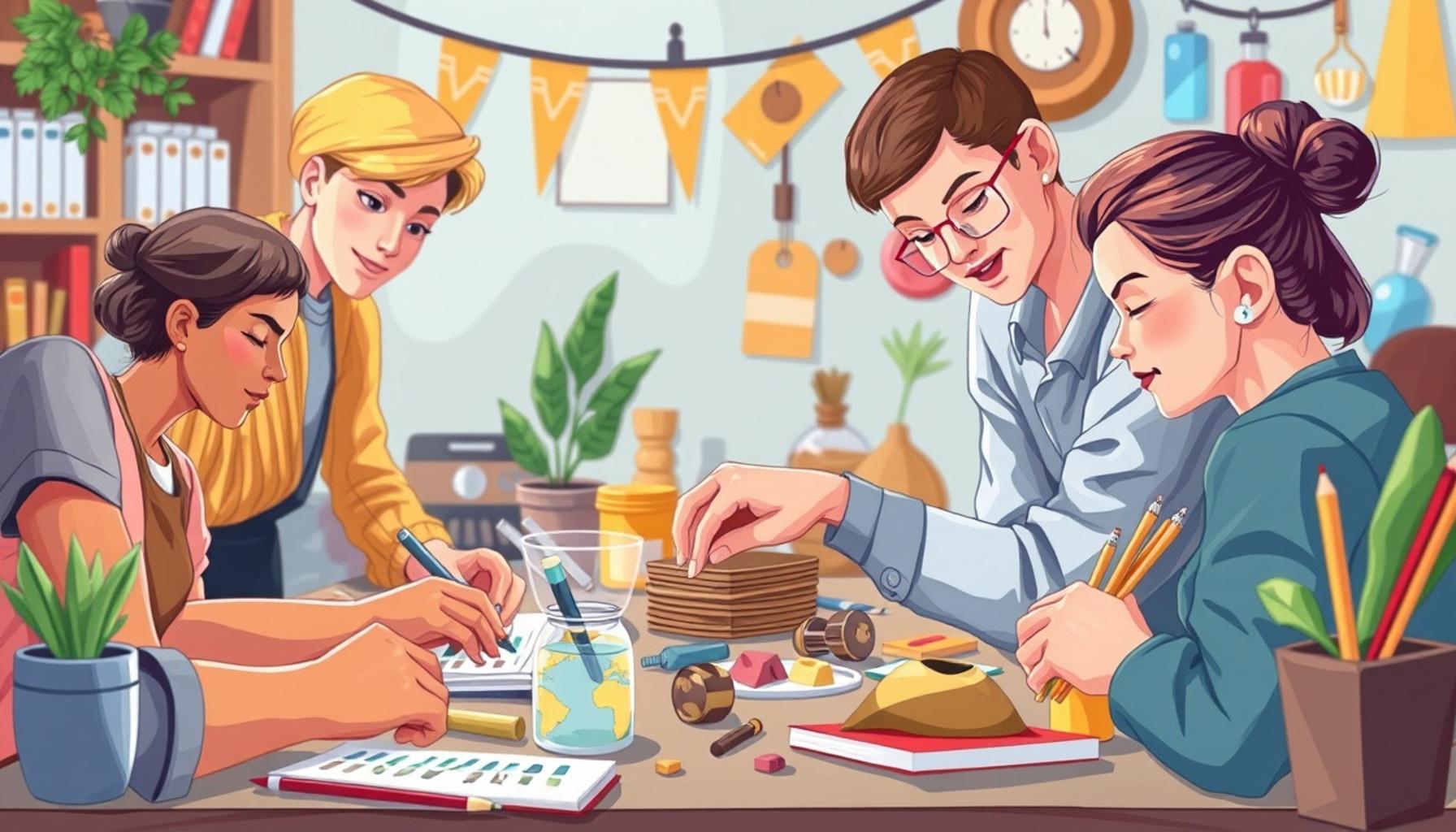
Participating in crafting activities not only fosters creativity but also strengthens community ties. Here are some key benefits:
- Social Interaction: Crafting events encourage individuals to bond over shared interests. For instance, local artisans may host pottery classes where participants not only learn the craft but also engage in lively conversation, cultivating friendships that may extend beyond the workshop.
- Skill Sharing: Experience and knowledge-sharing enhances group dynamics. For example, skilled quilters often welcome beginners to join quilting bees, where seasoned crafters share techniques and tips, thus nurturing an environment of learning and mentorship.
- Inclusivity: DIY projects cater to all ages and skill levels, making them accessible to everyone. A community garden project, for example, invites children and seniors alike to work together, demonstrating that crafting can be enjoyed regardless of one’s background or expertise.
Making Connections through Crafting
Whether it’s knitting circles or woodworking workshops, the act of creating something together promotes a sense of belonging. Community members become more than just neighbors; they foster bonds as collaborators with a shared goal. The social fabric of neighborhoods is often enriched through events that highlight local craftsmanship.
Take for instance the annual arts and crafts fair held in many towns, where local artists display their work and residents come together not just to purchase items, but to share stories about their own crafting journeys. This creates an atmosphere where creativity thrives, and local culture is celebrated.
Join us as we explore how DIY projects can serve as a catalyst for community building, bringing people together in meaningful ways. The transformative potential of crafting can enhance social bonding and create lasting relationships. By investing time in crafting activities, communities can nurture an environment of collaboration and support that is often lacking in today’s fast-paced world. Ultimately, the act of making something together goes beyond the physical objects created; it cultivates a collective spirit that uplifts the entire community.
DISCOVER MORE: Click here to dive deeper
The Power of Collective Creativity
Crafting can be viewed as a form of expression, but when it transcends individual pursuits, it transforms into a powerful tool for community engagement. As communities across the United States increasingly embrace DIY projects, the impact of collective creativity becomes profoundly evident. Not only does this foster artistic innovation, but it also reinforces social bonds among community members, allowing for a rich tapestry of interactions.
Creating Shared Experiences
The essence of community crafting lies in the shared experiences it generates. Participating in group activities broadens horizons, engenders laughter, and can even spark lifelong friendships. Examples of crafting events such as community mural painting or seasonal craft fairs demonstrate how individuals can come together to create something visually and emotionally impactful. For instance, murals created through collaboration often tell a community’s story, reflecting its culture while embedding personal narratives into public spaces.
Moreover, hands-on projects often result in tangible products that remind participants of their shared journey. A woodworking group, for example, might create benches for local parks that serve as seating areas for families and friends, thus leaving a lasting legacy of their collaborative work.
Bridging Generational Gaps
One of the delightful aspects of community crafting is its ability to bridge generational divides. Events where seniors teach younger generations traditional skills, such as knitting or basket weaving, exemplify how crafting facilitates connections across age barriers. Participants often find themselves sharing more than just techniques; they exchange stories, wisdom, and cultural heritage.
Consider the phenomenon of story quilts, where different generations contribute squares reflecting personal experiences or family histories. These projects promote understanding and respect for different life stages, creating a boundless learning opportunity that every participant can appreciate.
To better understand the benefits of community crafting, here are some key takeaways:
- Emotional Well-Being: Engaging in hands-on activities can improve mental health by providing a sense of accomplishment and purpose.
- Collaboration and Teamwork: Crafting together requires individuals to work cooperatively, which fosters teamwork and enhances interpersonal skills.
- Building Local Identity: Community crafting initiates projects that are directly related to local culture and history, enriching the local identity.
As communities harness the energy of DIY projects, they not only create beautiful works of art but also cultivate relationships that strengthen the very fabric of social life. In this way, crafting becomes more than just a pastime; it evolves into a meaningful outlet for connection and unity among diverse groups, ultimately reinforcing the idea that through creativity, we can construct both physical and interpersonal bridges.
| Category | Description |
|---|---|
| Community Engagement | Participating in DIY projects fosters collaboration and bonding among community members. |
| Skill Sharing | DIY crafting promotes sharing knowledge and skills, enhancing personal connections. |
When we look at the essence of DIY projects within communities, the concept of community engagement takes center stage. Community gatherings fashioned around crafting sessions not only lead to the creation of unique artifacts but also foster a rich environment for collaboration and bonding. The process of working together encourages conversations and relationships that might not thrive in conventional settings.Furthermore, skill sharing becomes an invaluable asset in these DIY endeavors. Individuals bring their unique expertise to the table, whether it’s woodworking, knitting, or painting—each sharing their techniques, tips, and creative insights. This exchange not only enriches the individual’s crafting repertoire but also strengthens the personal connections formed during these sessions. By learning from each other, community members can establish a sense of belonging and mutual respect that transcends mere acquaintanceship. Consequently, this leads to a vibrant community spirit, where everyone contributes to and benefits from collective creativity.
DIVE DEEPER: Click here to embark on a culinary journey
Empowering Local Solutions Through Collaborative Crafting
Beyond the joy of creation and connection lies the significant potential of DIY projects to address local challenges. Community crafting can serve as a catalyst for problem-solving, enabling groups to identify needs and collaborate on effective solutions. Engaging in collective projects such as community gardens, outdoor murals, or furniture recycling programs not only beautifies neighborhoods but also fosters sustainable practices.
Strengthening Community Resilience
In the face of economic fluctuations or natural disasters, community-led projects empower individuals to come together in resilience. For example, during recovery efforts following hurricanes, many communities have utilized crafting as a way to rebuild and revitalize public spaces. Volunteer-led initiatives such as creating sandbags or constructing temporary shelters often serve as both immediate aid and opportunities for crafting experiences.
Moreover, crafting events that focus on sustainability, like making reusable bags or repairing bicycles, address environmental issues while teaching valuable skills. These collective efforts not only strengthen community resilience in practical terms but also encourage a sense of responsibility towards protecting the environment. The materials used in these projects often come from donations, reinforcing the idea of community support and shared resources.
Fostering Inclusivity Through Shared Crafting
One of the remarkable benefits of community crafting is its ability to foster inclusivity. DIY projects can bring together individuals from diverse backgrounds, regardless of socioeconomic status or skill level. Workshops that invite participants to create items like handmade soap or pottery often see a mix of attendees, including artists, beginners, and local families—all united by a common goal.
A striking example can be found in the surge of community ‘Craftivism’ events where art is used as a form of activism to advocate for social causes. Through creating banners, sculptures, or wearable art pieces, participants can express their solidarity and bring awareness to pressing issues such as social justice or environmental conservation. These projects not only amplify voices within a community but also highlight the importance of inclusivity in crafting spaces where everyone’s contributions are valued.
Building Creative Economies
Crafting has also proven to be a way to stimulate local economies. By creating DIY craft markets or cooperatives, communities can provide platforms for local artisans to showcase their work, thus supporting entrepreneurship. This helps cultivate a sense of pride and ownership among community members as they promote their creations and share their stories.
For instance, events such as art walks or craft fairs can act as vibrant hubs for networking and collaboration among local creatives. They encourage conversations and the exchange of ideas, thereby enhancing both individual and collective creative skills. These gatherings can lead to the formation of workshops that foster more structured skill development, thus ensuring the continuity of craft traditions and innovation in the local economy.
In this era where community identity is constantly evolving, crafting initiatives represent a dynamic means for self-expression, collaboration, and community strengthening. The act of creating together amplifies the notion that through craftsmanship, communities can forge robust connections and work cohesively towards a brighter future.
DIVE DEEPER: Click here to discover sustainable cuisine tips
Conclusion
In a world that often feels fragmented, crafting for community emerges as a powerful antidote, emphasizing the importance of collaboration, creativity, and inclusivity. Through DIY projects, individuals are not just creating tangible items; they are actively participating in a shared narrative that strengthens the fabric of their communities. From addressing local challenges to fostering resilience in times of hardship, collective crafting initiatives help bring people together, building bonds that transcend social divides.
Moreover, as communities embrace sustainable practices through crafting, they contribute to environmental consciousness and shared responsibility. The skills developed in these collaborative settings encourage lifelong learning and a sense of empowerment among participants. The spirit of craftivism highlights how art can serve as a unifying force for social causes, sparking dialogue and raising awareness about issues that matter.
As we look towards the future, the potential for DIY projects to stimulate local economies cannot be underestimated. By supporting artisans and providing platforms for creativity, crafting becomes a vehicle for economic growth and cultural exchange, nurturing not just individual identities but also a collective community ethos. Ultimately, the act of creating together resonates on multiple levels, rekindling the essence of community, fostering a sense of purpose, and inspiring a journey toward a more connected, vibrant, and resilient society. Whether through workshops, markets, or grassroots initiatives, let us continue exploring the transformative power of community crafting—one project at a time.