Exploring the Role of Musical Instruments in Self-Expression: A Beginner’s Guide
The Power of Musical Instruments in Self-Expression
At its core, music transcends the boundaries of language and culture, emerging as a universal medium for conveying deep-seated emotions and personal narratives. Instruments play a vital role in this expression, acting as extensions of the musician’s voice. Each type of instrument carries not only a unique sound and timbre but also the potential to reflect the individuality of the player. For novices stepping into the world of music, the journey of mastering an instrument can lead to profound personal insights and emotional revelations.
Let’s explore how various aspects of musical instruments contribute to self-expression:
- Personal identity: The choice of instrument can often mirror personal traits. For example, a jazz enthusiast might be drawn to the smooth saxophone, which can evoke lively, energetic yet soulful tunes. In contrast, those with a penchant for folk music might find their muse in the guitar, offering the versatility to play poignant ballads or sing-along anthems. Each instrument can thus become a vehicle for one’s identity, enabling musicians to create a distinct style that reflects their inner selves.
- Emotional release: The act of playing an instrument can serve as a powerful outlet for emotions. A drummer, for instance, might channel frustration into vigorous rhythms, while a pianist may express feelings of longing through melancholic melodies. This transformative experience allows musicians to navigate their emotional landscapes, turning personal struggles into inventive compositions. Numerous studies have shown that engaging with music can lower stress and improve mental well-being, further emphasizing its role as a therapeutic experience.
- Cultural connection: Every culture has its own musical heritage, and the instruments associated with these traditions can foster a sense of belonging among players. For example, the banjo is deeply rooted in American folk and bluegrass music, while the marimba is central to African and Latin American music traditions. Learning to play these instruments can connect individuals to their ancestry and community, fostering pride in cultural heritage, while also promoting understanding and appreciation of diverse musical expressions.
This exploration of musical instruments presents an opportunity for both personal growth and artistic discovery. Whether you’re a complete novice hoping to learn the ukulele or someone returning to the piano after years of absence, embracing this journey can unlock unexplored facets of your identity.
As we delve deeper into this captivating realm, it’s crucial to remember that the venture into music isn’t solely about mastering notes and rhythms. It’s about the enlightening experience of discovering oneself in the melodies played and the stories sung. Join us as we embark on this quest, where each note has the potential to change lives, and every rhythm can narrate a unique tale.
DISCOVER MORE: Click here to dive into new literary genres
Understanding the Instrumental Connection to Self-Expression
When embarking on the journey of music, selecting an instrument can significantly influence how one expresses emotions and creativity. Each instrument possesses its own character and nuances, shaping the musical landscape a player will navigate and how they narrate their personal stories. Additionally, the tactile experience of learning to play doesn’t just enhance technical abilities; it aids in creating a profound emotional connection. Here are several elements that illustrate how musical instruments foster self-expression:
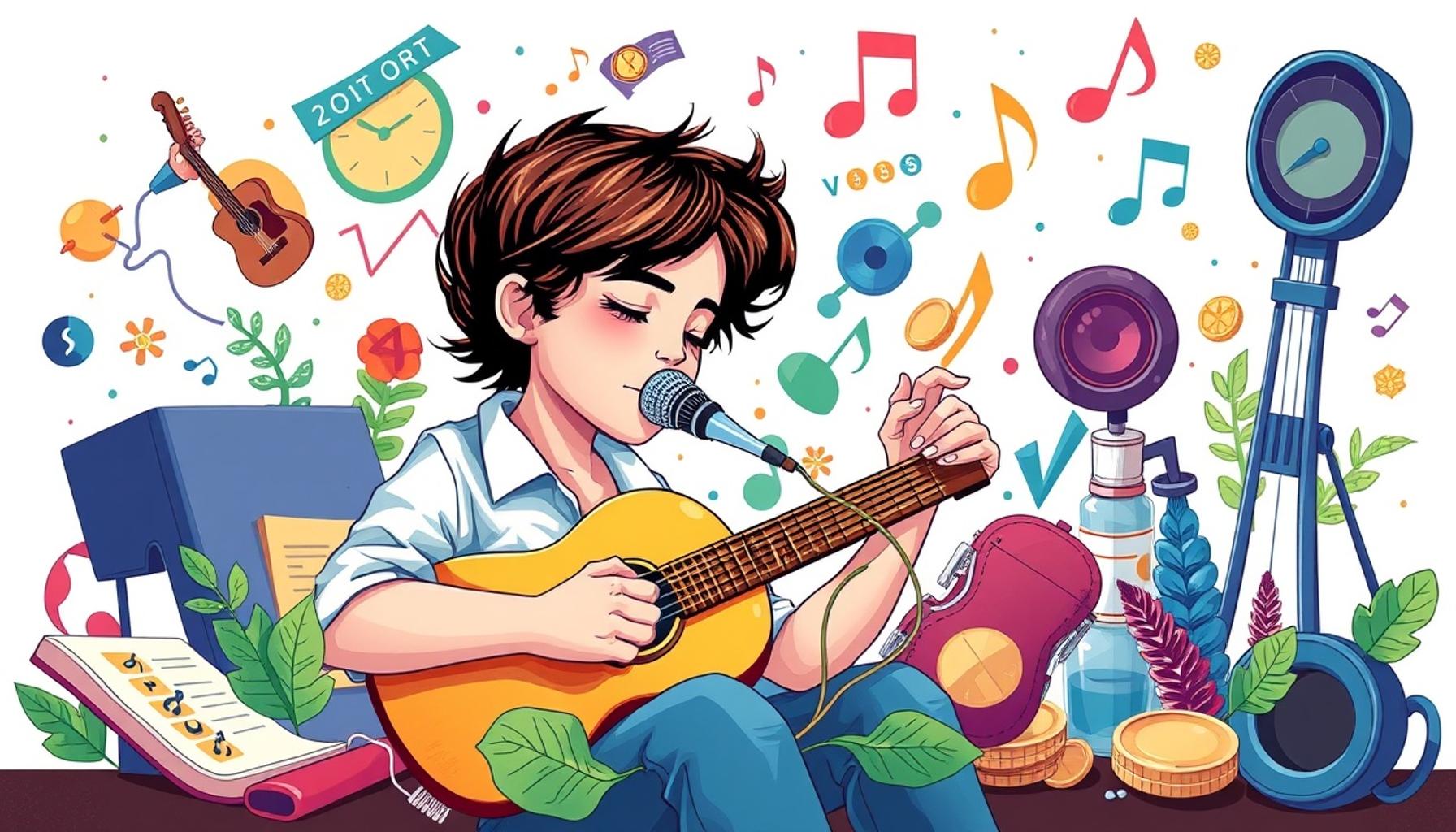
- The Physical Interaction: Playing an instrument is not merely about sound; it is an intimate physical experience. The vibrations of a guitar’s strings or the smooth keys of a piano can trigger emotions that words often fail to convey. Research indicates that engaging with musical instruments can create brain pathways that enhance emotional intelligence, illuminating feelings one may not have fully recognized. For beginners, each strum or note offers a chance to articulate themselves in ways that are deeply personal.
- Exploratory Creativity: Learning an instrument opens the door to creative exploration. Players develop unique styles by experimenting with different genres or techniques. A fledgling saxophonist might start with classical jazz but then shift to funk or even contemporary pop, embodying a flexibility that mirrors their evolving identity. This creative fluidity allows musicians to explore various facets of themselves, cultivating a sense of confidence driven by unrestrained expression.
- Peer Connection and Community: Music fosters relationships. Joining a band or ensemble can create a feeling of belonging among players. Collaborative music-making becomes a powerful channel for shared expression. When musicians from varying backgrounds unite to create harmony, they transcend individual narratives, embracing a collective experience that enriches personal growth. Participating in local jam sessions or open mic nights can also help aspiring artists find their voice and foster a supportive network.
- The Art of Storytelling: Every song has a story, and playing an instrument provides a platform to share these narratives. Through melodies and rhythms, individuals can articulate their triumphs and sorrows, creating a resonant connection with listeners. For instance, country music, prevalent in the United States, often tells tales of love, loss, and personal experiences, frequently using instruments like the guitar and banjo to communicate these sentiments powerfully.
As beginners experiment with different instruments, they embark on a journey of self-discovery that intertwines their musical pursuits with their emotional and creative identities. Whether grappling with the complexities of the violin or strumming simple chords on a ukulele, the experience of music-making serves as a gateway to understanding oneself better.
With dedicated practice and an open heart, every beginner can unlock their unique voice through the rich soundscape of musical instruments. As this exploration continues, players will discover the vital role that each note, beat, and chord plays in composing the symphony of their lives. This connection is what makes music a powerful vehicle for self-expression, inviting enthusiasts to delve deeper into their own narratives.
Exploring Self-Expression through Various Musical Instruments
When diving into the realm of musical instruments, it’s essential to understand the profound impact they can have on self-expression. From the gentle hum of a guitar to the powerful resonance of a piano, each instrument has its unique voice. For beginners, choosing the right instrument can open up channels of emotion that may not have been accessible before.Guitars are often the first choice for many aspiring musicians. The versatility of the guitar allows for a range of genres, enabling players to convey a love story through a ballad or express inner turmoil with a powerful riff. With every strum, guitarists can find a way to articulate their feelings, creating a deep connection between the musician and their audience.Pianos offer another path to self-expression. The keyboard’s wide range of notes allows for intricate melodies and harmonies. Beginners can start simple and gradually explore complex compositions, often finding that the instrument becomes a canvas for their emotions. Composing a piece on the piano can be a cathartic experience, helping individuals to process their thoughts and feelings.Moreover, percussive instruments like drums foster community engagement and energize expression through rhythm. Playing in a group can create a shared sense of identity and belonging, amplifying personal emotions into a collective experience. The act of drumming can serve as a release, pushing through anxiety and enabling players to express what words cannot.In addition to physical instruments, technology is paving the way for new forms of expression. Digital audio workstations (DAWs) enable budding musicians to create and manipulate sounds, offering endless possibilities for creativity. This development not only broadens the horizon for self-expression but also invites individuals to explore their sound without the constraints of traditional instrument techniques.
Benefits of Engaging with Musical Instruments
Engaging with musical instruments fosters not just creativity but emotional resilience. The practice of learning a new skill promotes self-discipline, patience, and persistence. Moreover, as students tackle challenges, they often gain confidence, leading to an appreciation of their unique artistic voices. Understanding that self-expression through music isn’t solely about perfection, but also about authenticity and vulnerability, encourages learners to embrace their individuality. Ultimately, exploring the vast world of musical instruments becomes a journey not only of sound but of self-discovery. As beginners delve into this rich landscape, they will uncover new dimensions of personal expression and connection, making the experience both fulfilling and transformative.
DISCOVER MORE: Click here to delve into new literary genres
The Journey of Learning: Overcoming Challenges and Celebrating Milestones
While the journey of learning a musical instrument is filled with creative opportunities, it is also marked by challenges that can greatly influence personal growth and self-expression. For beginners, encountering obstacles such as mastering new techniques, developing hand-eye coordination, or even overcoming performance anxiety can often feel daunting. However, these hurdles form an essential part of the experience, encouraging self-reflection and resilience.
- Embracing Mistakes: In the realm of music, mistakes can often lead to unexpected revelations. Each wrong note played or failed attempt serves as a stepping stone towards improvement. Embracing flaws not only builds a musician’s skill set but also paves the way for authentic self-expression. A beginner might discover that a misplayed chord on the guitar echoes their feelings of vulnerability, leading them to reflect on their emotional landscape. This self-awareness becomes a powerful tool for storytelling through music.
- Setting Personal Goals: The practice of setting achievable goals is an essential aspect of learning any instrument. Beginners might establish mini-milestones such as learning a simple song or mastering a new scale. These goals help musicians measure their progress, providing a sense of achievement that enhances confidence. Celebrating these small victories not only encourages continued practice but reinforces the idea that growth in music is a reflection of personal growth in life. Each goal achieved represents a step closer to finding one’s distinctive voice.
- Finding Inspiration: Sources of inspiration play a crucial role in a musician’s journey. For beginners, this could include discovering artists who resonate with them or attending live performances that evoke emotions. For example, seeing local musicians at a coffee shop or participating in music festivals can expose beginners to diverse styles and techniques, igniting passion and creativity. Platforms like social media and online tutorials can also provide a wealth of information and guidance, allowing musicians to explore their interests in a supportive online community.
- Internalizing the Music: As beginners delve deeper into learning their instruments, they often find themselves internalizing songs and musical concepts. This intimate process allows individuals to channel their experiences and emotions into their playing. For instance, a budding pianist might connect deeply with a piece by Chopin or a contemporary artist, while interpreting the music through their own lens. This internalization fosters a unique connection between the player and their chosen instrument, intensifying the personal expression within their music.
In navigating these challenges, beginners uncover more than just musical techniques; they engage in a journey of self-discovery that can expand their emotional vocabulary and foster a healthy sense of identity. Playing an instrument becomes more than a hobby; it evolves into a medium for communication and exploration. With each practice session, musicians of all skill levels gain a deeper understanding of themselves and their emotions, reflecting the transformative power of music.
Ultimately, the exploration of musical instruments in cultivating self-expression is an ongoing process. Each chord struck, note played, or rhythm established represents more than just music; it is an expression of who they are and who they strive to be. This journey reflects the profound relationship between music and personal growth, as each beginner learns to embrace not only the melodies that linger in the air but also the stories crafted from their own lived experiences.
DISCOVER MORE: Click here to learn how to make your meals more sustainable
Conclusion
In conclusion, the role of musical instruments in self-expression serves as a rich tapestry woven through the unique experiences of every beginner musician. As one embarks on this journey, it becomes clear that every strum, beat, or note played is not just about mastering technique but rather a pathway to understanding one’s emotions and identity. Through the challenges and victories outlined in this guide, beginners realize that music is a profound medium through which they can articulate feelings that may otherwise remain unspoken.
The transformative power of music encourages novices to delve deeper into their emotional landscapes, allowing them to share their stories and connect with others. From embracing mistakes that lead to growth to setting personal milestones that build confidence, the experiences gained through learning an instrument profoundly shape an individual’s journey of self-discovery. Moreover, the inspiration drawn from diverse musical influences fuels creativity, introducing fresh perspectives on one’s artistic expression.
Ultimately, exploring musical instruments is a venture that fosters not only skill development but also emotional empowerment and communication. For those starting, the journey is just as significant as the destination. As you continue to play and learn, remember that each moment spent with your instrument can unveil new avenues for self-expression, enriching your life and those around you. Embrace the adventure of music, for it is a lifelong companion in your quest to convey the melodies of your heart.