How Writing Original Songs Can Help Mental Health

The Power of Songwriting in Nurturing Mental Health
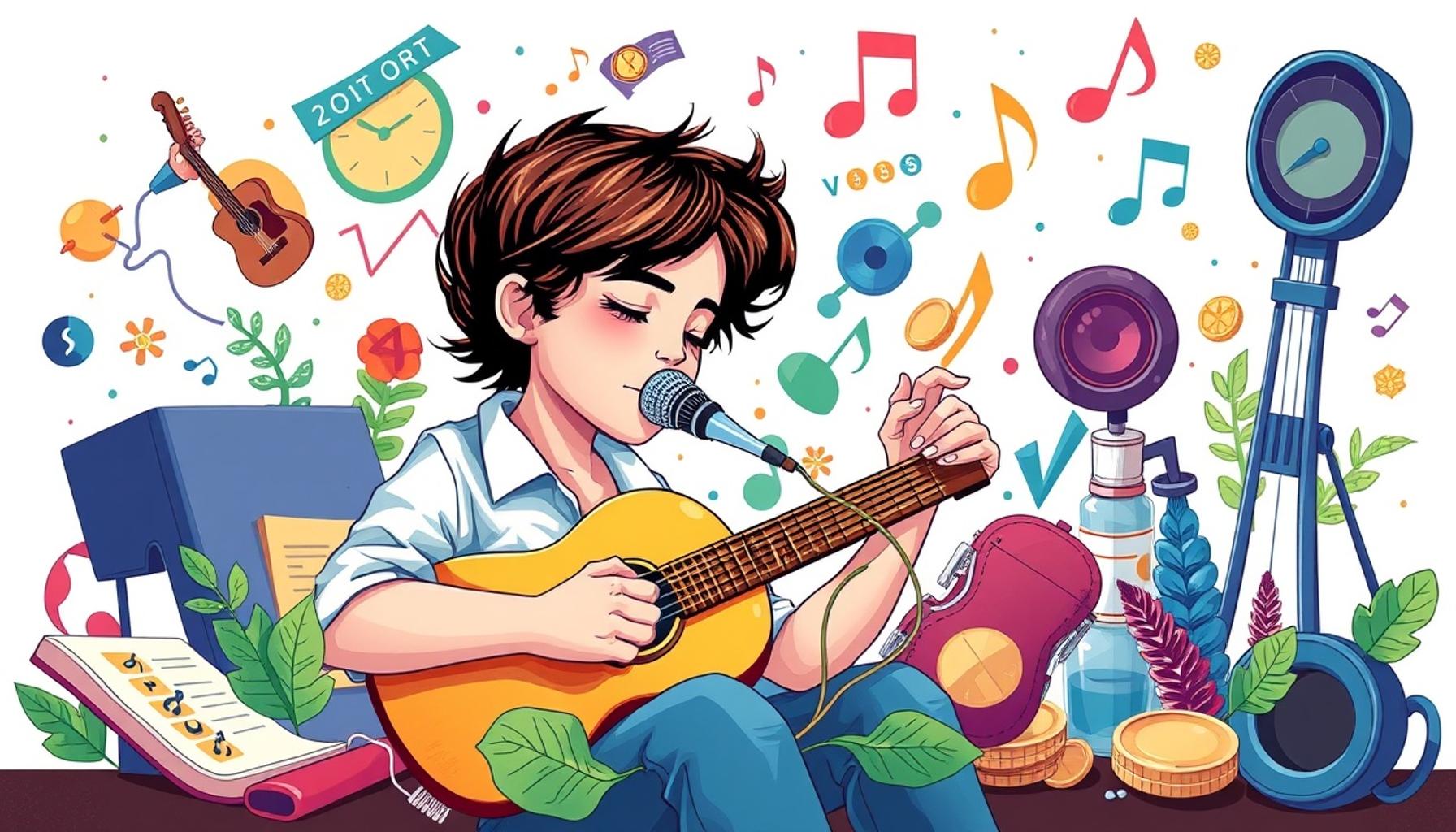
Music serves as a universal language, transcending barriers and resonating deeply with human emotions. For many individuals, particularly in the United States, writing original songs becomes an essential form of self-expression. This creative endeavor not only allows for personal storytelling but also fosters mental well-being through various therapeutic benefits. By engaging in songwriting, individuals are given the opportunity to explore and articulate their innermost feelings.
- Emotional Release: Songwriting provides a unique platform for emotional expression. Individuals may find it easier to convey complex feelings such as grief, love, or frustration through lyrics and melody. For instance, a person grappling with loss might pen a heartfelt ballad, transforming their pain into art. This articulation can be particularly vital when emotions are so profound that speaking those feelings aloud feels daunting.
- Stress Reduction: The act of creating music can function as a therapeutic outlet that mitigates stress and anxiety. Engaging in the creative process often leads to a meditative state where individuals can focus solely on their art. Research indicates that immersing oneself in music creation can reduce cortisol levels, the hormone associated with stress. Many songwriters report feeling lighter and more relaxed after completing a song.
- Boosting Self-Esteem: Completing an original song can provide a powerful sense of accomplishment. This achievement can significantly enhance an individual’s confidence and overall self-worth. For example, participants in songwriting workshops often report newfound determination and pride in their creative endeavors, contributing to a more positive self-image.
Research published in the Journal of Music Therapy highlights these benefits, revealing that individuals who engage in songwriting frequently report reductions in anxiety and an improved emotional connection to themselves. This indicates that songwriting is not only a creative pursuit but also a nurturing practice for mental health.
In various cities across the United States, artists harness the power of songwriting to navigate personal challenges. Institutions such as hospitals and mental health organizations have begun implementing songwriting workshops, aiming to foster connection and expression among participants. For instance, some community centers in New York City offer sessions tailored for at-risk youth, teaching them musical skills while giving them a safe space to share their stories.
As the connection between music and mental health becomes increasingly recognized, the growing integration of songwriting into therapeutic settings illuminates its potential. This exploration into how songwriting serves as a catalyst for positive mental health outcomes underscores its importance, empowering individuals to embrace their stories and hopeful narratives towards emotional well-being.
Unveiling Emotional Landscapes through Songwriting
Songwriting allows individuals to venture into their emotional landscapes, unveiling thoughts and feelings that may be challenging to verbalize in everyday conversations. It acts as a mirror reflecting personal struggles, triumphs, and vulnerabilities. Engaging in this creative process can serve as a form of therapy, enabling individuals to make sense of their experiences and develop a deeper understanding of themselves.
One significant aspect of songwriting is its role in fostering self-discovery. Many songwriters find themselves reflecting on their personal journeys, often leading to insights that they might otherwise overlook. This introspective creativity can provide clarity, helping individuals connect the dots between past experiences and present emotions. For example, a songwriter grappling with feelings of isolation may create a song that encapsulates their journey towards connection, allowing them to process their emotions in a constructive way.
Additionally, the act of songwriting often encourages individuals to explore their identity and sense of purpose. Through the creation of original music, they can explore various facets of who they are, leading to self-acceptance and personal growth. Many songwriters express themes of resilience and empowerment in their work, showcasing their ability to overcome challenges. This empowerment not only fuels their creative output but also inspires listeners who may relate to similar struggles.
- Creative Freedom: Songwriting provides a platform for unhindered creativity. It encourages artists to venture outside societal norms, allowing them to express thoughts and feelings that may be deemed taboo or misunderstood. This freedom can lead to a cathartic understanding of life’s complexities, promoting emotional healing.
- Connection to Others: Sharing original songs fosters a sense of community, enabling individuals to connect with others who may share similar experiences. This bond can be particularly significant for those who have faced mental health challenges, as it allows them to feel understood and supported. Collaborating with other musicians often amplifies the healing effects of songwriting.
- Mindfulness and Presence: The significant focus required during the songwriting process encourages mindfulness, allowing individuals to immerse themselves fully in the moment. By concentrating on melody, lyrics, and composition, they can distract themselves from daily stressors and anxiety, promoting a sense of calm.
Numerous studies indicate that engaging in creative activities like songwriting can significantly enhance mental health outcomes. Research published by the American Psychological Association highlights the connection between creative expression and reduced symptoms of depression and anxiety. As individuals pour their emotions into their lyrics, they often feel a weight lifted, leading to improved emotional resilience.
As this artistic journey unfolds, individuals not only craft songs but weave narratives of healing, empowerment, and hope that resonate well beyond their own experiences. In an age where mental health awareness is at the forefront, songwriting emerges as a vital tool for harnessing creativity to navigate life’s challenges, emphasizing the profound impact that original music can have on our emotional well-being.
How Writing Original Songs Can Help Mental Health
Writing original songs is not just a creative outlet; it also plays a significant role in enhancing mental well-being. Engaging in the songwriting process allows individuals to express emotions that might be challenging to articulate verbally. When crafting lyrics, songwriters often face personal experiences—transforming pain, joy, and everything in between into musical notes. This can lead to profound healing and self-discovery.
Furthermore, music has therapeutic qualities that can elevate mood and reduce anxiety. When people create their own music, they gain a sense of control over their emotions. This act of creation can serve as a coping mechanism, providing a constructive way to channel feelings rather than allowing them to overwhelm. Studies have shown that songwriting can lower stress levels, promote relaxation, and generate a sense of accomplishment.
Additionally, collaborating with others in songwriting can foster connection and community. This social aspect not only combats loneliness but also encourages sharing experiences and insights. By participating in songwriting groups or workshops, individuals can cultivate relationships that support their mental health journey. The shared creative process brings a sense of belonging and understanding, reinforcing the idea that they are not alone in their struggles.
| Category | Advantages |
|---|---|
| Emotional Expression | Helps articulate complex feelings and experiences. |
| Therapeutic Benefits | Reduces stress and promotes relaxation through creative engagement. |
| Sense of Community | Fosters connections, reducing feelings of isolation. |
Ultimately, songwriting can serve as a powerful tool for those facing mental health challenges. By empowering individuals to explore their emotions, connect with others, and find joy in creativity, original songs pave the way for personal growth and healing.
The Therapeutic Power of Composition and Performance
In addition to the introspective benefits of songwriting, the compositional and performance aspects offer unique therapeutic advantages. Crafting a song involves not only writing lyrics but also constructing melodies and harmonies, which can stimulate cognitive functions and encourage creativity. Engaging in this multifaceted creative process enhances critical thinking and problem-solving skills, which can be especially beneficial for individuals grappling with mental health issues.
The act of performing one’s original song can further amplify the healing effects of songwriting. Whether it’s in a small gathering or an open mic event, sharing music with an audience creates a powerful connection. Performance allows artists to express themselves freely while receiving immediate feedback and support from listeners. This interactive experience can foster a profound sense of validation and acceptance, reinforcing an individual’s self-worth and encouraging them to continue exploring their identity through music.
Moreover, when songwriters share their stories through performance, they provide listeners with a sense of shared experience. This communal atmosphere can be transformative, especially for those who feel isolated in their struggles. For instance, by attending music festivals or local gigs, individuals can find solace in knowing they are not alone, thereby reducing feelings of loneliness. A recent study from the University of California found that communal music experiences can lead to lasting friendships and improved mental health outcomes. The shared journey of listening and experiencing music together cultivates a supportive environment that can significantly enhance emotional resilience.
- Boosting Self-Esteem: Successfully sharing a song can lead to an immense boost in self-esteem. Celebrating small wins in the creative process helps individuals acknowledge their progress, motivating further exploration in their songwriting journey.
- Emotional Release: Performing songs that delve into painful experiences allows artists to release pent-up emotions. This catharsis can act as a form of emotional detoxification, helping individuals let go of grief, anxiety, or anger.
- Establishing Routines: For many, engaging in regular songwriting can establish beneficial routines that promote accountability to oneself. The discipline of songwriting encourages consistency, which can be a crucial coping strategy for managing mental health.
The integration of these therapeutic elements into the songwriting and performance process equips individuals with essential tools to face life’s challenges. According to a survey conducted by the National Alliance on Mental Illness (NAMI), around 50% of respondents reported that creative expression, including songwriting, plays a crucial role in their mental wellness. This statistic underscores the importance of harnessing creativity as a viable strategy for mental health improvement.
With the rise of digital platforms, aspiring musicians can now easily share their original songs on social media, reaching a broader audience than ever before. This accessibility not only provides a stage for personal expression but also allows artists to connect with those who share similar experiences across geographical boundaries. The online music community offers an avenue for encouragement and support, further highlighting the role songwriting plays in enhancing mental health on a global scale.
Conclusion: Empowering Mental Health Through Songwriting
In conclusion, the journey of writing original songs serves as a powerful tool for enhancing mental health. From fostering introspection to promoting emotional release through performance, every aspect of the creative process contributes to greater self-awareness and emotional resilience. By engaging in songwriting, individuals not only craft narratives of their personal struggles but also find avenues for tackling thoughts and feelings that may otherwise seem insurmountable.
The communal experiences surrounding music—be it through live performances, social media connections, or local music communities—cultivate an environment of mutual support and understanding. This interconnectedness can significantly alleviate feelings of isolation, enabling individuals to realize they are not alone in their battles. As highlighted by the National Alliance on Mental Illness, nearly half of individuals benefit from creative expressions like songwriting as vital components of maintaining mental wellness.
Given the accessibility of digital platforms today, aspiring songwriters can reach audiences worldwide, expanding their chances for connection and healing. As they openly share their experiences, they not only validate their own emotions but also inspire others and create a ripple effect that uplifts entire communities. The therapeutic impact of creative expression illustrates how art can be a formidable ally in the pursuit of mental health—and it beckons individuals to embrace their creativity as a path towards healing. Therefore, whether through the pen, the piano, or the microphone, the act of creating music can serve as a vital, life-affirming means of navigating the complexities of mental health.