The Connection between Music and Visual Arts: How Synesthesia Influences Artistic Creation

Exploring the Artistic Fusion
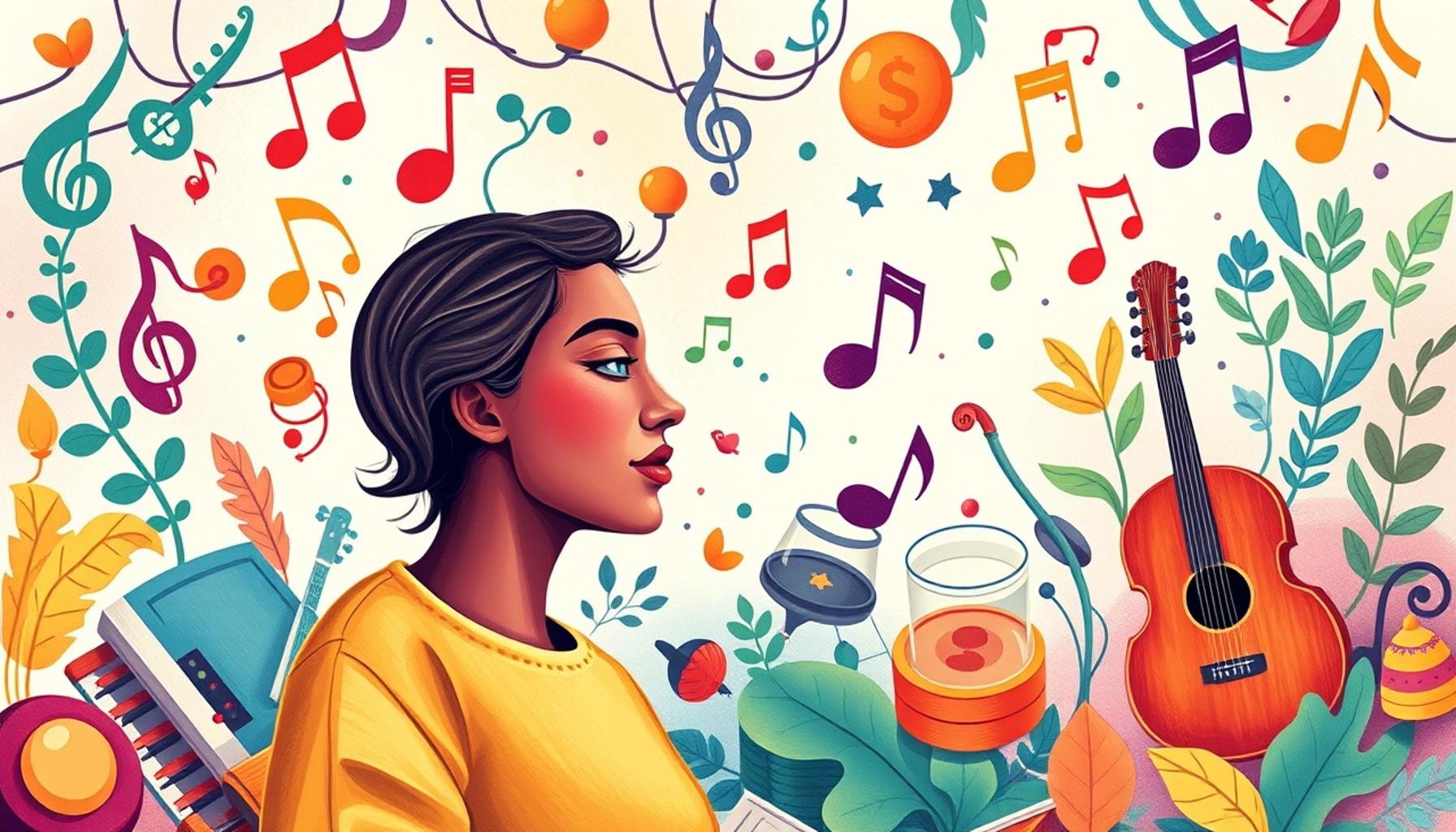
The synergy between music and visual arts has shaped creative expressions for centuries, evoking an emotional and sensory dialogue that captivates audiences across cultures. Many renowned artists have embraced this interplay, underscoring a shared human experience that transcends traditional boundaries of art. This multifaceted relationship highlights how one form can deeply enhance another, leading to groundbreaking innovations that challenge aesthetic norms.
A notable example of this is the legendary composer J.S. Bach, whose intricate melodies and harmonies have inspired countless visual artists, from painters like Wassily Kandinsky to contemporary installation artists. Kandinsky, known for his abstract approach, often sought to represent music visually, believing that color and form could evoke similar emotions to musical compositions. His works, infused with vibrant colors and dynamic shapes, are not just visual stimuli but a reflection of his profound engagement with sound.
What is Synesthesia?
At the core of this artistic fusion lies the phenomenon known as synesthesia. This fascinating neurological condition enables some individuals to experience multisensory perceptions, often blending visual and auditory stimuli in unique ways. For instance, a synesthete might hear a symphony and simultaneously see a mesmerizing array of colors, each note translating into vivid hues that dance before their eyes. This intertwining of the senses can manifest in diverse forms, such as:
- Sights produced by sounds: Many synesthetes report that musical pieces evoke specific colors or patterns, leading to the creation of paintings that visually represent the melodies they hear.
- Colors associated with letters: In instances of grapheme-color synesthesia, individuals may perceive letters or numbers as distinctly colored entities, giving rise to innovative typographical designs that reflect these associations.
- Textures perceived by taste: Some auditory stimuli may evoke tactile sensations or taste experiences, allowing artists to create multisensory installations that engage multiple senses simultaneously.
These unique sensory experiences serve as a catalyst for creativity, empowering artists to explore unconventional ideas and breaking traditional molds. A contemporary example includes musicians like Pharrell Williams, who openly discusses his experiences with synesthesia, allowing him to infuse color themes and visual storytelling into his music videos and performances.
Why This Matters
Understanding the intricate interplay between music and visual arts not only enhances our appreciation of both fields but also opens doors to new avenues of exploration. It invites further investigation into:
- The psychological aspects of creativity, particularly how sensory experiences influence an artist’s work.
- The impact of cross-disciplinary collaborations in broadening artistic horizons.
- The role of technology in facilitating new forms of artistic expression, such as virtual reality experiences that blend auditory and visual elements seamlessly.
The relationship between these art forms presents an exciting frontier in the artistic landscape, awakening new perspectives that challenge conventional understandings of art and creativity. As we continue to unravel the nuances of synesthesia and its impact on artistic expression, we foster a rich dialogue that encourages deeper engagement and appreciation for the arts in various forms.
DISCOVER MORE: Click here to unlock the power of music
The Impact of Synesthesia on Artistic Expression
The phenomenon of synesthesia not only enriches the personal experiences of those who possess it but also serves as a remarkable influence in the realms of music and visual arts. This synesthetic experience fosters a unique perspective on artistic creation, allowing artists to draw upon their multisensory perceptions to generate works that resonate on profound emotional and sensory levels. For many, synesthesia is not merely a collection of odd sensations; it forms the bedrock of their creative process.
Consider how synesthetic experiences can lead to dramatic shifts in artistic focus. For example, artists often translate their auditory experiences into visual formats, leading to paintings that pulse with rhythm and color, mirroring the melodies they encounter. This can manifest in bold color choices that match the tempo of a piece or geometric shapes that represent sound waves. The fusion of these elements allows the artist to convey not just the image but the very feeling of the music, creating a layered narrative that invites viewers to partake in that emotional journey.
Artistic Techniques Enhanced by Synesthesia
Several notable techniques emerge from the intersection of music and visual arts, particularly influenced by synesthesia. These techniques can be categorized as follows:
- Synaesthetic Painting: Artists employ colors thought to correspond with musical notes or instruments, producing stunning visual interpretations of sound. For instance, the works of artists like Kandinsky, who believed in the correlation between colors and sound, exemplify this approach. His vibrant compositions often serve as visual symphonies that evoke a range of emotions.
- Multimedia Installations: Contemporary artists leverage technology to create immersive installations that combine music with other sensory elements. This approach engages viewers on multiple levels, blurring the lines between disciplines and allowing audiences to experience the artwork in a more holistic manner. Artists such as Olafur Eliasson integrate sound with visual environments to deepen the audience’s connection to the artwork.
- Color Theory in Music Composition: Some composers consciously select colors to describe various elements of their music. By associating specific colors with emotional themes, they can align their visual representation with the intended auditory experience, enhancing both the composition and any accompanying visual elements.
These artistic techniques highlight the significance of synesthesia in enhancing the creative landscape of both music and visual arts. As artists find new ways to express their synesthetic experiences, they challenge the limits of traditional definitions, inviting others to question their understanding of sensory perception and artistic creation.
As this artistic exploration continues to evolve, it is clear that the connection between music and visual arts, influenced by synesthesia, remains a rich field for discovery. The narratives and sensory experiences birthed from this interaction not only captivate audiences but also expand the dialogues surrounding creativity and expression in the contemporary art world.
The Connection between Music and Visual Arts: How Synesthesia Influences Artistic Creation
As we delve deeper into the multifaceted relationship between music and visual arts, it becomes crucial to examine the fascinating phenomenon of synesthesia. This rare neurological condition allows individuals to experience one sensory pathway through another; for instance, hearing music may evoke a cascade of vibrant colors and shapes. Notably, renowned artists like Wassily Kandinsky and Olivier Messiaen have both acknowledged their synesthetic experiences, illustrating how these sensations profoundly shaped their distinctive creative outputs. Synesthetes possess an innate ability to merge sensory stimuli, creating multisensory artworks that reflect a unique perspective on reality. The implications of synesthesia in artistic creation are not merely anecdotal; they encompass a deeper understanding of how the brain intertwines experiences. Artists often utilize synesthetic experiences as a bridge to convey complex emotions or themes, effectively enriching their work. The interplay of sound and visual elements leads to a more immersive experience for the audience, thus enhancing the emotional resonance of an artwork.Moreover, contemporary artists continue to explore the nexus between music and visual arts, using technology to replicate the synesthetic experience. Digital media artists, for example, combine soundscapes with visual elements to create installations that engage multiple senses simultaneously. This innovative approach captivates viewers and heightens awareness of the intrinsic connections between different art forms. Research also highlights the benefits of integrating music into artistic environments, suggesting that sound can significantly influence the viewer’s emotional response to visual art. The vibration of music reverberates through a gallery space, encouraging a more profound connection with the artwork on display. This highlights the essential role sound plays not just in enhancing art, but in its very conception and perception. To further illustrate the impact of this connection, we can explore the following table regarding the advantages of understanding synesthesia in artistic creation.
| Synesthesia Characteristics | Artistic Advantages |
|---|---|
| Enhanced Sensory Perception | Artists can create multi-layered experiences that captivate audiences. |
| Innovative Compositions | Fusion of sound and visuals leads to groundbreaking artworks. |
As we explore these nuances, it becomes abundantly clear that the interplay between music and visual arts, through the lens of synesthesia, is a rich field inviting further inquiry. This exploration opens doors to understand not only the creative minds behind extraordinary works but also the underlying mechanics of perception and emotion in the arts. Each artist’s unique synesthetic journey contributes to the diverse tapestry of cultural expression that captivates audiences worldwide.
DISCOVER MORE: Click here to learn about the influence of community music
Exploring Collaborative Projects Bridging Music and Visual Arts
The relationship between music and visual arts extends beyond individual expression; it encompasses collaborative efforts that merge these disciplines into cohesive experiences. These projects often result in innovative creations that not only challenge traditional art forms but also invite audiences to experience art through multiple lenses. As artists continue to explore the boundaries of their mediums, several fascinating collaborations underscore the influence of synesthesia in this ongoing dialogue.
Notable Collaborations in Contemporary Art
One such collaboration can be found in the works of acclaimed multimedia artists such as Brian Eno. Known for his ambient music and visual art, Eno often integrates sound and visual elements in installations that invite listeners to immerse themselves in an auditory-visual landscape. His installation pieces, such as “77 Million Paintings,” fuse generative art with a soundscape derived from his music, creating an evolving experience where visual aesthetics and musical rhythms converge.
Similarly, the partnership between artists and composers has yielded engaging performances that push the boundaries of creativity. The renowned choreographer Martha Graham worked closely with composer Aaron Copland, combining visceral movement with evocative music to create works that resonate with emotional depth. Through these collaborations, both artists harness their synesthetic experiences to amplify the narrative dimension of their creations, allowing audiences to engage with each discipline dynamically.
The Role of Technology in Merging Disciplines
Advancements in technology have fortified collaboration between music and visual arts, with tools enabling new forms of creativity that reflect synesthetic experiences. Artists leverage software to create stunning visuals that respond in real-time to musical compositions. For instance, artists like Golan Levin utilize programming languages to craft visuals that react dynamically to sound input, providing an immersive audience experience that captivates viewers and listeners alike.
Virtual reality (VR) has also redefined the interplay between these two realms. Immersive experiences allow individuals to explore synesthetic environments where they can “see” music in vibrant colors and abstract shapes. Projects such as “SoundShape” allow participants to physically engage with their auditory environments, visually representing melodies in interactive forms. This fusion of technology, music, and visual art not only broadens the scope of sensory engagement but also expands the conversation about how art influences perception.
Synesthesia as an Educational Tool
The understanding of synesthesia is finding applications in education, enriching programs that teach music and visual arts. By employing techniques that utilize synesthetic experiences, educators can enhance students’ creativity and broaden their understanding of artistic concepts. Workshops that explore the connections between sound, color, and form can provide students with a deeper engagement with each medium while encouraging innovative expression. Programs that focus on the integration of artistic disciplines demonstrate how synesthesia can foster not only personal creativity but also a collaborative spirit among young artists.
Ultimately, the exploration of synesthesia’s effects on artistic creation sheds light on the transformative power of collaboration and technology within the intersection of music and visual arts. As artists and educators continue to discover the potential of these connections, the depth of engagement within the artistic community is likely to deepen, fostering new, exciting developments in creative expression.
DISCOVER MORE: Click here to delve deeper
Conclusion: The Everlasting Bond Between Music and Visual Arts
The intricate relationship between music and visual arts, fueled by the phenomenon of synesthesia, invites us to rethink the boundaries of creative expression. By investigating how sound can evoke vibrant colors and shapes, artists pave the way for profound emotional and sensory experiences that captivate audiences across various platforms. The collaborative projects explored throughout this article showcase the immense potential of artists like Brian Eno and creative partnerships such as that of Martha Graham and Aaron Copland, illuminating how they have seamlessly fused auditory and visual elements to create multifaceted masterpieces.
Advancements in technology further enhance this dialogue, allowing artists to use tools that dynamically intertwine sound and visuals in real-time. The rise of immersive experiences and virtual reality opens new metaphoric doors, inviting participants to traverse synesthetic landscapes where music can truly be ‘seen.’ In educational settings, the application of synesthetic principles enriches learning, empowering the next generation of artists to embrace and explore these dualistic concepts.
As we move forward, the intersections of music and visual arts will surely continue to evolve, fostering richer, more immersive artistic expressions. The journey through the sensorial experiences that synesthesia offers is merely beginning, and as artists, educators, and audiences, we stand on the threshold of a creative revolution. This lasting bond between music and visual arts not only enhances our understanding of artistic creation but also enriches our collective cultural narrative, encouraging us to seek out new connections and interpretations within the world around us.
Related posts:
Music and Narrative: Telling Stories Through Musical Composition
Exploring the Relationship between Music and Dance in Creative Expression
Exploring Different Musical Genres as a Form of Creativity
The Influence of Music on Self-Expression and Emotional Well-Being
The Role of Musical Improvisation in Artistic Freedom of Expression
Music as a Form of Therapy: Exploring Its Potential in Emotional Expression and Mental Health

Beatriz Johnson is a seasoned skincare specialist and writer with a passion for simplifying the complexities of beauty science and skincare routines. With over a decade of experience in the aesthetics industry, she specializes in topics like ingredient efficacy, anti-aging strategies, and global beauty trends. Through her work, Beatriz empowers readers to make informed skincare choices and stay ahead in the ever-evolving world of beauty and wellness.