The Therapeutic Benefits of Craft Making: How DIY Projects Enhance Mental Well-being
Unlocking the Healing Power of Crafting
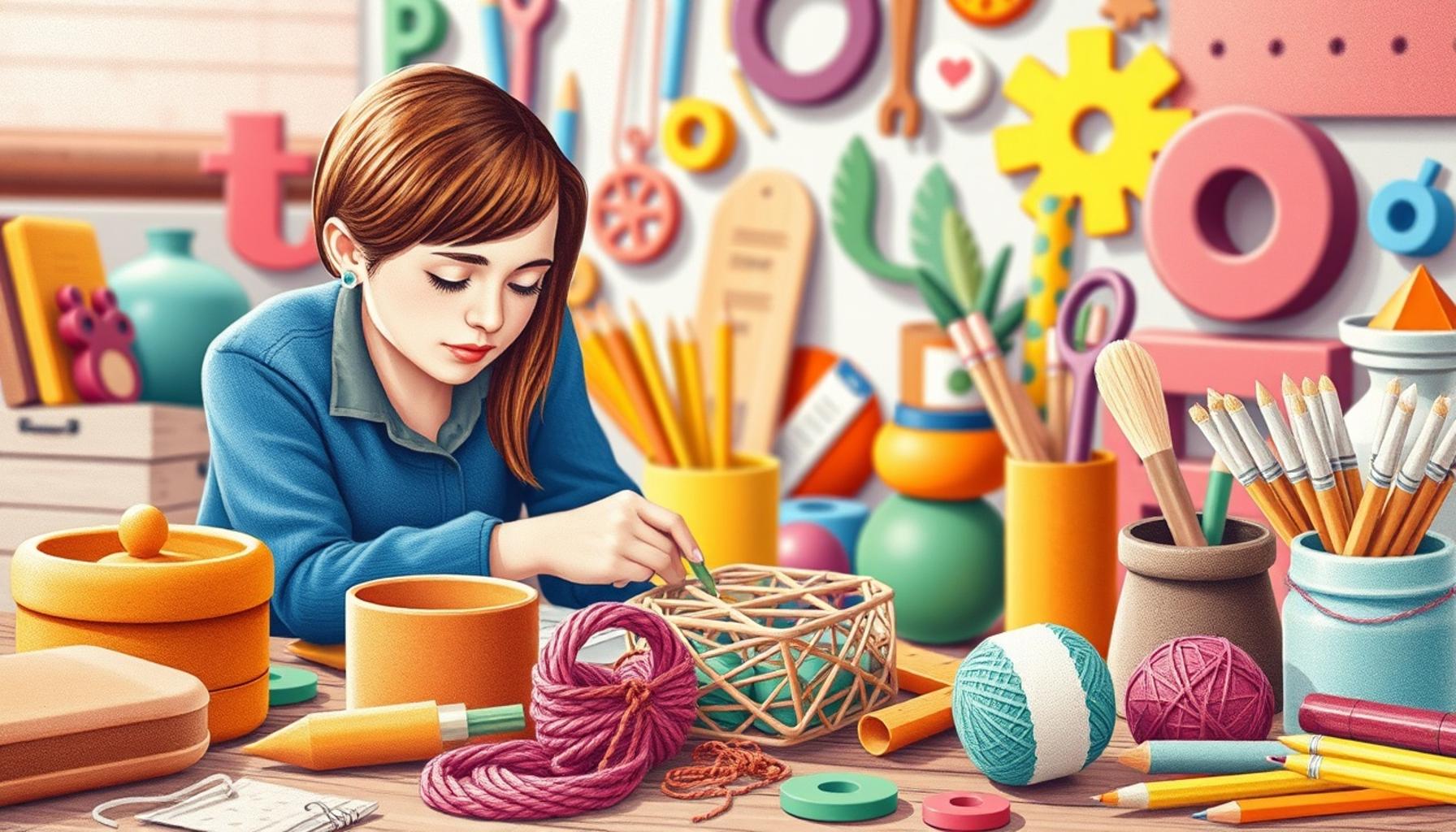
In a world increasingly defined by stress and fast-paced living, the gentle embrace of craft making offers a refreshing escape. Engaging in DIY projects can serve as not only a creative outlet but also a therapeutic process that nurtures mental well-being. Whether it’s sewing a quilt, building furniture, or painting a canvas, crafting can anchor us amidst life’s chaotic currents.
Research shows that crafting has numerous benefits, including:
- Stress Reduction: Studies indicate that immersing oneself in a craft can significantly lower cortisol levels, the hormone commonly associated with stress. For instance, a group of participants engaging in knitting reported a measurable decrease in anxiety levels after only one session.
- Enhanced Mood: Completing a craft allows individuals to experience a sense of accomplishment. Crafting can release endorphins, the “feel-good” chemicals in the brain. A simple activity like making handmade greeting cards for loved ones can boost one’s mood while also fostering meaningful connections.
- Creative Expression: Crafting provides a unique avenue for individuals to express their emotions and thoughts visually. Artists often use colors, textures, and shapes as metaphors for their feelings, allowing them to communicate complex sentiments without the need for words.
From knitting to pottery, the myriad forms of craft making invite individuals to dive into their creative sides. People are increasingly gravitating towards hobbies like woodworking, jewelry making, and digital art, which can lead to profound personal rewards. For example, a Houston-based community class on pottery not only teaches skills but also acts as a support system for individuals experiencing isolation.
Moreover, the sense of community fostered through crafting groups cultivates social bonds, creating an environment where shared experiences enhance overall happiness. Crafting circles or meet-ups often allow people to exchange skills while forming friendships, further strengthening their mental and emotional health. The *Crafting for Community* program, for instance, brings together diverse groups to create quilts for homeless shelters, providing both a sense of purpose and social connection.
This article will explore the substantial therapeutic advantages of DIY projects and how they can significantly impact mental wellness. As we navigate an era of heightened mental stress and anxiety, the practice of crafting not only champions individual creativity but also weaves a tapestry of resilience within our communities.
The Psychology Behind Crafting
Understanding the therapeutic benefits of craft making involves delving into the psychological mechanisms that underpin this creative process. Engaging in DIY projects allows individuals to enter a state often referred to as “flow,” where one becomes fully immersed and absorbed in the activity. This state of flow is characterized by a profound sense of enjoyment and fulfillment, which not only fosters creativity but also serves as a significant stress-reliever.
Research demonstrates that maintaining focus on a single task, such as knitting or painting, can effectively deter negative thoughts often associated with anxiety and depression. In fact, a study published in the *Journal of Positive Psychology* found that participants who devoted time to crafts experienced enhanced well-being and reported lower levels of anxiety. This connection between focused activity and mental health illustrates how DIY projects can offer individuals a constructive way to channel their energy and emotions.
Moreover, engaging in crafts can stimulate the brain, enhancing cognitive functions and memory. The hands-on nature of crafting promotes fine motor skills and coordination, which are vital for mental sharpness. Activities like woodworking or model building require planning and problem-solving, encouraging critical thinking and reinforcing positive mental habits.
The therapeutic benefits of crafting extend beyond personal enjoyment; they foster connection and community. Crafting is often a social endeavor, allowing individuals to bond over shared interests. Participation in crafting groups or workshops can counteract loneliness and isolation, creating networks of support. The power of community through crafting can be highlighted by looking at various initiatives across the United States:
- Community Workshops: Local art centers and community colleges frequently host crafting classes, where people converge to learn new skills, offering both education and companionship.
- Online Crafting Communities: Platforms such as Pinterest and Instagram allow crafters to share their projects, exchange ideas, and inspire each other, transcending geographic boundaries.
- Charity Crafting Events: Events that combine crafting with philanthropy, such as knit-a-thons to create blankets for the homeless, illustrate how crafting can support both mental wellness and charitable causes.
As individuals explore various forms of craft making, they often find that their emotional and mental health improves through a renewed sense of identity and purpose. This shift highlights how DIY projects can serve as not only a creative outlet but also a meaningful contribution to one’s overall quality of life. By fostering connections, enhancing cognitive function, and promoting a sense of flow, crafting becomes an indispensable tool in the arsenal for improving mental well-being.
| Therapeutic Category | Key Details |
|---|---|
| Mindfulness | Craft making encourages present-moment awareness, helping individuals escape the complexities of life by focusing on the task at hand. |
| Emotional Expression | Engaging in DIY projects allows for creative expression, helping individuals translate their feelings and thoughts into tangible outcomes, fostering emotional healing. |
| Cognitive Skills | Crafting promotes problem-solving and critical thinking by requiring planning and execution of various techniques to complete projects. |
| Stress Reduction | Participation in craft activities has been linked to lower levels of cortisol, thus mitigating anxiety and stress levels effectively. |
Engaging in the realm of craft making goes beyond simple pastime activities; it taps into the fabric of mental well-being. The rich world of DIY projects provides individuals an opportunity to focus on mindfulness, where the process of creation is as therapeutic as the outcome itself. This practice enhances the ability to relish in the present, serving as a sanctuary from the chaos of daily life.Moreover, emotional expression through crafting can lead to vital healing, enabling individuals to articulate feelings they may struggle to voice otherwise. Each stroke of a brush or cut of paper becomes a narrative—a vital storytelling technique that aids in emotional catharsis.Beyond the therapeutic advantages lies the realm of cognitive skills. Engaging in complex projects necessitates strategic planning and execution, promoting problem-solving capabilities and bolstering critical thinking as individuals encounter and overcome the challenges presented by their creative endeavors. Ultimately, the act of crafting not only serves as a medium of expression but also significantly contributes to stress reduction. Research indicates that immersing oneself in creative tasks can lead to notable decreases in cortisol levels, reflecting the profound effect of craft making on fostering mental tranquility. This is a critical insight for those seeking pathways to enhance their mental health through engaging activities.
The Impact of Crafting on Mental Health
The relationship between craft making and improved mental health is further supported by various psychological studies highlighting its impact on emotional regulation and self-esteem. When individuals engage in DIY projects, they often report a boost in mood and a sense of accomplishment. The ability to create something tangible not only promotes feelings of self-sufficiency but aids in the development of resilience, important traits for coping with life’s challenges.
One notable experiment published in *Psychological Science* outlined how engaging in creative activities enhances overall happiness. Participants who crafted reported a sharp decrease in cortisol levels, the stress hormone, effectively demonstrating that crafting serves as an effective stress-management tool. Furthermore, the act of making—whether painting, sewing, or sculpting—can provide a meditative experience, allowing individuals to step away from the chaos of daily life and focus solely on the present moment.
Expressive Arts Therapy and Crafting
Another dimension of crafting’s therapeutic potential is its foundation in expressive arts therapy. This form of therapy allows individuals to express feelings that might be difficult to verbalize, thereby providing a nonverbal outlet for emotions. Activities such as pottery or collage-making can catalyze deep personal insights, making them effective tools for emotional healing. For instance, trauma survivors often benefit from art therapy techniques, where the act of creating becomes a way to confront and process difficult experiences.
In the United States, initiatives like the *Expressive Arts Therapy Association* highlight the importance of integrating expressive art forms into therapeutic practices. Programs targeting mental health treatment often incorporate crafts as a method of engagement, offering patients a unique avenue to explore their feelings and find solace through creativity.
The Interpersonal Benefits of Crafting
Additionally, the social benefits of crafting cannot be overstated. The communal aspect of DIY projects fosters a sense of belonging, vital for combating feelings of isolation and loneliness. Crafting studios and local makerspaces have sprung up across urban and suburban areas, inviting people to gather and create. For example, places like the *Brooklyn Craft Company* in New York or *The Craft Factory* in Houston offer workshops where individuals of all backgrounds can come together, learn new skills, and forge friendships.
Crafting groups also serve as valuable platforms for mentorship, where experienced crafters share their knowledge with novices, reinforcing community ties. Social media has further expanded these opportunities, with hobbyist groups organizing virtual crafting sessions, making crafting accessible to even more individuals regardless of their physical locations.
Mindfulness and Crafting
Moreover, incorporating crafting into one’s routine promotes a sense of mindfulness. The repetitive motions involved in many DIY projects, such as knitting or embroidery, can be meditative and help cultivate present-moment awareness. This mindfulness practice not only reduces stress but can enhance emotional clarity, allowing individuals to process their thoughts and feelings more effectively. Research indicates that regular mindfulness practice can significantly improve mental clarity, emotional regulation, and overall satisfaction with life.
Through these multifaceted benefits, the therapeutic potential of crafting provides individuals with creative outlets to improve their mental well-being, foster connections, and enhance self-awareness. The unique combination of focus, creativity, and community associated with DIY projects exemplifies the powerful role that craft making plays in supporting mental health, making it an invaluable practice in today’s fast-paced world.
Conclusion: The Lasting Impact of Craft Making on Mental Well-being
In a world where mental health challenges are increasingly prevalent, the therapeutic benefits of craft making stand out as a beacon of hope and healing. From reducing stress levels and enhancing self-esteem to fostering creativity and building community, engaging in DIY projects has proven to be a multifaceted approach to improving mental well-being. As highlighted throughout this article, creative activities not only serve as powerful tools for emotional expression but also offer a unique space for individuals to connect with one another, combating feelings of isolation.
The integration of crafting into mental health practices underscores the importance of these activities in therapy, as evidenced by numerous studies and community initiatives across the United States. Programs that incorporate expressive arts therapy shed light on the profound impact of crafting, making it a vital component in holistic approaches to mental health treatment.
Additionally, the mindfulness fostered through crafting can lead to deeper emotional clarity, enabling individuals to process their emotions constructively. By adopting a crafting routine, individuals not only enrich their lives with joy and satisfaction but also cultivate resilience and coping strategies that are essential in today’s fast-paced environment.
As we continue to explore the connections between creativity and mental well-being, it becomes increasingly clear that the act of making is not just a pastime but a transformative practice that can enhance overall quality of life. Whether it’s through alone time with a knitting project or bonding with friends in a pottery class, craft making provides essential avenues for mental health enhancement that deserve to be embraced in our communities and daily lives.