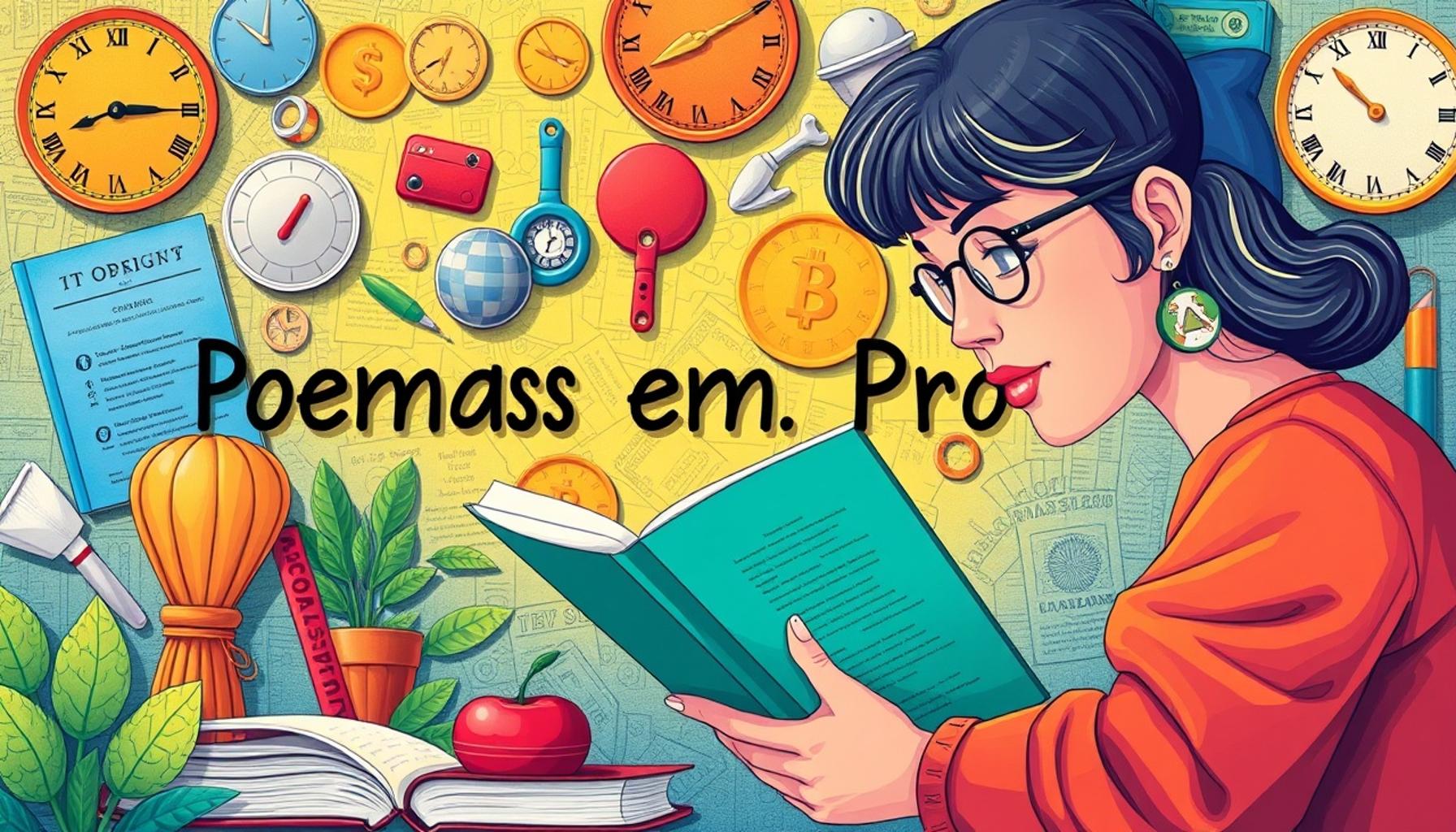
Visual Narratives: Integrating Illustrations and Writing for a Complete Creative Experience

Unveiling the Power of Visual Narratives
In today’s fast-paced digital world, visual narratives have emerged as a vital medium for storytelling. The integration of illustrations and writing creates a multi-sensory experience that captivates audiences and enhances comprehension. As we navigate through various forms of media, the synergy between visuals and text becomes increasingly clear. In fact, research has shown that our brains process visuals 60,000 times faster than text, making visual narratives not just compelling, but also highly effective in communication.
Consider the following elements that make visual narratives a compelling choice:
- Enhanced Engagement: Illustrations draw attention and evoke emotions, making the content more relatable. For example, a poignant graphic novel can resonate with readers on a personal level, often eliciting empathy and a deeper connection to the story’s characters.
- Improved Understanding: Visual aids can clarify complex ideas, making them easier to grasp. Infographics, for instance, break down large amounts of data into digestible visual segments, which is particularly useful in educational contexts where students may struggle with traditional text-heavy materials.
- Diverse Applications: From graphic novels to educational materials, visual narratives serve various purposes across multiple platforms. They adapt seamlessly to social media posts, where brief content must be eye-catching and engaging to stand out among a sea of information.
The question arises: How can writers and artists collaborate to create a seamless blend of imagery and text? The answer lies in understanding the unique strengths each medium offers. By leveraging these strengths, creators can tell stories that resonate deeply with their audience while also providing a cohesive experience. For instance, the collaboration between artists and authors in successful series like “Mouse” by Art Spiegelman highlights how this partnership can yield profound narratives that transcend conventional storytelling.
Exploring the Benefits
As creators delve into visual narratives, they unlock countless opportunities, such as:
- Storytelling Flexibility: Adapt stories to suit different audiences and contexts. This flexibility allows for the tailoring of content to be culturally relevant, ensuring that diverse demographics are reached. A great example is the adaptation of classic literature into graphic novels that appeal to younger, modern audiences.
- Increased Shareability: Visually appealing content is more likely to be shared on social media, reaching broader audiences. Studies show that posts with images receive 94% more views than those without, proving the importance of strong visuals in gaining traction online.
- Cultural Resonance: Illustrated narratives can highlight diverse voices, enhancing cultural appreciation. Works like “Americanah” by Chimamanda Ngozi Adichie, which has inspired illustrated adaptations, deepen understanding of cultural nuances through both art and text.
Join us as we explore the harmonious fusion of illustrations and writing, unlocking the full potential of creative expression. As the digital age continues to evolve, embracing visual storytelling will be crucial for creators aiming to share their messages effectively with a captivated audience.
DISCOVER MORE: Click here to learn about sustainable cuisine
Harnessing the Synergy Between Text and Images
In the realm of storytelling, the intertwining of illustrations and writing creates a rich tapestry of experiences that can engage audiences in unprecedented ways. The collaborative forces of visual art and text not only captivate but also facilitate a deeper understanding of the narrative. As we embark on this exploration of visual narratives, it becomes crucial to delve into how this fusion can transform the reader’s journey.
The integration of illustrations and text offers numerous advantages that elevate storytelling beyond traditional methods. For instance, by appealing to different learning styles, visual narratives become accessible to a wider audience. Visual learners—those who grasp information better through images—can find clarity in stories that utilize illustrations. This inclusivity permits a more comprehensive understanding of complex topics. Consider educational platforms that leverage visual narratives; they often incorporate images alongside explanations, helping students to retain information more effectively.
Another significant advantage is found in the emotional power that visuals can convey. The nuances of facial expressions, color choices, and composition can evoke feelings that words alone may struggle to communicate. Think of a poignant scene in a graphic novel where a character’s despair is illustrated through their posture and the surrounding environment. Such visuals can enhance the text, cultivating an emotional landscape that enriches the reader’s connection to the story. This phenomenon is particularly observable in introspective works, where subtlety is paramount, allowing readers to experience layers of emotion through both written context and artistic representation.
To fully appreciate the impact of visual narratives, consider these fundamental aspects:
- Visual Hierarchy: The arrangement of elements in a visual narrative guides the reader’s attention and can signify importance. For instance, larger images or bold fonts can be used to highlight key moments, making them stand out in the reader’s memory.
- Cohesive Themes: A strong visual narrative maintains thematic consistency between illustrations and text. This cohesion ensures that the audience perceives the story as a unified whole, enhancing the overall impact.
- Diverse Mediums: Visual narratives can be adapted across multiple formats—be it through comic books, animations, or interactive digital storytelling. Each medium offers varying levels of engagement and interactivity, encouraging creators to experiment with how they present their narratives.
As we continue to dissect the significance of integrating illustrations with writing, it is evident that the collaboration between artists and writers is not merely beneficial; it is essential in the current landscape of storytelling. The ability to evoke emotions, clarify complex ideas, and establish cultural connections positions visual narratives as a powerful tool in the arsenal of contemporary creators. Through this exploration, we will further uncover how harnessing this synergy can lead to an enriched creative experience.
Exploring the Synergy Between Text and Imagery
The fusion of text and illustrations in visual narratives creates a captivating storytelling experience that appeals to a broad audience. This approach not only enhances engagement but also deepens comprehension, allowing readers to connect with the content on multiple levels. By weaving together written word and artistic visuals, creators can evoke emotions that resonate with their audience, making the narrative more memorable. Research indicates that the combination of visual and textual elements stimulates various cognitive processes, improving retention and understanding. Visually driven stories can be particularly effective in educational settings, where illustrations can simplify complex information, ensuring clarity and fostering creativity. For instance, in children’s literature, combining charming illustrations with simple text helps young readers learn vocabulary while sparking their imagination.Moreover, visual narratives cater to the diverse preferences of modern audiences. The rise of digital media has transformed how stories are consumed, as online platforms often feature an interplay of visuals and writing. This new landscape allows creators more freedom to experiment, cultivating innovative storytelling techniques that captivate viewers. In a world where attention spans are fleeting, the engaging format of visual narratives holds significant potential for driving both interest and impact. As digital content continues to evolve, blending illustrations with writing presents an exciting opportunity for storytellers, designers, and educators alike.
| Category 1 | Category 2 |
|---|---|
| Enhanced Engagement | Visual narratives captivate audiences by merging illustrations with storytelling. |
| Improved Comprehension | The synergy of text and imagery aids retention and understanding, making stories more impactful. |
The unique capabilities of visual narratives provide authors and illustrators with the tools necessary to engage and inspire their audiences effectively. By embracing this innovative storytelling format, creators can redefine traditional literature, paving the way for a richer, more immersive experience for all.
DIVE DEEPER: Click here to discover more about international flavors
Exploring Formats and Innovating Storytelling
The immense variety of formats available in the realm of visual narratives allows creatives to explore and innovate storytelling in ways that challenge traditional boundaries. From graphic novels that combine the deep storytelling tradition of literature with the dynamism of illustrations to interactive websites that allow users to shape their narratives, the options are expansive. This diversity not only enriches the experience for creators but also presents audiences with novel engagements with stories.
For instance, consider the resurgence of graphic novels as a formidable literary genre. Titles such as “Maus” by Art Spiegelman and “Persepolis” by Marjane Satrapi exemplify how illustrations can drive home poignant themes, such as trauma and cultural identity, in ways that pure text cannot achieve. The illustrations in these works serve not just as decorative elements but as crucial components that enhance narrative depth, urging readers to dive deeper into complex subjects.
Another groundbreaking format is the use of interactive storytelling, which has gained traction in the digital age. Platforms such as Twine encourage writers to create branching narratives where readers make choices that affect the outcome of the story. This level of engagement transforms passive consumption into an active experience, allowing audiences to invest emotionally in the characters and themes. As stories unfold through both words and images, readers find themselves in a collaborative relationship with the creator, leading to a personal connection to the narrative.
The impact of multimedia storytelling also cannot be overstated. Projects like “The New York Times” interactive articles integrate text, photography, and infographics to tackle complex issues with clarity and engagement. Such narratives empower audiences by providing multiple entry points to understand challenging topics like climate change or socio-economic disparities. The synergy of writing and visuals in these contexts ensures that audiences not only comprehend the narrative but are also activated to explore personal or societal actions related to the story.
Moreover, the rise of augmented reality (AR) and virtual reality (VR) technology has opened up possibilities for immersive storytelling experiences. Imagine reading a children’s book that uses AR to bring characters to life, or a historical narrative that places readers in a virtual environment that mimics significant events. This innovative approach to visual narratives captures attention and imagination, facilitating a memorable and potent connection to the storytelling medium.
In addition, the world of visual narratives often dives deep into the exploration of cultural contexts. Artists and writers can highlight pivotal cultural histories through their work, making stories resonate with specific communities while inviting curiosity from others. This cultural amalgamation ensures that visual narratives remain relevant and provide a platform for underrepresented voices to flourish, facilitating dialogue and understanding among diverse audiences.
The integration of illustrations and text continues to evolve, reflecting not only technological advancement but also shifting cultural landscapes. As creatives harness new tools and formats, the future of visual narratives promises to be vibrant and dynamic, pushing the limits of how stories are told and experienced.
DIVE DEEPER: Click here to uncover the emotional depths of music
Conclusion: The Future of Visual Narratives
In the evolving world of storytelling, visual narratives have emerged as a powerful medium that transcends traditional formats, offering a rich tapestry of experiences that combine the art of illustration with the intricacies of writing. As explored throughout this article, genres like graphic novels and interactive storytelling are redefining how audiences engage with narratives, inviting them to immerse themselves in multifaceted stories that resonate on personal and societal levels.
The integration of multimedia elements, from AR and VR technologies to interactive platforms, has not only widened the scope of storytelling but has also enabled creators to forge deeper connections with their audiences. This interactivity transforms the reader’s role from a passive observer to an active participant, enhancing emotional engagement and personal investment in the narrative journey.
Moreover, the cultural contexts embedded in these visual narratives serve as vital means of representation and understanding, amplifying underrepresented voices and inviting dialogue across diverse communities. As the landscape of visual storytelling continues to expand and diversify, it offers a unique opportunity for both artists and audiences to explore, challenge, and redefine the narratives that shape our understanding of the world.
As we move forward, the convergence of text and visuals will only grow more significant, presenting new challenges and inspirations for writers and illustrators alike. Embracing this dynamic interplay will not only enrich individual creative practices but will also pave the way for more inclusive and impactful stories that reflect and illuminate the complexities of human experience. The future of visual narratives thus promises to be not just a journey of telling stories but a transformative exploration of experiencing them.