
Writing to Relax: The Therapeutic Power of Creative Writing
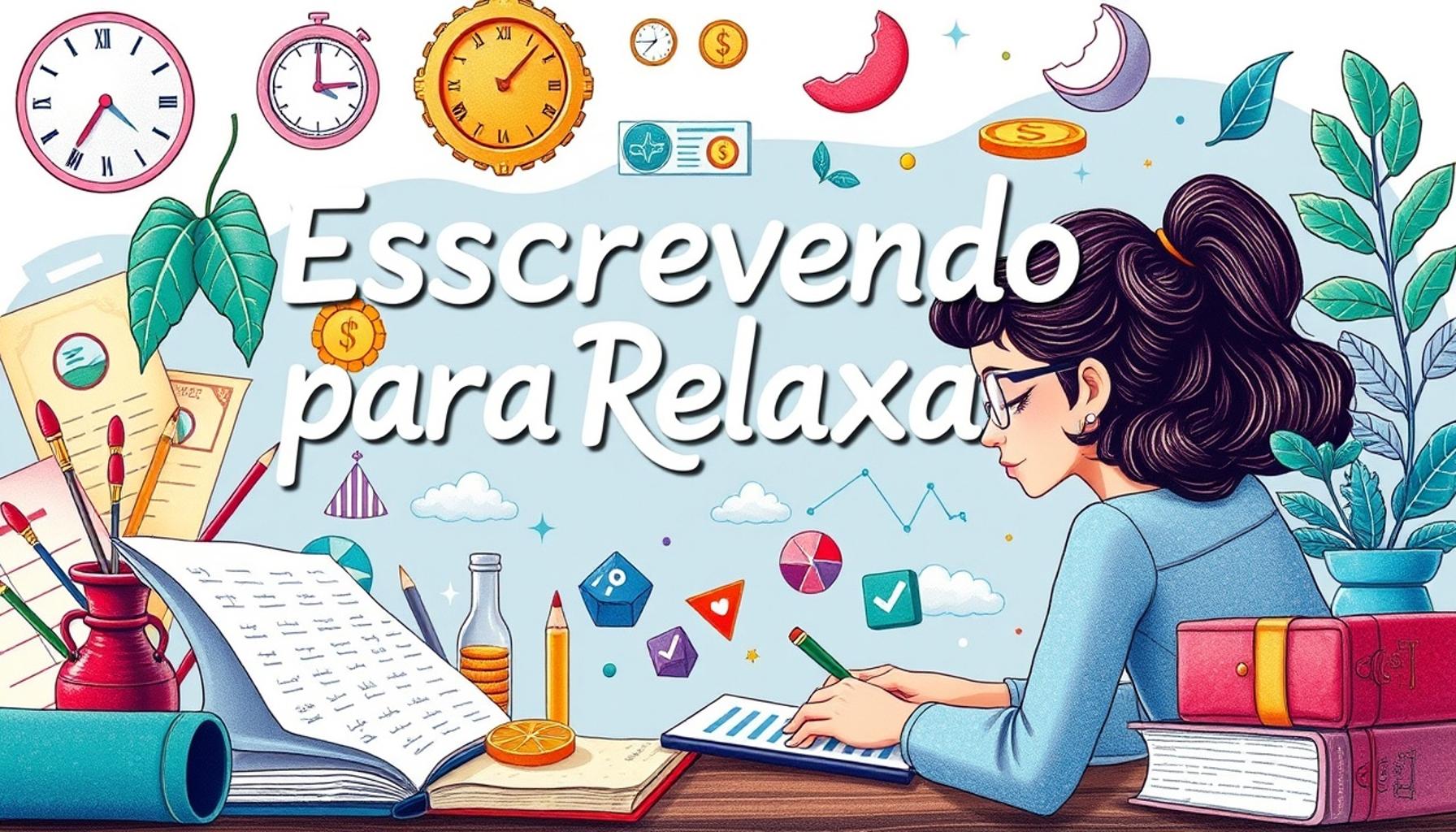
The Healing Art of Writing
In today’s fast-paced world, finding a moment to unwind can feel like an elusive quest. However, creative writing offers an escape that is not only enjoyable but also incredibly therapeutic. Engaging in this form of expression can significantly enhance mental well-being and foster emotional clarity. Through the written word, individuals can tap into their inner thoughts and feelings, transforming the chaos of daily life into structured narratives or poetic reflections.
Why Creative Writing?
- Self-Expression: Writing allows individuals to articulate their feelings, thoughts, and experiences. Whether it’s penning a heartfelt letter to oneself or crafting a narrative that explores personal struggles, the act of writing can serve as a powerful form of communication, especially for those who may find it difficult to open up verbally.
- Stress Relief: The act of writing can serve as a powerful emotional outlet, helping to reduce anxiety. Engaging in this practice allows a person to release pent-up emotions and gain a different perspective on their experiences. For example, many find that journaling about their day helps them to process stressors more effectively, allowing for a greater sense of calm.
- Enhanced Focus: Immersing oneself in storytelling can improve concentration and mindfulness. As writers lose themselves in their narratives, distractions fade away. This focused creativity not only enhances writing skills but also promotes a meditative state, which is increasingly linked to mental wellness.
Numerous studies suggest that creative writing can lead to improved mental health outcomes. Notably, it can:
- Boost mood: Regular writing may promote a more positive outlook on life. For instance, participating in gratitude journaling—where one lists things they are thankful for—has been shown to elevate mood and encourage a more positive mindset.
- Encourage creativity: This exercise fosters innovative thinking and problem-solving abilities. Engaging in creative writing exercises can unlock new ways of thinking, leading to unexpected insights both personally and professionally.
- Build resilience: Writing about challenging experiences can aid in processing emotions and healing. Therapeutic writing prompts often guide individuals to reflect on their struggles, allowing them to confront difficult feelings and emerge stronger.
Whether you opt for journaling, poetry, or fiction, the benefits of writing extend far beyond mere relaxation. Creative writing can be a practical tool for self-care and emotional management, allowing individuals to explore their inner worlds while also providing reassurance and clarity. As we delve deeper into the therapeutic power of creative writing, you may just discover your next favorite hobby and an enduring method to enhance your mental health. By setting aside time for this enriching practice, you open the door to personal growth and catharsis, encouraging not just healing, but a deeper understanding of oneself.
DIVE DEEPER: Click here to discover the fusion of music and visual arts</
Unlocking Emotional Clarity Through Writing
At its core, creative writing serves as a bridge between internal thoughts and external expression. Many individuals experience overwhelming feelings that can be difficult to articulate. Here, creative writing acts as a therapeutic tool, allowing these complex emotions to flow freely onto the page. This process can lead to enhanced emotional clarity, making it easier for writers to understand their own feelings—a crucial step towards mental well-being.
Moreover, writing has shown incredible potential in aiding individuals dealing with trauma. Research conducted by institutions such as the University of Texas has demonstrated that those who engage in expressive writing can reduce symptoms of post-traumatic stress disorder (PTSD). By chronicling their experiences, these individuals create a narrative that helps to make sense of their trauma. This innovative approach promotes healing through storytelling, allowing one to reclaim their narrative and, ultimately, their power.
The Importance of Regular Practice
Incorporating creative writing into your daily routine doesn’t require you to be a seasoned author. In fact, setting aside just a few minutes each day can yield significant benefits. Experts suggest that consistency is key, as regular practice enables individuals to develop a habit that enhances their emotional resilience over time. Whether through journaling, poetry, or short stories, the following practices can enhance the therapeutic effects of writing:
- Free Writing: This involves writing continuously for a set period without worrying about grammar or style. The focus is on letting thoughts flow freely, which can be particularly liberating and insightful.
- Themed Journals: Keeping a themed journal—like a gratitude or nature journal—can help you focus on the positive aspects of life and encourage a deeper connection with your experiences.
- Writing Prompts: Using creative writing prompts can jumpstart your imagination and can provide a structured way to explore complex feelings or situations, leading to deeper self-reflection.
For those who might feel intimidated by the blank page, starting small can help ease anxiety. Consider dedicating just five minutes a day to jot down your thoughts. This simple act not only fosters a sense of routine but also gradually encourages a deeper exploration of your emotions. Additionally, joining a local writing group or participating in online workshops can bolster motivation and provide valuable feedback, allowing you to connect with others who share your passion for creativity.
As you explore the therapeutic power of creative writing, remember that there is no right or wrong way to express your thoughts. The beauty of this art form lies in its adaptability and personal nature. Embrace the opportunity to reflect, heal, and rediscover yourself through the written word, and you may find that it becomes an essential part of your self-care regimen.
| Advantage | Description |
|---|---|
| Stress Relief | Creative writing acts as a form of meditation, allowing individuals to express emotions and reduce anxiety. |
| Enhanced Self-Expression | It provides a safe outlet for thoughts and feelings, encouraging personal growth and deeper self-understanding. |
| Improved Communication Skills | Regular writing practice enhances vocabulary and articulation, benefiting personal and professional interactions. |
Creative writing is more than just a pastime; it’s a valuable tool for mental well-being. Engaging in therapeutic writing allows individuals to confront their fears, articulate their joys, and communicate their thoughts effectively. The act of putting pen to paper can be immensely freeing, leading to improved cognitive clarity and emotional resilience. In fact, studies have shown that expressing oneself creatively can result in lower cortisol levels, especially during stressful periods. Furthermore, the process encourages mindfulness, immersing writers in the present moment, which can act as a countermeasure to overactive minds. This powerful combination of creativity and therapy opens doors to new perspectives and insights, allowing one to delve into their consciousness in a structured yet liberating way. For those seeking a path to relaxation, the embrace of creative writing could be a remarkable journey worth exploring.
DISCOVER MORE: Click here to dive into sustainable cuisine
Finding Your Voice: The Therapeutic Benefits of Storytelling
Creative writing is not merely an outlet for emotions; it is also an opportunity for self-discovery through narrative. By crafting stories, whether fictional or autobiographical, writers can explore different facets of their personality and create space for personal growth. This imaginative process can serve as a tool for self-reflection, enabling individuals to confront their experiences and mold them into coherent narratives. In doing so, writers can forge a deeper connection with themselves, gaining insights into their motivations and desires.
Consider the power of storytelling in a cultural context. Many communities engage in oral storytelling traditions, where shared experiences and lessons are passed down through generations. These practices not only preserve emotions and histories but also foster community connections and empathy. When individuals engage in creative writing, they mirror this process, using their voices to express shared experiences, which can create cathartic relief. Such expression can resonate strongly with others, encouraging communal bonds, solidarity, and even a shared sense of healing, particularly in diverse settings such as schools or therapeutic groups.
Exploring Different Genres for Different Needs
One of the remarkable aspects of creative writing is its versatility. Exploring various genres can cater to distinct emotional needs. Here are some key genres and how they can enhance therapeutic writing experiences:
- Poetry: The rhythmic nature of poetry offers a unique way to articulate feelings that may be difficult to express in prose. The metaphorical structure allows for the layering of emotions, giving writers the latitude to convey complex sentiments succinctly and beautifully.
- Fiction: Crafting fictional narratives provides a safe distance from personal experiences, allowing writers to explore themes of trauma, joy, or conflict in a way that can be less daunting. This creative freedom allows for reimagining scenarios and outcomes, which can be empowering.
- Memoir: Writing memoirs can serve as a form of reflection and release. It enables individuals to recount their life stories, collecting memories and emotions into a cohesive narrative, fostering understanding and closure on past events.
Engaging in the writing process can liberate individuals from fixed perspectives, offering them a chance to see their experiences in a new light. It is essential to remember that there are no specific rules dictating what can or cannot be written; the act itself is a form of validation for one’s feelings and experiences.
Moreover, many therapeutic settings have begun incorporating creative writing as part of their healing programs. For instance, workshops specifically designed for veterans and survivors of abuse allow participants to articulate their journeys. Feedback from such initiatives shows that participants often experience reduced anxiety and improved coping skills after engaging in expressive writing exercises. These programs highlight creative writing not only as a personal therapy tool but also as a collective healing method that bridges gaps among individuals facing similar challenges.
Whether through a poem that captures a fleeting emotion or a short story that explores life’s complexities, the therapeutic significance of creative writing is undeniable. By engaging with this powerful art form, individuals can better navigate life’s ups and downs, discovering their stories while unraveling the deeper layers of their emotional landscape.
DISCOVER MORE: Click here to delve into food photography
Conclusion: Embracing the Healing Art of Creative Writing
In a world filled with pressures and uncertainties, the art of creative writing serves as a vital refuge for individuals seeking solace and understanding. The therapeutic power embedded within writing is not merely anecdotal; it is a profound and accessible means of self-exploration and emotional release. By indulging in creative writing, individuals gain the ability to articulate their innermost thoughts, transform chaotic emotions into structured narratives, and embark on journeys of self-discovery.
Moreover, engaging in various writing genres—be it the rhythmic cadence of poetry, the imaginative landscapes of fiction, or the intimate revelations found in memoirs—allows for a tailored therapeutic experience. Each genre offers unique pathways to confront personal challenges, document histories, and savor moments of joy, all while fostering a sense of community and empathy among readers and writers alike.
As more therapeutic programs across the United States integrate creative writing into their practices, they validate its role not just as a private confessional but as a collective healing mechanism. The shared stories we create can resonate beyond the individual, offering comfort and connection to others who face similar struggles. By taking the time to engage in creative writing, we open ourselves up to the therapeutic benefits it offers—becoming more attuned to our feelings, better equipped to handle life’s complexities, and ultimately, more connected to our shared human experience.
In conclusion, whether through a burst of poetic expression or the realization found within a short story, utilizing writing as a tool for relaxation and healing invites each of us to journey into the depths of our own narratives. Let us embrace this powerful art, not just as a pastime but as a companion on our path to understanding, acceptance, and wellness.