Upcycling in Craft Making: Transforming Everyday Items into Unique Art Pieces
The Growing Trend of Upcycling
In a world increasingly focused on sustainability, upcycling stands out as a compelling response to the challenges of waste management. This innovative practice empowers artisans and crafters to reclaim unwanted materials and transform them into extraordinary pieces of art. Beyond merely reducing waste, upcycling redefines the concept of recycling, allowing for creativity in the face of environmental concerns.
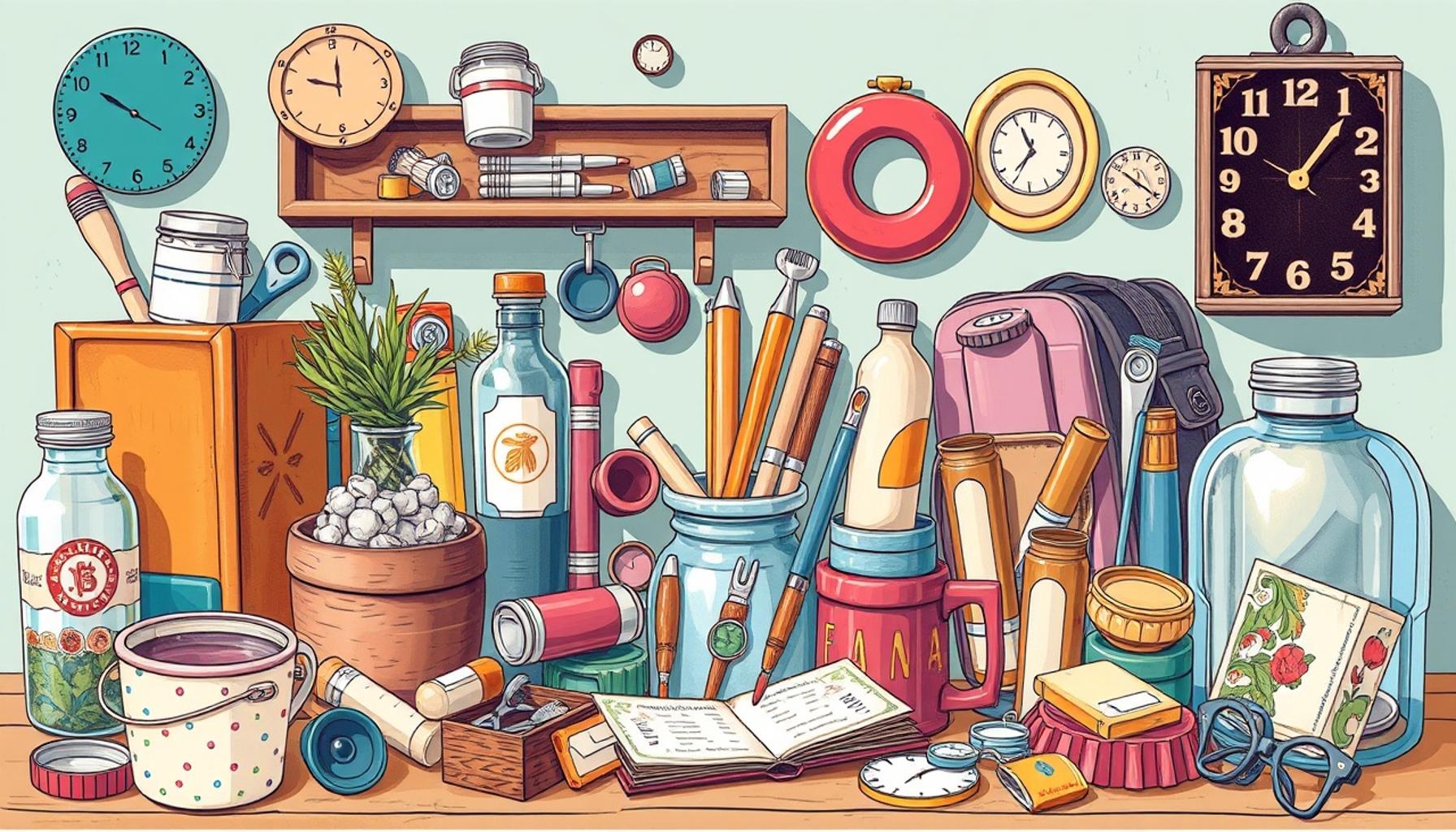
So, what can be upcycled? The possibilities are as diverse as the imaginations of those who create. For instance, glass jars, such as mason jars, can easily be converted into charming candle holders with a few decorative touches like paint or twine. They can also be used as planters for small herbs, bringing a rustic element to any kitchen or living space. Similarly, old clothing offers an array of opportunities; vintage T-shirts can be transformed into fashionable tote bags, while quilted remnants can be pieced together to create cozy throws that capture personal memories.
Wood pallets are another prime example frequently found behind retail stores or on construction sites. With a little bit of effort, these discarded items can become stunning rustic furniture, such as coffee tables or garden benches, that not only serve a functional purpose but also tell a story of sustainability. Meanwhile, plastic bottles, often seen as a bane to the environment, can be creatively repurposed into distinctive planters or whimsical garden sculptures, showcasing the adaptability of materials typically destined for landfill.
The essence of upcycling in craft making is rooted in its limitless potential to foster individual expression. Each project becomes a canvas for creativity, urging crafters to think outside the box and see the beauty in what others may overlook. By embracing this sustainable approach, individuals not only contribute to environmental awareness but also take part in a growing community that values creativity and resourcefulness.
Key Benefits of Upcycling
Engaging in upcycling also connects crafters with a broader movement of mindful consumption. The practice encourages a shift away from fast fashion and the disposable culture prevalent in modern consumerism. Through classes, workshops, and online tutorials, enthusiasts can share techniques and ideas, further enriching the upcycling landscape.
In this exploration of upcycling, we will delve into various techniques, offer tips for successful projects, and showcase inspiring examples that can guide you in transforming your everyday items into unique art pieces. Prepare to unleash your creativity while making a positive, lasting impact on our planet!
Exploring Upcycling Techniques
Upcycling may sound like a buzzword, but at its core, it is a practical and creative movement aimed at breathing new life into items that no longer serve their original purpose. The beauty of upcycling lies in the fusion of art and sustainability, allowing makers to craft unique pieces while minimizing landfill waste. As you begin to journey into this fascinating world, it is essential to understand various techniques that can elevate your creations and inspire your innovative spirit.
Common Techniques for Upcycling
Upcycling in craft making can take on numerous forms, depending on the items and materials being repurposed. Below are some common techniques to kickstart your creativity:
- Painting and Stenciling: One of the simplest ways to transform an ordinary item is through a fresh coat of paint or by adding stencils. This can quickly turn a drab chair into a vibrant accent piece or a plain glass jar into a stunning vase.
- Mod Podging: This technique involves using a special adhesive known as Mod Podge to adhere paper or fabric to various surfaces. Crafters can apply this method to upcycle furniture, photo frames, or decorative boxes, giving them a new narrative and style.
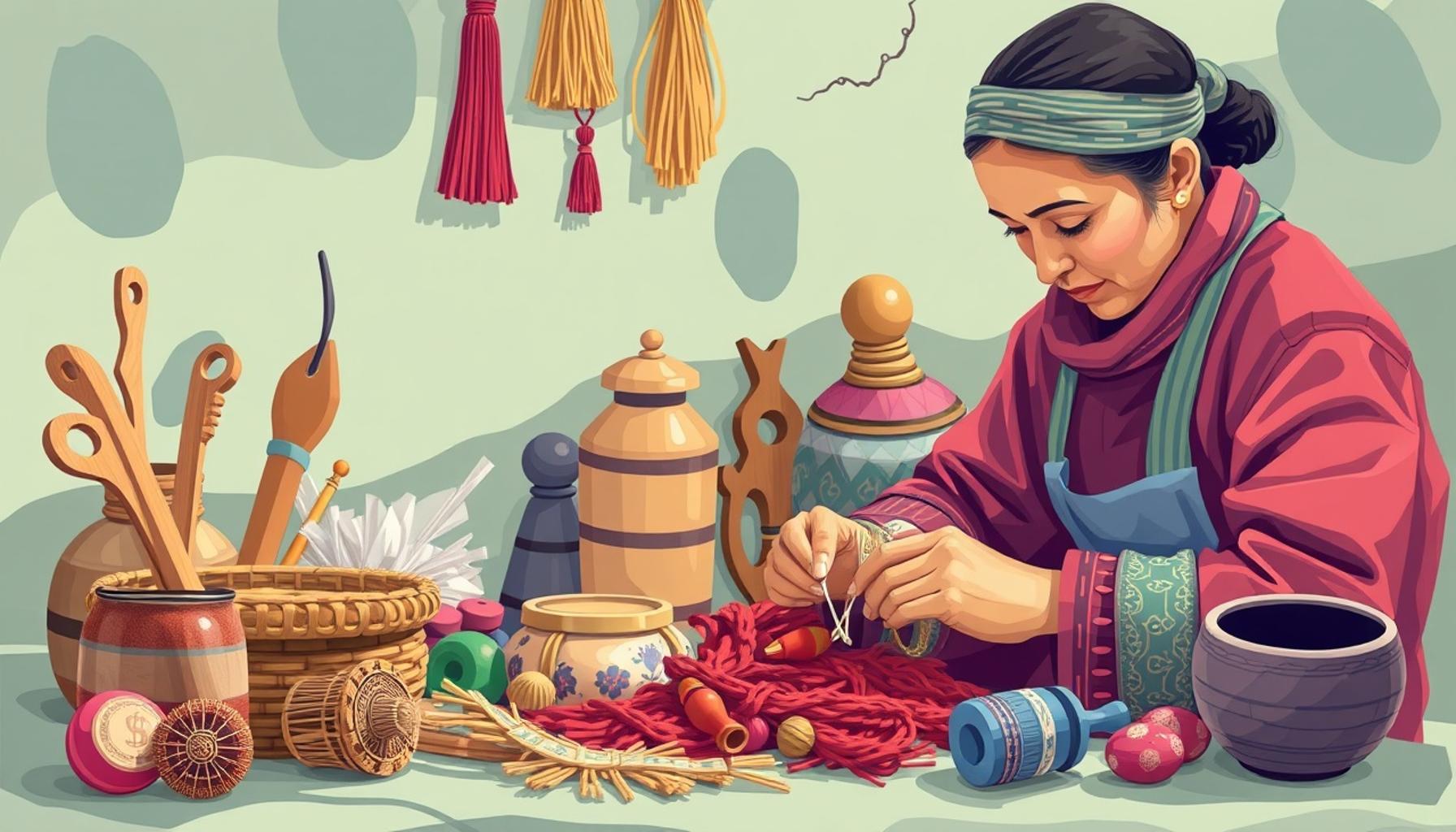
- Sewing and Stitching: For those with a sewing background, turning old garments into new items is a great way to practice upcycling. Patchwork quilts, repurposed clothing bags, and fabric scraps can spark delightful creativity while offering a personal touch.
- Such as Decoupage: This artistic technique consists of gluing cut-out images on surfaces and coating them with varnish to create a glossy finish. Used widely on items like wooden trays or canvases, decoupage adds a unique depth to commonly discarded objects.
- Wire Wrapping: When it comes to transforming old jewelry or broken accessories, wire wrapping allows crafters to create beautiful new pieces, from bracelets to decorative wall art, utilizing materials that might otherwise be tossed aside.
These techniques not only enable artisans to explore their creative potential but also help cultivate a new perspective on everyday items. With each project, crafters are inspired to see objects for what they can become rather than what they once were.
Beyond the techniques, understanding the essence of materials is crucial in upcycling craft making. Different substances react differently to various crafts. Glass, wood, and fabric can all be manipulated in unique ways, and knowing how to work with each can significantly enhance the final product. By experimenting with these techniques, you can unlock a treasure trove of ideas, making old items feel fresh and exciting once again.
Your journey into upcycling not only nurtures your creative impulses but also aligns with a broader environmental ethos. Each item transformed signifies a step towards more sustainable living, creating a ripple effect that encourages others to join in. As you pursue your upcycling projects, remember that this process is about exploration, innovation, and most importantly, imagination.
| Category | Details |
|---|---|
| Environmentally Friendly | Upcycling reduces waste, fostering sustainable living. |
| Creative Expression | Transforming discarded items into art showcases unique creativity. |
Upcycling in craft making takes the ordinary and breathes new life into it. By facilitating an imaginative reuse of materials, artists can create extraordinary pieces while championing environmentally friendly practices. This approach not only diverts items from landfills but also contributes positively to the planet by lowering carbon footprints. The benefits go beyond mere waste reduction; they foster a culture of sustainability where the impact of consumption is re-evaluated.Moreover, upcycling serves as a vibrant platform for creative expression. Artists can draw inspiration from everyday items, allowing their personalities and ideas to shine through in their works. Each transformed piece becomes a narrative of its own, telling stories of rebirth and ingenuity. This process doesn’t just appeal to seasoned artists; anyone can embrace upcycling—from amateur crafters to individuals looking to make thoughtful contributions to art and society. The world of upcycling invites all to explore their potential in creating unique art pieces with character.
Inspiring Examples of Upcycled Art
As the movement of upcycling grows, so does the creativity behind it. Numerous artisans across the United States and beyond have ventured into transforming discarded materials into mesmerizing art pieces. By highlighting some inspiring examples of upcycled art, we can further understand the limitless potential and innovative approach that defines this craft.
Furniture Redesign
Old furniture can often serve as a blank canvas for skilled crafters. A popular trend in upcycled furniture is the transformation of vintage dressers into stunning bathroom vanities. By sanding down the wood, adding a fresh coat of paint, and incorporating a ceramic sink, these artisans breathe new life into forgotten pieces. Similarly, repurposed pallets have become a steady source for unique coffee tables or garden planters. The rustic charm offered by these creations not only serves a practical purpose but also enhances home décor with a story.
Art from Trash
A fascinating trend emerging in urban communities is creating art from trash or recyclables. Artists like Brooklyn-based Tom M. have captivated audiences by turning discarded plastic bottles into expressive sculptures. Such projects not only showcase skill and imagination but also provide a poignant commentary on consumerism and waste. By utilizing materials often overlooked, these artists challenge perceptions and inspire action towards environmental stewardship.
Jewelry and Fashion Statements
The realm of fashion has also embraced upcycling with fervor. Crafters are taking old jewelry pieces, broken watches, and even vintage textiles to create one-of-a-kind accessories. For example, a beaded necklace can be crafted from converted button collections, or earrings can emerge from unwanted spoons. These unique pieces not only stand out but also send a powerful message of sustainability to the broader fashion world.
Functional Art
Upcycling ventures can extend into creating functional art pieces that combine beauty with utility. From turning wine bottles into elegant candle holders to crafting rugs from old t-shirts, artisans showcase practicality alongside artistry. The movement demonstrates that even the most unassuming materials can achieve significant transformation with a bit of creativity and ingenuity.
Community Initiatives and Workshops
Beyond individual projects, the upcycling movement fosters community engagement through workshops and initiatives. Local crafting communities often host events where participants can gather to repurpose items together, from broken furniture to surplus fabric. These gatherings serve as not only a platform for exchanging ideas but also a space for cultural exchange, allowing individuals of all skill levels to learn about sustainable practices while meeting like-minded enthusiasts.
Creativity in upcycling continues to flourish, fueled by the desire for unique self-expression as well as environmental responsibility. As you embark on your upcycling journey, let the examples of these artisans inspire your own creations. By embracing the art of transforming everyday items into stunning art pieces, you not only contribute to a more sustainable future but also embark on an adventure filled with beauty, innovation, and storytelling.
Conclusion: The Future of Upcycling in Craft Making
In an era defined by consumerism and disposable culture, upcycling in craft making emerges not only as a creative outlet but as a significant movement toward sustainability. By transforming everyday items into unique art pieces, artisans across the globe are not just reinventing materials, but are also redefining our relationship with consumption. As we’ve explored through various examples—from redesigning furniture to crafting intricate jewelry—the potential for transformation is boundless.
Moreover, the collaborative spirit fostered by community workshops encourages individuals to engage in this practice while sharing skills and stories. This sense of community not only empowers participants but also broadens the reach of the upcycling movement, inviting people from all walks of life to contribute to environmental stewardship.
As you immerse yourself in the world of upcycling, consider your own impact on the planet. Every small effort counts, and by embracing the art of upcycling, you effectively challenge the notion of waste. Whether you embark on your projects or support local artisans, your commitment to sustainability contributes to a broader narrative—one that celebrates creativity, resourcefulness, and a shared responsibility for our Earth.
In conclusion, upcycling is not just a trend; it represents a paradigm shift in how we view materials and creativity. By continuing to innovate and inspire, the craft of upcycling is paving the way for a more sustainable and artistic future. Dive into this realm of possibilities, and let your imagination lead the way to creating art that is as meaningful as it is beautiful.