
Exploring Cultural Heritage Through Crafts: Traditional Techniques and Modern Interpretations
The Role of Crafts in Cultural Heritage
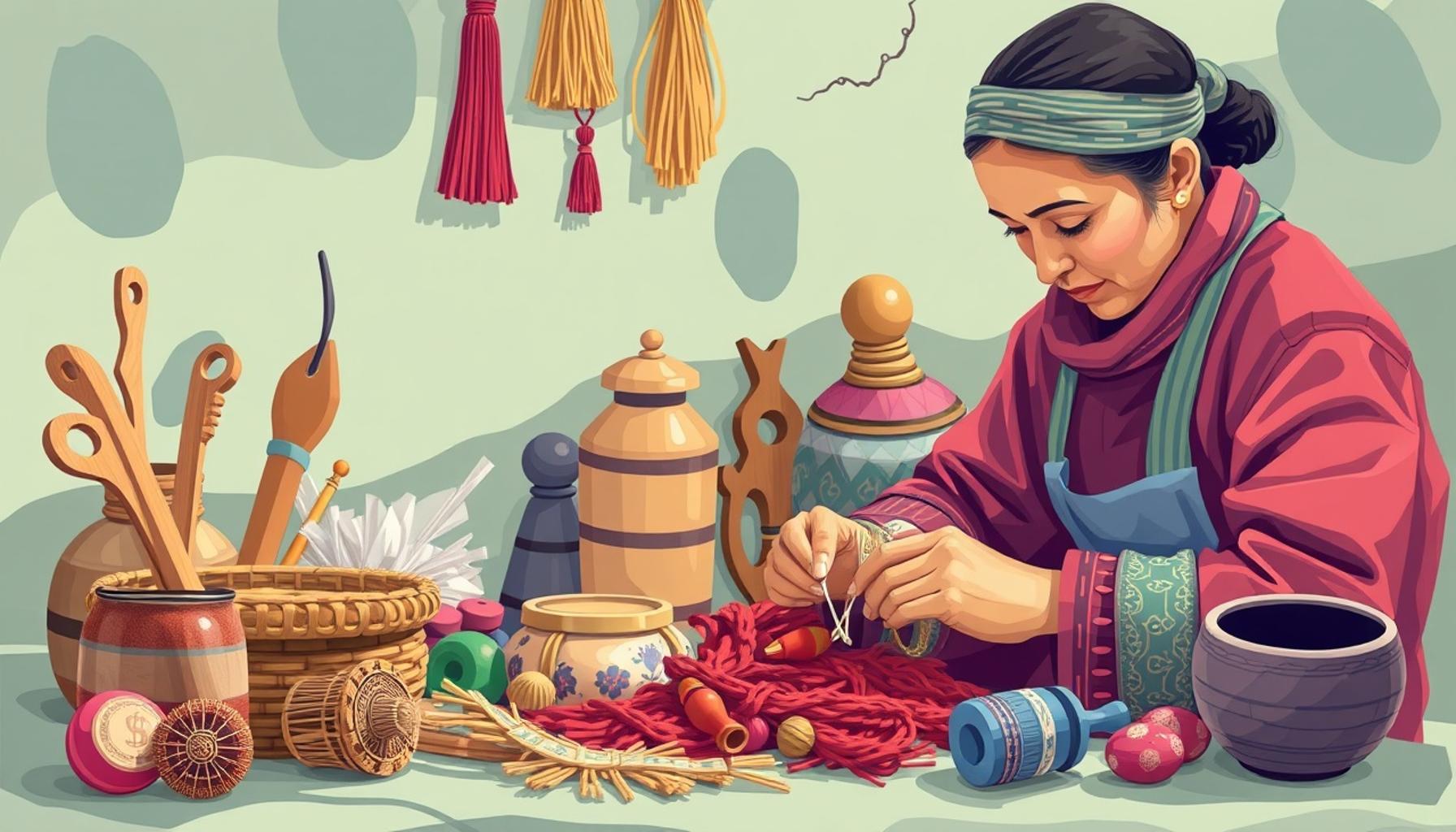
Crafts serve as an indispensable bridge connecting us to our cultural roots. By exploring the variety and richness of craftsmanship, we can better understand not only the history of a community but also its evolving identity. In the United States, a melting pot of cultures, the diversity of crafts reflects the myriad backgrounds from which they originate. From Native American pottery to modern metalworking, each piece tells a story imbued with tradition and innovation.
Traditional Techniques
Traditional craftsmanship techniques are often reflections of functional art, honed through generations of practice. For instance, quilt-making has deep roots in American culture, with patterns and techniques varying significantly across regions and communities. The Pennsylvania Dutch quilt is distinct for its vibrant colors and geometric patterns, while African American quilts often incorporate elements of storytelling and social commentary. Similarly, weaving in Navajo culture not only produces stunning textiles but also acts as a means of preserving language and ancestral tales, as patterns often carry symbolic meanings tied to their heritage.
Cultural Significance
Crafts often embody the rituals and beliefs of a society. For example, Native American beadwork is not just decorative but integral to cultural identity, often used in ceremonies and storytelling. Each bead and stitch can communicate messages about the weaver’s personal history or collective heritage. In contrast, the art of woodworking resonates particularly in Appalachian communities, where the craft serves functional needs while preserving the aesthetics and techniques passed down through generations. Such creations go beyond mere utility; they hold communal significance and are often shared during gatherings, reinforcing social bonds.
Modern Interpretations
The contemporary craft movement showcases a dynamic interplay between traditional practices and modern design sensibilities. Artisans may adopt age-old techniques like pottery throwing or glassblowing while infusing them with modern aesthetics or sustainable practices. For instance, a local potter might create vibrant, functional pieces using ancient glazing techniques merged with minimalist designs that appeal to today’s consumers. This blending not only preserves the skill of traditional artisanship but also attracts new audiences eager to own unique, culturally rich artifacts.
The exploration of cultural heritage through crafts prompts us to celebrate our differences and consider the shared human experience. As artisans navigate the delicate balance between preservation and innovation, they invite us to engage with our histories while shaping the future of craftsmanship. This ongoing dialogue about identity and creativity clarifies how crafts can serve as a vital medium for understanding and communicating our collective stories.
In conclusion, the journey through the realm of crafts not only broadens our understanding of cultural heritage, but also sparks curiosity and enjoyment. Consumers and creators alike are encouraged to delve deeper, discovering not just the beauty of the crafts but also their profound connections to our diverse world. With each piece, we are reminded that craftsmanship is not merely an art form, but a vital thread in the fabric of society.
Diving Into Traditional Craftsmanship
The world of crafts is a vibrant tapestry woven from threads of tradition, skill, and the stories of the past. As we begin to explore the realm of traditional craftsmanship, it is important to recognize how these age-old techniques have served not only as a means of utility but also as high expressions of culture. Across the United States, traditional crafts can often take center stage in local fairs, markets, and community gatherings, allowing artisans and audiences alike to connect with their collective heritage.
The Art of Traditional Crafts
When we consider traditional crafts, several paramount techniques come to mind, each with its own unique narrative and purpose. Among these, basket weaving stands out as a significant art form practiced by many Indigenous tribes, such as the Cherokee and the Sioux. These baskets are often made from materials sourced locally, including grasses, reeds, and willow. The designs often hold profound meaning, depicting everything from spiritual teachings to historical events. Similar cultural expressions can be found in ceramics, where Native American potters, using clay sourced from sacred sites, create pottery that is both functional and ceremonial.
Regional Variances and Techniques
The melting pot of cultural influences in the U.S. means that traditional crafts often adopt regional characteristics. For instance, in the Southwest, the art of jewelry making shines brightly, especially through the intricate work of Navajo silversmithing. Master artisans skillfully craft unique pieces using techniques passed down through generations. The symbolism embedded in turquoise and silver pieces often conveys a connection to the earth, illustrating a deep respect for natural resources.
- Basket Weaving: A craft with deep Indigenous roots, showing regional variations and cultural significance.
- Pottery: Utilizes locally sourced materials and often serves ceremonial purposes.
- Jewelry Making: A prominent craft among Southwestern communities, highlighting symbolic expressions through design and materials.
The Impact of Community
Craftsmanship is intrinsically linked to the community, playing a key role in cultural preservation and identity reinforcement. Regular gatherings, where artisans share their skills and knowledge, foster a collective appreciation for these traditional techniques. In many instances, these events serve as avenues for mentorship, ensuring that younger generations remain connected to their past. By engaging with traditional crafts, communities not only maintain their unique identities but also educate others about the diverse narratives shaping their cultures.
As we examine traditional crafts, it becomes clear that these techniques are not mere relics of yesteryear; instead, they are living practices that embody the spirit and resilience of communities. The craftsmanship involved extends beyond physical creation, interweaving with identity, social bonds, and the continuous honoring of cultural heritage through hands-on artistry and connection.
Exploring Cultural Heritage Through Crafts: Traditional Techniques and Modern Interpretations
Craftsmanship is a remarkable blend of tradition and innovation, where artisans breathe life into age-old techniques while pushing the boundaries to forge contemporary designs. As cultures evolve, their traditional crafts not only preserve history but allow for unique storytelling through materials and methods that span generations. By examining the intricate details found in handcrafted items, one can truly appreciate the cultural narratives that lie beneath the surface.
One significant advantage of engaging with traditional crafts is the way it fosters community connections. Local artisans typically use locally sourced materials, ensuring that their work reflects the regional identity. This connection builds a sense of pride among community members, leading to a resurgence of interest in preserving cultural practices. Through workshops, festivals, and exhibitions, communities are finding innovative ways to share and celebrate their heritage with both locals and tourists.
Moreover, blending modern interpretations with traditional techniques allows artisans to appeal to new audiences. Contemporary designs often incorporate sustainable practices, such as recycling materials or using eco-friendly processes. This fusion not only attracts environmentally conscious consumers but can also lead to collaborations that push the envelope of what crafts can achieve. For instance, using digital technology and traditional craftsmanship together has opened up new avenues for artists to create one-of-a-kind pieces that reflect both the gravity of tradition and the lightness of modernity.
As we delve deeper into these enriching practices, we begin to uncover stories that connect us all. From intricate textiles to pottery that captures the essence of the earth, the exploration of cultural heritage through crafts presents a powerful narrative of our shared human experience. The journey into the past not only enriches our understanding of art but also inspires new generations of creatives who wish to carry on these time-honored traditions.
| Advantages of Traditional Crafts | Impact on Modern Society |
|---|---|
| Community Engagement | Fosters local pride and interconnectedness in heritage. |
| Innovation through Tradition | Integrates sustainable practices appealing to new audiences. |
Modern Interpretations of Traditional Crafts
As we venture further into the exploration of cultural heritage through crafts, it is essential to recognize how traditional techniques are being adapted and reimagined within modern contexts. Today’s artisans are not only preserving the effectiveness of these techniques but are also enhancing their impact by introducing contemporary aesthetics and functionalities. This evolution fosters a deeper appreciation of the craft while resonating with a broader audience.
Fusion of Old and New
One prime example of this fusion can be seen in the realm of textile arts. Traditional quilting, prevalent in many cultures, has taken on a modern twist through innovative fabric choices and contemporary design patterns. Artisans are experimenting with vibrant colors, bold prints, and even upcycled materials, creating quilts that are not only warm but also visually striking. This fresh approach attracts younger generations who may not initially connect with traditional patterns yet are drawn in by the modern aesthetic.
Additionally, artisans are incorporating technology into their creations. For instance, the resurgence of interest in woodworking and furniture crafting has led some woodworkers to utilize CNC machines alongside hand tools, allowing for precise yet intricate designs. This intersection of craftsmanship and technology exemplifies how ancestral skills can be enhanced and diversified, breathing new life into age-old practices.
Revival of Indigenous Techniques
Moreover, there is a significant movement within various communities to revive and spotlight Indigenous crafts. Pottery making, for instance, has seen a resurgence as contemporary potters seek to honor historical techniques while infusing modern designs. Artists like the Navajo potters are reinventing traditional forms by incorporating elements from modern life into their works, producing pieces that resonate with both heritage and current trends. Such interpretations not only uplift the craft itself but also serve as critical expressions of identity in a rapidly changing world.
Craft as a Medium of Storytelling
Craftsmanship today also serves as a powerful medium for storytelling. Many artisans harness their skills to communicate personal and community narratives, often using craft fairs and local markets as platforms. For example, contemporary weavers may incorporate symbolic motifs from their cultural histories into their artworks, resulting in textiles that tell stories of their heritage. This method not only aids in cultural transmission but also creates a dialogue with modern audiences who seek connections to the stories and meaning behind the art they encounter.
- Textile Arts: Modern quilting combines traditional techniques with contemporary designs and sustainable materials.
- Woodworking: The integration of technology into traditional woodworking amplifies craftsmanship and innovation.
- Indigenous Craft Revival: Contemporary potters and weavers are reinterpreting traditional forms to tell impactful stories.
By embracing both age-old techniques and modern interpretations, the field of crafts continues to thrive, inviting curiosity and fostering a sense of belonging. This dynamic interplay between history and modernity not only illuminates diverse cultural perspectives but also encourages the forging of new connections—between artisans, their communities, and audiences across the country.
Conclusion
In our journey through the world of crafts, we discover a profound intersection of cultural heritage and modern aesthetics that is not only enriching but vital for future generations. Traditional techniques, once thought to be relegated to the past, are being revitalized and reinterpreted by contemporary artisans who view them through a new lens. As we have seen, the fusion of old and new enhances the relevance of these crafts, from the inventive use of textiles to the innovative integration of technology in woodworking.
Moreover, the revival of indigenous techniques demonstrates a significant commitment to preserving cultural narratives while adapting to current lifestyles. Artists are not just recreating the past; they are crafting conversations that resonate with today’s audiences, making history more accessible and engaging. Each piece becomes a vessel of storytelling, replete with meaning that transcends generations, inviting viewers to engage with the stories and identities it represents.
As we move forward, the dialogue between traditional crafts and modern interpretation will undoubtedly expand, providing a rich tapestry of cultural expression that we can all appreciate. By supporting local artisans and participating in craft communities, we foster a deeper understanding of our collective heritage. Ultimately, exploring cultural heritage through crafts is not just about preserving history; it is about celebrating the dynamic nature of creativity that connects and enriches us all. Let us continue to engage with this vibrant world, as every stitch, carving, and crafted object carries the weight of a story worth telling.