Exploring the Relationship between Music and Dance in Creative Expression
Exploring the Dynamic Relationship Between Music and Dance
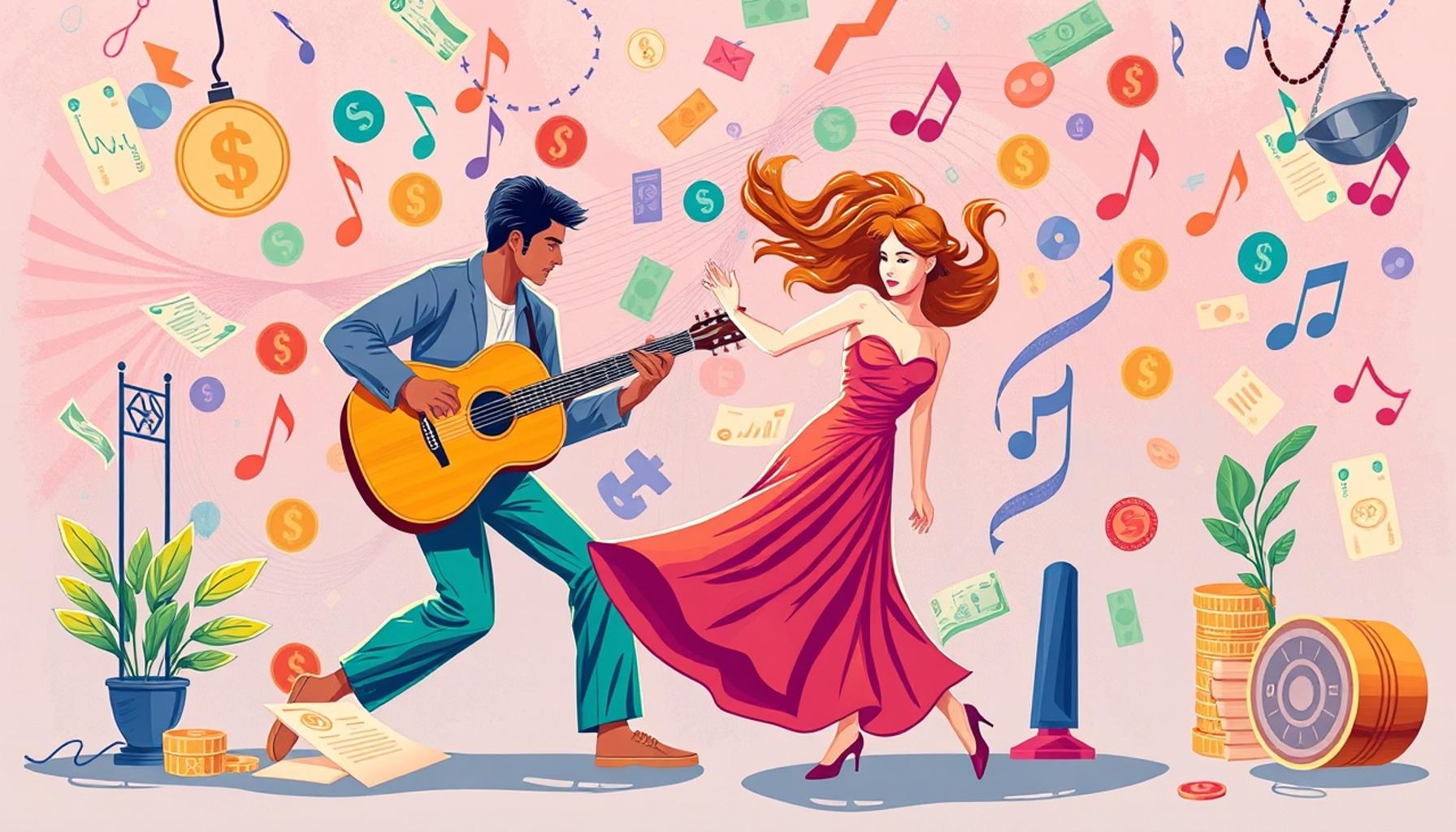
The fusion of music and dance serves as a compelling avenue for creative expression, one that resonates deeply across diverse cultures. These two art forms not only convey emotions but also narrate stories that connect individuals and communities on a profound level. By delving into their intertwined nature, we can cultivate a richer appreciation of both mediums, recognizing how they enhance and amplify each other’s impact.
Take, for instance, the vibrant world of street dance—rarely is it separated from the pulsating beats of hip-hop music. The rhythm of the music dictates the tempo and energy of the dance, with each move telling a story of individuality and community. Each hip-hop dance battle is as much a showcase of creativity as it is a celebration of the cultural roots that sparked its evolution. Similarly, traditional dances influenced by folk music, such as the Appalachian clog or the Hawaiian hula, carry significant historical narratives that preserve and honor their native cultures.
- Emotional Resonance: The interplay between music and dance can evoke emotions ranging from exhilaration to nostalgia. For example, a contemporary dance piece performed to a haunting melody can heighten feelings of sadness or longing, while a lively salsa number can inspire joy and vitality. Dance can capture the essence of a song’s lyrics and deliver its emotional weight, creating an experience that resonates deeply with audiences.
- Cultural Reflection: Every genre of music and style of dance serves as a mirror reflecting the cultural landscapes from which they emerge. The energetic rhythms of African drumming are complemented by expressive dance movements that tell the stories of ancestors and traditions. In the United States, genres like jazz have influenced a variety of dance forms, from the Charleston of the Roaring Twenties to modern jazz dance, illustrating cultural evolution through rhythm and movement.
- Collaboration: The collaboration between musicians and dancers often gives birth to innovative performances, such as those seen on Broadway. The seamless blend of storytelling through dialogue, song, and dance creates a rich tapestry that captivates audiences. Iconic productions like “West Side Story” and “Hamilton” showcase how music and dance work symbiotically to enhance narratives and emotional depth.
Moreover, styles such as jazz and contemporary dance highlight unique contributions from American culture, illustrating how music and dance evolve together over time. The improvisational aspects of jazz encourage spontaneity in dance, inspiring performers to express their interpretations in real time. This synergy fosters a sense of community, inviting spectators to engage with the performance in visceral ways.
Ultimately, an exploration of the relationship between music and dance not only ignites our creativity but also invites us to reflect on our cultural experiences. This dynamic interplay enriches lives, offering inspiration for artists and enthusiasts alike. By appreciating this connection, individuals can discover new forms of artistic expression and deepen their understanding of the cultural narratives that shape society.
DISCOVER MORE: Click here to dive deeper
The Synergy of Rhythm and Movement
The relationship between music and dance is a dynamic synergy that enables artists to push the boundaries of creative expression. Beyond mere entertainment, this connection serves as an essential conduit for emotional storytelling and cultural preservation. Explorations into how these two art forms interact reveal a fascinating landscape that encompasses the human experience, encouraging audiences to engage in new ways.
When observing a performance, the audience may not always recognize the intricate ways in which music informs dance; however, it becomes apparent upon close examination. A dancer’s movements are often modulated by the rhythm and melody of the accompanying music, creating a dialogue that enhances the overall narrative of the performance. This phenomenon is especially evident in genres such as ballet, where the fidelity to the musical score dictates not only the tempo but also the style of movement. Dancers parse rhythm to emphasize specific notes or beats, turning every performance into a compelling interpretation of the composer’s intent.
The Role of Music in Shaping Movement
- Structure: The structure of a musical piece greatly influences the choreography of a dance. Compositions that feature distinct sections, such as verses and choruses, provide natural points for dancers to shift their movements, thereby creating dynamic transitions that captivate audiences.
- Emotion: Music imbues dance with emotional significance. A soft piano piece may evoke gentle, flowing movements, while a driving rock beat can inspire vigorous and energetic choreography. The emotional landscapes painted by music allow dancers to channel their feelings and convey messages that resonate deeply with spectators.
- Innovation: The blend of genres fosters innovation. Contemporary dance often integrates various musical styles, encouraging performers to explore new movement vocabularies. This cross-pollination not only challenges preconceived notions about how dance should respond to music but also inspires audiences to rethink their engagement with both art forms.
Consider the electric atmosphere of a dance club where DJ sets pulse through the air. Here, the fusion of music and dance creates a shared experience among revelers, as they lose themselves in the beats while expressing their unique interpretations through movement. This natural integration showcases the inevitability of collaboration in the world of music and dance, each element enhancing the other as participants connect socially and emotionally.
Moreover, pioneering artists continually break traditional molds, experimenting with interdisciplinary works that incorporate visual arts. These collaborations speak not only to the versatility of music and dance but also to their capability of transcending cultural and social barriers. Festivals and performances across the United States celebrate these innovations, demonstrating how deeply ingrained music and dance are within the fabric of society.
Ultimately, investigating the multifaceted relationship between music and dance offers a fresh perspective on both art forms. By understanding their interconnectedness, we can appreciate how they serve not just as entertainment but as vital expressions of identity and community, unveiling new pathways for creative exploration.
Exploring the Synergy between Music and Dance
The intricate connection between music and dance transcends mere entertainment; it serves as a profound medium for creative expression. This relationship provokes a blend of emotions that fosters personal and communal identity. Music evokes feelings that can prompt dancers to express themselves physically, embodying the rhythm, melody, and emotion conveyed through sound. Notably, cultures around the world have utilized this synergy to create iconic performances that not only tell stories but also preserve historical narratives.Furthermore, music and dance have been shown to have therapeutic effects. Engaging in these art forms can alleviate stress, improve mental health, and enhance physical coordination. Studies reveal that individuals who participate in music and dance experience an increase in overall well-being and a sense of belonging within a community. Dance, performed to music, often serves as a celebration of life events, cultural heritage, and social gatherings, reinforcing its essential role in cultural expression.In educational settings, the integration of music and dance encourages creativity and cognitive development among students. Dance classes accompanied by music foster a better understanding of rhythm, balance, and timing, enriching the learning experience. By exploring contemporary and traditional music styles, students gain invaluable insights into diverse cultural expressions, promoting a broader perspective of the world around them.For those intrigued by the relationship between music and dance, there are endless avenues to explore. From appreciating various dance styles inspired by different musical genres to understanding the historical context behind these art forms, the journey of discovery continues to inspire and captivate enthusiasts from all walks of life.
| Category | Description |
|---|---|
| Cultural Expression | Music and dance reflect societal values, traditions, and historical narratives. |
| Therapeutic Benefits | Both art forms promote mental well-being and physical skills through expressive movement. |
The exploration into how music and dance inform creative expression not only unveils the beauty of each individual art form but also highlights their profound interconnectedness.
DISCOVER MORE: Click here to learn how music can enhance your personal growth
Embodying Cultural Narratives through Movement
The interplay of music and dance not only serves as a vessel for individual expression but also acts as a crucial means of conveying societal narratives and cultural identities. Different cultures have harnessed the power of these art forms for centuries, using them to tell stories, preserve traditions, and cement communal bonds. The oral histories passed down through music and dance have cemented their place as vital expressions of cultural heritage.
For instance, in Native American cultures, traditional dances are often accompanied by rhythmic drumming and singing, creating an immersive experience that not only entertains but also carries deep spiritual and historical significance. Each movement, aligned with the musical cadence, tells a story rooted in the community’s beliefs and practices. These performances serve as a living archive of cultural identity, enabling both participants and spectators to reaffirm their connection to their heritage.
The Influence of Globalization on Dance and Music Fusion
As the world becomes increasingly interconnected, the relationship between music and dance is also evolving, leading to exciting fusions and new trends. Genres like hip-hop and samba have transformed dance floors around the globe, marrying traditional forms with contemporary sounds that reflect the changing cultural landscape. This global exchange encourages new ways of thinking about how music can inform dance, giving rise to innovative styles that often blend elements from multiple traditions.
- Cross-Cultural Collaborations: Artists are increasingly collaborating across borders, resulting in hybrid styles that merge traditional dance forms with modern musical genres. An example of this fusion can be seen in the collaboration of American hip-hop dancers with African dance troupes, leading to a rich mix of techniques and idioms that challenge conventional dance frameworks.
- Social Movements: Music and dance frequently intersect with social movements, serving as a language for activism and change. The Black Lives Matter movement utilized music and dance to amplify voices and push for social justice, with performances reflecting the struggles and resilience of marginalized communities. These expressions not only impact cultural discourse but also inspire collective actions.
- Dance Challenges and Viral Trends: In the digital age, platforms like TikTok have popularized dance challenges paired with catchy tunes, epitomizing the collaborative spirit of music and dance. These short, engaging pieces break geographical barriers and invite a global audience to participate in a shared cultural experience, showcasing how accessibility to music shapes contemporary dance.
The rise of music festivals across the United States, such as Coachella and Lollapalooza, exemplifies this cultural blending as audiences participate in a collective experience that intertwines dance and music. Many festival-goers express themselves not just through listening, but by engaging in spontaneous dance circles or choreographed routines that transform open spaces into dynamic arenas of social connection. The feeling of unity, nourished by shared rhythms, underscores the idea that music and dance can communicate universal emotions that transcend language and cultural barriers.
As we continue to explore the relationship between music and dance in creative expression, it becomes clear that the evolution of these art forms reflects societal shifts and changing identities. By understanding how music and dance interrelate, we open ourselves to a broader appreciation for their role in shaping human experiences, and ultimately, our collective culture.
DIVE DEEPER: Click here to uncover the power of music
Conclusion: The Dynamic Duo of Music and Dance in Human Expression
In examining the intricate relationship between music and dance, it becomes evident that these two art forms are more than just complementary activities; they are intertwined expressions of creativity that reflect cultural narratives and social dynamics. From traditional practices that celebrate cultural heritage to modern fusions that emerge from global interconnectedness, music and dance continue to evolve, capturing the essence of human experiences. The way they enhance each other fosters a collective sense of identity and community that transcends geographical boundaries.
Moreover, the impact of globalization has facilitated cross-cultural collaborations, allowing artists to explore new horizons and create hybrid styles that challenge conventional norms. The emergence of social movements showcasing performance art as a tool for activism serves as a testament to the powerful role that music and dance play in voicing community sentiments and bringing about social change. As seen through contemporary platforms like TikTok, the accessibility of music and dance has democratized creative expression, inviting diverse audiences to engage and connect through shared rhythms.
As we delve deeper into the relationship between these two art forms, we not only enrich our understanding of cultural dynamics but also discover the underlying emotions that unite us as a global community. The dance floor, the performance stage, and even our living rooms can become spaces for creativity and expression, inviting us all to participate in this vibrant tapestry of human expression. In embracing the synergy of music and dance, we open ourselves to a world of infinite possibilities, transcending boundaries and celebrating the beauty of our collective humanity.
Related posts:
Music as a Tool for Personal Development and Self-Knowledge
The Role of Musical Improvisation in Artistic Freedom of Expression
The Role of Music in Creating Inclusive and Diverse Communities
Music as a Form of Therapy: Exploring Its Potential in Emotional Expression and Mental Health
The Connection between Music and Visual Arts: How Synesthesia Influences Artistic Creation
Music and Narrative: Telling Stories Through Musical Composition

Beatriz Johnson is a seasoned skincare specialist and writer with a passion for simplifying the complexities of beauty science and skincare routines. With over a decade of experience in the aesthetics industry, she specializes in topics like ingredient efficacy, anti-aging strategies, and global beauty trends. Through her work, Beatriz empowers readers to make informed skincare choices and stay ahead in the ever-evolving world of beauty and wellness.