
Sustainable Crafting: Eco-Friendly Materials and Techniques
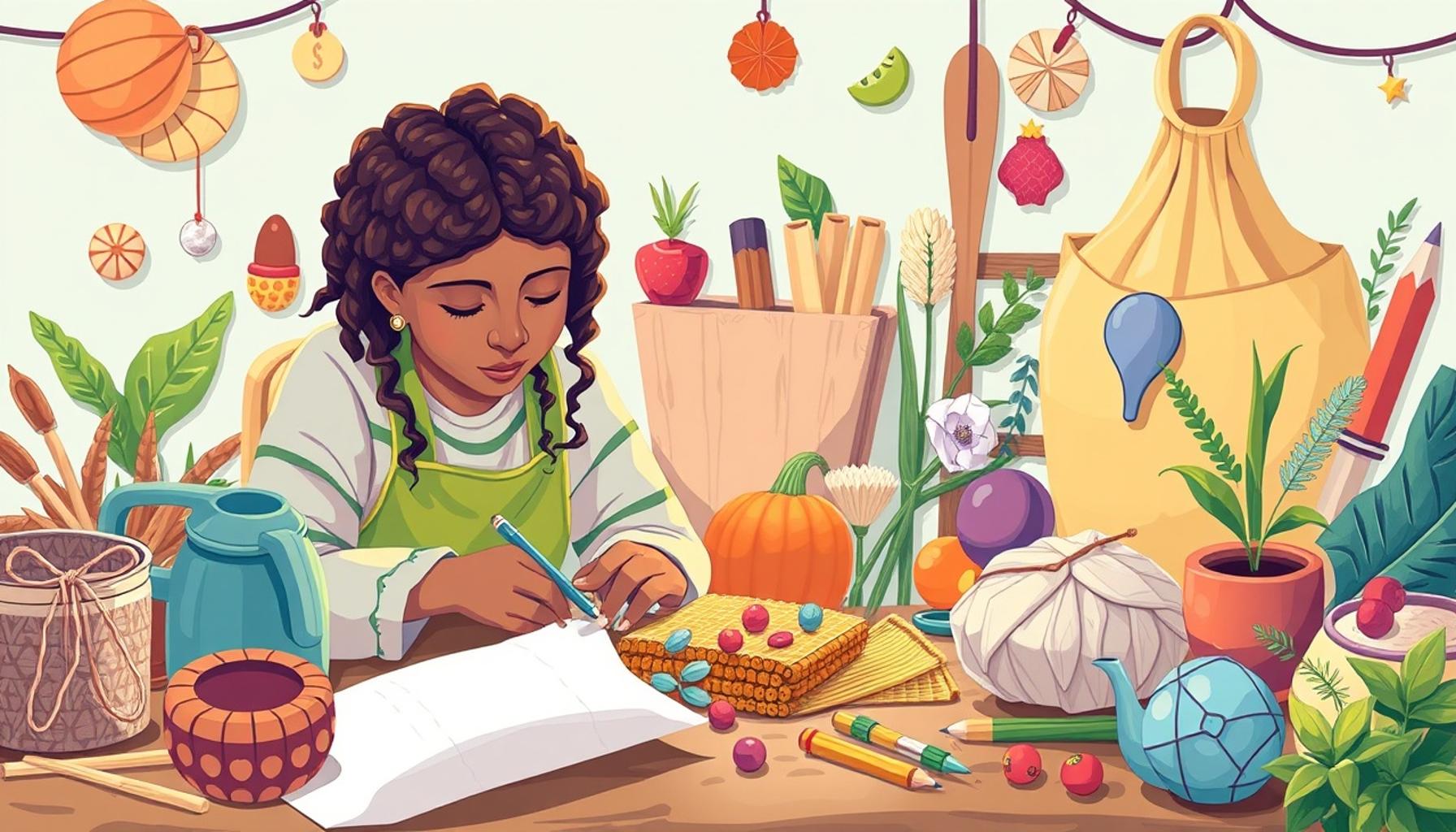
The Evolving Landscape of Sustainable Crafting
As the urgency of environmental responsibility continues to echo across industries, crafting is not left behind. An increasing number of artisans and hobbyists are turning towards sustainability, integrating eco-conscious practices into their creative processes. This convergence of artistry and environmental mindfulness has emerged as a defining trend in the crafting world, allowing creators to generate stunning items while respecting our planet.
At the heart of sustainable crafting lies the use of eco-friendly materials. In recent years, many crafters have begun to prioritize resources that leave a minimal footprint on the earth. Here are a few notable examples:
- Recycled Materials: Many creators are breathing new life into discarded items such as older newspapers, bottles, and remnants of clothing. For instance, artists are transforming glass jars into eye-catching home decor or using shredded paper to create unique handmade paper products. This practice not only diverts waste from landfills but also encourages creativity in repurposing items.
- Natural Fibers: Artisans are increasingly sourcing materials like organic cotton, hemp, and bamboo. These materials are cultivated without harmful pesticides and synthetic fertilizers, making them biodegradable and gentler on ecosystems. Many knitting enthusiasts, for example, prefer using organic cotton yarn for their projects, ensuring that their creations do not contribute to environmental harm.
- Local Sourcing: By choosing to purchase supplies from local artisans, crafters help to reduce their carbon footprints associated with transportation. Farmers’ markets and craft fairs are great places to find locally sourced materials such as handcrafted wooden items or locally produced fabrics that support the community while promoting sustainability.
Beyond the choice of materials, innovative techniques have redefined the crafting landscape. Upcycling stands out as a particularly alluring method where crafters transform discarded goods into functional art. For example, turning old furniture into stylish, one-of-a-kind pieces or revamping tattered fabrics into fashionable tote bags encourages a mindset of resourcefulness and creativity.
Another technique gaining traction among sustainable crafters is natural dyeing. This process employs plant-based substances, allowing artisans to create vibrant colors without resorting to harmful chemical dyes. Common materials like avocado pits, turmeric, and even beetroot can yield stunning hues while remaining environmentally friendly.
As awareness increases regarding the impacts of consumer choices, many individuals are gravitating towards crafting methods that resonate with their values. By investigating and adopting eco-friendly crafting practices, enthusiasts can create distinctive, personal items that also signify their commitment to a more sustainable lifestyle. This movement is not just about crafting beautiful products; it’s about contributing actively to a larger community striving for a greener future.
In conclusion, as sustainable crafting gains momentum, it offers a path for hobbyists and professionals alike to merge creativity with eco-consciousness. This flourishing trend stands as a testament to the art world’s adaptability and its potential to drive significant change, all while allowing makers to express themselves in unique and meaningful ways.
DIVE DEEPER: Click here to uncover the magic of personal writing
Eco-Friendly Materials: A Foundation for Sustainable Crafting
Within the domain of sustainable crafting, the selection of eco-friendly materials serves as a crucial foundation for creating environmentally responsible works of art. Choosing materials that not only meet aesthetic needs but also honor ecological principles is helping redefine what it means to create. While there are many paths to sustainability, several standout categories of materials are taking center stage:
- Biodegradable Materials: Whether it is paper made from post-consumer waste or biodegradable glues, these materials decompose naturally over time, returning nutrients to the soil. By utilizing biodegradable options, artisans can create works that align with both artistic expression and environmental stewardship.
- Reclaimed Wood: For those engaging in carpentry or furniture-making, sourcing reclaimed wood not only minimizes deforestation but also adds a unique character to each piece. These materials, often salvaged from old buildings or pallets, carry their history and charm, making each crafted item a conversation starter.
- Natural Paints and Finishes: Crafters are increasingly favoring paints and finishes that are free from toxic chemicals. Made from plant-based sources, these eco-friendly options reduce exposure to harmful substances, creating safer crafting environments while promoting air quality.
Adopting these materials opens a plethora of creative avenues while engendering a sense of responsibility towards nature. Crafters are encouraged to dig deeper into alternative materials available locally to enhance their artistic practices even further.
Techniques That Embrace Sustainability
In addition to eco-friendly materials, innovative crafting techniques are essential for encouraging sustainable practices. One compelling method emerging is collaborative crafting. This approach engages local communities, inviting individuals to contribute their talents and discarded materials, thereby fostering a culture of sharing and minimizing waste. In workshops across the United States, this novel practice is not only about crafting but also about building connections among artists and the materials they use.
Moreover, techniques like modular crafting have risen in popularity, allowing artisans to create with versatility and sustainability in mind. By designing components that can be easily assembled or disassembled, crafters can reduce the need for excess materials and encourage reuse. This approach is particularly applicable in textile arts, where modular designs minimize excess fabric while offering personalized and unique creations.
Learning and sharing these techniques among peers fosters an environment where creativity is celebrated within the boundaries of ecological responsibility. With the focus shifting towards sustainable crafting practices, individuals can reclaim their creative power while committing to a cleaner and greener planet.
| Eco-Friendly Materials | Significance |
|---|---|
| Recycled Fabrics | Reducing waste promotes a circular economy. |
| Biodegradable Materials | Help diminish landfill impact and pollution. |
| Natural Dyes | Eco-friendly alternatives for vibrant colors. |
The importance of eco-friendly materials in sustainable crafting rests on their ability to reduce environmental impact. Utilizing recycled fabrics not only conserves resources but also facilitates a shift toward a circular economy, where discarded materials gain a new life in creative projects. Moreover, opting for biodegradable materials actively combats issues of landfill overpopulation and minimizes pollution, ensuring that crafts contribute to rather than detract from nature. Prioritizing natural dyes as substitutes for synthetic ones introduces a commitment to health and environmental safety, providing artisans with an opportunity to explore a palette that respects both the planet and artistry. Exploring these materials reveals vast potential for innovation and sustainability in crafting, urging enthusiasts to delve deeper into eco-friendly techniques that align with a greener future.
DISCOVER MORE: Click here to dive deeper
Innovative Practices in Sustainable Crafting
As the movement towards sustainable crafting gains momentum, crafters and artists across the United States are exploring innovative practices that deepen their commitment to environmental consciousness. Among these practices, upcycling has emerged as a powerful trend. This technique involves repurposing materials that would typically be discarded, transforming them into something aesthetically pleasing and functional. By modifying fabric scraps into fashionable accessories or turning glass jars into chic home decor, artists not only reduce waste but also ignite creativity by challenging conventional notions of craftsmanship.
Another noteworthy approach is nature-inspired crafting, where artisans draw inspiration directly from their natural surroundings. This method encourages the use of seasonal, locally available materials. For instance, using found leaves, twigs, and stones to create organic sculptures or nature-based prints fosters a direct connection between the artist and the environment. Engaging with local ecosystems not only supports biodiversity but also promotes a deeper appreciation for the intricate balance of nature.
Digital Crafting and Sustainable Technology
In the age of technology, digital tools are playing a pivotal role in the sustainability narrative. 3D printing has become a revolutionary technique in crafting, allowing creators to produce intricate designs with a minimal carbon footprint. By using biodegradable filament made from cornstarch or recycled plastics, artisans can create everything from jewelry to functional household items while reducing material waste. Furthermore, 3D printing enables precise customization, reducing the overproduction often seen in traditional crafting methods.
Additionally, the integration of digital design platforms is empowering creators to experiment without the hefty waste associated with physical prototypes. Programs that allow for virtual modeling and product iteration facilitate a more responsible design process, minimizing waste while maximizing creativity. This transition towards digital mediums underscores a significant shift in how craftspeople are approaching their work, allowing them to express their vision sustainably.
- Community Workshops: Many local studios and organizations are hosting community workshops centered on sustainable crafting practices. Participants can learn from experienced artisans while gaining hands-on experience with eco-friendly materials and techniques.
- Repair and Restore Events: Emphasizing the value of longevity, some crafters are organizing repair events, where community members bring in damaged items to be restored instead of discarded. These gatherings inspire a culture of repair rather than waste, highlighting craftsmanship as a skill that can preserve the life of loved belongings.
The shift towards sustainable crafting is not merely a trend; it represents a profound cultural movement integrating creativity with environmental responsibility. By embracing innovative techniques and practices, crafters are reimagining the landscape of art, showing that sustainability can coexist with beauty and individuality. Whatever the medium, the commitment to using eco-friendly materials and techniques is paving the way for a more conscious crafting community.
DIVE DEEPER: Click here to discover more
Conclusion: Crafting a Sustainable Future
The realm of sustainable crafting stands as a testament to human creativity, ingenuity, and our evolving relationship with the environment. As artisans and crafters boldly embrace innovative techniques like upcycling and nature-inspired crafting, they illustrate that art can indeed flourish without harming our planet. This cultural shift not only encourages the use of eco-friendly materials but also fosters a deeper connection to our surroundings, advocating for a lifestyle that celebrates the beauty of repurposed and locally sourced resources.
Moreover, the integration of digital technology into crafting practices symbolizes a new era where sustainability and creativity coexist harmoniously. Tools such as 3D printing and digital design platforms empower creators to minimize waste and maximize artistic potential, revolutionizing how goods are produced and consumed. With community workshops and repair events gaining traction, the sustainable crafting movement is fostering stronger communal ties and encouraging a shift in consumer culture towards valuing longevity and repairability.
As we move forward, it is essential for consumers and creators alike to continue exploring and supporting sustainable practices. Each handcrafted piece holds a story and reflects a commitment to environmental stewardship. By choosing to engage with sustainable crafting, we contribute to a more mindful and responsible artistic landscape, ultimately paving the way for future generations to cherish the balance between creativity and ecological integrity. Let us continue to inspire one another to craft with intention, making informed decisions that not only uplift our creative spirits but also protect the world we share.
Related posts:
The Evolution of Crafting Trends: From Vintage Revival to Modern Minimalism
Exploring Cultural Heritage Through Traditional Craft Making
The Rise of Digital Crafting: How Technology is Transforming Handmade Art
DIY for the Home: Craft Projects that Transform Spaces and Create Cozy Environments
The Therapeutic Benefits of Craft Making for Mental Health
Crafting with Natural Materials: How to Incorporate Elements of Nature into Your Creative Projects

Beatriz Johnson is a seasoned creative enthusiast and writer with a passion for simplifying the world of artistic hobbies and DIY projects. With over a decade of experience exploring various creative fields, she specializes in topics like crafting, painting, and handmade design trends. Through her work, Beatriz empowers readers to unlock their creative potential, try new artistic endeavors, and find joy and fulfillment in the ever-expanding universe of creative hobbies.