The Evolution of Musical Performance: How the Stage Becomes a Space of Creation and Authenticity
Musical Performance: A Dynamic Transformation
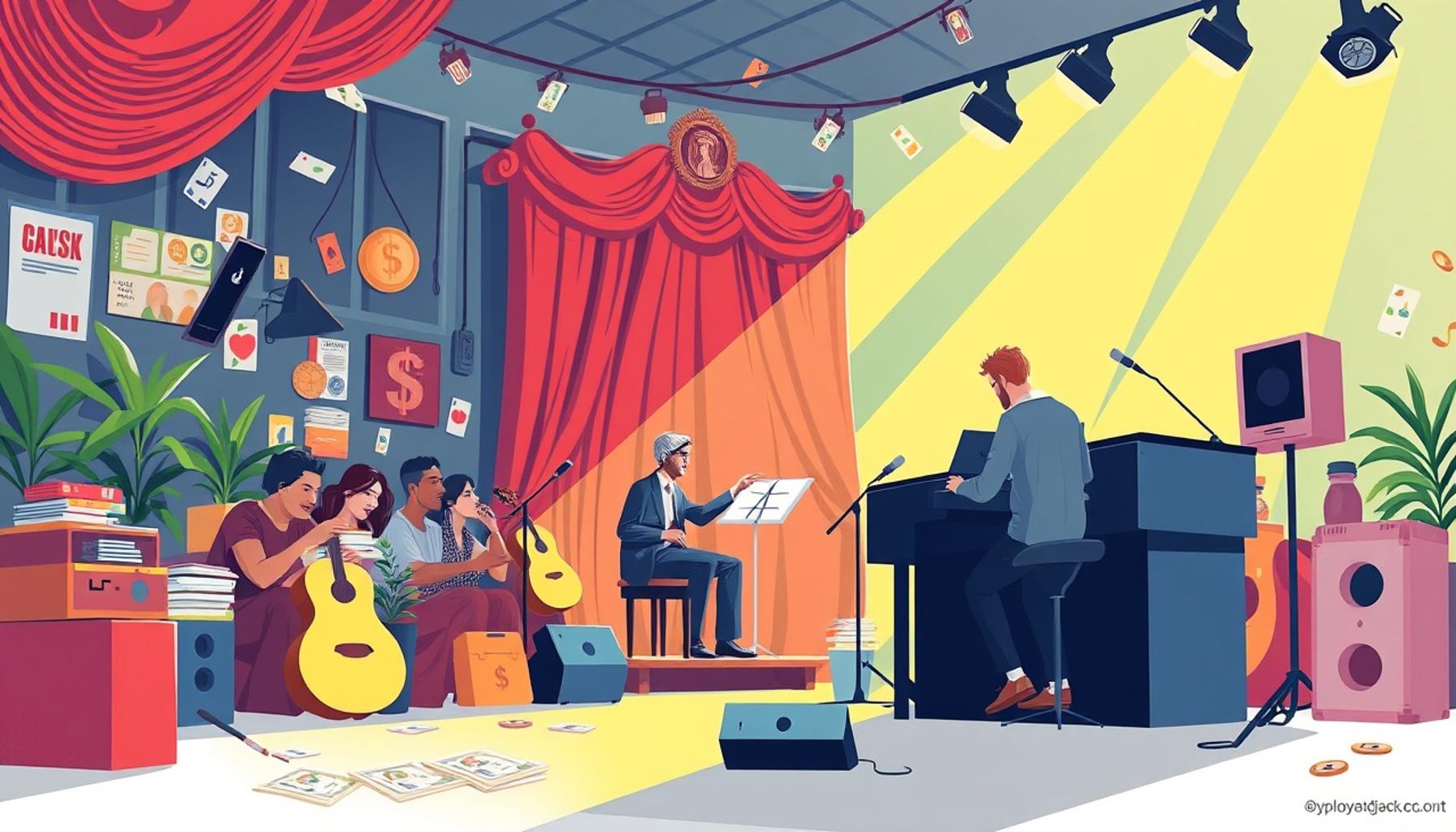
The journey of musical performance showcases not just the evolution of sound, but a profound reflection of societal changes. Over centuries, stages have emerged as vital platforms for creative expression. What once began in modest settings such as coffeehouses or town squares now thrives in sprawling arenas and sophisticated theaters, where performances are elevated to spectacular levels.
The transformation of the stage is underpinned by several key factors that have played a crucial role in reshaping how music is experienced and performed:
- Technological advancements: Landmark innovations such as high-fidelity sound systems and visual effects have completely redefined the concert experience. Artists like Beyoncé and Taylor Swift leverage cutting-edge technology, using elaborate lighting and sound engineering to enhance their performances significantly. For instance, Swift’s use of augmented reality in her concerts creates immersive experiences that engage the audience on multiple sensory levels.
- Cultural shifts: The definition of authenticity in music has morphed dramatically. Today’s audiences are influenced by diverse perspectives, leading artists to embrace vulnerability and personal storytelling. Artists like Billie Eilish, known for her minimalist aesthetic and raw lyrics, exemplify this shift towards genuine, relatable performances that resonate with younger audiences.
- Audience interaction: Modern performances often invite fans into the experience, breaking down barriers between artist and audience. Concerts have transformed into communal gatherings, where artists interact through social media, live Q&A sessions, or even on-stage participation. This blurring of lines fosters a sense of belonging, creating memorable connections.
Throughout history, the stage has not only been a venue but a reflection of cultural movements. From the intimate atmosphere of a coffeehouse setting in the 1960s that showcased folk musicians like Bob Dylan to the extravagant displays of stadium tours featuring rock bands like U2, the evolution of performance art has always paralleled societal change. Artists now recognize the stage as a canvas for creative expression, using it to convey statements on social issues, personal journeys, and universal truths.
Such evolution prompts intriguing questions about the current landscape of musical performance:
- How has the artist’s role transformed within this dynamic creative space?
- What does authenticity really signify amidst the backdrop of pop culture?
- In what ways does technology enhance the fabric of performance art, and can it sometimes detract from the live experience?
As we dig deeper into this topic, we unveil the intricate layers of how the stage continues to shape and be shaped by the world of music. Join us in this exploration of the tension between tradition and modernity in musical performance, and discover how the stage serves as both a historical document and a future blueprint for artists and audiences alike.
DISCOVER MORE: Click here to learn how to waste less in the kitchen
Rethinking the Role of the Artist on Stage
As the stage evolves into a vibrant space of creation and authenticity, the role of the artist has been profoundly redefined. Gone are the days when musicians stood passively behind microphones, delivering pre-determined performances. Today’s artists are active participants in a continuous dialogue with their audience, leveraging their platform not just for entertainment, but for expression and connection.
One notable trend is the rise of multi-disciplinary performance. Artists like Lin-Manuel Miranda, through his groundbreaking work in “Hamilton,” incorporate elements of theater, dance, and visual art into musical performances. This blending of genres not only creates a richer experience but also challenges traditional conceptions of music as a standalone art form. Audiences are no longer just passive recipients of sound; they become witnesses to a complex tapestry of storytelling and artistry.
Moreover, the introduction of live-streaming and virtual concert experiences—especially highlighted during the pandemic—has shifted the conventional stage dynamics. Artists like Travis Scott have captivated audiences through virtual reality concerts, offering an entirely new way to engage with music beyond physical limitations. This digital evolution has emphasized that the stage can adapt and morph, finding new expressions in cyberspace. In this context, the term “stage” no longer solely refers to a physical location but becomes synonymous with any platform where creativity can flourish.
Blurring Boundaries Between Artist and Audience
Another significant change lies in the way artists interact with their fans. The barriers that once separated performer from audience have significantly diminished. This transformation presents a few compelling aspects:
- Social Media Engagement: Artists frequently utilize social media platforms to communicate with fans, share behind-the-scenes content, and even solicit feedback on their work. This direct interaction not only fosters a connection but also creates a sense of community among fans.
- Crowdsourced Creativity: Many artists now involve their fans in the creative process, encouraging them to contribute ideas or vote on setlists for live shows. This collaborative approach enhances feelings of ownership and investment within the audience.
- Improvised Performances: Artists are embracing spontaneity, often altering their performances based on the vibe of the audience or current events. This real-time engagement cultivates an atmosphere of authenticity, where each performance becomes a unique experience.
As we tread further into this exploration of musical performance, we must also consider how the notion of authenticity has changed. What was once perceived as a fixed quality—a singer’s ability to belt out notes with technical precision—is now nuanced by storytelling, connection, and the ability to create an emotional resonance with fans. Artists are recognizing that true authenticity derives from vulnerability and the willingness to share personal narratives, creating powerful connections that transcend music itself.
In a world that is ever-shifting, the stage remains a constant space for innovation and exploration, leading both musicians and their audiences toward uncharted territories of sound and interaction. As we delve deeper into this topic, we will further unravel the impact of these transformations on the broader cultural landscape and the future of musical performance.
As the evolution of musical performance unfolds, the stage transforms into a canvas where artists express not just their musical talent but their identity and emotions. This dynamic shift reflects a growing demand for authenticity in a world increasingly driven by technology and commercialism. Artists are no longer simply entertainers; they are storytellers, activists, and creators who use their platforms to convey powerful messages. One of the key aspects of this evolution is the rise of immersive experiences. Performances are no longer confined to traditional formats; instead, they embrace multimedia elements that engage the audience on multiple sensory levels. Visual art, dance, and interactive technology have become essential components, enhancing the atmosphere and allowing for a deeper connection between the performer and the audience. This multi-dimensional approach adds layers of meaning to musical performances, making each event a unique experience that resonates with attendees on a personal level.Moreover, the accessibility of performing spaces has played a critical role in this revolution. With the advent of social media and live streaming platforms, artists can reach global audiences from virtually anywhere. Independent musicians are leveraging these tools to create intimate shows, live-streaming their performances even from their living rooms. This democratization of the stage fosters a sense of community and authenticity, allowing fans to engage with artists in new, meaningful ways.Additionally, the concept of collaboration is thriving in this new era. Musicians are increasingly working alongside other creatives—visual artists, filmmakers, and writers—to co-create performances that defy traditional boundaries. Such collaborations not only enhance the artistic output but also promote a spirit of collective creativity that is both inspiring and transformative.Ultimately, the evolution of musical performance underscores a fundamental shift in how we perceive creativity and authenticity. As musicians reimagine the stage as a space not just for performance but for collaboration and genuine expressions of self, audiences are invited to participate in a shared journey that is both personal and communal, enriching the concert experience far beyond the music itself. The stage has undoubtedly become a vibrant space of creation, where authenticity reigns supreme, and the possibilities for artistic expression are limitless.
DIVE DEEPER: Click here for beginner-friendly craft techniques
Performance as a Collaborative Laboratory
The traditional monologue of performance has transitioned into a captivating collaborative laboratory, where artists and audiences co-create the musical experience. This shift invites an exploration of shared creative spaces, manifesting into diverse synergy that reflects not only the voice of the artist but also the collective resonance of their audience.
Live performances are increasingly becoming venues for experimentation, with artists venturing into uncharted territories of sound and genre. For instance, festivals like Coachella and Lollapalooza showcase a diverse range of genres and collaborations, where an unexpected pairing of artists can lead to groundbreaking live renditions. The collaboration between Billie Eilish and the legendary Elton John during various performances has exemplified how such unions can expand the musical conversation and inspire others within the creative landscape.
The phenomenon of the “fill-in” or guest spot, once a rare occurrence, has turned into a captivating tradition. Artists seamlessly invite each other onto the stage, leading to a rich exchange of styles, cultures, and expressions that delight audiences and create memorable moments. Examples abound, from major tours—like Taylor Swift’s collaboration with Shawn Mendes—to surprise appearances at intimate venues, reflecting the profound impact of collaboration on performance.
Technological Innovation as a Catalyst
A fundamental driver of this evolution is the role of technology, which continues to transform performance into a dynamic exploration of art forms. With the integration of advanced audiovisual technologies, artists can create multi-sensory experiences that engage the audience far beyond the auditory space. Recent concerts have incorporated augmented reality (AR) and projection mapping to craft immersive environments, challenging traditional expectations of what a concert can be.
For example, the “360-degree concert experience” pioneered by artists like The Weeknd, blends live music with cutting-edge virtual technology, allowing fans to feel as though they are part of the performance from the comfort of their homes. By harnessing platforms like Twitch or YouTube Live, artists are breaking geographical barriers, bringing the thrill of live performance directly to fans worldwide, which has only broadened the possibilities for creative expression.
Community-Driven Performance Spaces
Beyond technological strides, community-driven venues have emerged as significant players in the evolution of musical performance. From open mic nights in local coffee shops to underground music festivals, such spaces provide artists a platform to experiment and test their material in front of audiences without restrictions. This grassroots approach fosters a spirit of community and collaboration, gathering diverse audiences under a singular cause: the love for music.
Cities across the United States, from New Orleans with its rich heritage in jazz to the burgeoning indie music scene in Austin, have embraced this model, encouraging local artists to take risks. Music hubs and incubators act as vital breeding grounds for new talent, emphasizing authenticity, and allowing emerging performers the freedom to evolve. Spaces like the famous Blue Note Jazz Club in New York City epitomize this principle, hosting not only established artists but also providing opportunities for newcomers to shine.
As we navigate this era of musical performance, the stage morphs into a canvas of experimentation and authenticity, challenging the status quo of artistic expression. The blurring of lines between artist and audience, the infusion of technology, and community-fueled creativity are revolutionizing what it means to perform music, inviting us to rethink our role within this expansive ecosystem of sound and engagement.
DISCOVER MORE: Click here to dive into digital crafting tools
Redefining the Stage: A New Era of Musical Expression
The journey of musical performance has truly transformed into an exciting evolution characterized by creativity, collaboration, and technology. As performances transition from traditional expressions to vibrant collaborative laboratories, we witness a profound blending of artistry and audience engagement. Festivals that showcase unexpected collaborations, such as Coachella and Lollapalooza, not only transcend genre boundaries but also herald a new era where artists and their audiences engage in a co-creative journey.
Technological innovations serve as a crucial catalyst in this transformation, pushing the boundaries of artistic expression. With tools like augmented reality reshaping the concert experience, artists like The Weeknd illustrate how technology can dissolve geographical barriers and enhance immersion, allowing audiences worldwide to feel part of the performance regardless of location.
Furthermore, the rise of community-driven performance spaces captures the essence of grassroots creativity and authenticity, showcasing how local venues foster a sense of belonging and experimental spirit among artists. The newfound freedom for musicians to explore their craft in cozy, intimate settings encourages risk-taking and resonates with listeners on a personal level.
Ultimately, this evolution encourages us to rethink our relationship with music and performance. The stage is no longer a distant display of talent but a communal space that champions innovation and inclusivity. As we move forward, the interplay of artist, audience, technology, and community will continue to redefine the essence of musical expression, inviting future generations to engage, create, and celebrate the rich tapestry of sound that continues to unfold.
Related posts:
Music and Cultural Identity: How Musical Expression Reflects Our Roots
Exploring the Relationship between Music and Dance in Creative Expression
Musical Expression as a Tool for Non-Verbal Communication
The Connection between Music and Visual Arts: How Synesthesia Influences Artistic Creation
Music and Narrative: Telling Stories Through Musical Composition
Exploring Different Musical Genres as a Form of Creativity

Beatriz Johnson is a seasoned creative enthusiast and writer with a passion for simplifying the world of artistic hobbies and DIY projects. With over a decade of experience exploring various creative fields, she specializes in topics like crafting, painting, and handmade design trends. Through her work, Beatriz empowers readers to unlock their creative potential, try new artistic endeavors, and find joy and fulfillment in the ever-expanding universe of creative hobbies.