Sustainable Cuisine: Creative Recipes with Local and Seasonal Ingredients
The Rise of Sustainable Cuisine
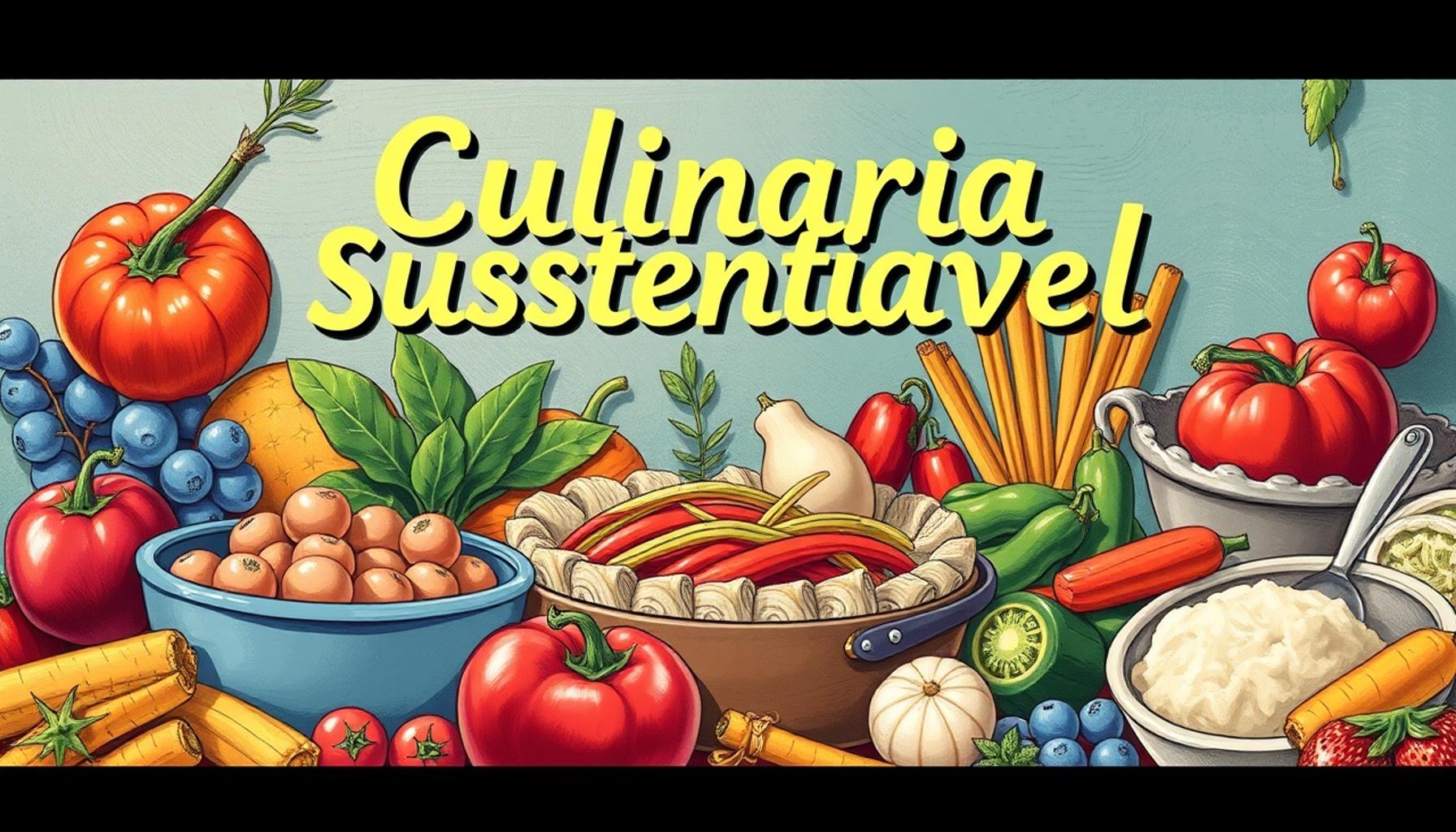
Embracing sustainable cuisine transcends mere cooking; it reflects a growing commitment to environmental stewardship and nutritional integrity. By prioritizing local and seasonal ingredients, we not only savor diverse flavors but also significantly reduce our carbon footprints and support local economies. This burgeoning movement advocates a profound connection to our food sources, encouraging a resurgence of community ties and an appreciation for agricultural practices that nourish both the people and the planet.
So, what exactly makes sustainable cuisine so compelling? A few characteristics stand out:
- Freshness: Produce that is in season possesses superior taste profiles and often richer textures, making meals more enjoyable.
- Nutritional Benefits: Consuming locally sourced food generally means eating fruits and vegetables that were harvested at their peak, maximizing health benefits and flavor.
- Environmental Impact: When we shop at local farmers’ markets or choose nearby farms, we lower the need for long-distance transportation, thereby cutting greenhouse gas emissions associated with food distribution.
As public awareness shifts towards the importance of sustainability, chefs and home cooks across the United States are experimenting with creative recipes that spotlight local bounty. This culinary movement invites diners to explore meals that are not just good for the palate but also for the planet. From innovative urban farms in cities like New York to the vast agrarian landscapes of California, the options are as varied as they are accessible.
To illustrate this idea, let’s consider some classic seasonal ingredients popular throughout the U.S.:
- Spring: Bright, tender asparagus; sweet, crisp peas; and luscious strawberries are prime examples of the vibrancy of spring produce.
- Summer: Juicy tomatoes bursting with flavor, versatile zucchini, and succulent corn join forces to create classic dishes from salads to salsas.
- Fall: The arrival of pumpkins, hearty squashes, and crisp apples marks the shift toward warmer, comforting dishes and seasonal baking.
In our upcoming sections, we will delve deeper into innovative recipes that embody the principles of sustainable cuisine. Prepare to embark on a flavorful adventure that not only tantalizes your taste buds but also celebrates the profound narratives intertwined with your food. As you explore these culinary creations, consider the larger impact each ingredient has on both your health and the health of our planet, inspiring you to make thoughtful choices in your kitchen.
DISCOVER MORE: Click here for essential craft techniques
Exploring the Foundations of Sustainable Cuisine
The concept of sustainable cuisine is deeply rooted in the idea that food choices can drive positive change within our communities and environments. By incorporating local and seasonal ingredients into our meals, we can not only enhance the culinary experience but also contribute to the sustainability of our planet’s resources. This awareness has prompted chefs, home cooks, and food enthusiasts to advocate for practices that prioritize the freshness and quality of what we consume.
One of the most compelling aspects of sustainable cuisine is its ability to take advantage of the natural cycles of the Earth. Each season offers its own unique produce, characterized by distinct flavors and textures. This alignment with the seasons allows cooks to harness the freshness of the ingredients, providing dishes that are both nutritious and delightful. For instance, consider how the robust flavors of tomatoes in summer demand to be paired with fresh basil and mozzarella for a classic Caprese salad. Alternatively, fall invites the richness of roasted root vegetables, creating a comforting medley perfect for chilly evenings.
As communities across the United States increasingly embrace this approach, a pivotal element emerges: the burgeoning network of local farms. Not only do these farms supply the freshest ingredients, but they also provide an opportunity for individuals to forge a direct relationship with their food sources. In many urban areas, farmers’ markets have become vibrant hubs for social interaction, where shoppers can meet the faces behind their food and learn about the practices that shape their offerings. This connection fosters a greater appreciation for the effort that goes into food production and encourages mindful consumption.
Furthermore, culinary creativity flourishes when chefs and home cooks utilize ingredients in alignment with their seasons. Popular ingredients with remarkable versatility can be easily incorporated into a range of dishes. Here are some seasonal treasures that shine brightly throughout the year:
- Spring: Asparagus and peas make delightful additions to risottos and salads, while strawberries can star in refreshing desserts or breakfast smoothies.
- Summer: Tomatoes, zucchini, and corn lend themselves to salsas, grilled preparations, and refreshing summer salads, showcasing their delicious and vibrant colors.
- Fall: Pumpkins, squash, and apples lend themselves beautifully to pies, soups, and hearty stews, perfect for warming up as the weather cools.
With a growing interest in sustainable cuisine, the culinary landscape is evolving. Chefs are pushing the boundaries, experimenting with creative recipes that embrace a zero-waste philosophy or incorporate unique grains and proteins that might have been overlooked in traditional fare. This revolutionary spirit nurtures an environment where innovation thrives, leading to exciting dishes that tell a story of the land and its people.
In the following sections, we will delve into specific recipes that marry sustainability with creativity. You’ll discover how to transform your local farmers’ market finds into sumptuous meals that feed both your senses and your sense of responsibility towards the environment. Join us in this celebration of seasonal cooking as we redefine what it means to eat well. The journey promises to be as rewarding as the flavors themselves.
| Category | Key Features |
|---|---|
| Environmental Impact | Utilizing local and seasonal ingredients reduces carbon footprints by minimizing transportation and storage needs. |
| Health Benefits | Fresh ingredients often mean higher nutritional value, offering vital vitamins and minerals that are preserved in seasonal produce. |
In exploring the “Sustainable Cuisine,” it’s crucial to uncover its broader implications not only for our plates but also for the planet. By emphasizing local and seasonal ingredients, we step into a culinary realm that champions sustainability. This approach to food fosters an intimate connection between consumers and local agriculture, enriching community bonds while significantly reducing the ecological toll of food production.As we savor the rich flavors of local harvests, we inadvertently support biodiversity. Seasonal cooking encourages the use of a variety of crops, thus promoting crop rotation and increasing soil health. Seasonal recipes allow chefs to innovate, using fresh produce that inspires creativity and celebrates nature’s bounty at its peak.Moreover, such cooking methods often invoke traditional practices, connecting generations through shared recipes that have been passed down. Engaging with local farmers’ markets or community-supported agriculture (CSA) initiatives creates a direct line to the source of our food and supports local economies. With each ingredient sourced sustainably, we contribute to a healthier planet as well as to our health, opening pathways to discover delicious and eco-friendly culinary possibilities.
DISCOVER MORE: Click here to dive deeper
Innovative Recipes That Celebrate Local Harvests
As we embark on this culinary adventure, the vibrant tapestry of local and seasonal ingredients presents an opportunity to engage our creativity in the kitchen. The key to sustainable cuisine lies not only in sourcing fresh produce but also in reimagining how we utilize these ingredients to create dishes that both excite the palate and honor our commitment to the environment. To start this journey, let’s explore some innovative recipes that encapsulate the essence of sustainable cooking.
Springtime Asparagus and Pea Risotto
With the arrival of spring, asparagus and peas burst onto the scene, bringing brightness and flavor to our plates. This Springtime Asparagus and Pea Risotto is a celebration of these seasonal delights. Begin by sautéing shallots in olive oil until soft, then stir in Arborio rice to toast it lightly. Gradually incorporate vegetable broth, stirring frequently until the rice absorbs the liquid. In the final minutes, fold in blanched asparagus tips and sweet peas, finishing with a handful of freshly grated Parmesan and a squeeze of lemon juice. This dish not only delivers seasonal flavor but also supports local dairy farms and produce growers.
Summer Vegetable Gazpacho
As the heat of summer approaches, the abundance of tomatoes, cucumbers, and bell peppers offers a perfect foundation for a refreshing Summer Vegetable Gazpacho. To prepare, chop your harvest into bite-sized pieces and blend with garlic, red onion, and a splash of red wine vinegar. Allow the mixture to chill in the refrigerator, enhancing the mingling of flavors. Serve it chilled, garnished with diced vegetables and a drizzle of local olive oil. This chilled soup not only serves as a nutritious option on hot days but also highlights the vibrant colors and tastes of a summer garden.
Autumn Squash and Apple Soup
As autumn unfolds, the comforting presence of squashes and apples invites heartwarming dishes. An Autumn Squash and Apple Soup captures this essence beautifully. Start by roasting butternut squash until caramelized and tender, while simultaneously simmering onions alongside sliced apples until softened. Next, combine the roasted squash with the apple-onion mixture, adding vegetable stock and a dash of cinnamon for warmth. Blend until silky smooth, and finish with a swirl of cream or coconut milk for richness. This soup is a nostalgic reminder of fall and can serve as a focal point of any seasonal gathering.
- Pairing Ideas: Consider pairing these seasonal dishes with local wines or craft beers to maximize the experience of local flavors.
- Waste Reduction: Utilize vegetable scraps and peels in your homemade vegetable broth to minimize waste and enhance flavors.
Through these creative recipes, we see how local and seasonal ingredients can transform everyday cooking into extraordinary culinary experiences. With these foundational dishes as inspiration, any cook can explore their region’s offerings, experimenting with flavors and techniques that honor the bountiful harvests available each season. The challenge lies not just in sourcing these ingredients but also in embracing the stories behind them, fostering a deeper respect and connection with our food. In the next section, we will explore how sustainable cuisine extends beyond the plate, impacting our health and environment positively.
DIVE DEEPER: Click here to discover more
Embracing the Future of Food
In summary, the movement towards sustainable cuisine reflects a growing awareness of the interconnectedness of our food systems, health, and environment. By embracing local and seasonal ingredients, we not only nourish ourselves with vibrant flavors but also support local farmers, reduce carbon footprints, and foster a more resilient food economy. The innovative recipes we explored—such as the Springtime Asparagus and Pea Risotto, Summer Vegetable Gazpacho, and Autumn Squash and Apple Soup—are just a glimpse into the myriad possibilities that seasonal cooking can offer.
Culinary exploration rooted in sustainability encourages us to seek out fresh produce at farmers’ markets, engage with our local communities, and rediscover traditional cooking methods that honor the land. By integrating creativity and imagination in our cooking practices, we can transform meals into opportunities for celebrating nature’s bounty. Moreover, it’s essential to recognize that the journey towards sustainable eating goes beyond just what’s on our plates; it challenges us to rethink our consumption patterns, minimize waste, and make conscientious choices.
As consumers in the United States and beyond, we hold the power to influence our food systems through the simple act of cooking with intention. By diving into this culinary adventure, we not only enhance our dining experiences but also contribute to the well-being of our planet and its inhabitants. Let us take this moment to reflect on our relationship with food, champion local producers, and commit to a sustainable future where our plates tell stories of respect, creativity, and community.
Related posts:
The Art of Presentation: Plating Techniques to Impress Your Guests
Molecular Cuisine: Exploring Innovative Techniques to Impress on the Plate
Sustainable Cuisine: Practices to Reduce Waste in the Kitchen
The Art of Presentation: Transforming Dishes into Works of Art
Seasonal Kitchen: Preparing Delicious Dishes with Local and Seasonal Ingredients
Sweet Creativity: Pastry Techniques for Beginners

Beatriz Johnson is a seasoned creative enthusiast and writer with a passion for simplifying the world of artistic hobbies and DIY projects. With over a decade of experience exploring various creative fields, she specializes in topics like crafting, painting, and handmade design trends. Through her work, Beatriz empowers readers to unlock their creative potential, try new artistic endeavors, and find joy and fulfillment in the ever-expanding universe of creative hobbies.