Cooking with Kids: Fun and Educational Recipes to Make Together as a Family
Engaging Young Chefs in the Kitchen
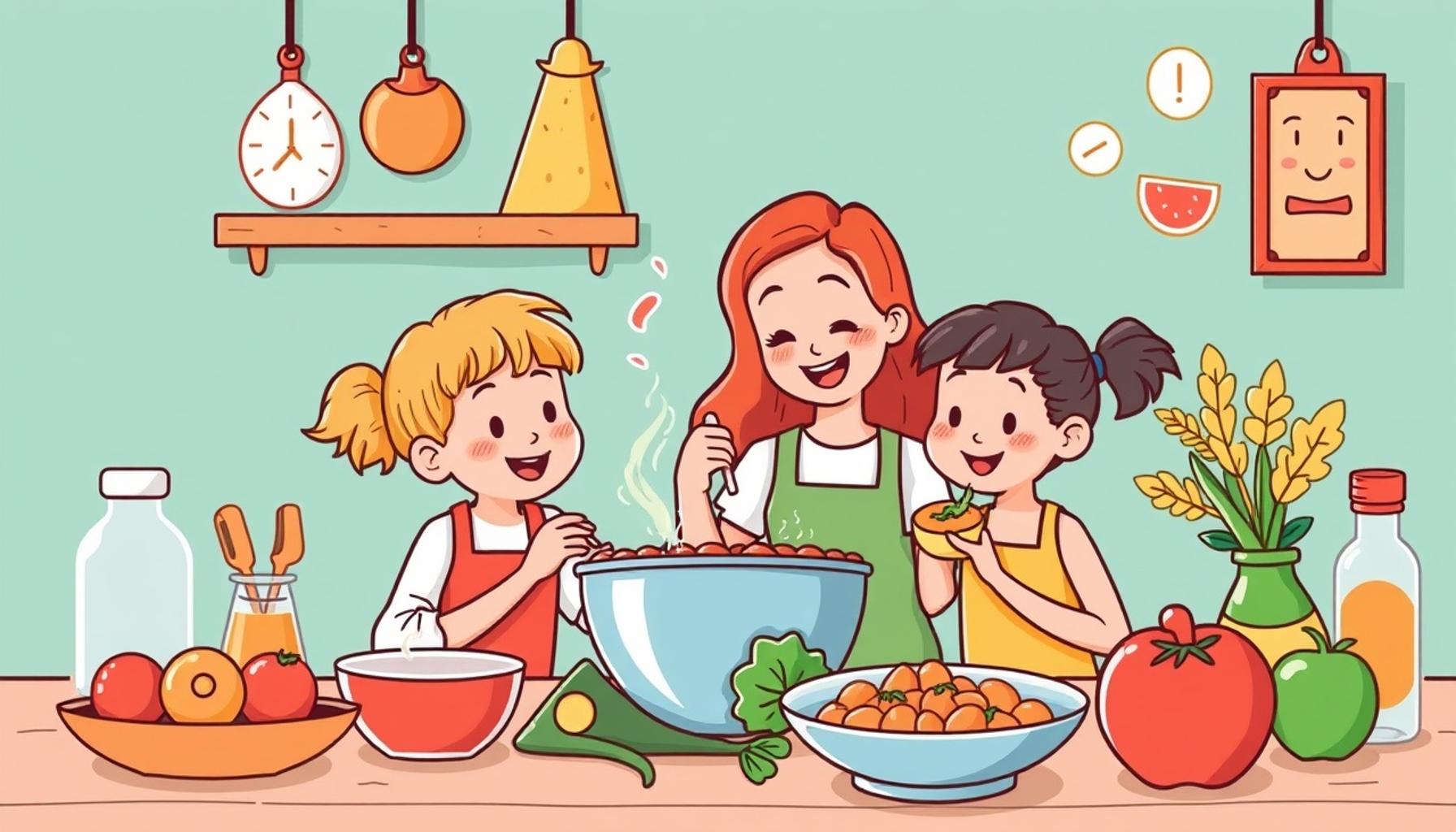
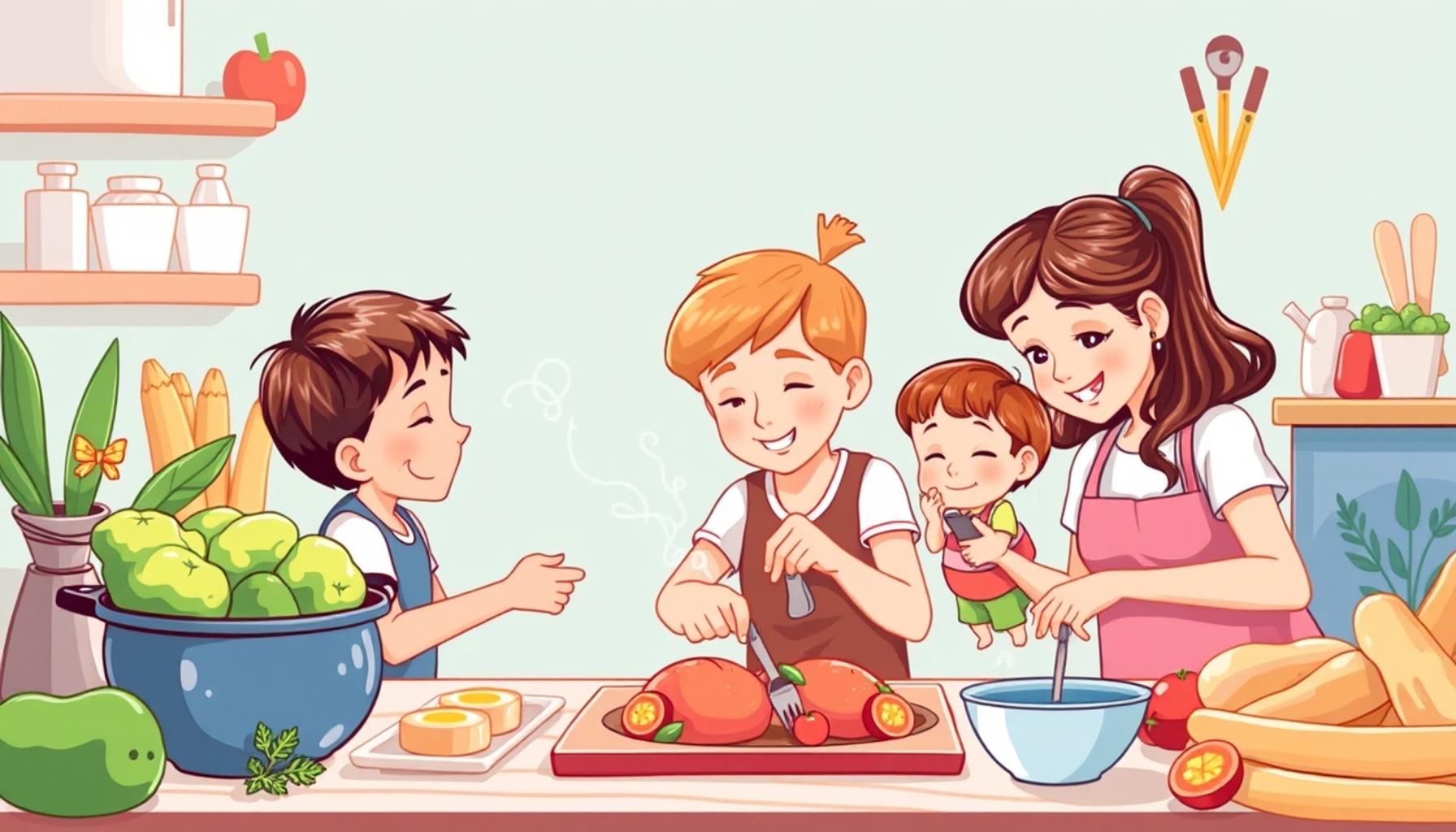
Cooking with kids is a delightful way to bond as a family while also teaching valuable skills. The kitchen becomes a vibrant classroom where children not only learn about food but also gain essential life lessons. Here’s why you should embrace this activity:
- Strengthens Family Connections: Preparing meals together encourages teamwork and communication. When families gather around the kitchen, not only do they cook, but they also share stories, laughter, and the joys of creating something together. This collective effort can build stronger familial bonds, nurtured through the shared experience of working towards a common goal.
- Educational Benefits: Kids develop math skills through measuring ingredients and enhance their reading skills by following recipes. For example, when they are tasked with measuring out two cups of flour, they practice fractions and volume, which adds a practical dimension to their learning. Additionally, as they read through recipes, they improve their vocabulary and comprehension skills, learning not just about cooking but also about reading with understanding.
- Culinary Creativity: Children explore their creativity by experimenting with flavors and combinations. Recipes like “Build-Your-Own Tacos” can inspire them to think outside the box, choosing unique toppings and flavors. They can also learn how to modify dishes to fit their tastes or dietary needs, fostering problem-solving skills.
Involving children in cooking nurtures their confidence and independence. As they master simple tasks—like chopping vegetables or mixing batter—they gain a sense of accomplishment that can translate into other areas of their lives. Moreover, children are generally more inclined to try new foods when they play a role in the cooking process. This hands-on involvement can lead to healthier eating habits, encouraging a more varied diet throughout their life.
With fun and educational recipes at your fingertips, preparing meals can become an exciting adventure. Here are some engaging activities that can turn cooking into an interactive experience:
- Themed Cooking Nights: Create meals based on different cultures or holidays. For instance, you could celebrate Italian Night by making homemade pizzas and gelato, or have a Taco Tuesday focused on Mexican cuisine.
- Gardening Together: Grow your own herbs and vegetables to use in recipes. This not only teaches kids about healthy eating and the origins of their food but also instills a sense of responsibility and achievement as they watch their plants thrive.
- Science Experiments: Explore the science of baking or how different ingredients react. For example, why baking powder makes food rise or how the temperature affects cooking times can spark curiosity and lead to questions and further explorations.
From colorful fruit pizzas to homemade pasta, the possibilities in the kitchen are endless and allow for creativity at every turn. By involving children in these culinary experiences, we not only teach them to cook but also equip them with essential life skills. Ready to transform your kitchen into a lively hub of creativity and education? Dive in and unleash the little chef within your family! Your kitchen could soon become the epicenter of fun, laughter, and learning—one delicious dish at a time.
DISCOVER MORE: Click here to explore the magic of herbs
Stirring Up Skills and Knowledge in the Kitchen
Cooking with kids can turn ordinary meal prep into a wondrous adventure filled with learning and excitement. Each recipe serves as a portal to exploring not just flavors and textures, but also fundamental concepts in math, science, and nutrition. This culinary journey allows children to gain confidence in their abilities while having fun and making lasting memories with family.
One of the best aspects of cooking with children is the opportunity for hands-on learning. Engaging them in the kitchen allows for the practical application of concepts they encounter in their education. For instance, while measuring ingredients, children can grasp the importance of precision—turning what could be a mundane activity into a useful lesson in math. Think about it: when kids measure out three tablespoons of sugar or five cups of flour, they are not just cooking; they are practicing fractions, volume, and even the basic principles of addition and subtraction.
Cooking also serves as a wonderful backdrop for science experiments. The kitchen is teeming with opportunities to discuss chemical reactions. Why does bread rise when yeast is added? What happens to vegetable fibers when they are cooked? By fostering curiosity, you create open dialog around experiments that can lead to greater understanding. Children may discover that cooking is essentially a science fair happening right on the stovetop!
Moreover, preparing meals provides an excellent opportunity to talk about nutrition and healthy eating habits. As families explore recipes together, parents can encourage children to think about the ingredients they’re using and how they affect their bodies. Teaching kids to identify fruits and vegetables, for example, can bolster their appreciation for a well-rounded diet. As they chop carrots or mix in fresh spinach, they become more aware of what goes into their bodies and can even link it to their experiences with physical activity, healthy snacks, and self-care.
Here are some wonderful ideas to turn kitchen time into a fun and educational experience:
- Colorful Fruit Pizzas: Use a whole wheat crust and top it with a variety of colorful fruits. Kids can arrange the fruit in patterns, teaching them about colors while having fun with their food!
- DIY Sushi Rolls: Introduce children to different flavors and textures by making their own sushi. They can experiment with fillings—like colorful veggies, avocado, and even cooked fish—while learning about Japanese culture.
- Homemade Pasta: Engaging in the process of making pasta from scratch not only instills patience but also teaches kids about the transformation of ingredients over time.
By including children in these types of cooking activities, families enhance their culinary skills together while embedding valuable lessons in a hospitable and interactive environment. The beauty of cooking with kids lies in its unique blend of education, creativity, and connection—where each meal can become a cherished moment in family history.
| Advantage | Details |
|---|---|
| Quality Family Time | Cooking together fosters stronger family bonds and creates lasting memories. |
| Educational Opportunities | Incorporates math, science, and reading skills through measuring, following recipes, and understanding techniques. |
| Healthy Eating Habits | Engaging children in cooking encourages better nutritional choices and knowledge about ingredients. |
| Creativity and Problem Solving | Cooking allows kids to explore their creativity and learn how to think critically when adapting recipes. |
Cooking with kids goes beyond just meal preparation; it provides an avenue for interactive learning and personal development. Each recipe not only serves as a delicious result but also incorporates elements of fun, education, and family participation, leading to a treasure trove of experiences in the kitchen.
DIVE DEEPER: Click here to discover innovative craft tools
Creating Lasting Memories and Cultural Connections
Cooking with kids not only enhances their culinary and academic skills but also serves as a profound way to foster family bonds and cultural awareness. By preparing meals together, families have the chance to share stories, traditions, and values that define their heritage. Food is inherently tied to culture—different recipes often reflect the history and experiences of a community. Introducing children to family recipes passed down through generations can ignite their curiosity about their ancestry while creating a sense of belonging.
Consider incorporating international recipes into your cooking sessions. Preparing dishes from other countries, such as tacos from Mexico, dumplings from China, or curry from India, allows kids to explore the flavors and culinary traditions of diverse cultures. As they chop, sauté, and taste, they can learn about the geography, history, and customs associated with each dish, sparking discussions that might extend beyond the kitchen table. It’s an enriching experience that prepares them to appreciate the global community they are a part of.
Furthermore, cooking can be a celebration of seasonality and sustainability. Teaching kids about where their food comes from can inspire them to make healthier and more environmentally-conscious choices. Visiting local farmers’ markets or community gardens allows children to engage with ingredients, understand the importance of seasonal produce, and even meet the farmers who cultivate their food. Recipes such as vegetable stir-fries or fruit salads can emphasize the importance of fresh, local ingredients, presenting an excellent opportunity to discuss sustainability and supporting local economies.
To make these educational experiences even more impactful, consider incorporating some simple math and science challenges into your cooking. Ask your little chefs to calculate how many half-cups make a whole cup during the recipe process. Encourage them to predict what will happen to food items as they cook, such as how long it takes for vegetables to soften when roasted at different temperatures. This approach not only makes cooking fun but also nurtures their critical thinking skills.
Here are a few engaging recipe ideas that encompass these educational themes:
- Taco Bar Night: Create a taco station with various toppings. Kids can learn to assemble their tacos and discuss the ingredients’ origins, and you can even explore some basic Spanish vocabulary related to the meal!
- Rainbow Vegetable Stir-Fry: Involve children in selecting colorful vegetables at the market or grocery store. While cooking, discuss the nutrients found in each vegetable and how they contribute to a balanced diet.
- Seasonal Fruit Salad: Encourage kids to chop seasonal fruits, emphasizing how seasonal eating can aid local farmers. Introduce them to the concept of food preservation, teaching how canning or freezing can help enjoy these fruits year-round.
By weaving education, culture, and family time into your cooking sessions, the kitchen becomes a vibrant space for growth and creativity. Each recipe not only feeds the body but also nurtures the spirit, enabling families to bond over shared experiences while cultivating a deeper understanding of the world around them.
DISCOVER MORE: Click here to discover seasonal delights
Conclusion: The Transformative Power of Cooking Together
Cooking with kids serves as a gateway to a myriad of enriching experiences that extend beyond simply preparing a meal. As families gather in the kitchen, they embark on a journey of creativity, learning, and connection. The act of cooking allows children to develop essential skills, from basic culinary techniques to fundamental concepts in math and science. As they measure ingredients or observe the transformation of their food, they gain practical knowledge that will continue to benefit them throughout their lives.
Moreover, cooking fosters strong family relationships through shared tasks and meaningful conversations. In this space, young chefs can engage with family heritage and cultural narratives, deepening their sense of identity and appreciation for diversity. By incorporating international cuisines, families can explore new flavors together, bridging cultural gaps and creating shared experiences that teach valuable lessons about acceptance and worldliness.
As you embrace cooking as a family activity, consider the broader implications of sustainability and local food systems. Discussing where food comes from and making healthy choices can inspire children to cultivate a sense of responsibility towards their health and environment. By choosing seasonal ingredients and visiting local farms, you instill an understanding of food’s journey from the earth to the table.
Ultimately, cooking with kids is much more than just a fun activity; it is a holistic approach to nurturing growth—social, emotional, and educational. Whether it’s crafting a vibrant taco bar or whipping up a colorful fruit salad, each culinary endeavor paves the way for lasting memories and critical life lessons. Dive into these shared cooking moments, and you’ll transform your kitchen into a treasure trove of discovery, learning, and love.
Related posts:
Exploring Regional Cuisine: How to Prepare Typical Dishes from Each State in the USA
Homemade Fermentation: The Guide to Producing Bread and Craft Beverages at Home
Cooking with Kids: Fun Recipes to Make with Family
Sweet Creativity: Pastry Techniques for Beginners
The Magic of Herbs: Growing and Using Fresh Herbs in Cooking
Sustainable Cuisine: Practices to Reduce Waste in the Kitchen

Beatriz Johnson is a seasoned creative enthusiast and writer with a passion for simplifying the world of artistic hobbies and DIY projects. With over a decade of experience exploring various creative fields, she specializes in topics like crafting, painting, and handmade design trends. Through her work, Beatriz empowers readers to unlock their creative potential, try new artistic endeavors, and find joy and fulfillment in the ever-expanding universe of creative hobbies.