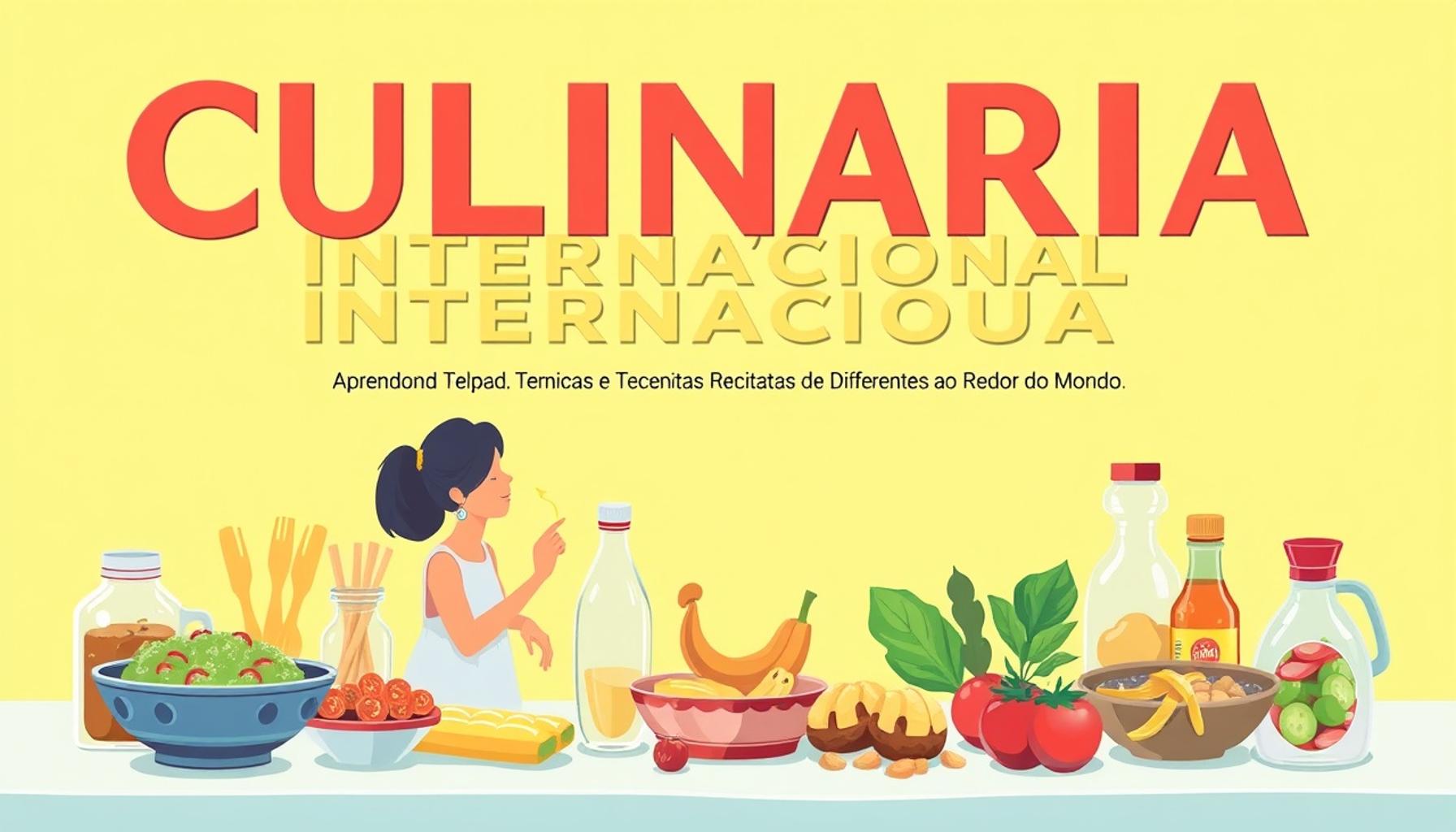
International Cuisine: Learning Techniques and Recipes from Different Cultures Around the World
Exploring Global Flavors
Food is a universal language, transcending borders and connecting cultures. Each plate offers a story, a history, and a glimpse into the traditions of its origin. By exploring international cuisine, we not only delight our taste buds but also enhance our understanding of the diverse world.
Why Learn About International Cuisine?
Delving into various culinary practices introduces us to a rich array of flavors, techniques, and philosophies. Consider this: every dish tells a story that reflects the geographical, historical, and social facets of its culture. Here are some compelling reasons to broaden your culinary horizons:
- Experience new flavors that excite your palate, such as the complex umami of Japanese miso or the fragrant spices of Moroccan tagine.
- Learn effective cooking techniques from skilled chefs worldwide, from the precision of French pastries to the grilling methods used in Korean barbecue.
- Foster cultural appreciation through meaningful recipes and shared meals, creating connections that extend beyond taste, for example, by participating in a traditional Ethiopian coffee ceremony.
A Journey Through Techniques and Recipes
From learning to master the art of sushi rolling in Japan to perfecting the intricate spices of Indian curry, each culture presents unique culinary techniques that mirror its history and geography. For instance, consider:
- Italian Cuisine: Discover the secrets of making authentic pasta, using flour and eggs to craft delightful shapes like fettuccine or tortellini, paired with homemade marinara or creamy alfredo sauces.
- Mexican Fare: Explore traditional methods of corn tortilla making, where the nixtamalization process enhances flavor and nutrition, vital for crafting tacos, enchiladas, and tamales.
- Thai Cooking: Understand the balance of flavors with fresh ingredients, incorporating sweet, sour, salty, and spicy elements to create harmonized dishes rich in aroma and taste.
These experiences empower us to recreate memorable dishes in our own kitchens, fueling a passion for cooking and sharing. For example, hosting an international dinner night where friends can enjoy dishes from around the world allows for dialogue and deeper understanding of differing cultures through cuisine.
Join us on this culinary adventure where we embrace international cuisine through the techniques and recipes that make each region unique. As you step out of your culinary comfort zone, you may uncover not only new flavors but also forge connections with cultures far and wide, all from the comfort of your kitchen.
DISCOVER MORE: Click here for insights on the reinterpretation of classics
Unveiling Culinary Techniques Across the Globe
The landscape of international cuisine is as varied as the cultures they stem from, each offering a unique approach to cooking that reflects its environment, history, and traditions. To truly appreciate global flavors, one must delve into the cooking techniques that define different culinary practices. Mastering these skills not only enriches our cooking repertoire but also allows us to connect with communities beyond our own.
Embracing the Techniques of Culinary Masters
Each culture has developed its own techniques that serve as the backbone of its signature dishes. Learning these methods can transform the way you cook at home and broaden your culinary creativity. Let’s explore a few captivating techniques from around the world:
- Chinese Stir-Frying: This method emphasizes quick cooking over high heat, preserving the freshness of the ingredients and enhancing flavors. Using a wok, chefs accelerate the cooking process, making it ideal for weeknight meals. Imagine tossing vibrant vegetables and succulent meats in soy sauce and ginger, creating a dish that is both nutritious and tantalizing.
- Middle Eastern Grilling: Grilling is integral to many Middle Eastern cuisines, where marinated kebabs or spiced vegetables are cooked over open flames. Techniques like skewering and slow-cooking allow for a rich infusion of flavors, often enhanced with aromatic spices such as cumin and coriander.
- French Pastry Crafting: The art of pastry-making in France showcases precision and technique, from the flaky layers of a croissant to the delicate balance of pastry cream in éclairs. Techniques like laminating dough and tempering chocolate are essential skills for aspiring bakers, highlighting the intersection of art and science in the culinary world.
By experimenting with these internationally recognized techniques, home cooks can elevate their dishes while gaining insight into the cultural significance each method carries. Furthermore, incorporating these practices into your cooking embraces a holistic approach to international cuisine. For instance, making your own pasta from scratch using Italian techniques could spark curiosity about regional variations across Italy, enhancing your culinary journey.
As you dive into these techniques, consider inviting friends over for a cooking class focused on a specific culture. Whether it’s a Thai night featuring pad Thai or a Moroccan evening with tagines and couscous, these gatherings foster community and understanding through shared experiences in cooking and eating.
The journey of learning about international cuisine begins with an open mind and a willingness to explore. With each dish you create, you’re not just serving a meal; you are connecting with a rich tapestry of cultures, each thread tied together by the universal love of food.
| Culinary Techniques | Cultural Significance |
|---|---|
| Sautéing and Stir-Frying | These rapid cooking methods are vital in Asian cuisine, preserving the color and nutrients of vegetables. |
| Baking and Braising | Commonly used in European culinary traditions, these techniques provide depth of flavor in dishes. |
| Grilling and Barbecuing | Essential in South American and African cultures, these methods impart distinct smoky flavors. |
| Fermentation | Key in Korean and Japanese cuisines, fermentation enhances umami and preserves food. |
The exploration of international cuisine reveals not only a myriad of flavors but also a rich tapestry of cultural practices. Each cooking technique reflects the unique history, geography, and artistry of its origin. For instance, the art of sautéing and stir-frying popular in Chinese cuisine emphasizes the importance of fresh ingredients, while baking in European settings showcases the influence of climate and resource availability on food preparation.Moreover, grilling and barbecuing illustrate communal eating traditions in South America and Africa, festivals where food becomes a bonding experience. Fermentation, celebrated in Korean dishes like kimchi and Japanese miso, represents a significant cultural element, enhancing taste and showcasing food preservation methods passed down through generations. By diving into these culinary techniques, learners can appreciate the historical context and collective memories that shape diverse cuisines around the world. Understanding these aspects allows one to connect not just with international flavors but also with the stories behind them, making food a true vehicle of cultural exchange.
DIVE DEEPER: Click here to uncover more about crafting captivating narratives
Exploring Recipes that Tell a Story
Beyond techniques, recipes serve as a narrative thread connecting diners to their cultural origins. Each dish tells a story, intimately linked to the people who crafted it and the environment in which it was created. By embracing these recipes, we not only gain culinary skills but also experience a spiritual journey through the flavors and traditions of various cultures.
Signature Dishes that Embrace Cultural Identity
Every culture has signature dishes that encapsulate its history, landscape, and social fabric. Here are some exemplary recipes that reflect their cultural significance:
- Thai Green Curry: This vibrant dish showcases the balance of flavors central to Thai cuisine. Made with a blend of fresh herbs and spices, coconut milk, and your choice of protein or vegetables, green curry signifies the region’s agriculture and communal dining customs. Experimenting with this dish offers insight into the importance of fresh ingredients in Thai cooking.
- Indian Biryani: Biryani is a cherished dish in India, representing a fusion of Persian and Indian cooking techniques. Each region has its own take, infused with local spices and seasonal ingredients. The labor-intensive process of layering marinated meat and vegetables with fragrant basmati rice makes it a dish reserved for celebrations, inviting all to come together.
- Mexican Mole Sauce: Mole epitomizes Mexican culinary artistry and complexity. Rich in flavors and aromas, the sauce is composed of various ingredients, including chiles, chocolate, and spices. Each family often has their unique recipe, passed down through generations, enriching the dish with personal history and family lore. Preparing mole can spark conversations about cultural traditions and the importance of community.
When you attempt these recipes, remember they are more than just instructions—they embody centuries of tradition. For example, while preparing Indian Biryani, reflect on how the dish evolved as it traveled through trade routes, absorbing flavors along the way. Such mindfulness not only enhances your cooking experience but also solidifies a deeper connection to your dish and its origins.
As you explore these international recipes, consider hosting themed dinners. These gatherings allow participants to taste a curated menu while sharing stories, further extending the reach of culinary adventures. Pairing flavors from various regions, like a Thai twist to an Italian pasta dish, can lead to new culinary innovations while still honoring traditional roots.
Additionally, many cultures celebrate food in their festivals, making it worthwhile to explore recipes associated with such occasions. From the Italian Feast of Seven Fishes on Christmas Eve to the Chinese dumplings that herald the Lunar New Year, these recipes take on special meaning during celebrations, offering insight into communal practices and the importance of food in connecting with heritage.
Ultimately, the realm of international cuisine is a vast tapestry, woven from threads of history, tradition, and innovation. As you dive into the recipes from various cultures, not only will you develop your culinary skills, but you’ll also foster appreciation for the diverse narratives that shape our world, one plate at a time.
DIVE DEEPER: Click here to discover the connection between music and dance
Conclusion: A Culinary Expedition Across Cultures
In a world rich with flavors and culinary artistry, international cuisine serves as a gateway to understanding the stories, traditions, and innovations of various cultures. Each dish is a reflection of the history and heritage of its people, inviting us to journey beyond our geographical boundaries right from our kitchens. By immersing ourselves in the techniques and recipes of global cuisines, we not only sharpen our cooking skills but also develop a profound appreciation for the diverse narratives each meal carries.
As we delve into the culinary practices of others, we are challenged to open our minds and palates, allowing for a fusion of flavors and a blending of traditions. Preparing dishes such as Thai Green Curry, Indian Biryani, or Mexican Mole Sauce provides not just a tasty experience but also an educational one, teaching us the importance of ingredients, rituals, and communal connections surrounding food.
Moreover, as food continues to bridge cultural gaps, engagement in the culinary arts acts as a communal bond, whether through themed dinner parties or sharing festive recipes from different cultures. These interactions enrich our understanding of both food and the world around us, reminding us of our shared humanity. As you embark on this culinary journey, take a moment to celebrate the flavors and stories that shape our global community. Explore, create, and cherish the exquisite tapestry that is our international culinary heritage, one recipe at a time.
Related posts:
Molecular Cuisine: Exploring Innovative Techniques to Impress on the Plate
Cooking with Kids: Fun Recipes to Make with Family
Seasonal Kitchen: Preparing Delicious Dishes with Local and Seasonal Ingredients
Sustainable Cuisine: Practices to Reduce Waste in the Kitchen
Comfort Food: Creative Recipes that Warm the Heart on Cold Days
The Magic of Herbs: Growing and Using Fresh Herbs in Cooking

Beatriz Johnson is a seasoned creative enthusiast and writer with a passion for simplifying the world of artistic hobbies and DIY projects. With over a decade of experience exploring various creative fields, she specializes in topics like crafting, painting, and handmade design trends. Through her work, Beatriz empowers readers to unlock their creative potential, try new artistic endeavors, and find joy and fulfillment in the ever-expanding universe of creative hobbies.