Exploring the Role of Improvisation in Music as a Form of Artistic Creation
The Essence of Musical Improvisation
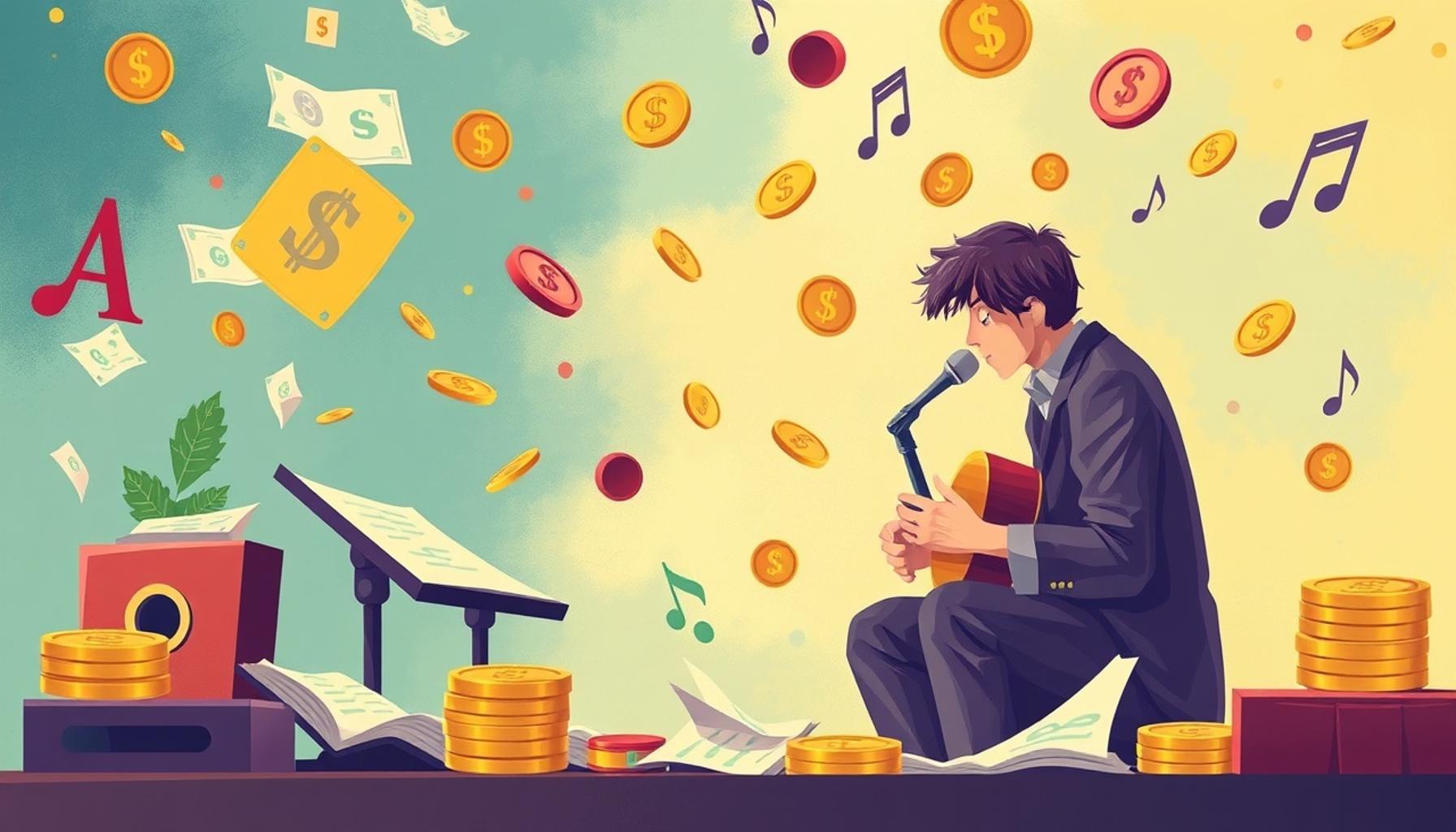
Improvisation in music is an integral part of the artistic process, allowing musicians to break free from the constraints of written scores. It embodies a form of spontaneous creativity, where the performer expresses emotions and ideas in real-time, creating a unique auditory experience every time. This spontaneous approach to music creation results in performances that are dynamic and ever-changing, with every note contributing to a rich tapestry of sound.
The concept of spontaneity is foundational to improvisation. For instance, in jazz music, players often take turns playing solos that may diverge dramatically from the original composition. They respond intuitively to each other, resulting in exhilarating musical conversations. Iconic performances by artists such as John Coltrane illustrate the power of spontaneity in jazz, where melodies morph and evolve as musicians react to the energy in the room and each other’s playing.
Collaboration also plays a crucial role in improvisational music. When musicians come together, they form a collective experience—each contributing individual interpretations and styles. This collaboration can take various forms, from small jazz ensembles to large orchestras engaging in improvisational segments. For example, in the world of rock, bands like The Grateful Dead became renowned for their improvisational jams during live performances, often extending songs far beyond their original length as band members fed off each other’s creativity, merging their sounds in an unpredictable fashion.
Adaptation is another key element inherent in improvisation. Musicians are constantly adjusting their performance based on a variety of factors, including audience reactions, venue acoustics, or even the mood they wish to convey. This adaptability allows for a deeper connection with the audience, where moments of improvisation can evoke powerful emotions, shifting from joy to melancholy in an instant. Think of Bob Dylan, who often alters his songs during live shows, reinterpreting lyrics and melodies to match his artistic vision at that moment.
Throughout the United States, the impact of improvisation spans genres such as jazz, rock, folk, and hip-hop, showcasing its versatility and significance. Noteworthy artists like Herbie Hancock and Jimi Hendrix have used improvisation to not only push the boundaries of their respective genres but also to craft legendary musical moments that resonate with audiences long after the performance ends.
This exploration into the role of improvisation reveals the profound influence it has on artistic creativity. Whether facilitating emotional expression or fostering collaboration among musicians, improvisation serves as a transformative pillar of the musical experience, encouraging both performers and audiences to engage with the unpredictable nature of live music. As we delve deeper into this intricate art form, we find that the beauty of improvisation lies in its ability to turn each performance into a unique narrative, inviting listeners to be part of the musical journey.
DISCOVER: Click here to uncover the mental health benefits of crafting
The Dynamics of Improvisation in Various Genres
Improvisation serves as a powerful vehicle for artistic creation across a multitude of musical genres. From jazz to rock, blues to hip-hop, each style offers its own unique approach to spontaneous musical expression, demonstrating the versatility and impact of improvisation in shaping artistic direction. Understanding this multifaceted role can uncover deeper layers of emotional connection and creativity that might otherwise remain hidden within structured compositions.
Jazz: The Heartbeat of Spontaneity
Among the various music genres, jazz stands as a vivid testament to the essence of improvisation. Since its inception in the early 20th century, jazz has relied on this practice to fuel its innovation. Musicians such as Louis Armstrong and Duke Ellington utilized improvisation not only as a means of personal expression but as a way to forge new paths within the genre. The freedom to alter melodies, experiment with harmonies, and incorporate unique rhythms allowed jazz artists to craft some of the most iconic compositions in music history.
Moreover, improvisation in jazz is not simply a solo affair. It engages the entire ensemble in a collaborative dance of sound. Each musician listens intently to their counterparts, building off each other’s lines and breathing life into the music. This interactive experience creates a sense of urgency and excitement, generating performances that can vary drastically from one night to the next. Jazz sessions at venues such as the Village Vanguard in New York City are often characterized by unexpected twists and turns, showcasing the raw energy that spontaneity brings to the performance.
Rock: Expanding Boundaries in Live Performances
With roots deep in both blues and folk traditions, rock music has adopted improvisation as an essential element of its live performances. Bands like Phish and The Allman Brothers Band have become synonymous with lengthy jam sessions, where musicians indulge in extensive improvisational solos. These performances not only dazzle concertgoers but also create a palpable bond between musicians and their audience, as the latter becomes an active participant in the unfolding musical narrative.
- Extended Solos: Members experiment with their instruments, often transforming familiar tunes into epic soundscapes.
- Musical Conversations: Guitarists, drummers, and keyboardists engage in a playful dialogue, swapping leads and responding to cues.
- Fluid Setlists: Setlists may change from show to show, relying heavily on the mood and vibe of the moment, further embracing the unpredictable magic of improvisation.
Hip-Hop: Crafting Rhythmic Narratives
In the realm of hip-hop, improvisation bridges the gap between written verses and the spontaneous delivery of a live performance. Freestyling, a popular technique among rappers, offers artists the chance to showcase their lyrical prowess and adaptability. Iconic figures such as Nas and Eminem have made their marks through their ability to compose clever rhymes on the spot, captivating audiences with their rapid-fire delivery and intricate wordplay. This form of expression is not just about lyricism but also embodies a form of artistic commentary, as artists often weave social issues and personal stories within their spontaneous verses.
Through exploring the intersection of improvisation within these various genres, it becomes evident how this practice enhances the artistry of music. Each performance becomes a living entity, a shared experience that evolves with the environment, the audience, and the musicians themselves. As we continue to investigate the significant role of improvisation in music, it is crucial to recognize its power to transform merely notes on a page into a vibrant and expressive art form that resonates deeply with listeners.
Exploring the Depths of Musical Improvisation
Improvisation serves as a vibrant catalyst in the realm of music, transforming the way artists express their creativity and connect with audiences. At its core, improvisation involves spontaneous creation, allowing musicians to transcend pre-composed structures and delve into a more instinctual form of artistic expression. This process not only enhances a performer’s skill set but also nurtures their ability to convey emotion and narrative through sound. Notably, renowned jazz musicians often rely on improvisation to create complex soundscapes that resonate deeply with listeners, revealing a profound connection between artist and audience.One compelling aspect of musical improvisation is its ability to foster community and collaboration. When musicians improvise together, they engage in a shared dialogue, often leading to unexpected harmonies and rhythms that might never emerge in a structured setting. This dynamic interplay encourages artists to step out of their comfort zones, embrace risk, and explore the uncharted territories of their musical capabilities. Each performance becomes a unique experience, rich with the potential for innovation and discovery, captivating both the performers and the audience.Moreover, improvisation can significantly enhance cognitive and emotional development. Research suggests that engaging in improvisational practices can improve problem-solving skills and emotional intelligence, as musicians learn to navigate complex musical landscapes while remaining attuned to the emotions of their peers. This adaptability and responsiveness translate into broader life skills, proving that the benefits of musical improvisation extend far beyond the stage.In diverse genres such as classical, rock, and blues, the role of improvisation continues to evolve, driven by cultural influences and technological advancements. Each genre adds its distinct flair to improvisational practices, with musicians constantly redefining what it means to create art in the moment. The richness of this exploration invites audiences to not only experience music differently but also appreciate the artistry behind spontaneous creation.As we delve deeper into the layers of improvisation in music, we uncover not just a technique, but a profound form of artistic creation that challenges traditional boundaries. Musicians who embrace this art form are on a journey of endless possibilities, constantly pushing the envelope to find new ways of expressing their identity and creativity through sound.
DIVE DEEPER: Click here to discover the art of creative non-fiction
The Cross-Genre Influence of Improvisation on Artistic Expression
As improvisation finds its footing in various genres, it also thrives in experimental realms where boundaries blur and traditional definitions of music expand. Genres such as electronic music, contemporary classical, and world music reflect innovative approaches to improvisational techniques, showcasing the universal language of creativity. Engaging with these genres allows listeners to experience how improvisation transcends cultural contexts, turning spontaneous musical moments into a global phenomenon.
Electronic Music: The Playground of Technology
In the world of electronic music, improvisation serves as a tool for artistic exploration, leveraging technology to create spontaneous soundscapes. Artists like Aphex Twin and Kraftwerk integrate unscripted elements into their live performances, using synthesizers, looping machines, and software to manipulate sound in real time. The act of live remixing becomes a form of improvisation that captures the spirit of the moment, allowing performers to respond dynamically to the audience’s energy.
Moreover, the advent of digital audio workstations (DAWs) has opened new avenues for artists to experiment with improvisation in the studio. Musicians can layer spontaneous recordings, edit them fluidly, and blend genres that would have traditionally been separate. This cross-pollination results in genre-defying works that push the boundaries of what music can represent. The collaboration between electronic artists such as Flying Lotus and traditional jazz musicians illustrates how improvisation can create powerful connections across disparate musical forms, leading to groundbreaking compositions.
Contemporary Classical: Breaking the Mold
In the sphere of contemporary classical music, improvisation has emerged as a radical departure from the structured compositions of the past. Composers like John Cage and Morton Feldman have integrated improvisational elements into their works, challenging conventional notions of performance. This openness encourages musicians to interpret scores with flexibility, allowing for a personal touch that expands the emotional depth of the music.
Additionally, the modern classical ensemble often incorporates improvisation within the context of their performances, suggesting that the music is alive and constantly evolving. Musicians frequently communicate through subtle cues, fostering a collaborative environment where each performance becomes a unique creation. This approach not only rejuvenates classical music but also elevates the role of the musician from mere performer to creative artist.
World Music: Cultural Synthesis Through Spontaneity
Improvisation also plays a pivotal role within various world music traditions, where different cultural elements converge to create rich auditory experiences. From the Qawwalis of South Asia, where vocalists engage in improvisational call-and-response exchanges, to the spontaneous drumming techniques of West African rhythms, musicians harness improvisation as a means of storytelling and connection.
Artists like Ali Akbar Khan demonstrate how improvisation in classical Indian music, known as ragas, allows for profound personal expression within a defined framework, showcasing melodies and rhythms in unique ways. This emphasis on the individual’s interpretation within a cultural context illustrates improvisation’s power to reflect both personal and collective identities.
As we delve deeper into the multifarious landscape of musical improvisation, it becomes increasingly clear how this practice enriches the art of music. It acts as a catalyst for creative transformation, resulting in performances that resonate with diverse audiences while forging connections across cultural divides. Each instance of improvisation emphasizes the rich tapestry of human experience, where creativity blooms unrestricted, allowing musical expression to flourish in harmonious complexity.
DISCOVER MORE: Click here to get inspired with fun family recipes
Conclusion: The Boundless Possibilities of Musical Improvisation
In the exploration of improvisation in music as a powerful form of artistic creation, we uncover a vibrant, fluid landscape where genres intersect, and cultural narratives unfold in real time. From the improvisational spirit evident in electronic music to the spontaneous exchanges found in traditional world music, we see how artists across the globe utilize improvisation to challenge conventions and express their unique voices. This spontaneity not only enhances the emotional depth of performances but also emphasizes the musician’s role as an active creator rather than a mere reproducer of composed notes.
Moreover, the incorporation of improvisational elements into contemporary classical music reflects a broader shift towards flexibility and personal expression. By encouraging artists to interpret the music in their distinctive styles, improvisation becomes a medium for both individuality and collective storytelling. As musicians engage dynamically with their audiences, they create a shared experience that transcends cultural boundaries.
The significance of musical improvisation extends beyond mere performance; it stems from a deep-rooted human desire for connection and authenticity. As listeners, we are invited to experience the beauty of the unplanned, where each performance becomes a unique tapestry woven from a moment in time. As the exploration of improvisation continues to evolve, we are encouraged to not only appreciate the art of music but to participate in its creation, fostering a richer understanding of our diverse human experiences through the universal language of sound.
Related posts:
The Influence of Digital Art on Modern Artistic Creation
The Performative in Art: The Creation of Interactive Experiences as a Form of Expression
The Intersection between Painting and Literature: How Visual Arts Inspire Written Narratives
The Art of Sewing: Transforming Fabric into Artistic Creation
The Evolution of Pottery as a Form of Artistic Expression
The Role of Digital Art in Redefining the Boundaries of Traditional Creation

Beatriz Johnson is a seasoned creative enthusiast and writer with a passion for simplifying the world of artistic hobbies and DIY projects. With over a decade of experience exploring various creative fields, she specializes in topics like crafting, painting, and handmade design trends. Through her work, Beatriz empowers readers to unlock their creative potential, try new artistic endeavors, and find joy and fulfillment in the ever-expanding universe of creative hobbies.