The Magic of Paper Sculpture: Transforming Paper into Works of Art
The Allure of Paper Sculpture
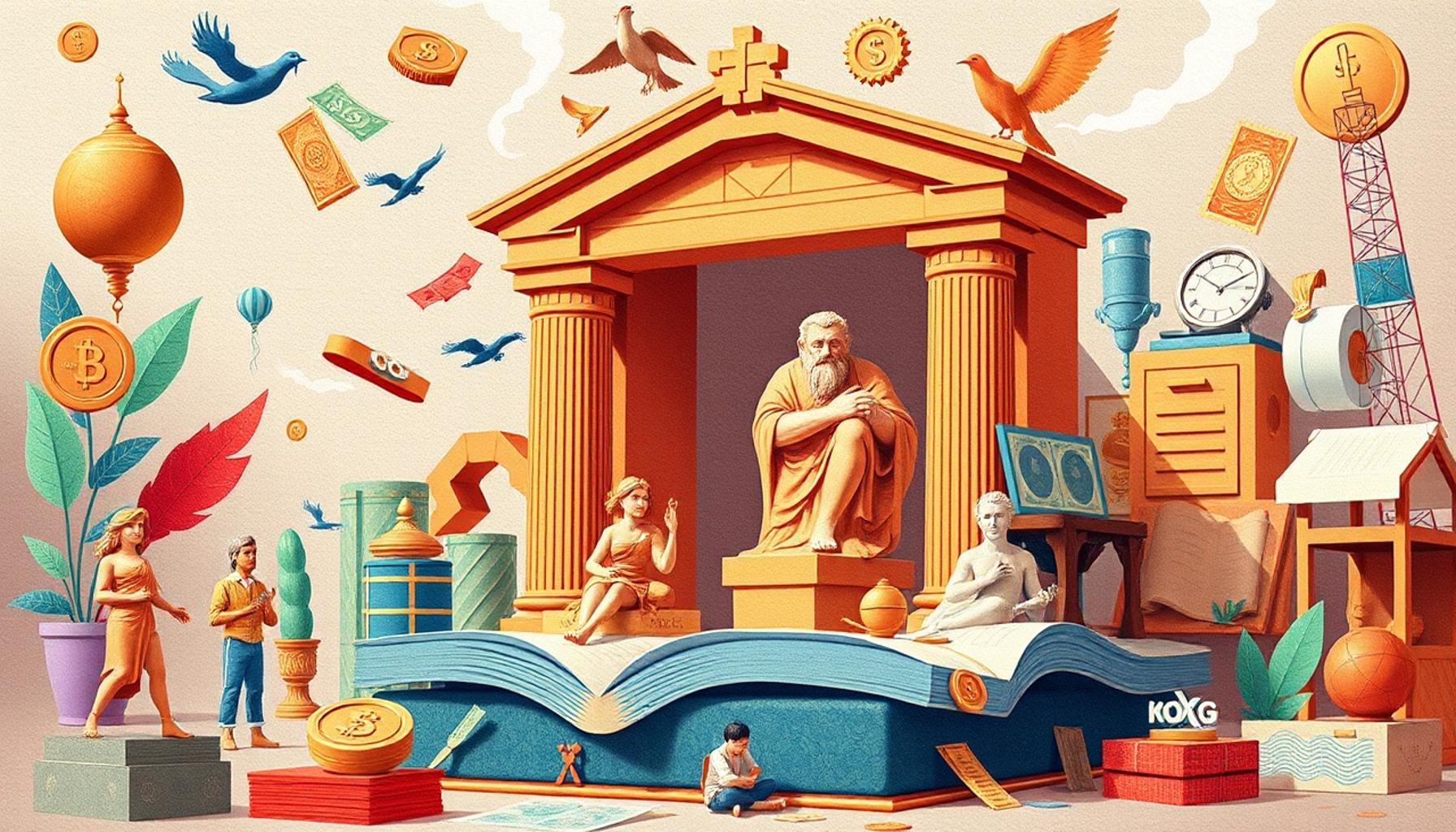
Paper sculpture captivates the imagination by creating stunning three-dimensional art from seemingly simple materials. This unique form of artistry has gained popularity worldwide, particularly in the United States, where creativity meets tradition. With just a piece of paper, artists can transform the ordinary into the extraordinary, crafting everything from delicate flowers to intricate architectural models.
But what makes paper sculpture so enchanting? Here are several key features that highlight its appeal:
- Versatility: Artists can use various types of paper—such as cardstock, origami, or handmade paper—to achieve different effects, each contributing unique texture, color, and durability to the art piece. For example, delicate tissue paper can create soft, ethereal designs, while thicker paper can provide structural integrity for larger installations.
- Accessibility: Paper is readily available, allowing budding artists to experiment without significant investment. Unlike many other art forms that require expensive materials or extensive training, paper sculpture can be a low-barrier entry point for those new to art. Many schools and community organizations offer workshops where individuals can learn the basics of this craft.
- Complexity: From intricate lace designs to large-scale installations, paper sculptures can range from simple to elaborately detailed. Artists like Kumi Yamashita have gained recognition for their breathtaking ability to create dynamic light and shadow effects using layered paper cutouts, leading to awe-inspiring three-dimensional displays.
Many artists harness the power of paper to evoke emotions, tell stories, or comment on societal issues. For instance, the work of renowned paper sculptor Peter Callesen combines art and storytelling through delicate cutouts that challenge perceptions and inspire reflection. His shadowy figures often emerge from a single sheet of paper and speak to deeper themes of existence and fragility, encouraging viewers to appreciate the beauty and potential of everyday materials.
In recent years, the rise of social media platforms like Instagram has allowed paper sculptors to showcase their work to a broader audience, igniting interest and inspiration across the globe. Many artists now share tutorials, making the art form even more accessible to aspiring creators. Additionally, competitions and exhibitions dedicated to paper sculpture have begun to pop up, further solidifying its place in the contemporary art scene.
As this art form continues to evolve, it invites observers and creators alike to explore the limits of their imagination. By merging creativity with craftsmanship, paper sculpture opens the door to new possibilities in art. Join us in discovering how ordinary sheets of paper can be crafted into breathtaking works of art that truly capture the magic of this captivating medium.
DIVE DEEPER: Click here to unlock creative recycling ideas
The Artistry Behind Paper Sculpture
At its core, paper sculpture is a delicate balance of technique and imagination. Artists utilize a variety of methods to transform flat sheets into vibrant, three-dimensional art. Techniques such as origami, quilling, and papercuts showcase the intricacies involved in this art form. Each technique requires not only a profound understanding of paper’s properties but also an innovative approach to design and execution.
Origami, the ancient Japanese art of paper folding, exemplifies how paper can be manipulated to create dynamic forms and figures, often resembling animals, flowers, and complex geometric structures. Master artists like Robert J. Lang, who has transitioned origami from mere craft to a respected art form, use advanced mathematics to develop intricate patterns that yield stunning visual outcomes. His work highlights how fundamental concepts in geometry can foster creativity, enticing aspiring artists to embrace the mathematical side of their creations.
Quilling is another fascinating technique that involves rolling and shaping strips of paper to create decorative designs. This process, which dates back to the Renaissance, has enjoyed a resurgence in popularity, especially in the United States, where artists and crafters have reinterpreted the ancient method to craft everything from greeting cards to elaborate wall art. Artists like Yulia Leonovich showcase breathtaking pieces that intricately weave together quilled shapes, demonstrating the beauty of precision and patience in paper art.
Moreover, papercutting involves cutting patterns into paper to create detailed images. This technique can yield both minimalistic designs as well as intricate scenes that come alive when illuminated from behind. Non-traditional artists such as Cuthbertson Craft have expanded the boundaries of this craft by incorporating technology, often integrating LED lighting into their installations to produce mesmerizing shadow effects. These innovative approaches make paper sculpture not only a visual delight but also an interactive experience.
The transformation of paper into art is not merely about the techniques employed but also about the narratives conveyed through the sculptures. Each piece has the potential to tell a story or provoke thought, encouraging viewers to ponder the world around them. Many artists use their platforms to address important social issues, utilizing paper as a medium to raise awareness through their work. For instance, the paper sculptures of Ben Heine comment on themes of sustainability and environmental awareness, inviting the audience to consider the impact of their consumption habits.
As inspirations soar and techniques expand, the realm of paper sculpture continues to push artistic boundaries. Artists are increasingly forging new paths, blending traditional craftsmanship with modern technology to create unprecedented works of art. The accessibility of this medium invites individuals from all walks of life to experiment, learn, and contribute to the ongoing evolution of paper sculpture. Whether a seasoned artist or a curious beginner, the magic of paper invites creativity to unfold in a uniquely enchanting way.
The Fascinating World of Paper Sculpture Techniques
When diving into the realm of paper sculpture, one quickly discovers the variety of techniques that artists employ to turn simple sheets of paper into breathtaking works of art. Among these techniques, kirigami and quilling stand out. Kirigami, a form of cutting paper, involves intricate designs that enhance the dimensionality of the artwork, creating an impressive interplay of light and shadow. On the other hand, quilling transforms strips of paper into delicate spirals and shapes, allowing artists to construct stunning, layered designs that pop with color and texture.Moreover, paper-mâché deserves special mention for its versatility. This method involves combining paper with adhesives or paste, allowing artists to craft three-dimensional forms that can be both lightweight and robust. The result is an array of tangible creations that can range from intricate figurines to large-scale installations, promoting an interaction that transcends mere visual appreciation.As with any art form, the tools and materials used can significantly influence the outcome. Artists often experiment with various papers, from recycled newsprint to luxurious handmade varieties, each bringing unique properties to the table. It’s not just about the technique but also the inspiration drawn from the physical texture and aesthetic qualities of the materials employed.
Advantages of Paper Sculpture
| Category | Advantages |
|---|---|
| Creativity | Paper sculpture encourages unbounded imagination, enabling artists to explore complex forms and designs. |
| Accessibility | With minimal tools and materials required, anyone can start creating beautiful pieces of art using paper, regardless of their background. |
The opportunities within paper sculpture are vast, allowing individuals to engage in a fulfilling artistic journey that fosters both skill and passion. Such a dynamic medium not only cultivates creativity but also offers an accessible entry point for aspiring artists, ensuring the continued evolution of this enchanting art form.
DIVE DEEPER: Click here to discover how music tells stories
Innovative Uses of Paper Sculpture in Contemporary Art
As the world of paper sculpture continues to flourish, artists are exploring innovative applications that transcend traditional boundaries. One remarkable trend is the integration of paper sculptures into larger installations, often combining multimedia elements and engaging viewers on multiple sensory levels. This fusion not only amplifies the visual impact of sculptural work but also enhances the storytelling aspect, allowing the audience to step inside the narrative woven by the artist.
For example, contemporary artist Elena Shumilova utilizes paper sculptures in her stunning photography projects. By incorporating meticulous paper-crafted elements in outdoor scenes, she creates immersive worlds that blur the line between reality and fantasy. Shumilova’s work invites viewers to delve into the story behind each piece, stimulating imaginative interpretations and a deeper connection with nature. Such interdisciplinary approaches redefine how paper can serve not only as a standalone medium but also as a collaborative force in the arts.
The rise of social media platforms has also played a pivotal role in the transformation of paper sculpture. Artists can easily share their creations with vast audiences, gaining recognition and inspiring others to explore this art form. One example is Maude White, whose intricate paper cuttings have captivated thousands online. Her delicate yet powerful pieces often reflect themes of resilience and hope. By harnessing the power of platforms such as Instagram and Pinterest, White encourages aspiring artists from across the globe to practice their skills with tutorials and workshops, cultivating a vibrant community dedicated to the craft.
In addition to individual expression, many artists have utilized paper sculpture as a means of activism and education. Events such as World Fair Trade Day showcase the potential for paper art to address social justice issues. Artists collaborate with artisans from marginalized communities, creating paper sculptures that not only highlight ethical practices but also shed light on stories that might otherwise go unheard. These projects help bridge gaps between cultures while promoting sustainability and fair trade practices.
Beauty and awareness converge in the work of artists like Gillian Fiddes, who constructs elaborate paper sculptures while making statements about ecological fragility. Her collection “Let the Trees Speak” speaks to the impact of deforestation and invites viewers to engage actively with the issue. By presenting an artistic reflection of our environment, Fiddes’ work encourages conversations about preserving the natural world without losing the elegance of human creativity.
The Crafting Community and Workshops
With an ever-expanding interest in paper sculpture, the crafting community in the United States has experienced a renaissance. Numerous workshops and classes are emerging in cities across the nation, allowing enthusiasts of all skill levels to refine their technique and share ideas. This fostering of collaboration is crucial as it infuses local communities with creativity while providing a supportive network for aspiring artists.
Moreover, organizations such as the American Craft Council are taking initiatives to promote the study and appreciation of paper art through exhibitions and outreach programs. These platforms give artists a chance to showcase their work while educating attendees about the history, significance, and contemporary forms of paper sculpture, ensuring that the magic of this medium will resonate for generations to come.
As these examples illustrate, the world of paper sculpture is far from static; rather, it is a continuously evolving interplay of tradition and innovation that invites everyone to partake in its charm. Whether through digital connections or community engagement, the reach of paper sculpture is expanding, beckoning enthusiasts to explore the infinite possibilities of transforming paper into captivating works of art.
DIVE DEEPER: Click here to discover the richness of musical genres
Conclusion: The Enduring Allure of Paper Sculpture
The world of paper sculpture stands as a testament to the boundless creativity and resourcefulness inherent in human expression. From ancient traditions to modern innovations, this art form continues to evolve, revealing its capacity to engage, educate, and inspire. As showcased through the works of contemporary artists who blend visual storytelling with social advocacy, paper sculpture transcends mere aesthetics, becoming a vehicle for dialogue and awareness of pressing issues such as environmental sustainability and cultural representation.
As the crafting community in the United States embraces this art form through workshops and collaborative projects, the magic of paper sculpture is democratized, inviting enthusiasts from all walks of life to partake in its beauty. The rise of digital platforms allows for a global sharing of knowledge and techniques, amplifying the outreach of artists and crafting a vibrant network of creators who share a common passion. This interconnectedness fosters not just skill development but a larger appreciation for the intricacies and histories behind paper art, further solidifying its importance in contemporary society.
In conclusion, the evolving landscape of paper sculpture presents a rich tapestry of possibilities waiting to be explored. It invites each of us to rediscover the humble sheet of paper and encourages the artist within to take flight. As you delve into the world of paper artistry, whether through creating your own pieces or supporting those who do, you become part of a legacy that celebrates imagination and commitment to craftsmanship, ensuring that the magic of paper sculpture endures for generations to come.
Related posts:
The Role of Digital Art in Redefining the Boundaries of Traditional Creation
The Art of Collage: Mixing Visual Elements to Create Unique Narratives
The Art of Sewing: Transforming Fabric into Artistic Creation
The Intersection of Art and Nature: Creating Sustainable Works with Natural Materials
The Influence of Digital Art on Modern Artistic Creation
The Performative in Art: The Creation of Interactive Experiences as a Form of Expression

Beatriz Johnson is a seasoned creative enthusiast and writer with a passion for simplifying the world of artistic hobbies and DIY projects. With over a decade of experience exploring various creative fields, she specializes in topics like crafting, painting, and handmade design trends. Through her work, Beatriz empowers readers to unlock their creative potential, try new artistic endeavors, and find joy and fulfillment in the ever-expanding universe of creative hobbies.