The Influence of Nature on Artistic Creation: Techniques and Inspirations Outdoors
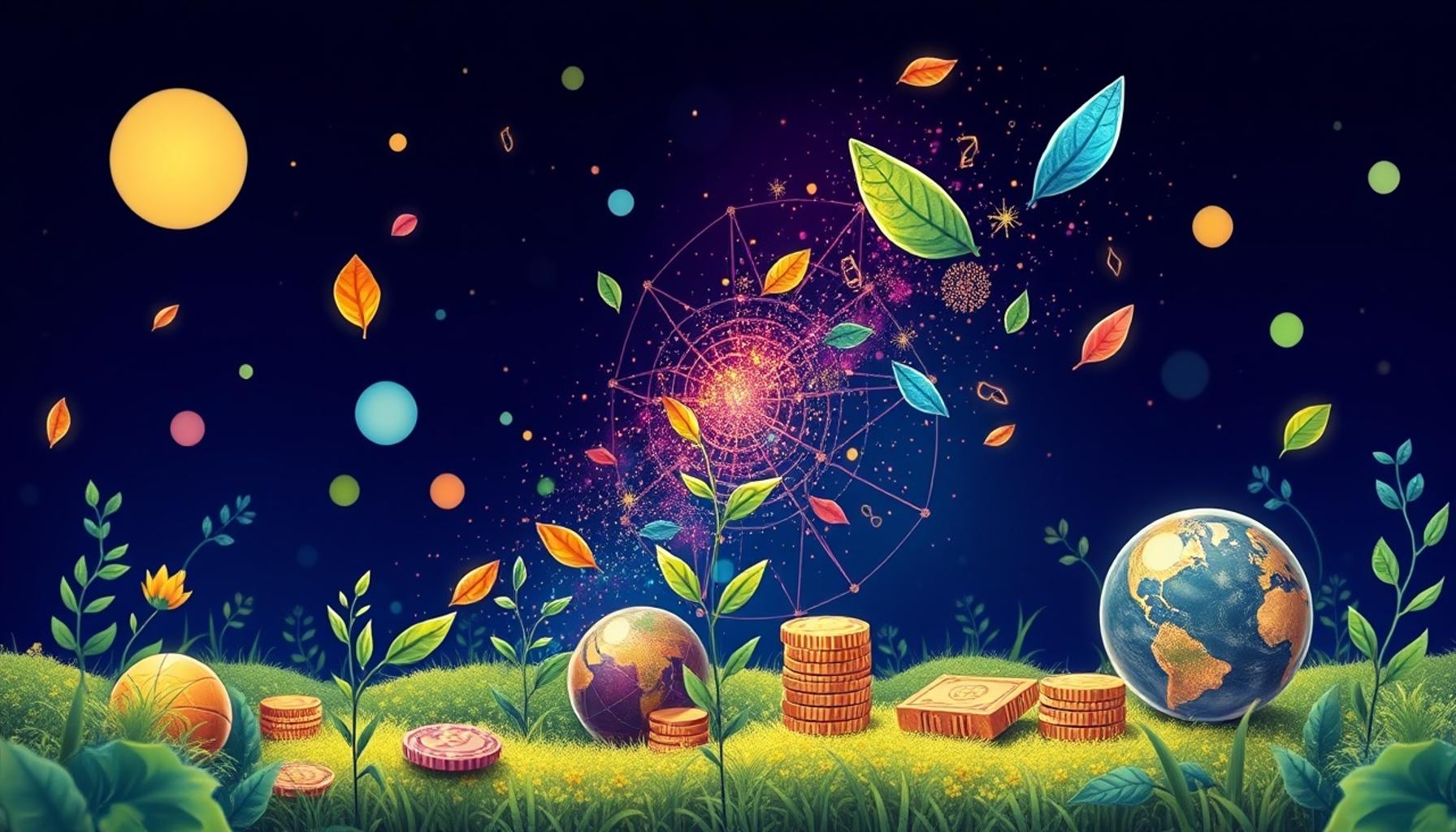
The Significance of Nature in Artistic Creation
Throughout history, nature has served an invaluable role in the realm of art, transcending mere appreciation to become a central theme and source of inspiration for various artists. It is not just a backdrop; the essence of nature weaves itself intricately within the fabric of creativity, driving artists to express emotions, tell stories, and provoke thought through their work. From the vibrant hues of a forest in autumn to the delicate formations of clouds in an expansive sky, the natural world provides a multitude of stimuli that ignite the artist’s imagination.
Artists have captured the beauty of nature across cultures and epochs, using it as a vital tool for both expression and interpretation. For instance, renowned landscape artist John Constable of the 19th century painted sweeping views of the English countryside, immersing viewers in the vast open skies and intricate details of rural life. Meanwhile, contemporary artists such as Patricia Piccinini explore environmental themes, prompting discussions around nature and modernity, thereby emphasizing the diverse pathways through which nature influences art.
Techniques Embraced by Artists
When artists draw from nature, they employ a myriad of techniques that allow them to capture its essence in various forms. These methods not only enhance their artistic expression but also facilitate a deeper connection between the observer and the natural world. Some notable approaches include:
- Plein air painting: This technique, which involves creating artwork outdoors in real-time, allows artists to immerse themselves in their environment. By working directly in nature, artists like Claude Monet captured spontaneous changes in light, atmosphere, and color, creating a dynamic representation of their surroundings.
- Photography: With the advent of digital technology, many artists now use photography as a preliminary step in their creative process. Nature photographers like Ansel Adams documented the American wilderness, inspiring painters and sculptors alike to contemplate the details and majesty of the great outdoors.
- Soundscapes: Artists increasingly embrace multimedia approaches, integrating natural sounds into their creation processes. Musicians and sound artists may record the rustling of leaves or the chirping of birds, shaping their compositions around these organic elements to evoke specific moods and narratives.
As technology progresses, immersive experiences such as virtual reality are transforming how artists engage with nature, creating new opportunities for exploration and creativity. Artists can now experience and manipulate three-dimensional representations of environments, allowing for greater experimentation in their work.
Inspirational Sources Found Outdoors
Nature is a rich wellspring of inspiration, offering numerous elements that spark artistic interest. Some of the most compelling sources include:
- Vibrant colors: The striking transformation of landscapes with each season—such as the bright blossoms of spring or the muted tones of winter—provides artists with endless opportunities to explore color theory and emotional expression.
- Textural contrasts: The diverse textures found in nature, ranging from the rough bark of trees to the delicate petals of flowers, allow artists to experiment with materials and techniques, creating pieces that are not only visually appealing but also tactile.
- Light and shadow: The ever-changing relationship between light and shadow throughout the day can dramatically alter the perception of a landscape. Artists often study these conditions to create dramatic effects, evoking various feelings and atmospheres in their work.
These elements serve as gateways for artists to delve deeper into natural settings, ensuring they continuously uncover new perspectives and insights. The interplay between nature and art is not just a historical trend but an ongoing dialogue that continues to shape artistic expression and innovation today. As we explore these influences further, a world of creativity and inspiration unfolds, inviting artists and audiences alike to engage with the beauty of the natural world.
EXPLORE MORE: Click here to dive into the science of cooking
The Techniques Employed by Artists in Harnessing Nature’s Inspiration
As artists venture outdoors for creative inspiration, they embrace a variety of techniques that allow them to capture the subtleties and beauty of the natural world. These methods not only contribute to the individual expression of artistic vision but also enhance the connection between the artwork and the viewer’s experience. Here are some prominent techniques employed by artists inspired by nature:
- Plein air painting: Originating from the French term meaning “in the open air,” this technique involves artists painting outdoors rather than in studios. The immediacy of plein air painting allows artists such as Vincent van Gogh and Cassatt Mary to capture fleeting moments of light and color, producing works that reflect the vibrant dynamism of the surrounding landscape. These artists convey the essence of their experience, leading to a more authentic interpretation of nature.
- Textural exploration: By using unconventional materials and techniques, artists create works that mirror the diverse textures found in nature. Techniques such as layering, glazing, and collage can help convey the rugged surface of rocks, the fragility of leaves, or the softness of clouds. Artists like Andy Goldsworthy incorporate found organic materials into their art to emphasize the connection between the artwork and the environment, creating pieces that are not only visually stunning but also culturally resonant.
- Environmental installations: In recent years, artists have turned to larger-scale environmental installations to provoke thought around nature and sustainability. Artists such as Christo and Jeanne-Claude have gained acclaim for their innovative site-specific projects that transform the landscape, ultimately encouraging audiences to view nature from new perspectives. These installations serve as poignant reminders of the fragility of our ecosystems and the need for preservation.
These techniques reflect the evolving relationship between art and the environment, illustrating how artists continue to push boundaries while drawing from nature’s vast reservoir of inspiration. Moreover, as the technological landscape advances, artists are increasingly incorporating modern tools into these traditional methods, enriching their creative processes. For instance, digital art allows for the integration of multimedia elements, enabling artists to capture the ephemeral qualities of nature in real-time and explore new dimensions of their work.
As they delve into outdoor environments, artists are not only influenced by the visual aspects of nature but also by the auditory and sensory experiences that these locations offer. The subtle rustle of leaves, the chirping of birds, or the soothing sound of a nearby creek can dictate the mood of a piece and inspire innovative creative choices, highlighting the profound influence that nature exerts on the artistic process.
The Role of Natural Elements in Artistic Techniques
When examining the intricate relationship between nature and artistic creation, it’s essential to explore how various elements of the environment significantly shape artistic techniques. Artists often derive inspiration not only from breathtaking landscapes but also from the subtle interplay of light, color, and texture present outdoors. For instance, the unique quality of natural light can transform the perception of colors on canvas, as seen in the works of Impressionist painters like Claude Monet. They captured the ephemeral beauty of nature by painting en plein air, a technique that emphasizes observation and immediate experience.Additionally, the texture of natural materials can become integral to the creative process. Artists may incorporate organic elements, such as leaves, stones, or soil, into their works, bridging the gap between subject and medium. This incorporation serves to deepen the connection to the environment and challenge traditional boundaries of artistic expression. Nature, in all its forms, is a living palette, offering artists endless opportunities for experimentation and innovation.
Inspiration from Landscapes and Flora
Different landscapes evoke various emotions and themes in art, prompting artists to interpret their surroundings through their unique lenses. The majestic mountains, serene lakes, or vibrant fields can all inspire different narratives, influencing the mood and direction of an artwork. By visiting diverse outdoor settings, artists can immerse themselves in local flora, which may lead to discovering new techniques, such as using plant-based pigments for color.Furthermore, artists can engage more deeply with their environments by understanding the cultural significance of different natural elements. This connection to nature fosters a sense of stewardship, urging creators to reflect on sustainability and conservation through their works. The dialogue between artist and nature not only enriches the creative process but also encourages viewers to remain mindful of their surroundings.Exploring how nature influences artistic creation reveals a profound connection that transcends traditional artistic practices. With the vast array of techniques inspired by the outdoors, artists continually uncover new ways to express and communicate their experiences, inviting audiences to engage with the beauty and fragility of the natural world. Through this exploration, the artistic realm is rejuvenated, encouraging both creators and spectators to seek inspiration in the world’s intricacies.
DIVE DEEPER: Click here to discover the art of improvisation
Nature’s Role as an Emotional Catalyst in Artistic Creation
While the techniques employed by artists serve to visualize nature, the emotional impact of the environment plays a crucial role in shaping their artistic creations. Nature is not merely a backdrop for artistic expression; it serves as a profound source of inspiration that influences mood, perception, and ultimately, artistic output. The emotional resonance found in various natural settings goes beyond aesthetics, prompting artists to investigate deeper themes of existence, identity, and the human experience.
Emotional landscapes: Artists often find that different environments evoke distinct emotional responses. A serene lake at dawn may evoke tranquility and reflection, while a raging storm can stir feelings of chaos or intensity. These emotional landscapes have inspired masterpieces throughout history. The American painter Georgia O’Keeffe, for instance, drew from New Mexico’s vast horizons and vibrant sunsets to elicit a sense of peaceful solitude, contrasting with the chaotic urban life of her earlier years. It was in these landscapes that O’Keeffe discovered her unique voice, encouraging viewers to connect emotionally with the art. This emotional engagement is vital, as it transforms passive observation into an interactive experience, drawing the viewer deeper into the environmental themes represented.
Nature as a narrative: Artists often use nature as a narrative tool to explore complex societal issues. For example, Olafur Eliasson’s installations frequently highlight climate change and environmental degradation, prompting audiences to reflect on their impact on nature. By integrating elements of nature into his art, Eliasson creates immersive experiences that foster a greater understanding of ecological challenges, particularly relevant in today’s climate crisis. Similarly, artists like David Hockney have utilized nature to reinterpret personal experiences and universal themes, pushing boundaries to make commentary on contemporary society while embedding their work in a rich, natural context.
The influence of local cultures and ecosystems: Beyond individual expression, the cultural significance of regional ecosystems also informs artistic creation. In the United States, Indigenous artists such as Joy Harjo and Russell Means often draw upon their deep-seated connections to land and community in their artwork, blending traditional practices with contemporary narratives. For these artists, nature serves as a living, breathing entity with a history and sanctity that goes beyond mere inspiration—it’s a cornerstone of identity and storytelling.
As artists delve into outdoor environments for creative inspiration, the significance of flora and fauna, weather patterns, and seasonal changes can dramatically shape their oeuvre. Nature’s varying rhythms and emotional tides become a compelling muse, fostering creativity that resonates not only with artists but also with their audiences.
Environmental themes in modern art movements: The recent surge in ecological consciousness has spurred a revival of nature-focused themes in art, reflected in movements like Eco-Art or Land Art. Such movements encourage artists to create awareness around environmental preservation and sustainability, advocating for a dialogue between art, nature, and society. The intertwining of artistic practice with ecological activism has made outdoor environments not just a medium for creation but also a call to action.
Through these explorations of emotional depth and narrative complexity, artists continue to harness the dynamic interactions with nature, enriching their works with layers of meaning that resonate in an increasingly fragmented and digital world. The dialogue between artist and environment remains a powerful and vital exchange in the ongoing evolution of artistic practice.
DISCOVER MORE: Click here to dive deeper into the world of musical creativity
Conclusion: Embracing Nature’s Influence in Artistic Creation
In summary, the influence of nature on artistic creation is undeniable and multifaceted, encompassing emotional expression, cultural narratives, and environmental awareness. Artists thrive on the vibrant tapestry of the outdoors, transforming its beauty and challenges into captivating works of art that resonate with both personal and collective experiences. The emotional landscapes inspired by serene locales or tumultuous skies prompt artists to delve into themes of introspection and identity, deeply enriching their creative output.
Moreover, as artists like Georgia O’Keeffe, and Olafur Eliasson illustrate, engaging with nature offers a dynamic storytelling medium that extends beyond aesthetics. This engagement fosters a dialogue about pressing societal issues, such as environmental degradation and climate change, encouraging audiences to reflect on their relationship with the natural world. The melding of local cultural narratives and regional ecosystems, evident in the works of Indigenous artists, highlights the essential role that nature plays not just in the artistic process, but also in shaping identity and community.
With the rise of movements focused on ecological awareness, art becomes a platform for advocacy and change. The intricate bond between artistic expression and nature emphasizes the urgency of nurturing our environment as we face unprecedented challenges. As we continue to navigate between the digital realm and the real world, the outdoor spaces will remain a vital source of inspiration, inviting artists to push boundaries and innovate, ultimately enriching the tapestry of human expression.
Embracing nature’s influence opens new pathways for exploration in the arts, urging both creators and audiences to pursue deeper connections with the world around them. As we reflect on the beauty of these artistic endeavors, we can only hope that this passion for nature serves as a catalyst for ongoing dialogue and action towards a sustainable future.